
Ugliest Hair Colors (Color Gone Wrong)
A green tint, patchy dye, or a sharp line of regrowth can make a fresh color feel disappointing. The best fix starts with identifying what changed and when.
A color shift after swimming needs a different approach from uneven color straight after dyeing. Adding another dye before checking the cause can make the correction harder.
If your color looks off, it helps to identify whether the issue is mineral buildup, uneven lift, fading, regrowth, or simple product buildup before trying another treatment.
No natural hair color is inherently “ugly,” but color services can sometimes leave unexpected tones, patchiness, harsh regrowth, or dullness that you may want to correct.
So, which hair color problems can leave you with the most frustrating results?
Common hair color problems include blonde hair turning green from mineral buildup, uneven or patchy color, harsh-looking regrowth, and dull hair caused by damage or product buildup.
Many of these issues can be improved, although the safest fix depends on your hair’s current condition and what caused the problem.
Below, we’ll break down what causes each issue, what you can realistically do at home, and when it is smarter to see a professional colorist.
Blonde Hair Going Green
Why It Happens
One common cause of green tones in blonde hair is mineral buildup from water, especially copper.
Start with the timing: did the tint appear after swimming, after repeated washes at home, or immediately after a toner or dye?
With water-related discoloration, copper deposits are a common explanation. On pale hair, even a small amount of unwanted color can be noticeable.
Bleached or highly porous hair can bind these mineral deposits more readily, which makes the color shift easier to notice.
Pool exposure can contribute, but chlorine itself is not usually the green pigment. It can interact with water chemistry and make mineral deposition more likely.
Copper is the main mineral associated with green discoloration. Other minerals may contribute to buildup or dullness, but they are not equally responsible for a green cast.
Pool water is a common source of exposure, but copper-containing tap or well water can also contribute. Water hardness alone does not prove copper is present.
Not all water will change hair color. The risk depends on the concentration of metals in the water, hair porosity, previous bleaching, and how often the hair is exposed.
A green cast immediately after coloring can have a different cause: cool pigments interacting with the hair’s existing yellow tone.
Tell your colorist about recent toners, color-depositing shampoos, and attempts to darken bleached hair. That history helps distinguish unwanted pigment from mineral deposits.
How To Avoid It
For swimming-related discoloration, focus on reducing exposure and rinsing promptly rather than covering the tint with more color.
If you have not been swimming, consider both your water supply and recent color products. Shower water is one possibility, not a diagnosis based on color alone.
If you suspect your home water, a water-quality test can be more useful than guessing. A shower filter may help with some contaminants, but many basic shower filters do not reliably remove dissolved copper or hard-water minerals.
This 15 Stage Filter is one option for shower-water filtration, but check its certification and contaminant-removal claims rather than assuming it removes every mineral that can affect hair color.
Before swimming, pre-wet your hair with clean fresh water so the strands are already saturated before entering the pool.
Pre-wetting can reduce how much pool water the hair takes up compared with entering the water completely dry.
You can also smooth a small amount of leave-in conditioner or a conditioning product through the lengths if the product is appropriate for swimming.
Conditioner can help with slip, but it is not a waterproof barrier. A well-fitting swim cap can reduce exposure, although water may still get in. The American Academy of Dermatology recommends rinsing hair immediately after swimming.
How To Treat It
If the green tint followed water exposure, look for a chelating or swimmer’s treatment specifically labeled to remove metals. A general clarifying shampoo may remove styling residue without removing copper deposits.
Follow the product’s application area, contact time, and rinse instructions, then condition. Do not extend the processing time to try to speed up the result.
One treatment may be enough for light buildup, while stubborn discoloration may need another wash or professional correction. Avoid repeatedly stripping already fragile hair.
Blondes may already use a purple shade to reduce yellow tones, but purple shampoo does not remove copper or reliably correct green.
A colorist may use warm pigment to tone with something red when appropriate. That is a color correction, not a substitute for removing mineral buildup.
Red-based pigment can counter green, but too much can leave pale hair pink, red, or muddy. Kitchen condiments do not offer controlled pigment strength or predictable results.
For a lingering dye-related green cast, ask a colorist to choose and strand-test the correction. Avoid applying a full-strength red dye across blonde hair as a quick fix.
Bring the names of products you have used and, if possible, a photo of your color before it changed. That gives your stylist a more useful starting point.
If the green cast is strong or the hair feels fragile, a salon appointment can reduce the risk of overcorrecting or creating another unwanted tone.
Splotchy Hair Dye
Why It Happens
Patchiness can mean lighter missed sections, darker ends, or bands of different color. Check your hair dry in natural light so shadows and wetness do not distort the result.
This can happen from uneven saturation, inconsistent sectioning, patchy lightening, overlapping color, different porosity through the lengths, or applying dye over previously colored hair.
Price alone does not determine whether a dye will apply evenly. Technique, formula choice, developer strength, starting color, and saturation matter more.
Box dye can work well for some at-home color jobs, but repeated overlapping applications can make later color correction more difficult.
Going lighter is more complicated when the lengths already contain artificial pigment. Natural roots and previously dyed ends may need different approaches.
Uneven bleach application can create bands of different lightness. A toner may adjust their shade, but it cannot reliably turn a much darker band into the same light blonde as the rest.
Previously processed hair can take color differently from virgin roots, especially when the mid-lengths and ends are more porous.
New permanent dye does not simply “push out” old artificial pigment, and color generally cannot lift previously colored hair in a predictable way.
How To Avoid It
If you color at home, avoid repeatedly dragging permanent dye through already-colored lengths unless the instructions specifically call for it.
For home coloring, prepare enough product for your hair’s length and density, section as instructed, and keep track of application time. Running out halfway through can leave areas poorly saturated.
A professional colorist may be worth the cost for major lightening, color correction, or a dramatic shade change because they can adjust formulas by section and monitor the hair during processing.
Do the product’s allergy alert test before every use, even if you have used that dye before, and follow its timing exactly. The FDA recommends patch testing each time you dye. A separate strand test helps preview the color result; it does not replace the skin test.
For significant bleaching, especially close to the scalp or over previously processed hair, professional application is safer than asking an untrained friend to help.
You do not always need to strip existing color before recoloring. Color remover, bleach, direct dye remover, or no removal at all may be appropriate depending on the old pigment and the target shade.
Color removers are not interchangeable. Check which dye type a product is designed for, and strand-test according to its directions before treating all of your hair.
How To Treat It
For a patchy dye job, contact a colorist before applying another all-over permanent color. If a salon performed the original service, send clear photos and ask for an assessment.
A darker dye may cover some lighter patches while making already-dark areas even deeper. Rebleaching the whole head can also overlap fragile sections unnecessarily.
Explain the full color history, including box dyes, bleach, henna, removers, and toners. A colorist can assess whether different sections need different formulas or whether processing should wait.
If a salon visit is not possible right away, pause chemical processing and use gentle conditioning. A different parting or a loose style may make patchiness less obvious temporarily. Hair that feels gummy, stretches excessively, or snaps needs assessment before more color.
Waiting a set number of weeks does not make damaged hair safe to bleach again. Conditioning may improve its feel, but it does not restore the strand to an undamaged state.
Growing Out A Dye Job
Why It Happens
Regrowth is normal. It becomes more noticeable when the dyed lengths differ strongly from your natural roots in depth or tone.
Lowlights, balayage, and dyeing hair a similar colour to your natural shade will leave you with a more subtle growing-out process than, say, dying blonde hair hot pink.
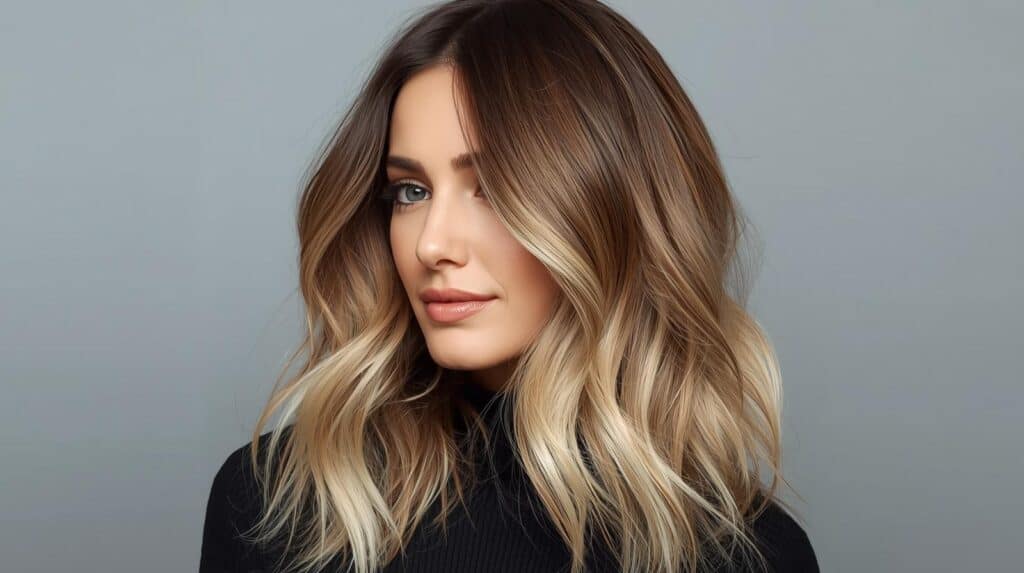
High-contrast shades can look intentional and striking, but they usually make the line between new growth and colored lengths easier to see.
Decide whether you want to maintain the dyed shade or grow it out before correcting your roots. Those goals call for different maintenance plans.
Returning to completely uncolored hair requires new growth and gradually trimming away processed lengths. Dyeing over the old color can blend it, but it does not turn it back into virgin hair.
How To Avoid It
For a lower-maintenance change, choose a shade close to your natural depth or ask about blended placement that leaves some natural root visible.
Discuss both depth and undertone: a color can be equally dark as your natural shade but still show a noticeable warm or cool contrast as it grows.
Ask how the shade is likely to fade and what upkeep it will require before committing, especially when moving between very light and very dark colors.
A stylist may suggest demi- or semi-permanent color for a softer grow-out, although these formulas do not always fade perfectly back to the natural shade.
How To Treat It
If you want to keep the dyed shade, ask your stylist about targeted root maintenance. The timing depends on the service, contrast, and condition of your hair.
If you are growing the color out, a root shadow, selected lowlights, or a blended transition may soften the line. These are optional color services, not a way to stop regrowth.
A gloss treatment may help refresh faded tone or add shine, but a tinted gloss still deposits color. A clear gloss will not hide a strong difference between roots and lengths.
Gloss formulas vary. Many deposit tone without significantly lightening the hair, so they cannot make dark natural roots match pale blonde lengths.
Ask whether a gloss is clear or tinted and whether it uses a developer. Choose it for the finish it can provide, rather than expecting every gloss to be damage-free or fade completely.
Hair Looking Lifeless
Why It Happens
Sometimes the shade is right, but the hair looks flat or rough. Before booking another color service, check whether the problem is residue or the condition of the lengths.
Dull or rough hair can come from frequent washing with a harsh cleanser, heat damage, chemical processing, mineral buildup, product buildup, or not using enough conditioning for your hair type.
Layering dry shampoo, oils, creams, and leave-ins can leave some hair coated. Adding shine products on top may make it feel heavier without improving the underlying roughness.
If a protein-rich product repeatedly leaves your hair stiff or rough, use it less often or switch formulas. “Protein overload” is not a precise diagnosis and is often confused with dryness, buildup, or damage.
Over-cleansing or under-conditioning can leave some hair rough and more prone to breakage, but wash frequency itself does not automatically cause hair loss.
How To Avoid It
Build a wash-and-condition routine around how your scalp and lengths feel, then adjust when your styling or activity changes.
There is no single ideal wash schedule. Some oily scalps do best with daily washing, while drier or curlier hair may prefer longer intervals.
Spacing out washes does not reliably “train” the scalp to produce less oil. Sebum production is influenced more by genetics, hormones, scalp condition, and individual biology.
Wash often enough to keep the scalp comfortable and remove sweat, sebum, and styling residue without leaving the lengths excessively dry.
Start with a cleanser that removes your styling products and a conditioner that gives enough slip without leaving the hair coated.
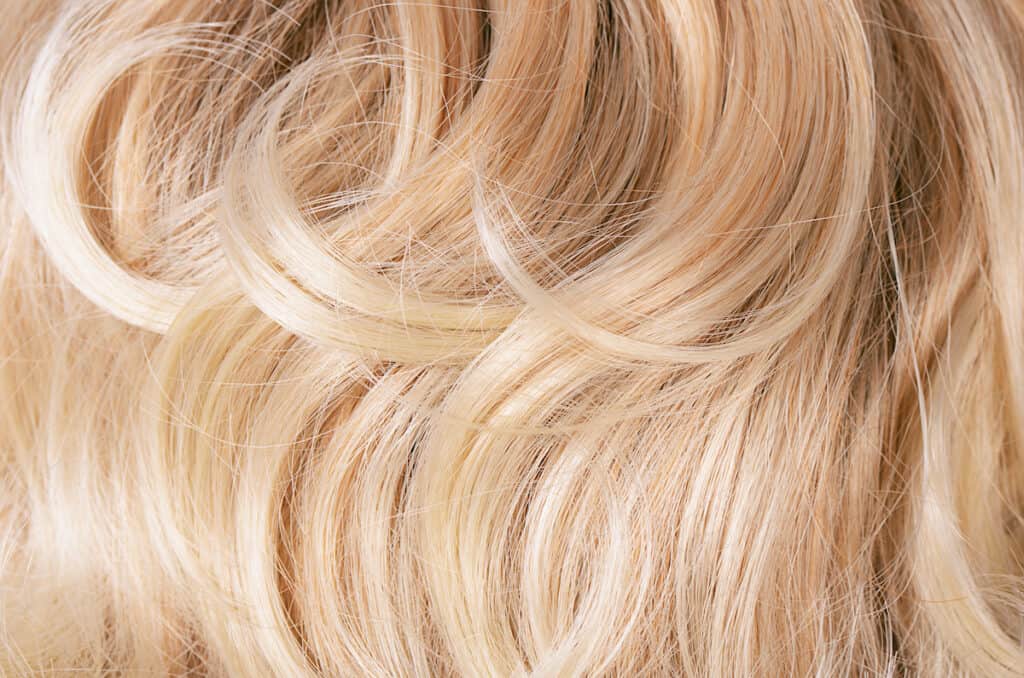
Consider your curl pattern, strand thickness, density, porosity, scalp oiliness, chemical history, and styling habits when choosing products.
Change one product or step at a time. That makes it easier to tell whether your hair needs better cleansing, less layering, or more conditioning.
Add a treatment only when it addresses a clear need, such as tangling or dry-feeling ends.
Masks and leave-in treatments can improve softness, slip, and the feel of damaged hair, but they cannot reverse structural damage or restore hair to its virgin state.
A mask can replace your regular conditioner on a treatment day if the label allows. You do not need to use every treatment at every wash.
How To Treat It
If your hair feels coated, limp, or hard to wet because of buildup, a clarifying shampoo can be useful.
Follow the clarifier’s directions and condition afterward. Some clarifiers can speed color fading, so check the label and avoid repeated washes in an attempt to force shine back.
Clarifying Shampoo by Kristin Ess is one option to consider for residue. Check the current directions and suitability for your color treatment; clarifying is not the same as correcting uneven dye.
For severely damaged hair, bond-building or conditioning treatments may improve feel and reduce breakage, but they cannot fully restore destroyed cuticle or cortex structure.
Use treatments at the frequency on their labels. More product or longer contact time does not necessarily improve the result.
If the ends stay split, rough, or prone to snapping, a trim may be more useful than another mask. Avoid further lightening until a stylist has assessed fragile hair.
Choose shampoos and conditioners based on ingredients, performance, and how your hair responds rather than assuming salon-priced products are automatically better than drugstore options.
While damaged hair is fragile, reducing unnecessary high heat can help limit additional breakage.
If you heat-style, use a formulated thermal protectant, the lowest effective temperature, and as few passes as practical.
Related Articles
Can You Use Purple Shampoo On Green Hair? (+ What To Use Instead)
I Dyed My Hair And My Roots Are Too Light – What To Do
Hair Too Ashy After Toner – What To Do