The Ultimate Glow Up Checklist
A glow-up does not have to mean becoming a completely different person. It can simply mean building a few routines that help you feel more polished, healthy, and confident.
The best glow-ups are usually a mix of grooming, skincare, hair care, personal style, and everyday wellness habits that you can actually maintain.
“Glowing up” is a casual term for improving how you look, feel, and present yourself. Some changes can happen quickly, while others take weeks or months of consistency.
That means you do not need a dramatic before-and-after moment. A better haircut, a simple skincare routine, neater grooming, and more consistent sleep can all add up.
The goal is to find changes that suit your features, lifestyle, budget, and preferences, rather than copying somebody else’s idea of the perfect look.
Anyone can work on a glow-up. Most of us have small habits we can improve, and the most useful changes tend to come from consistency rather than perfection.
If you’re here, we’re guessing you’re ready to refresh your routine and decide what is worth focusing on first.
Are you looking for the ultimate glow-up checklist?
This glow-up checklist covers practical ways to improve your hair, skincare, grooming, makeup, nails, fitness, and general wellness without turning self-care into an all-or-nothing project.
Use the sections that are helpful to you, skip what does not fit your style, and build your routine gradually.
Hair
Your hair can make a big difference in how polished you feel, and you do not need an elaborate routine to make it look cared for.
If you feel like your hair could use a refresh, start with the basics below.
The Right Hair Cut
Whether your hair is thick, fine, straight, curly, or somewhere in between, a haircut that works with your texture can make styling much easier.
Trim when your ends start looking split, rough, or difficult to style. The right schedule depends on your haircut, hair length, and how much chemical or heat styling you do.
If you have a lot of split ends and damage, consider removing the most compromised length. A shorter cut with healthier-looking ends can often be easier to style than keeping length that continually tangles or breaks.
Take a look through Pinterest for trendy, flattering haircut ideas to bring to your stylist. The most useful references are usually photos of people with a similar hair texture, density, and length.
Ask your stylist what will work with your face shape, hair texture, maintenance preferences, and usual styling routine. A flattering cut should also be realistic for the amount of effort you want to put in at home.
Your hairdresser can also be a useful resource for learning how to style your hair, choosing suitable products, and maintaining the look between appointments.
Hair Health
The haircut is only one part of the process. The next step is to keep your hair healthy, so it stays manageable and looks its best.
A good routine usually comes down to cleansing the scalp, conditioning the lengths, and limiting unnecessary damage.
Wash your hair as often as your scalp and hair type need. Some people feel best washing daily, while others can comfortably go several days between washes.

Rather than following a fixed schedule, pay attention to oiliness, sweat, buildup, itching, and how your hair feels to decide when it is time to wash.
In addition to keeping it clean, focus on keeping the lengths conditioned, manageable, and protected from excessive damage.
If your current shampoo leaves your hair feeling tight, rough, or overly dry, try a gentler formula. Sulfate-free options can suit some hair types, but sulfates are not automatically bad and can be useful when you need a stronger cleanse.
A rinse-out conditioner, leave-in conditioner, or lightweight cream can help reduce tangling and improve softness, especially through the mid-lengths and ends.
Try to limit unnecessary heat exposure. Use the lowest effective temperature for your hair and apply a heat protectant before hot-tool styling.
A hair mask can be a useful occasional extra if your hair feels dry or processed. Follow the product directions instead of assuming every mask needs to sit for the same amount of time.
These products can temporarily improve softness, slip, and manageability, although they cannot permanently repair severely damaged hair.
Styling
A glow-up is much easier to maintain when you learn a few simple styles that suit your natural texture.
Styling your hair can change the overall finish, so pay attention to how your hairdresser handles your cut and ask what techniques are practical to recreate at home.
Do they use a round brush and a blow dryer? A curling iron? A diffuser? Ask which products and tools matter most for your particular haircut.
The more you understand the technique, the easier it is to recreate the shape at home without buying every styling product you see.
Air-drying can look great when the method suits your texture, and it also reduces heat exposure.
If air-drying leaves your hair flat, frizzy, or undefined, experiment with leave-in products, mousse, curl cream, plopping, diffusing, or a brief blow-dry instead of assuming your natural texture needs to be hidden.
Build one or two routines that work on the amount of time you actually have. A polished style does not need to take an hour every morning.
And if you’re using heat, apply a good heat protectant and let it dry as directed before using hot tools.
If you like wearing your hair up, learn one or two styles that feel secure and suit the occasion. A messy bun, sleek ponytail, braid, claw-clip twist, or more polished updo can all work depending on your preference.
The most useful styling skill is knowing how to make your own hair look intentional without creating a routine you dread.
Skincare
A consistent skincare routine can make a noticeable difference in how comfortable and even your skin looks, but more products do not automatically mean better results.
The goal is not perfectly clear skin. Aim for skin that feels comfortable, protected, and well cared for.
Acne, dryness, oiliness, sensitivity, and pigmentation can have many causes, so it helps to build your routine around your actual skin concerns.
Skincare takes time. Some products may improve hydration quickly, while concerns such as acne or uneven pigmentation can take weeks or months to change.
If you have persistent acne, painful breakouts, a changing skin condition, or irritation that does not settle, consider seeing a dermatologist.
For most people, a simple routine used consistently is more useful than constantly switching products.
Once your skin feels comfortable and your routine is predictable, it also becomes easier to tell which products are actually helping.
Here is how you can get started on the journey of skincare:
Basic Routine
Start with a simple three-part routine and adjust it for your skin type rather than copying an overly complicated regimen.
Skincare doesn’t need to be complex. It can be, but it doesn’t need to be.
Your basic 3-part skincare routine should include the following products:
- Gentle cleanser (once or twice daily, depending on your skin)
- Moisturizer (as needed, often morning and evening)
- Broad-spectrum sunscreen (during the day)
Cleanser
A cleanser removes sweat, oil, dirt, and leftover products that your skin accumulates throughout the day and night.
A cleanser helps remove sweat, oil, dirt, makeup, sunscreen, and leftover products. Some cleansers also contain ingredients used for acne-prone skin, but you do not need an acne cleanser unless it suits your concerns.
Many people cleanse in the evening and again in the morning, but very dry or sensitive skin may prefer a gentler morning routine. Adjust based on how your skin responds.
Opt for a gentle cleanser. Your skin should not feel “squeaky clean” or tight after washing. Comfortable, soft skin is a better sign that your cleanser is not overly stripping.
There are many good cleansers on the market, and the best choice depends on your skin type. If you’re looking for a simple starter option, try this one by CeraVe.
Moisturizer
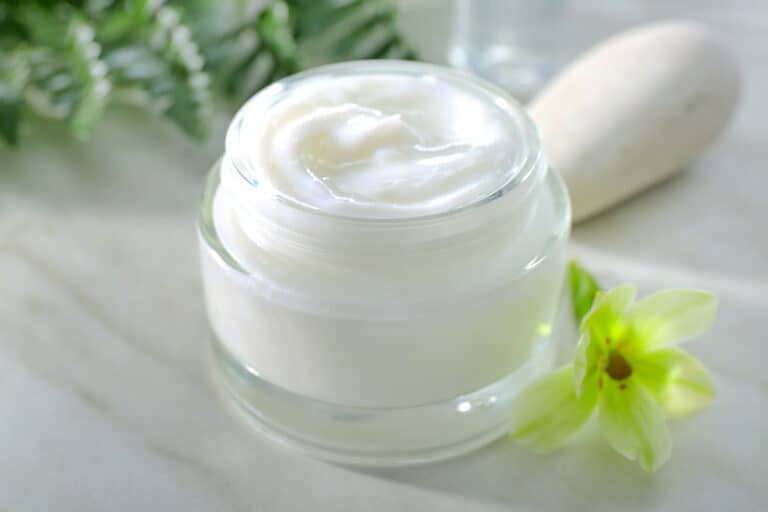
A moisturizer, such as this CeraVe skin-protecting ceramide formula, can help reduce water loss and keep your skin feeling comfortable and supple.
Even if you have an “oily” skin type, you may still benefit from a lightweight moisturizer. Look for a texture that hydrates without feeling heavy on your skin.

Your skin barrier can become dry or irritated from cleansing, weather, active ingredients, and other environmental factors.
A moisturizer helps support that barrier by combining water-binding ingredients with emollients or occlusives that reduce moisture loss.
Moisturizer usually goes after lighter serums or treatment products and before sunscreen in the morning.
At night, it can be the final step in your skincare routine; in the morning, follow it with sunscreen.
Sunscreen
Sunscreen is one of the most useful daytime skincare steps, especially when you will be exposed to daylight outdoors or through windows.
Whenever your skin is exposed to sunlight, repeated UV exposure can contribute to sunburn, uneven pigmentation, wrinkles, and other signs of photoaging. It also increases skin-cancer risk over time.
Daily sun protection matters because UV exposure is cumulative, even when you are not spending the day at the beach.
Use sunscreen as directed, and remember that hats, shade, and protective clothing can also reduce UV exposure.
For everyday facial use, look for a broad-spectrum SPF 30 or higher that you are comfortable applying generously and reapplying when needed.
Skincare Actives
A basic routine may be all you need, and it is worth using it consistently before adding several treatment products at once.
You might choose to continue the same routine indefinitely because, after all, why fix it if it isn’t broken?
If you have specific concerns, such as acne, post-acne marks, uneven texture, or fine lines, you may want to add one targeted product at a time.
These treatment ingredients are often called “actives.” Each one works differently, so choose based on the concern you are actually trying to address.
Introduce actives one at a time and be patient while testing them. Using too many new products at once makes it harder to identify what is helping or causing irritation.
Some actives can increase irritation or sun sensitivity, and prescription treatments such as tretinoin should be used with professional guidance. Always follow the product directions.
How long an active takes to work depends on the ingredient and concern. Give it enough time to assess results unless it causes persistent irritation, swelling, or another unwanted reaction.
Actives For Scarring
If you are concerned about post-acne marks or uneven texture, ingredients commonly used in skincare include:
- Glycolic acid
- Azelaic acid
- Retinol
- Niacinamide
- AHAs (alpha hydroxy acids)
Actives For Acne
If you are still experiencing acne after establishing a basic routine, some commonly used acne ingredients include:
- BHAs
- AHAs
- Benzoyl peroxide
- Azelaic acid
- Salicylic acid
- Retinol
- Tretinoin (prescription)
Actives For Dry Skin
If your regular moisturizer isn’t enough to keep your skin hydrated, consider looking for the following ingredients:
- Hyaluronic acid
- Glycerin
- Petrolatum
Actives For Fine Lines
If fine lines or uneven tone are a concern, ingredients often used in anti-aging routines include:
- Topical peptides or collagen-supporting formulas
- Tretinoin (prescription)
- Retinol
- Vitamin C
Research each ingredient before adding it, check whether it fits your skin type, and remember that more active ingredients do not necessarily mean faster results.
Most importantly, keep your basic routine consistent. Cleanser, moisturizer, and sunscreen can provide a strong foundation even if you never build a complicated regimen.
Grooming
If you want to elevate your overall presentation, basic hygiene and grooming are usually more noticeable than adding another beauty product.
Grooming simply means keeping the details that matter to you clean, comfortable, and maintained. It can be as minimal or elaborate as you prefer.
Here are a few grooming areas you can include in your glow-up checklist:
eyebrows”>Eyebrows
Eyebrows help frame the face, but there is no single “correct” brow shape. The goal is to choose a shape and level of grooming that suit your features and preferences.
Some people prefer very natural brows, while others like a more defined or sculpted look.
If you want to tidy stray hairs around or between your brows, tweezing, threading, or waxing are options. Avoid over-plucking, and stop if the skin becomes irritated.

If a few eyebrow hairs are longer than you prefer, brush them into place first and trim only the obvious excess with cosmetic scissors.
If you want help with shaping, consider seeing a brow professional. Services such as waxing, threading, tinting, lamination, and microblading have different maintenance needs and risks, so choose based on the result you want.
If you prefer to groom your brows at home, here’s a tutorial from Smitha Deepak on YouTube.
Smile
Your smile is part of how you express yourself, and keeping your teeth and gums healthy matters more than chasing a perfectly white or perfectly straight look.
If something about your smile bothers you, separate health concerns from purely cosmetic preferences before deciding what, if anything, you want to change.
For a practical glow-up, focus first on oral hygiene, regular dental care, and habits you can maintain.
If you are interested in changing tooth alignment, speak with a dentist or orthodontist about appropriate options.
There are several orthodontic approaches available today, including clear aligners for some patients, but suitability depends on your teeth and bite.
If you want whiter teeth, ask your dentist whether an at-home whitening product is appropriate for you and follow its directions carefully. Overusing whitening products can increase tooth sensitivity and gum irritation.
Brush your teeth twice a day with fluoride toothpaste, clean between the teeth regularly, and arrange dental care for pain, cavities, bleeding gums, or other concerns.
A healthy smile does not need to look identical to anybody else’s. Comfort, function, and good oral care come first.
Body
So far, we’ve focused on your face and hair, but body care can be part of your routine too.
We will discuss fitness later, but grooming here is simply about staying comfortable, clean, and moisturized in ways that fit your skin and lifestyle.
Shower as often as you need based on sweat, activity, climate, and skin type. Use deodorant or antiperspirant if you want it, remove body hair only if you prefer, and moisturize areas that feel dry.
If you tend to get body acne, a salicylic acid body wash can be one option, although persistent or painful breakouts are worth discussing with a dermatologist.
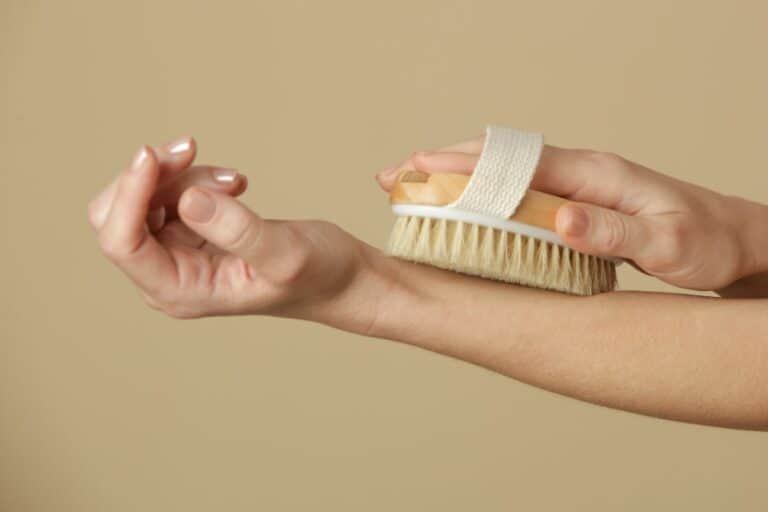
If you exfoliate, be gentle. A soft washcloth or mild chemical exfoliant can be easier on the skin than aggressive scrubbing with a rough loofah.
If you enjoy the look of a tan without UV exposure, a self-tanning lotion can add temporary colour, but it is entirely optional.
Choose the finish you like. Your natural skin tone does not need correcting to count as a glow-up.
Nails
Your nails can be another easy detail to maintain, whether you love elaborate manicures or prefer bare nails. You don’t need acrylics or polish unless that suits your style.
For basic care, remove old chipped polish when you are ready, trim or file the nails to a comfortable length, and moisturize the hands and cuticle area. Avoid aggressively cutting or pushing back cuticles, since they help protect the nail area.
Keep the nails clean, but avoid digging sharply underneath them, which can irritate the skin or separate the nail from the nail bed.
If you prefer a clear finish, you can use a clear nail-strengthening polish if you like the shine. Nail strengtheners are optional and may not suit every nail type.
If you would rather visit a nail salon and let a professional handle your manicure or pedicure, choose a clean salon and a schedule that works for you.
The goal is simply to keep your nails comfortable and maintained in a way you enjoy.
Some grooming tasks need occasional upkeep, but they do not all have to happen on the same strict schedule.
If it makes life easier, choose one day every week or two for the self-care tasks you tend to forget.
A simple routine is usually easier to maintain than trying to look perfectly polished every day.
Makeup
If you’ve built a skincare routine that works for you, you already have a comfortable base for makeup.
Makeup is optional. If you enjoy it, treat it as a way to play with colour, shape, and finish rather than something you need to hide your natural features.

Use makeup to emphasize the features you like or create the style you want that day.
If you have active breakouts, pigmentation, or texture, you can still wear as much or as little foundation as you prefer. Good makeup does not require perfect skin.
If your brows are already groomed the way you like them, you may only need a little brow gel or pencil, or nothing at all.
If you want a routine that is easy to repeat, learn one simple everyday look and one slightly more polished look for occasions when you feel like doing more.
For a simple daily makeup routine, you might use:
- Concealer
- Setting powder (for oil control on oily skin) or setting spray (to add dewiness to dry skin)
- Blush
- Mascara
- Liquid eyeliner (optional)
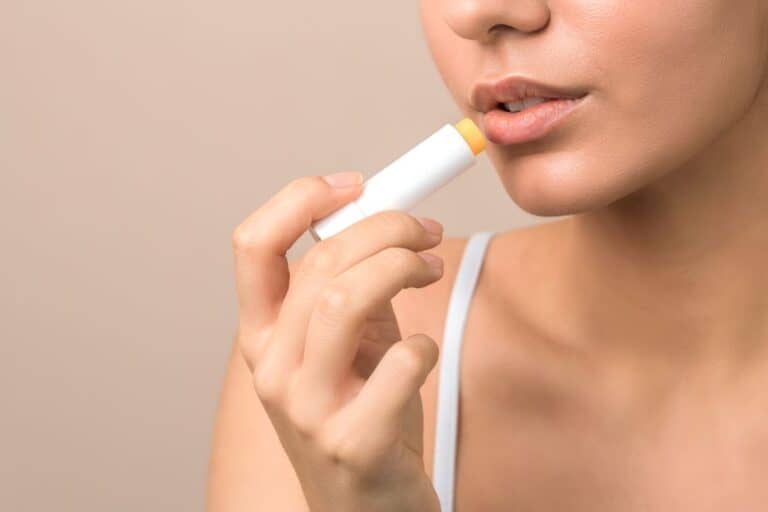
- Lip gloss, balm, or lipstick in any shade you enjoy
- Eyebrow pencil or gel (optional)
Check out a few tutorials like the one below from EMAN to learn one approach to a natural daytime look.
You might use concealer where you want extra coverage, add blush for colour, define the eyes with eyeliner if you like, and finish with mascara and a lip product.
Practice until you find a version that feels comfortable and suits your features, skill level, and available time.
For an evening or going-out look, you can add products such as foundation, eyeshadow, contour or bronzer, and lipstick if you want more definition.
You do not need one permanent signature look, but learning a few reliable techniques can make getting ready much easier.
If you’re new to makeup, neutrals such as browns, bronzes, peaches, and taupes can be easy to practice with, but there is no rule against starting with brighter colour if that is more your style.
The best beginner shades are simply the ones you feel comfortable wearing and can blend or apply consistently.
Here’s an example neutral tutorial from NikkieTutorials on YouTube.
Fitness & Health
A glow-up can also include fitness, energy, sleep, and general wellness, but there is no single workout plan or diet that everyone needs to follow.
Useful wellness basics include:
- Build meals around a varied mix of foods you enjoy, including fruits, vegetables, protein sources, whole grains, and other nutrient-dense choices.
- Drink according to your thirst, activity level, climate, and individual needs rather than forcing a fixed amount of water.
- Choose physical activity you enjoy and can do consistently. Walking, strength training, cycling, dancing, sports, and mobility work can all count.
- Do not assume you need a multivitamin or supplement every day. Supplements are most useful when they address a specific dietary or medical need.
- If you drink alcohol, keep it moderate and consider how it affects your sleep, skin, mood, and recovery.
- If you smoke, quitting can improve long-term health. Professional support can make quitting easier.
- Keep sugary drinks as an occasional choice if they crowd out foods or drinks that better support your needs, but you do not need to ban every “liquid calorie.”
- Aim for a consistent sleep schedule and enough sleep to feel rested. Many adults do well with roughly 7-9 hours, although individual needs vary.
Final Thoughts
A glow-up can feel overwhelming if you try to change every part of your routine at once.
It is usually easier to pick two or three priorities, build habits around them, and add more only when those changes feel natural.
That might mean a simpler skincare routine, a haircut you can maintain, regular movement, better sleep, or a grooming routine that saves you time.
You do not need to eliminate every indulgence or follow every beauty rule. Keep the habits that make you feel good and are realistic for your life.
The most sustainable glow-up is one that leaves you feeling more comfortable, confident, and cared for without turning your appearance into a constant project.
Related Articles
How To Get Bigger Lips Permanently Without Surgery