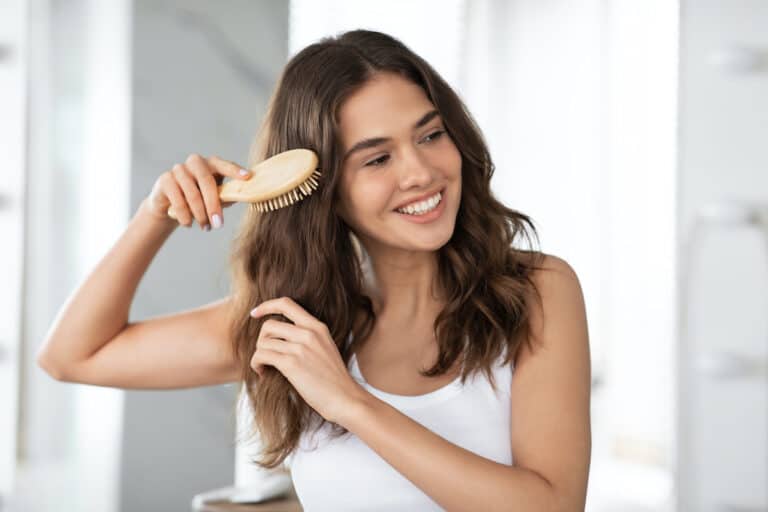

How To Keep Highlighted Hair Healthy
Highlighting your hair can add dimension, brightness, and contrast without changing every strand. The trade-off is that highlighted sections often need a little more care than untreated hair.
Once your colour appointment is over, aftercare matters. A few small changes can help your highlights stay fresh while keeping the hair soft, manageable, and less prone to breakage.
You do not need an elaborate routine to keep highlighted hair looking healthy. The most useful habits are gentle cleansing, consistent conditioning, careful heat styling, and avoiding unnecessary chemical overlap.
Highlights that use lightener can leave the treated sections feeling drier, rougher, or more fragile, especially when the hair is lifted several levels. The amount of stress depends on your starting condition, the products used, and how the hair is processed.
So, how do you keep highlighted hair healthy?
To care for highlighted hair, wash it as often as your scalp needs with a gentle colour-safe shampoo, condition the lightened lengths well, limit high heat, detangle carefully, and give the hair time between chemical services.
The goal is not to make highlighted hair behave exactly like untreated hair. Instead, focus on reducing dryness and friction while protecting the colour and keeping the strands easy to manage.
Below, you will find practical ways to care for highlighted hair, plus a few common mistakes that can make dryness, fading, and breakage more noticeable.
Keeping Highlighted Hair Healthy
The two priorities for keeping highlighted hair in good condition are to limit additional stress and replace the softness and slip that chemically treated hair can lose. Most routines benefit from regular conditioning, with protein or bond-focused products used only when they suit your hair.
Not all highlights are processed the same way. Bleach or high-lift colour can change the structure of the treated hair, while deposit-only colour generally causes less stress. Your stylist can tell you exactly what was used on your hair.

Caring for your hair after highlighting it is mostly about reducing repeated stress. Be especially gentle when the hair is wet, since lightened strands can feel more elastic and vulnerable to rough brushing.
Here are the most useful ways to care for highlighted hair at home:
1. Avoid Overwashing Your Hair
You do not need to shampoo your hair every time it gets wet. If your highlighted lengths feel dry, spacing out unnecessary washes can reduce repeated cleansing and friction.
There is no single ideal wash schedule. Wash according to your scalp, hair texture, activity level, and product buildup. Someone with an oily scalp may need more frequent cleansing, while dry or curly highlighted hair may feel better with longer gaps between shampoos.
Frequent washing can make toner or added colour fade faster, particularly when you use strong clarifying shampoos or very hot water. A gentle cleanser is usually a better everyday choice.
Your scalp produces oil, but that oil does not travel easily down every hair type. That is why conditioner on the mid-lengths and ends is especially useful for highlighted hair that feels rough or tangles easily.
If your lengths need a little extra moisture, you can condition the ends during a shower even when you are not doing a full shampoo.
Conditioner adds slip, which can make detangling easier. Work through knots gently from the ends upward rather than pulling a brush through resistant sections.
If you have an oily scalp, it is fine to wash more often when needed. Dry shampoo can stretch a wash by a day, but avoid relying on it for long periods because heavy buildup can leave the scalp uncomfortable.
Washing less does not reliably train the scalp to produce less oil, so choose a schedule that keeps your scalp comfortable and your highlighted lengths conditioned.
If daily washing leaves your highlighted hair feeling rough, try adding an extra day between washes and see how your scalp and lengths respond.
2. Use A Gentle, Colour-Safe Shampoo
A gentle, colour-safe shampoo is a smart choice for highlighted hair. Sulfate-free formulas can work well for dry or fragile lengths, but the overall cleansing formula matters more than whether one ingredient family is present.
A rich lather does not automatically mean a shampoo cleans better, and a low-lather formula can still cleanse effectively. Focus on how your scalp feels after washing and whether your ends are left overly squeaky or tangled.
If your hair is heavily highlighted, look for formulas described as gentle, moisturising, or colour-safe. Save stronger clarifying shampoos for occasional buildup rather than every wash, unless your stylist recommends otherwise.
If your highlights are toned or combined with deposited colour, repeated washing with a strong cleanser can make that toner or colour fade sooner. Gentle cleansing helps you protect the finish without sacrificing scalp hygiene.
Pair your shampoo with a conditioner that gives enough slip for easy detangling. Apply it mainly through the mid-lengths and ends, where highlighted hair usually needs it most.
3. Use Leave-In Conditioner
A leave-in conditioner can be especially useful when highlighted hair feels rough, frizzy, or difficult to detangle.
It adds lightweight conditioning between washes and can reduce friction while brushing or styling. It does not reverse chemical damage, but it can help the hair feel softer and behave more smoothly.
Choose a hydrating leave-in that suits your texture and apply a small amount to damp mid-lengths and ends. Fine hair may need just a light spray, while coarse or curly hair may prefer a creamier formula.
Some leave-ins also include heat or UV protection. Check the label rather than assuming every conditioning product provides those benefits.
The right amount should leave your highlighted hair easier to comb and less prone to snagging without making the roots greasy or weighing the hair down.
4. Lower The Temperature Of Your Showers
Very hot showers can make already dry, highlighted hair feel rougher and more dehydrated, so there is little benefit to washing your hair in scalding water.
If your highlights include a toner or deposited colour, frequent hot-water washing may also contribute to faster fading. You do not need an icy rinse to protect the colour.
Lukewarm water is a comfortable middle ground, especially when the lightened areas already feel dry or porous.
Use enough water to rinse shampoo and conditioner thoroughly, since residue can make highlighted hair feel dull or coated.
A cool final rinse is optional if you enjoy it, but it is not necessary to “seal” the hair. Your conditioner, gentle drying habits, and leave-in products matter more for softness and manageability.
5. Use Nourishing Products
If your hair feels dry or rough after highlighting, a richer conditioner or occasional treatment mask can make the lengths feel softer and easier to style.
Useful options include conditioning masks, lightweight oils for the ends, and bond-focused treatments used according to the product directions.
These products do different jobs. Conditioning masks improve softness and slip, oils help reduce friction and add shine, and protein-containing products can temporarily improve the feel of some weakened hair.
Protein treatments can be useful for hair that feels overly stretchy or weak, but more is not always better. If your hair starts feeling stiff or brittle, scale back and focus on conditioning instead.
How often you use a protein or bond-focused treatment depends on the formula and your hair. Follow the product directions and adjust based on how your strands respond.
6. Avoid Heat Damage
Flat irons, curling tools, and high-heat blow-drying can add more stress to hair that has already been lightened. You do not need to eliminate heat completely, but using it thoughtfully makes a difference.
Repeated high temperatures can make highlighted hair feel drier, rougher, and more prone to breakage, especially on the lightest sections around the face and ends.
Before heat styling, apply a heat protectant as directed and distribute it evenly through the sections you plan to style.
A heat protectant can reduce some heat-related damage, but it does not make very high temperatures harmless.
Use the lowest effective temperature, avoid repeatedly passing a hot tool over the same section, and make sure the hair is fully dry before using a flat iron or curling iron.
When blow-drying, try using a lower or medium heat setting and keep the dryer moving rather than holding it in one place.
If it suits your routine, let your hair air-dry part of the way before finishing with a dryer. For heatless texture, use loose braids or other low-tension methods rather than pulling fragile highlighted hair tightly while it is wet.
The less unnecessary high heat your highlighted hair sees, the easier it is to maintain softness, shine, and manageable ends.
7. Trim Your Hair
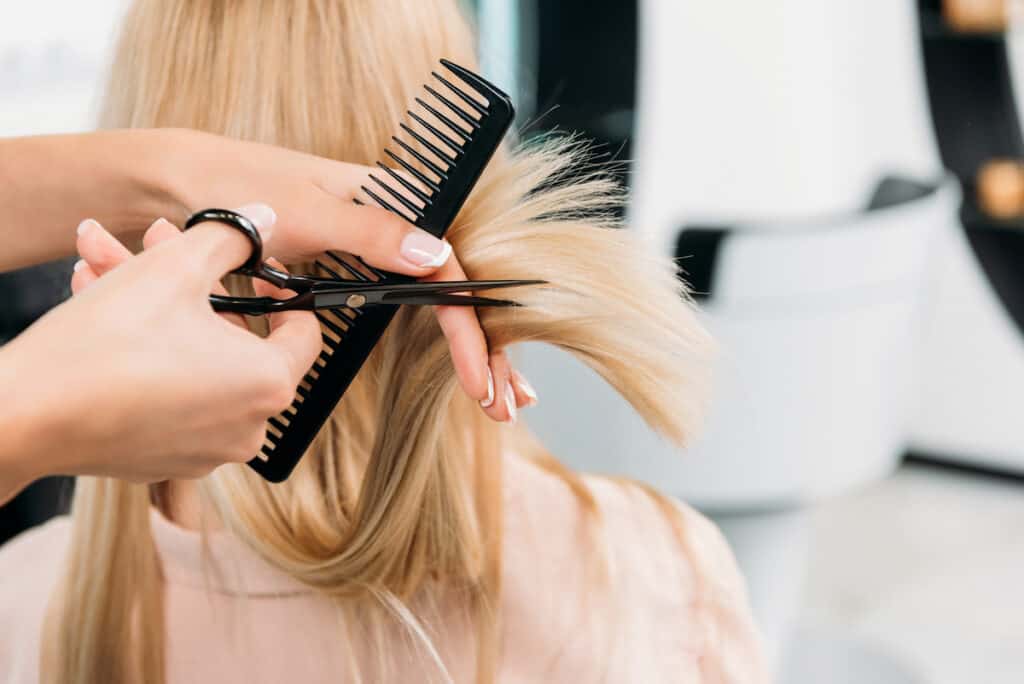
A simple way to keep highlighted hair looking polished is to trim damaged or split ends when they appear.
A trim removes existing split ends. Oils and masks can make the ends feel smoother, but they cannot permanently fuse a split strand back together. Regular trims can also make tangling at the ends easier to manage.
8. Minimise Damage During The Highlighting Process
Keeping highlighted hair in good condition starts before the colour is applied. The condition of your hair and how the lightener is placed can affect how it feels afterward.
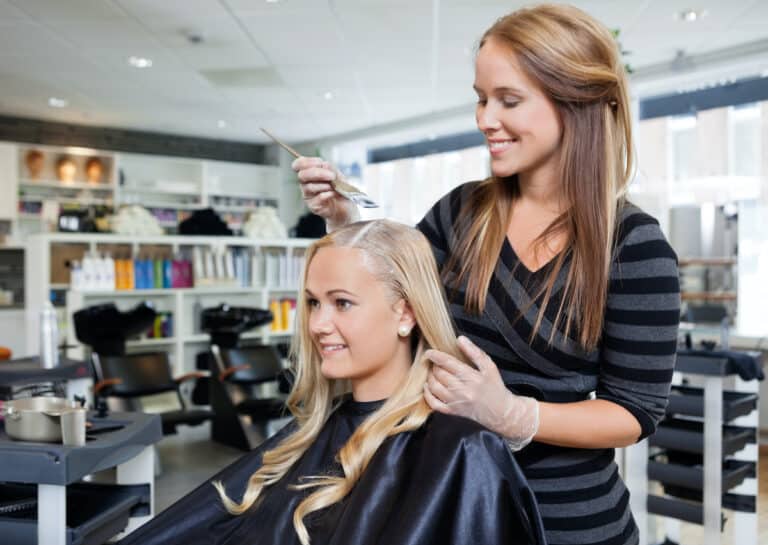
Tell your stylist about previous bleach, permanent colour, relaxers, perms, or other chemical services. Avoid overlapping lightener onto already fragile sections whenever possible, and do not push for a dramatic lift if the hair is showing signs of breakage.
9. Prepare Your Hair Before Highlighting
In the weeks before highlighting, keep your routine consistent and gentle. Hair that is already snapping, gummy when wet, or severely overprocessed may need a break from lightening.
Regular conditioner and an occasional mask can help the hair feel more manageable before your appointment. Use protein or bond-focused treatments only if they suit your hair and follow the directions rather than layering several strengthening products at once.
These steps cannot make bleaching damage-free, but they can help you begin the service with hair that is less dry and easier to handle.
10. See A Professional Stylist
A professional stylist is especially helpful if you want a major lift, have previously coloured hair, notice breakage, or are unsure how your hair will respond to lightener.
They can assess the condition of your hair, choose an appropriate developer and placement strategy, and stop processing if the strands are becoming too compromised.
At-home highlighting can work for some people, but correcting uneven lift, overlapping bleach, or unwanted tones can be difficult and may require additional processing.
A stylist can also help you choose a highlight placement and toner that work with your base colour, maintenance preferences, and overall look.
11. Protect Highlights From Sun And Pool Water
Sun exposure, chlorine, and salt water can make highlighted hair feel drier and may contribute to colour or toner fading. If you spend a lot of time outdoors, a hat is a simple way to protect both your scalp and your colour.
Before swimming, wet your hair with clean water so it absorbs less pool or sea water. Afterward, rinse thoroughly and condition the lengths. If you swim often, use a swimmer-friendly or clarifying shampoo occasionally to remove buildup, followed by conditioner.
Final Thoughts
Keeping highlighted hair looking and feeling healthy is mostly about consistency. Treat the lightened sections gently, keep them conditioned, and avoid stacking unnecessary heat and chemical stress.
Use a gentle colour-safe shampoo, wash as often as your scalp actually needs, keep water comfortably lukewarm, and condition the lengths well. If you heat style, use protection and a moderate temperature.
Before your next appointment, pay attention to breakage, extreme dryness, or excessive tangling. If your hair feels unusually fragile, ask your stylist whether it is better to adjust the service or give the hair more time before lightening it again.
Related Questions
Do highlights damage hair?
Highlights can cause some damage when lightener or oxidative colour is used because the process changes the treated hair. How noticeable that damage is depends on the starting condition of the hair, how much lift is required, processing time, and whether previously lightened sections are overlapped.
What should you not do after having highlights done?
Follow the aftercare your stylist gives you. If your highlights were finished with a toner or deposited colour, waiting a day or two before the first shampoo may help reduce immediate wash-related fading, but the exact timing depends on the colour service and products used.
During the first few days, it is also sensible to avoid very hot water, aggressive clarifying shampoos, and unnecessary high heat. After that, return to a wash schedule that keeps your scalp clean without leaving the highlighted lengths stripped.
Can highlighted hair still be soft and shiny?
Yes. Highlighted hair can still look soft, smooth, and glossy, although heavily lightened sections may need more conditioning than untreated hair. Gentle detangling, regular conditioner, occasional masks, and sensible heat styling can make a noticeable difference in how the hair feels.
How often should you deep condition highlighted hair?
There is no fixed schedule. Many people use a conditioning mask once a week or whenever the ends start feeling rough, while fine hair may need it less often. If a mask leaves your hair limp or coated, use less product or switch to a lighter formula.
Related Articles
Do You Put Toner On Wet Or Dry Hair?
Benefits Of Airbrush Makeup (And The Drawbacks)
How To Get Eyelash Glue Off Eyelids Without Makeup Remover