

7 Best Split End Trimmers
Split ends can make otherwise healthy-looking hair feel rough, frizzy, and harder to detangle. Once a strand has split, the damaged end cannot be fused back together permanently, so trimming is the most reliable way to remove it.
A salon trim is usually the safest option when you need a new shape or want to remove a noticeable amount of length. But if you only want to tidy damaged ends between appointments, an at-home trimming tool can be a practical option.
If you are nervous about cutting your own hair with scissors, a split-end trimmer can make the process feel more controlled. The right tool should remove a small amount from damaged ends without turning a maintenance trim into a full haircut.
Which are the best split-end trimmers?
The best split-end trimmers make it easier to remove damaged tips while preserving as much length as possible. Look for a tool that suits your hair type, gives you enough control, and can be cleaned and handled safely.
Below, we compare electric trimmers, manual cutting combs, and scissors, plus the features that matter most before you use one at home. We also cover how much hair to trim, how often to trim it, and the mistakes that can create more damage.
How To Choose The Best Split End Trimmer
Split-end trimmers come in different designs, blade styles, and cutting lengths, so the best choice depends on your hair, budget, and comfort level.
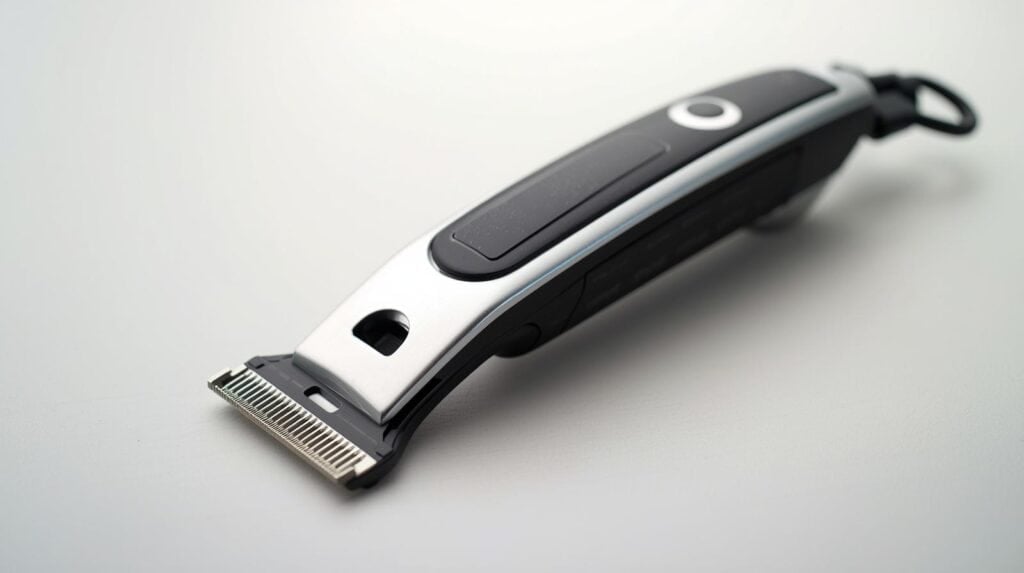
Before buying, think about how much length you are willing to lose, whether you prefer an electric or manual tool, and how easy the trimmer will be to guide through your hair without snagging.
Type Of Trimmer
Start by deciding which type of split-end trimmer feels easiest for you to control.
An electric split-end trimmer guides sections of hair through a cutting mechanism and can be convenient when you have a lot of hair to work through. These tools are often more expensive than manual options, and you still need to section and detangle carefully.
A split-end cutting comb uses guarded razor blades and is operated by hand. It is usually more affordable, but the result depends heavily on your technique and the sharpness of the blade.
Manual tools can give you more control over placement, but they also require a steady hand. Work slowly, take small sections, and avoid repeatedly passing over the same area.
You can also use a traditional hair trimmer or scissors to remove damaged ends at the bottom of your hair. This works best when you are comfortable cutting a straight, controlled line rather than trying to target individual splits along the strand.
A multi-purpose tool can be useful if it comes with guards or attachments that help limit how much hair is removed.
Your choice ultimately comes down to control, budget, hair length, and the amount of maintenance you want to do. If you are unsure, start with the least aggressive setting or method.
Corded/Cordless
If you are choosing an electric split-end trimmer, check whether it is corded, cordless, or able to work both ways.
A corded model gives you consistent power without stopping to recharge, but the cord can limit where you use it. Power varies by model, so corded does not automatically mean a better cut.
A cordless model is easy to travel with and move around, but battery life matters. Make sure it is fully charged before starting so the motor does not slow down halfway through a section.
Length Cutting Options
Check how much hair the tool is designed to remove in each pass. Some split-end trimmers offer more than one cutting length, while others use one fixed setting.
Multiple settings are useful if you want to choose between a very light dusting and a slightly deeper trim. A fixed setting can still work well if you are comfortable with the amount it removes.
Whatever the design, read the manufacturer instructions before your first use. A quarter-inch trim sounds small, but repeated passes can remove more length than expected.
Split Hair Reservoir
For an electric model, a removable hair reservoir is a small feature that makes a big difference during clean-up.
It collects the clipped ends in one place instead of dropping them over your clothes or floor. A removable chamber is also easier to empty and brush clean after each use.
Comfortable Handle
Because you will be guiding the tool through many small sections, choose a trimmer with a comfortable handle and secure grip. Better control lowers the chance of tugging, slipping, or taking off more hair than intended.
If possible, also check the weight and button placement. A tool that feels awkward after a few minutes can make careful sectioning much harder.
The Best Split-End Trimmers
These split-end trimmers cover several approaches, from dedicated electric devices to manual combs and thinning shears.
There is no single design that works best for every head of hair. Use the product details below to match the tool to your hair length, texture, skill level, and preferred amount of trimming.
| Rank | Product | Key Features |
|---|---|---|
| 1. | Split Ender Pro 2 Rechargeable Split End Trimmer | Wireless or corded, suitable for all hair types, comes with carry case |
| 2. | Split Ender Mini Portable Split End Trimmer | Travel-friendly, battery-operated, includes accessories |
| 3. | Bangmeng Hair Cutter Comb | Double-edged for different length trimming, comb on other side of blades |
| 4. | MicroTouch Titanium Trim Hair Cutting Tool | Versatile trimmer, cutting guides, rechargeable batteries |
| 5. | Jason 6'' Hair Thinning Scissors | Thinning scissors, remove split ends, 440C stainless steel blades |
| 6. | Split Ender Pro Split End Trimmer | Two trim length settings, wireless or corded, included accessories |
| 7. | Split End Trimmers | 2 Piece set, versatile split end trimmers |
1. Split Ender Pro 2 Rechargeable Split End Trimmer
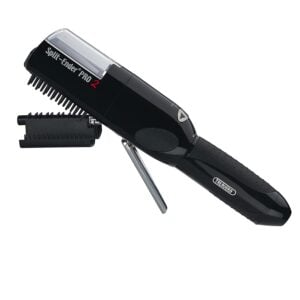
The Split Ender Pro 2 Rechargeable Split End Trimmer is designed for shoppers who want a dedicated device rather than a comb or pair of scissors. It guides sections of hair through the trimmer so you can remove damaged tips while keeping most of your overall length.
That makes it most useful for maintenance between regular haircuts, especially when your ends feel rough or catch easily during brushing.
The brand markets this model for frizzy, straight, thick, curly, and thin hair. For textured hair, follow the device instructions closely and make sure each section is properly detangled before feeding it through.
It is intended for chin-length hair or longer, so it is not the most practical choice for short cuts or areas that cannot be sectioned easily.
The model includes a rechargeable battery and power adapter, giving you the option to charge it for cordless use.
Being able to use it plugged in or wirelessly is convenient if you want portability without worrying about running out of power mid-trim.
The trimmer uses a fixed ¼-inch setting. That keeps the cut relatively conservative, but it also means you do not get much flexibility if you want an even lighter trim.
A cleaning brush and carry case are included, which makes routine maintenance and storage more straightforward.
Best for: someone who wants a dedicated, rechargeable split-end tool and is comfortable working through the hair in small, neat sections.
The built-in reservoir catches trimmed ends as you work, which helps keep clean-up simple.
2. Split Ender Mini Portable Split End Trimmer
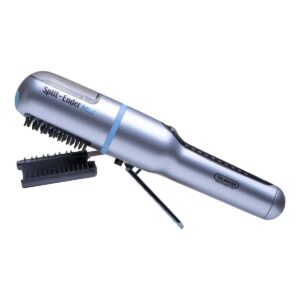
The Split Ender Mini Portable Split End Trimmer is the more compact option in the line, making it worth considering if storage space and travel convenience matter more to you than rechargeable operation.
Like the Pro 2, it is marketed for frizzy, curly, straight, thick, and thin hair. Regardless of texture, detangle thoroughly first so the tool can move through the section without catching.
This travel-friendly trimmer runs on 3 AAA batteries, so you do not need to pack a charging cable.
The set also includes a carry bag, instruction manual, cleaning brush, sectioning clip, and styling comb. Check the current product listing before ordering, since included accessories can change.
A removable hair chamber collects the clipped ends, helping you see what has been removed and making the tool easier to clean afterward.
The ¼-inch setting is designed for a light trim rather than a major cut. Even so, avoid repeated passes over the same section if preserving length is your priority.
3. Bangmeng Hair Cutter Comb
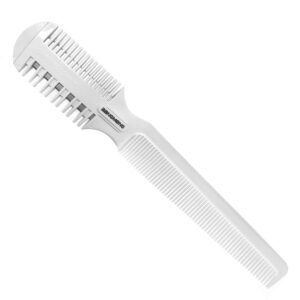
The Bangmeng Hair Cutter Comb is a manual option for anyone who prefers a simple tool without batteries or charging.
Its double-edge razor design can be used on different hair densities, but it requires more technique than a dedicated electric split-end trimmer.
The two blade sides can be used to shorten, shape, trim, or thin hair. Because it is a razor-based tool, use light pressure and avoid repeatedly scraping over the same strands.
Protective guards help keep the blades away from your skin, but the tool still contains sharp razors. Work slowly and keep your fingers clear of the cutting area, especially when changing or cleaning the blades.
The comb section helps separate and guide the hair before you use the blade side, which can make it easier to work through small sections evenly.
Choose the blade side based on how much hair you want to remove, and test it on a small section before using it throughout your hair.
Replacement blades are available, which is useful because a sharp blade gives a cleaner cut than a dull one. Replace the blade if it starts dragging or tugging instead of slicing cleanly.
4. MicroTouch Titanium Trim Hair Cutting Tool
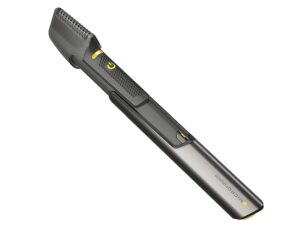
If you want a tool that sits between a standard electric trimmer and a manual cutting tool, the MicroTouch Titanium Trim is another option to consider.
The MicroTouch Titanium Trim Hair Cutting Tool is made for general at-home trimming rather than specifically targeting splits along the full length of each strand.
That makes it better suited to tidying the ends of a haircut than replacing a dedicated split-end device.
It is cordless, and the handle can extend up to 2 inches, which may make the back of the head easier to reach when trimming your own hair.
The tool uses stainless steel, micro-polished blades. As with any cutting tool, clean blades and controlled passes are more important than rushing through the trim.
It comes with 5 hair-cutting attachments and 4 guides, giving you more control over cutting length than a fixed-setting device. Check the current listing to confirm exactly what is included.
5. Jason 6’’ Hair Thinning Scissors
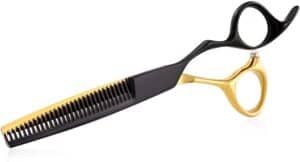
Sometimes a manual cutting tool gives you the control you want, but thinning scissors need more care than a dedicated split-end trimmer.
These Jason thinning shears are designed to remove bulk and soften lines in a haircut. They can help with damaged ends in skilled hands, but they are not intended to pick off individual split ends one by one.
The scissors are made with Japanese 440C stainless steel, a material commonly used for durable cutting blades.
The offset handle is designed to reduce hand strain during cutting, which can be useful if you are working through several sections.
Because thinning shears remove only some hairs with each closure, they can create texture as well as shorten damaged ends. Use them sparingly, especially on fine or already-thinned hair, and consider leaving major reshaping to a stylist.
6. Split Ender Pro Split End Trimmer
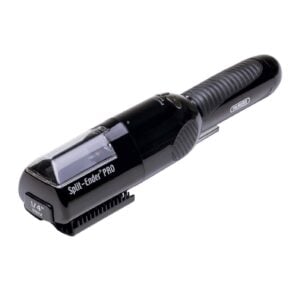
The Split Ender Pro is an earlier model from the same brand as the Pro 2.
It remains an option for anyone who wants a purpose-built tool for light at-home split-end maintenance.
The device is marketed for thick, thin, frizzy, and straight hair. For best control, work with small, fully detangled sections and follow the directions for your hair texture.
Trimmed ends collect in a removable reservoir, so you can empty and clean the chamber after use instead of sweeping loose clippings from your workspace.
The trimmer can be used plugged in or wirelessly with its rechargeable battery, which is useful if you want flexibility at home or while travelling.
This model has two trim settings, ¼-inch and ⅛-inch, giving you more control over how much length is removed in a pass.
The set includes accessories such as a travel case, hair clips, comb, and cleaning brush. As with any older product model, confirm current specifications and included accessories before purchasing.
7. Split End Trimmers

This two-pack of manual hair cutting combs is a budget-friendly choice if you want simple tools for occasional trimming and styling.
Each tool has a different function, with two cutting sides that can remove different amounts of hair.
The bodies are made from ABS and PP plastic, keeping the tools lightweight while the blade does the cutting work.
The handles provide a firm grip, which is important because manual razor combs require slow, deliberate movement for an even result.
The blades are replaceable. Replace them when they become dull, since a blade that drags on the hair can create a rougher cut and make the tool harder to control.
You can use the tools to trim, shape, thin, comb, and style hair, so they are more versatile than a single-purpose split-end device.
Best for: someone who wants an inexpensive manual option and is comfortable using a guarded razor comb carefully.
How Often Should You Trim Split Ends?
If you are trying to grow your hair longer, frequent trims can feel counterproductive. The goal is not to cut on a rigid schedule, but to remove damaged ends before they become difficult to manage.
Trim when you notice frayed tips, tangling at the ends, rough texture, or visible splits. Hair that is heat-styled, bleached, or exposed to frequent friction may need attention sooner than hair with less damage.
A common guideline is to trim every 6-8 weeks, while some people stretch maintenance to 8-10 weeks or longer. Your actual schedule should depend on your hair condition, haircut, and how quickly damage returns.
Are Split-End Trimmers Worth It?
A split-end trimmer can be a useful maintenance tool if your main goal is to tidy damaged tips while keeping most of your length.
It can also reduce how often you need a salon visit for a very minor tidy-up, but it is not a replacement for a proper haircut when your shape is uneven, your ends are heavily damaged, or you want to remove significant length.
Choose the design you feel most comfortable controlling. Electric trimmers are convenient, while manual combs and scissors usually demand more technique but can give you more direct control.
Whichever tool you use, start with clean, dry, thoroughly detangled hair unless the manufacturer says otherwise, work in small sections, and stop if the tool catches or pulls.
And remember that trimming removes existing splits but does not prevent new ones permanently. Gentle detangling, sensible heat use, regular conditioning, and protecting your ends from repeated friction can help reduce future breakage.
Related Questions
How much do I need to trim off my hair to remove split ends?
How much you need to remove depends on where the split or fraying starts, not just how long it has been since your last haircut.
For a light maintenance trim, ¼-inch to 1-inch may be enough. If the strand is splitting farther up the hair shaft, you may need to trim above the damaged section to remove it completely.
What happens if you do not trim split ends?
If split ends are left in place, the damaged fibres can continue to fray and break, leaving the ends rougher, more tangled, and less even. A split does not travel upward at a predictable rate, but ongoing wear can make the damaged section longer over time.
Do split-end trimmers actually repair split ends?
No. A split-end trimmer can cut away damaged portions of the hair, but it cannot permanently repair a strand that has already split. Conditioners, oils, and styling products may make frayed ends look smoother temporarily, while trimming physically removes the damaged tip.
Can a split-end trimmer damage your hair?
Any cutting tool can cause problems if it is used with dull blades, tangled hair, too much pressure, or repeated passes. Keep the tool clean, follow its instructions, detangle first, and stop if you notice pulling or snagging.
Related Articles
Why Does My Hair Curl At The Ends?