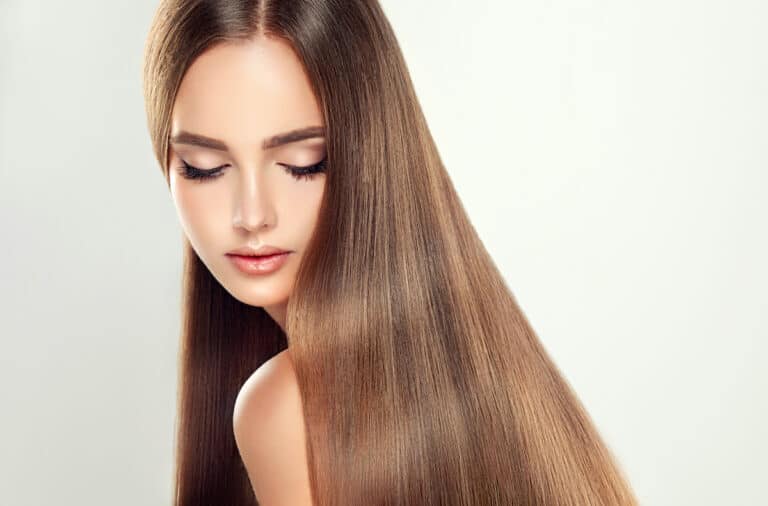

Hair Too Ashy After Toner – What To Do
Hair colour does not always turn out exactly as planned, especially when toner grabs more strongly than expected and leaves the finished shade looking too cool, grey, blue, or green.
Whether your hair was coloured at a salon or toned at home, the result can look very different from the shade you pictured, particularly on lightened or porous hair.
Ash-toned hair is popular because it can soften unwanted warmth, but using too much cool pigment can leave hair looking over-toned.
Toner is often used after lightening or colouring to adjust the visible tone of the hair. Depending on the formula, it can soften yellow, orange, or other unwanted warmth and help create a more balanced finish.
Because toner usually works by depositing colour rather than dramatically lightening the hair, choosing the right shade and processing time matters.
Ash toner adds cool-toned pigments, but if those pigments deposit too heavily, the hair can appear too ashy, dull, smoky, or slightly green.
So, what should you do if your hair is too ashy after toner?
Hair that looks too ashy after toner will often soften with washing. Start with the gentlest option, such as your regular shampoo, and only move to clarifying shampoo or a carefully chosen warm colour-depositing product if needed.
If the grey or cool cast is stronger than you wanted, avoid immediately adding more toner or bleach. Give the colour a chance to fade and assess the condition of your hair first.
Below, we will cover the least aggressive ways to fade excess ash, when a warm colour-depositing product may help, and when it is safer to let a stylist correct the tone.
What Does Ashy Mean?
In hair colour, ash describes a cool tone used to reduce the appearance of unwanted warmth or brassiness.
Ash shades can lean blue, violet, grey, or green depending on the level of the hair and the colour formula being used.
Ash tones can be seen in a wide array of tones and can be used with many different hair colours.
Compared with golden, copper, or red shades, ash colours are designed to look cooler and less warm.
Often, ash toners are used to neutralise or eliminate brassiness, which is also a frequent issue with colour-treated hair, especially hair that has been bleached.
Ash pigments can visually counter unwanted warmth, which is why cool toners are commonly used after lightening.
This is based on colour theory: opposing tones can neutralise one another. The exact pigment needed depends on whether the unwanted warmth looks yellow, orange, or red.
Ash tones are present in many hair colours.
Although cool-toned colour can look polished, too much ash can make hair appear grey, greenish, muddy, or darker than expected, especially on very light or porous sections.
Why Can Hair Turn Out Too Ashy?
There are several reasons hair can look too ashy after toning. A common factor is high porosity, which is often seen in hair that has been repeatedly lightened or chemically processed.
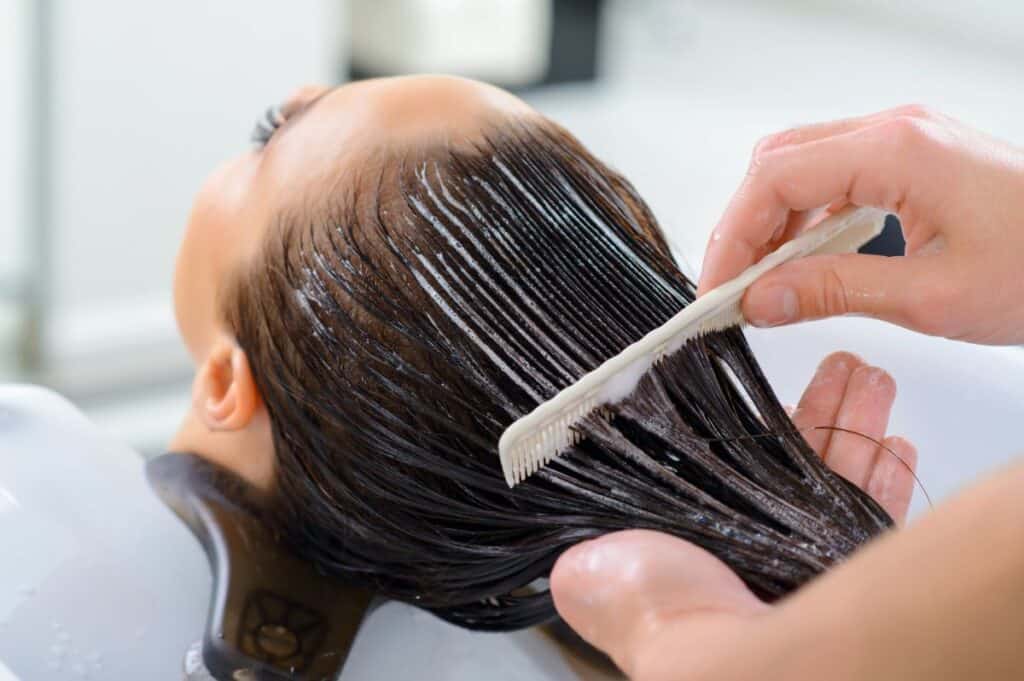
Porous areas may take up colour unevenly or more intensely, so cool pigment can look stronger on the most processed parts of the hair.
This can leave the ends or highlighted sections looking smokier or greyer than the rest of the hair, even when the same toner was applied throughout.
Other causes include choosing a toner that is too dark or too cool for the starting shade, using a highly pigmented formula, or processing it longer than needed.
Application method can matter too. Some toners are designed for damp hair, while others are formulated for dry hair, so follow the instructions for the specific product rather than assuming one method works for every toner.
Toner does not usually lift the hair significantly, but depositing cool pigment can make the finished colour look deeper or darker than it did before toning.
If the shade is not correct for the desired outcome, it can leave hair looking dull.
If the toner is left on the hair for too long, that can also cause the hair to appear too ashy.
Toner is used after colour-treating hair to neutralise any unwanted tones, especially when treating hair with bleach.
Lightening the hair with bleach will often leave behind brassy tones such as orange or yellow.
Toner is used to neutralise these shades, and with ash toners in particular, is meant to give a more platinum, cool-toned finish.
If a depositing toner is left on longer than recommended, more cool pigment may remain on the hair, increasing the chance of a grey, violet, blue, or greenish cast.
Which Hair Colours Show Ashiness Most Easily?
Ash is a tone that can appear in a wide range of different hair colours.
It is most commonly seen in blonde or platinum hair colours.
However, there has been a trend in recent years of ash-toned brunette shades that have become increasingly popular, like the popular “mushroom brown” or ash brown.
There has also been a massive trend of uber-platinum to silver or grey, cool-toned hair.
To achieve a silver or grey shade of blonde, an ash toner can be used on properly lightened and colour-treated hair.
The shade can also be maintained with an ash toner to prevent any eventual brassiness from occurring.
Can Colour Ashiness Be Fixed?
In many cases, excess ash is temporary and becomes less noticeable as the toner fades through normal washing.
If washing does not soften the result enough, a stylist may correct the tone by adding a carefully selected warmer pigment. At home, a warm colour-depositing conditioner or mask can sometimes help, but it is easy to over-correct porous hair.
Because ash tones are used to reduce warmth, adding a small amount of the appropriate warm tone can bring balance back to hair that looks overly cool.
The correct warm shade depends on what you are seeing. For example, hair that looks slightly blue or smoky may need a different correction from hair that looks distinctly green.
When in doubt, use less pigment than you think you need or ask a colourist to formulate the correction, particularly if the hair is very light, bleached, or unevenly porous.
You can try a colour-depositing hair mask, like this one from Four Reasons, in a carefully chosen warmer shade to help soften an overly cool result.
However, use it in small amounts for short bursts to avoid over-correcting.
Best Methods to Fix Ashy Hair
If you want to soften hair that looks too ashy before returning to the salon, start with your normal shampoo and lukewarm water. Avoid very hot water, which can be uncomfortable for the scalp and unnecessarily drying for freshly processed hair.
A depositing toner often fades gradually with washing, so one or two normal washes may be enough to take the edge off an overly cool result.
Avoid repeatedly shampooing several times in one day. If your hair has just been bleached or feels fragile, space out washes and follow with conditioner so you do not trade a colour problem for extra dryness or breakage.
If regular shampoo is not enough, a clarifying shampoo may help the deposited toner fade faster.
Clarifying shampoo, like this one from Redken.
It is a product formulated to provide a deeper clean for your hair, targeting product buildup, excess oils, and is generally stronger than your regular shampoo.
Because clarifying formulas are designed to remove buildup more thoroughly, they can also speed up fading of some deposited colour. Results vary depending on the toner, hair porosity, and how recently the colour was applied.
Clarifying shampoo is useful when needed, but it should not be treated as an everyday shampoo, especially on lightened or dry hair. Follow the product directions and condition afterwards.
A clarifying shampoo will remove any product buildup, excess oil, and hair pollutants that your regular shampoo might miss.
If your goal is to fade excess toner, a strongly colour-preserving shampoo may work against that goal. Still, choose a cleanser appropriate for your hair condition rather than using the harshest option available.
There are also many colour-depositing hair masks, like the one we mentioned previously. from Four Reasons.
And treatments available on the market that can be used to deposit a different tone to the too-ashy locks.
Colour-depositing masks and conditioners add temporary pigment and can be useful for tonal adjustments, but they do not all behave the same way and should be used according to their individual instructions.
For correcting excess ash, start conservatively. A short application or diluted use is easier to build on than an overly warm result that then needs another correction.
If the colour is very uneven, distinctly green, much darker than expected, or the hair feels compromised, returning to a stylist is the safer choice. A colourist can assess the underlying tone and porosity before adding corrective pigment.
The correction is not always simply “add gold.” The right formula depends on the unwanted tone and your current hair level, which is why professional colour correction is helpful when the result is strongly grey or green.
How Long Does Ashy Toner Take To Fade?
There is no single fading timeline because it depends on the type of toner, hair porosity, starting colour, and how often you wash. A light deposit may soften after a few shampoos, while more pigmented toner can remain noticeable for longer.
If your hair is otherwise in good condition, give the tone a few washes before attempting a stronger correction. This is especially useful when the colour is only slightly too cool rather than dramatically green, blue, or uneven.
How To Maintain Cool-Toned Hair Without Over-Toning
Aside from depositing and neutralising hair colour, toners can also provide extra shine, which is sometimes needed when going for ashy tones.

Some toners use oxidative colour and developer, while others are direct-deposit or gloss formulas. Always check the product type before using it at home, and leave professional colour correction to a stylist if your hair is freshly bleached or fragile.
There are at-home products you can add to your hair care routine to refresh and tone your hair in between your trips to the salon!
First, based on your hair colour, deciding what type of toner is right for you will guide you in selecting the correct product.
Most toning products are used primarily to adjust tone rather than create major lift. Some glosses and conditioners can also improve the appearance of shine and softness.
If you are looking to maintain the ash tones in cooler hair colours, consider products that contain blue or violet pigments to refresh the colour.
Depending on your hair colour, a product like this colour-depositing deep conditioner from dpHUE comes in a variety of shades to suit your needs.
It is a colour-depositing conditioning treatment designed to refresh the appearance of colour and add shine between salon visits.
However, even if your hair is natural and not colour-treated.
On uncoloured hair, a depositing gloss may subtly enhance visible tone and shine, although the result depends on the starting colour and porosity.
If you have ash blonde hair, a toning product like this one from TRUSS, which is an in-shower, 10-minute treatment, will help to neutralise and correct any brass shades.
When used as a treatment after shampooing your hair, the violet pigments work to counteract any yellow or orange tones in your hair.
Follow with a moisturising conditioner if the product directions call for one, and monitor the tone so you do not keep adding violet pigment once the brassiness has been neutralised.
If you don’t want to add any semi-permanent colour but still want the shine afforded by a toner.
A clear glossing treatment like this one from dpHUE will provide you with high shine and soft locks.
A clear gloss is intended to add shine and conditioning without deliberately depositing a new colour tone, making it useful when you like your current shade but want a fresher-looking finish.
Especially with cool-toned ash shades, hair can sometimes appear dull in between sessions.
Very cool shades can sometimes look flatter or less reflective than warmer colours, especially when the hair is dry or highly processed.
A semi-permanent, clear glossing treatment, like the one mentioned above, will not only counteract any dullness apparent in ash-toned hair.
But it also gives you the appearance of freshly applied hair colour.
If you want to avoid any user error when it comes to toning your hair, take a look at this great video from hairdresser Sam Vay on YouTube explaining how to use toner properly.
Best Products For Colour Maintenance
After colour-treating our hair, we want to ensure the results last as long as possible.
Depending on our daily hair care routine, colour can sometimes fade sooner than we planned.
Aside from very pale blonde, most natural hair colours already have warm tones, so when going for an ash-toned shade.
Unwanted brassiness can start to show through earlier than expected, resulting in the need for more toner to neutralise it.
Making sure we take care of our hair is a must, especially if we want to preserve our colour, such as cool-toned shades.
Starting with the shampoo and conditioner you use, look out for products that claim to protect colour-treated hair.
Like this duo from Nexxus, it will help extend your colour between washes.
Shampoo and conditioner are used so frequently in our hair care routine, looking for colour-protecting formulas that are sulfate-free is also recommended.
A gentle, colour-safe shampoo can help reduce unnecessary fading. Sulfate-free is one option, but the overall formula and how often you wash matter too.
If yellow warmth starts returning, a purple pigment-depositing shampoo can be used occasionally to refresh cooler tones. How often you need it depends on your colour, porosity, and the strength of the product.
As warm tones are naturally occurring in most natural hair colours, and ash-tones can fade out of hair quickly.
Purple pigment shampoos, such as this one from Redken or this one from Joico, help maintain those cool tones.
Purple pigment is most useful for yellow tones. If your hair is distinctly orange, a blue-toned product may be more appropriate, while red undertones require a different approach. Using the wrong pigment can make colour correction more complicated.
After colour-treating your hair, especially with bleach, the locks can feel dry or require additional moisture.
Adding a conditioning hair mask can help improve softness and manageability after lightening. If colour preservation matters, choose a formula labelled for colour-treated hair.
A hydrating mask like this one from Pureology can help condition dry, colour-treated hair and make processed lengths feel softer and easier to manage.
Similar to purple pigment-depositing shampoo, neutralising hair masks such as this one from Redken cancel out errant brassy tones to extend the look of your cool-toned strands.
Too-Ashy Hair FAQs
Will ashy toner wash out on its own?
Often, yes. Many toners are designed to fade gradually, so an overly cool cast may become softer with normal shampooing. How quickly this happens depends on the formula and how porous your hair is.
Should I use purple shampoo on hair that is already too ashy?
Usually not if the problem is already too much violet or cool pigment. Purple shampoo adds more violet pigment, so it can make an over-toned result look even cooler. Save it for later, when unwanted yellow warmth begins to return.
Can I put warm toner over ashy hair?
A warmer deposit can sometimes rebalance overly cool hair, but the correct shade depends on the unwanted tone and your current hair level. Very light or porous hair can grab warm pigment quickly, so use caution or ask a colourist to formulate the correction.
When should I go back to the salon?
Professional help is a good idea if the colour is patchy, strongly green or blue, significantly darker than expected, or the hair feels stretchy, brittle, or fragile. In those cases, avoiding additional DIY chemical processing can help prevent further stress on the hair.
Conclusion
Switching up our hair colour can be a relatively easy change to our appearance, but we are often hesitant to make the jump because we are unsure of the results.
Knowing what the steps are in your colour treatment routine is a helpful guide in achieving the correct results.
Mistakes with hair colour can happen, but also knowing how to prevent those mishaps should alleviate any stress that can be caused by not receiving the correct shade.
Being able to fix those mishaps at home, without having to go back to the salon, is an ideal solution.
Fortunately, excess ash often fades with washing, so a dramatic chemical correction is not always necessary.
Ash tones can work across blonde, silver, and brunette shades, but the cooler the formula, the more carefully the pigment needs to be matched to the starting colour.
Over-toning hair to be too ashy can happen, leaving the hair too dark, grey, or dull.
The safest approach is to start gently and make one change at a time. Normal washing is the least aggressive first step; clarifying or warm colour-depositing products should be used cautiously, and fragile or unevenly coloured hair is best assessed by a professional.
Related Articles
Can You Mix Blue And Purple Shampoo?
Can Purple Shampoo Cause Hair Loss?