
How To Tone Hair To Ash Brown
Getting the exact ash brown hair color you want at home can be tricky because the right process depends on your starting level, whether your hair is virgin or previously colored, how porous it is, and how much warm pigment is underneath.
That matters because a formula that works on untouched level-6 hair can behave very differently on bleached, porous, highlighted, or previously dyed hair.
The safest approach is to identify your starting point first, then choose the least aggressive process that can reach your target and follow the instructions for the exact lightener, filler, toner, or color you plan to use.
Read on for a step-by-step guide to getting a light ash brown or mushroom-brown look at home, including where a salon may be the safer or more predictable option.
We will cover the types of products commonly used, what changes when you are going lighter versus darker, when a warm filler may be needed, and which shortcuts can create muddy, uneven, or overprocessed results.
Start with the section closest to your current level, but remember that previously colored hair may not respond like virgin hair at the same level.
If you are unsure about your starting level, porosity, or whether old permanent color is still present, a professional color consultation can help you avoid unnecessary bleaching and overlapping chemical services.
What Is Ash Brown Hair?
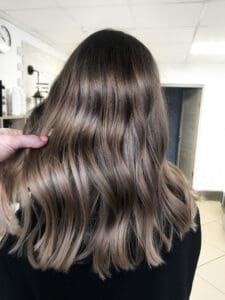
Mushroom brown is a related cool-toned brunette look, usually built from taupe, beige, grey, or muted brown tones rather than obvious golden or copper warmth.
Unlike warm caramel or coppery brunette shades, ash brown is designed to look cooler and more muted, with less visible gold, orange, or red.
The final result can read as taupe, smoky, beige-brown, or softly grey-brown depending on the formula, starting level, porosity, and underlying pigment.
Getting there is a different process for everyone because ash brown can involve simple deposit, filling, toning, lightening, or a combination of these.
If you are blonde, going darker may require replacing some of the warm pigment that was removed during previous lightening before applying the final cool brown.
If you are dark brown, the challenge may instead be lifting enough depth before you can see a light ash-brown result. Use the categories below as planning guidance rather than treating level alone as the whole formula.
The starting level is only part of the picture. Also consider whether the hair is virgin or dyed, its condition, porosity, and any previous bleach or chemical services before choosing a formula.
Going from brunette to Ash Brown
Light Brunette (Level 6)
The first step is to estimate your current color level and identify whether the hair is virgin or previously colored.
Use a hair-color level chart from a professional color brand as a rough guide. Photos on social media can be misleading because lighting, filters, and camera settings can change how a level looks.
The following process assumes you are around a level 6 brunette, want to stay near that depth, and are not trying to lift through old permanent color.
Instructions:
- Look for a demi-permanent or semi-permanent cool brown around your target level, such as 6A or a neutral-ash blend like 6NA. Shade codes vary by brand, so confirm what the letters mean on that brand’s chart and whether the formula is deposit-only or designed to work with developer.
- Read the instructions and safety warnings carefully. Perform any allergy alert test and strand test required by the manufacturer, wear gloves, and do not change the developer ratio, mixing ratio, or processing time on your own.
- Once the color is mixed, apply it exactly as the product directs. Do not assume that every formula should sit on the roots first for 10 minutes.
Some colors are applied root-to-end, while others use different timing on virgin roots and previously colored lengths.
Section the hair carefully, saturate evenly, and process only for the recommended time. - Optional: A color-depositing treatment such as the Christophe Robin Nutritive Mask in Ash Brown may help refresh cool tones between coloring sessions.
Use it according to the label and avoid overusing ash pigment if your hair starts looking flat, muddy, or overly grey.
Medium Brunette (Level 5)
Instructions:
- Optional: If your hair is virgin level 5, a high-lift color such as Igora Royal Highlight Cream may provide some lift when the manufacturer says it is appropriate. High-lift color does not reliably lighten previously dyed hair, and lifting can expose orange or red-orange undertones. Do a strand test first instead of assuming a cool shade can neutralize unlimited warmth or create several levels of lift by itself.
- Next, if the strand test shows the hair is at the right level and condition, apply an ash or neutral-ash brown demi/semi-permanent color around level 5, following that brand’s shade chart and instructions. If the hair is still too dark or strongly orange, depositing more ash alone may not create a true light ash brown.
- Use a conditioning treatment such as the Nutritive Mask by Kerastase if your hair feels dry after coloring. A mask can improve softness and manageability, but it cannot reverse structural damage from overprocessing.
Dark Brunette (Level 4)
- To reach a noticeably lighter ash brown from level 4 or darker, you may need to remove or lighten pigment first. This is the point where a professional colorist is often the safer choice, especially on previously dyed hair.
If you use an at-home lightener, perform a strand test, follow the kit directions exactly, and do not improvise a universal mid-lengths-roots-ends timing. Roots process faster from scalp heat, while porous ends may overprocess, so application order depends on your starting condition and the product instructions.
Do not plan on doing a second full bleach session after only two days. Repeated lightening can cause severe dryness, loss of elasticity, and breakage. If one session does not safely reach the target level, stop and reassess the hair’s condition before any further chemical service. - Once the hair is at an appropriate level and in good enough condition for another color service, apply the 6A, 6NA, or equivalent cool-brown formula according to its directions. Do not automatically start at the roots, extend processing time, or overlap onto fragile lengths unless the instructions call for it.
- Wash and condition with Kerastase’s Bain Force Architecte shampoo and conditioner or another gentle, conditioning routine suited to processed hair.
These products may help the hair feel smoother and easier to manage, but no shampoo or conditioner can fully reverse chemical damage once the fiber has been overprocessed. - Apply Kerastase’s Resistance Masque Therapiste or another conditioning mask as directed if the lengths feel rough or dry.
Follow the product’s stated timing rather than leaving a rinse-out mask on for hours unless the label specifically says that is appropriate.
Going Ash Brown From Blonde
Light Blonde (Level 9 or 10)
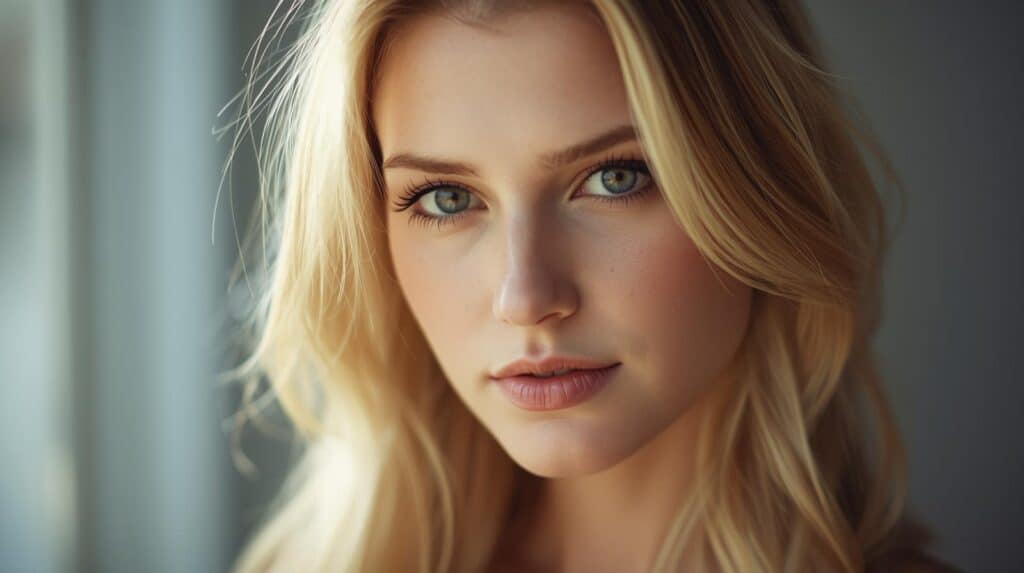
- Consider a warm filler before taking very light blonde hair down to brown. Hair at level 9 or 10 has lost much of the warm underlying pigment that helps brunette shades look balanced, so applying a cool ash brown directly can sometimes turn hollow, khaki, greenish, or muddy.
The exact filler may be gold, copper, or red-orange depending on how many levels darker you are going, the target formula, and the hair’s porosity. A strand test or professional formula is the safest way to choose it. - Next, apply the chosen demi- or semi-permanent cool brown according to its instructions.
Do not assume that a 6A or 6NA formula should always be applied to the roots first. Porous blonde lengths can grab cool pigment very quickly, so strand testing, even saturation, and careful timing matter more than a generic root-first rule. - Finish with a gentle color-care routine such as Oribe’s Gold Lust shampoo and conditioner. If orange warmth starts returning, Redken’s Color Extend Brownlights can deposit blue-violet pigment. Use it only as needed because overuse can make porous hair look dull or overly cool.
Dark Blonde (Level 7)
- If you are around level 7 and only need to go slightly darker and cooler, a demi- or semi-permanent level-6 ash/neutral-ash shade may be enough. Apply it according to that formula’s instructions rather than using a fixed root-first schedule, and strand test first if the hair is very porous or heavily highlighted.
- Use Redken’s Color Extend Brownlights only when unwanted orange warmth becomes noticeable. For regular washing, choose a gentle shampoo and conditioner that keep the hair comfortable rather than automatically using toning pigment every week.
Kerastase’s Resistance Bain Force Architecte Shampoo is one conditioning-focused option.
Final Thoughts
Your starting level and color history determine whether ash brown is mainly a deposit-only job, a fill-and-darken job, a toning job, or a lightening job.
The lower-risk route is the one that reaches the target with the least unnecessary bleaching, overlapping, or repeated chemical processing.
Always follow package directions and warnings, complete any required allergy alert and strand tests, wear gloves, and stop if you experience significant burning, swelling, blistering, or other signs of a reaction.
If the hair is heavily highlighted, previously box-dyed, very porous, breaking, or requires several levels of lift, professional color correction is usually more predictable than stacking multiple at-home processes.
Use the tips below as general planning guidance, but let the instructions for your specific color and lightener override generic internet rules.
A careful strand test is especially useful with mushroom brown because overly cool formulas can make porous hair look flatter, darker, muddier, or greener than expected.
Tips And Tricks
- Use a professional 1-10 level chart as a rough reference, with lower numbers representing darker hair and higher numbers lighter hair. Level systems can vary slightly by brand, and photos under different lighting are not precise enough for chemical decisions.
- When bleaching your hair, do not use one universal application order. Virgin roots often lift faster because of scalp heat, while porous ends may be the most fragile. Follow the product directions and your strand-test result.
- For dark brunette hair, especially previously dyed levels 3-5, one session may not reach a light ash-brown base safely. Do not schedule multiple bleach sessions only days apart; stop when the hair’s condition or the product’s maximum processing time says to stop, and consider a professional for further lifting or color correction.
- When dyeing or toning, follow the formula’s application order. Roots-first is not a universal rule, especially when the lengths are porous or previously colored.
- A demi-permanent gloss or toner can adjust tone or add shine, but it is not automatically necessary after every color service. Too many cool layers can make ash brown look muddy, flat, or overly grey on porous hair.
- A color application kit with gloves, clips, a tint bowl, and brushes can make sectioning and saturation easier during longer color applications.
- If you are unsure about committing to a darker shade, a demi-permanent color can be a lower-commitment place to start. Permanent color may still be appropriate for specific goals such as lift or resistant grey coverage, so choose the formula based on the job rather than assuming one category is always better. On porous or pre-lightened hair, remember that even demi-permanent color can stain or linger longer than expected.
Related Articles
Does Color Remover Damage Hair?
Best Color-Changing Foundations
Mixing Foundation With Moisturizer (What To Know)