Are There Benefits To Washing Hair Upside Down?
Washing your hair is one of the most familiar parts of a shower routine, but small changes in technique can affect how clean, tangled, or manageable your hair feels afterward.
The basic process is simple: wet the hair, cleanse the scalp, rinse thoroughly, condition the lengths, and rinse again.
Even so, there is more to a good wash day than simply applying shampoo and conditioner.
Your hair type, scalp oiliness, product buildup, water temperature, and how gently you handle wet hair can all influence the final result.
Choosing shampoo and conditioner that suit your scalp and hair needs is one of the most important parts of the process.
But what about washing your hair upside down? Does changing the direction actually make a noticeable difference?
Is there a benefit to washing your hair upside down?
Washing your hair upside down is not inherently better than washing it upright, but some people find it useful for reaching the nape and underside of the scalp, keeping rinse-off products away from the back, or encouraging temporary root lift. It can also make long hair tangle more easily, so technique matters.
There is no single “correct” washing position, but a few practical habits can make either method gentler and more effective.
Below, we’ll cover standard wash-day basics, how to try the upside-down method, and when it may or may not be worth using.
Is There A “Right” Way To Wash Hair?
There are a few good habits that can make hair washing more effective and reduce unnecessary tangling or irritation.
Understanding your scalp and hair type is the first step, especially when deciding how often you need to wash.
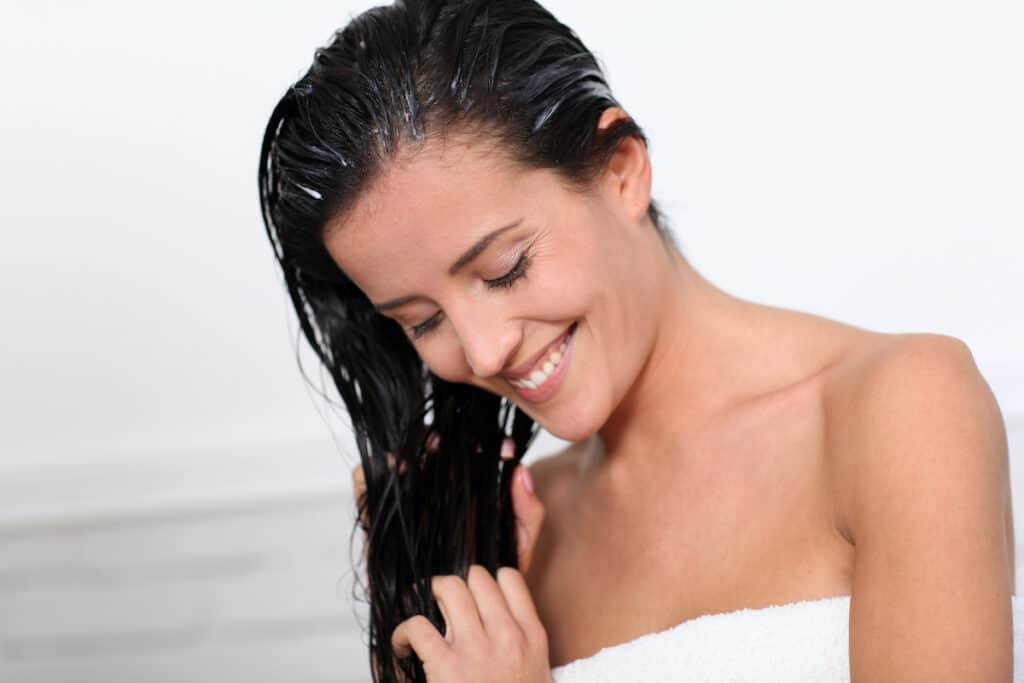
There is no universal rule that hair should or should not be washed every day. Some oily scalps do well with frequent washing, while drier, curlier, or more textured hair often needs less frequent cleansing.
Here are some of our best hair washing tips:
- Wash according to your scalp and hair needs rather than a fixed schedule. Fine or oily hair may need more frequent cleansing, while thicker, curlier, or drier hair can often go longer between washes.
- Curly and coily hair often benefits from less frequent shampooing because the lengths tend to be drier. How often you wash depends on buildup, scalp comfort, styling products, and your individual curl pattern.
- Before washing, gently detangle if your hair type tolerates dry detangling. Curly and coily hair may be easier to detangle when damp and coated with conditioner instead of brushing it dry.
- When you are ready to wash, fully saturate the scalp and hair with water before applying shampoo.
- Concentrate shampoo on the scalp and use enough to cleanse without overloading the hair. The exact amount depends on hair density, length, oiliness, and the shampoo formula rather than a fixed coin-sized measurement.
- Use comfortably warm or lukewarm water. Very hot water can feel drying or irritating for some scalps, but water temperature does not “open” or “close” the hair follicle.
- Massage shampoo gently with the pads of your fingertips. Avoid scratching with your nails or using aggressive friction, which can irritate the scalp and roughen wet hair.
- Try to keep the hair reasonably aligned instead of piling long lengths on top of the head and scrubbing them together.
This can help reduce tangling and friction, especially when hair is wet and more vulnerable to stretching.
Focus cleansing at the scalp and let the lather rinse through the lengths rather than aggressively rubbing the ends.
- Rinse shampoo thoroughly so residue does not remain on the scalp or lengths.
If you use heavy styling products, a lot of dry shampoo, or have significant oil buildup, a second shampoo can be useful.
It is not necessary for every wash.
- Apply conditioner mainly through the mid-lengths and ends, unless the product is specifically designed for the scalp.
Leave it on for the time recommended on the label, then detangle gently if needed.
Conditioner can improve slip and make wet hair easier to manage, but it does not need a fixed 5-to-10-minute wait unless the formula instructs it.
- Rinse thoroughly with whatever water temperature feels comfortable. Cool water may feel refreshing, but it does not literally seal the hair follicle.
- When drying, blot or squeeze out excess water with a soft towel or T-shirt instead of rubbing aggressively, which can increase friction and frizz.
For more ideas, take a look at this video from Brad Mondo on YouTube, all about the best tips for washing your hair and avoiding damage.
How To Wash Hair Upside Down
Once you know the basics, you can try the upside-down method if it feels comfortable and suits your hair length.
Use the same gentle washing steps as above. A handheld shower head can make rinsing the nape and underside of the scalp easier while you are bent forward.
For long or tangle-prone hair, detangle beforehand using the method that works best for your texture so you are not fighting knots while bent over.
Gravity does not make shampoo lather more effectively in any proven way, so use the same small, controlled amount of product you would use upright.
You can apply conditioner or other rinse-out products while bent forward if that makes it easier to reach the underside of your hair, but it is not necessary to keep every step upside down.
Keep handling gentle, especially if your hair is long, curly, bleached, or fragile, because changing direction can create extra tangles for some people.
You can blot the hair while bent forward if you plan to style for root lift, but avoid twisting or rough towel friction.
Do not stay upside down for long periods, particularly if the position strains your neck or back.
Move slowly when returning upright, and stop if you feel uncomfortable.
If you experience dizziness, vertigo, neck pain, back pain, or problems with balance, skip this technique and wash in a comfortable upright position.
Benefits Of Upside-Down Hair Washing
The most noticeable benefit some people get from washing or styling upside down is temporary root lift, especially if they dry or style the hair in that position afterward.
That extra volume is mainly a styling effect from changing the direction of the roots, not because upside-down washing changes the structure of the hair.
The position may make it easier to reach the nape and underside of the scalp, which can be useful if those areas are often missed during a normal wash.
It does not necessarily require less shampoo, so use the amount your scalp actually needs.
If shampoo or conditioner runoff tends to irritate your back or neck, rinsing forward may help keep more of that product away from the skin.
That can be useful for people who notice body breakouts or irritation where hair products frequently run down the back, although breakouts can have many causes.
Another practical advantage is easier access to the underneath layers near the nape and lower hairline.
People with very dense hair may find this makes it easier to direct water and shampoo to those areas.
However, an upright wash can clean just as thoroughly when you section dense hair and rinse carefully.
The real benefit is improved access, not a guarantee that upside-down washing removes more residue.
Differences Between “Normal” And Upside Down Washing
Although washing hair upside down can feel different from standard washing, the results depend heavily on hair length, texture, and technique.
If you have very long or tangle-prone hair, the method may create extra knots when you flip the hair forward and then back again.
Curly and wavy hair may look more lifted at the roots after upside-down washing or styling, but the method does not inherently make curls healthier or more defined.
Upside-down washing can create temporary volume, especially if you keep the roots lifted during drying.
This can be useful for fine or flat hair when you want more root movement without adding another styling product.
It may also help you pay more attention to areas of the scalp that are easy to miss, but it does not strengthen the hair or remove buildup better by itself.
What Hair Types Work Best For Upside Down Washing?
Most hair types can try upside-down washing, but it is not equally convenient for everyone.
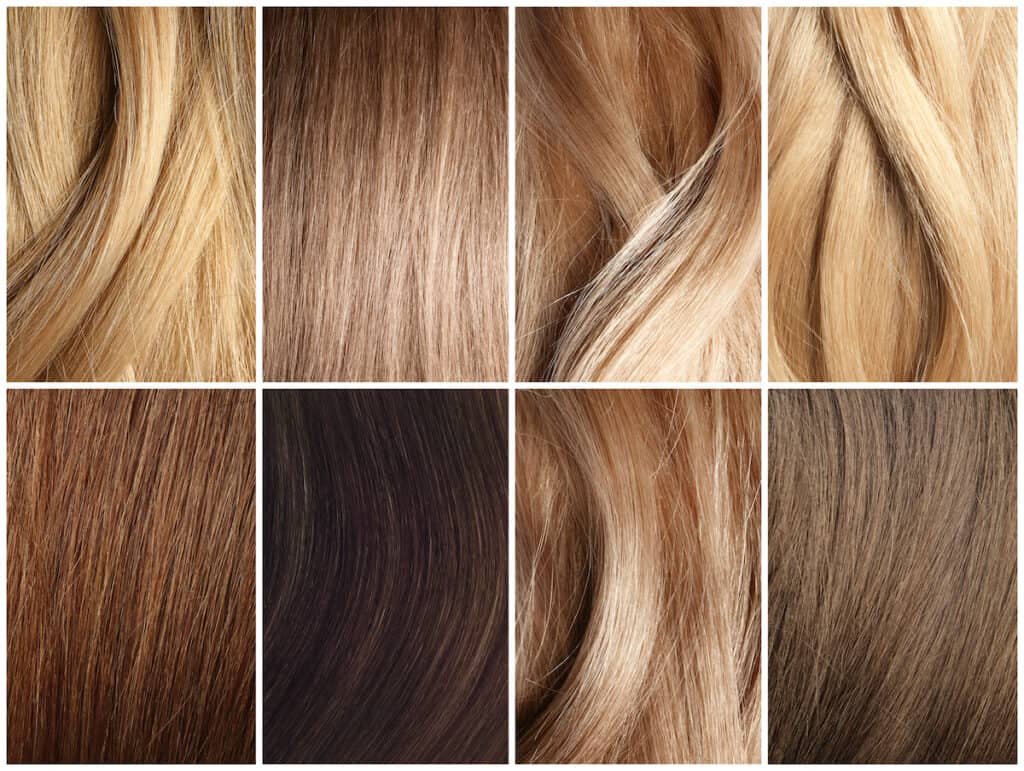
Fine, thick, straight, wavy, curly, and coily hair can all be washed this way if the position is comfortable and the hair does not become excessively tangled.
For curly hair, applying styling products with the head tilted forward can sometimes encourage root lift and help curls fall away from the scalp, but results vary by curl pattern and styling method.
Conclusion
Trying a different wash-day technique can be useful if your current routine leaves certain areas of the scalp hard to reach or your roots consistently fall flat.
Upside-down hair washing is not a secret treatment for stronger or healthier hair, but it can be a practical variation for easier access to the nape and a little extra root lift.
No matter your hair type, the most important factors are using products that suit your scalp and hair, handling wet hair gently, and rinsing thoroughly.
If the upside-down position is comfortable and gives you the result you like, it can be part of your routine. If it creates tangles, dizziness, or strain, there is no disadvantage to washing upright instead.
Related Articles
How To Wash Your Hair Without Getting Your Face Wet
Why Does My Hair Feel Sticky After Washing?