Why Do Nails Grow Faster With Acrylics?
Acrylic nails often get a bad reputation because poor prep, over-filing, rough removal, or excessive tension can damage the natural nail.
They are also a popular nail enhancement because they can add length, structure, and a durable surface for nail art.
When acrylic nails are applied, maintained, and removed carefully, they can be worn without automatically ruining the natural nail.
One common misconception is that acrylic nails make the natural nail grow faster.
In reality, acrylics do not increase the growth rate of the nail matrix. They can simply create a protective covering that may reduce breakage while the natural nail grows underneath.
That can make it easier to retain length, which may look like faster growth even though the nail is growing at its usual rate.
So, why do nails grow faster with acrylics?
Acrylics do not make your nails grow faster. They may help some people retain more length by reducing everyday breakage, and the visible gap near the cuticle makes normal growth easier to notice.
You may think your nails are growing faster simply because new growth at the cuticle is easier to see against the acrylic.
The gap between the old enhancement and new natural nail acts like a visual marker of growth.
If you maintain acrylics without excessive filing or trauma, you may also notice that your natural nails are able to keep more of the length they grow.
That can create the illusion of faster growth when the real difference is better length retention.
Proper acrylic care still matters because poor maintenance can lead to lifting, breakage, irritation, or thinning of the natural nail.
Acrylic cannot simply be peeled off like regular polish.
Careful application and removal help reduce unnecessary damage to the natural nail plate.
What Are Acrylic Nails?
Acrylic nails are one of the more durable types of nail enhancement.
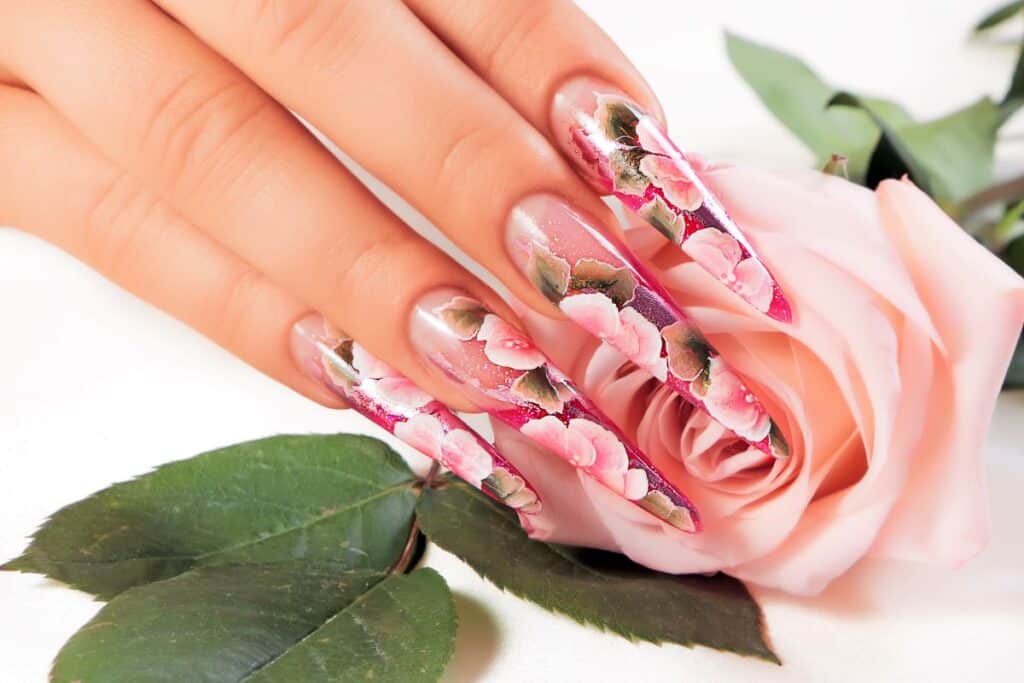
They are used to build structure and length over the natural nail plate.
Acrylics are not inherently “risky,” but problems can occur when the natural nail is over-filed, the enhancement is too long or heavy, lifting is ignored, or the product is removed aggressively.
They can create a durable manicure, but they do not heal, strengthen, or improve the biology of the natural nail underneath.
Acrylic nails are typically created by combining a liquid monomer with an acrylic powder.
The liquid and powder react to form a workable bead that can be sculpted before it hardens.
Once mixed, the bead has a moldable texture that allows the nail technician to shape the enhancement.
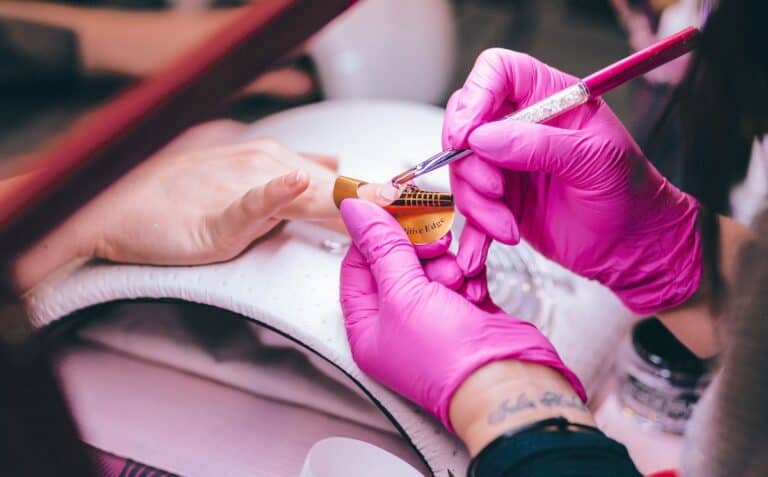
Nail technicians can build acrylic over natural nails, tips, or forms depending on the desired length and shape.
These tools provide support while the enhancement is sculpted and balanced.
Acrylics can be worn repeatedly, but safe wear depends on proper prep, reasonable length and weight, timely maintenance, and gentle removal rather than simply applying them “often.”
Who Can Get Acrylic Nails?
Acrylic nails can work for many people who want extra length, structure, or nail art.
They can be useful if you want to experiment with a new shape or temporarily protect nails that tend to chip easily.
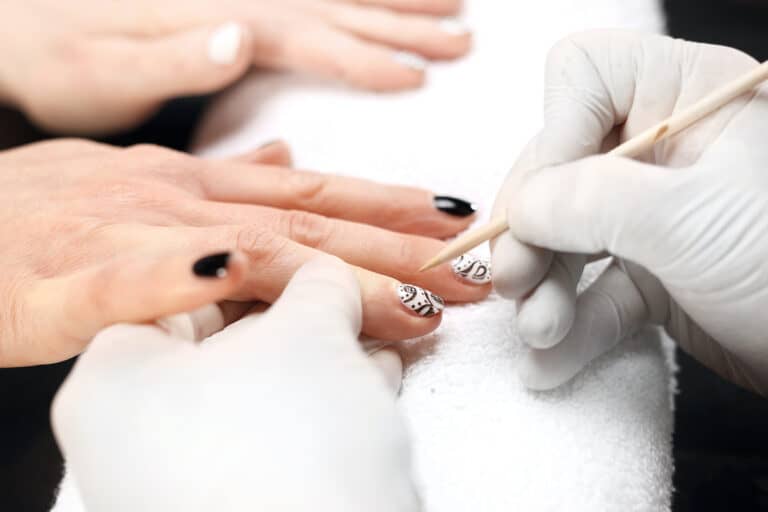
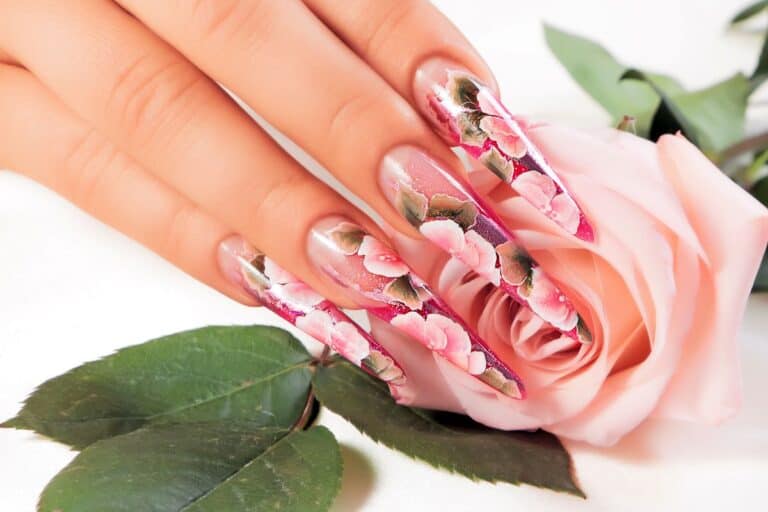
Acrylic provides a firm surface for detailed nail art and customized shapes.
Do your nails have to be a certain length to get acrylics?
Even if your natural nails are short, acrylic can still be applied as long as there is enough healthy nail plate for a safe attachment.
Very bitten, thin, painful, inflamed, or damaged nails may need time to recover before an enhancement is added.
Acrylic is used to create an artificial structure over the natural nail, so the finished length is not limited to the current free edge.
A skilled nail technician can choose an appropriate shape and length based on your nail plate, lifestyle, and how much weight the natural nail can comfortably support.
Benefits Of Acrylic Nails
Many people worry that acrylic nails will automatically damage their natural nails.
Most avoidable damage comes from over-filing, picking, peeling, prying, aggressive removal, or wearing lifting enhancements too long.
Acrylic itself does not provide medical benefits to the natural nail, but it can create a durable surface that may reduce some day-to-day breakage.
The enhancement is strong enough to add structure and can help protect the free edge from minor knocks and snags.
That does not mean acrylic can “withstand it all.” Repeated impact, using nails as tools, or very long extensions can still cause cracks or painful breaks.
Maintenance is commonly needed every 2 to 3 weeks, depending on growth, lifting, balance, and lifestyle.
Because acrylic can reduce some chipping and snapping, it may help you retain more of the length your nails naturally grow.
The coating does not stop all breakage, but it can add temporary structure while it is in place.
You can also adjust length and shape during a fill or rebalance appointment as your natural nails grow.
Can Acrylic Make Your Natural Nails Grow Faster?
Do your natural nails actually grow faster with acrylic?
Fingernails commonly grow around 3 millimeters per month, although the rate varies between people and even between fingers.
Factors such as age, genetics, health, season, medications, trauma, and nutrition can influence nail growth.
Acrylic nails do not increase the biological growth rate, but they may help preserve length by reducing some breakage.
That is why your nails may seem to grow faster while wearing acrylics: more of the new nail may remain intact instead of breaking at the free edge.
The gap between the acrylic and cuticle also makes normal growth much more obvious than it is on bare nails.
Over time, you may retain more natural length under acrylics if the enhancement is balanced and the nail plate is not damaged during maintenance.
Acrylic length and shape are customizable, which can make it easier to keep the nails at a manageable size while they grow.
So, acrylics can help you retain length, but they cannot make the nail matrix produce nail faster.
Your growth rate is mainly determined by biology and overall health, not the enhancement sitting on top of the nail.
How To Maintain Acrylic Nails
Your acrylic nails last best when they are maintained before they become excessively grown out, lifted, or unbalanced.
Nail care does not stop when you leave the salon.
At home, the goal is to keep the enhancement clean, dry after washing, free from lifting, and protected from unnecessary impact.
Even though acrylic is durable, avoid using the nails as tools to pry, scrape, open cans, or lift objects.
You do not need to avoid normal contact with water. Instead, dry your hands thoroughly and avoid prolonged soaking if your nails are already lifting or damaged.
You can also care for the surrounding skin and cuticles with regular moisturizing.
Cuticle oil can reduce dryness and improve flexibility around the nail, but it does not make the nail matrix grow faster or guarantee stronger new nails.
We recommend using a cuticle oil like this one from CND on Amazon.
If an acrylic cracks, lifts, or breaks, have it repaired or removed rather than gluing over a damaged area blindly.
DIY repairs can trap moisture or worsen a crack if you are not sure what has happened underneath.
How To Shorten Acrylic Nails
If your acrylics have become too long or grown out, a fill or rebalance appointment is a good time to shorten them.
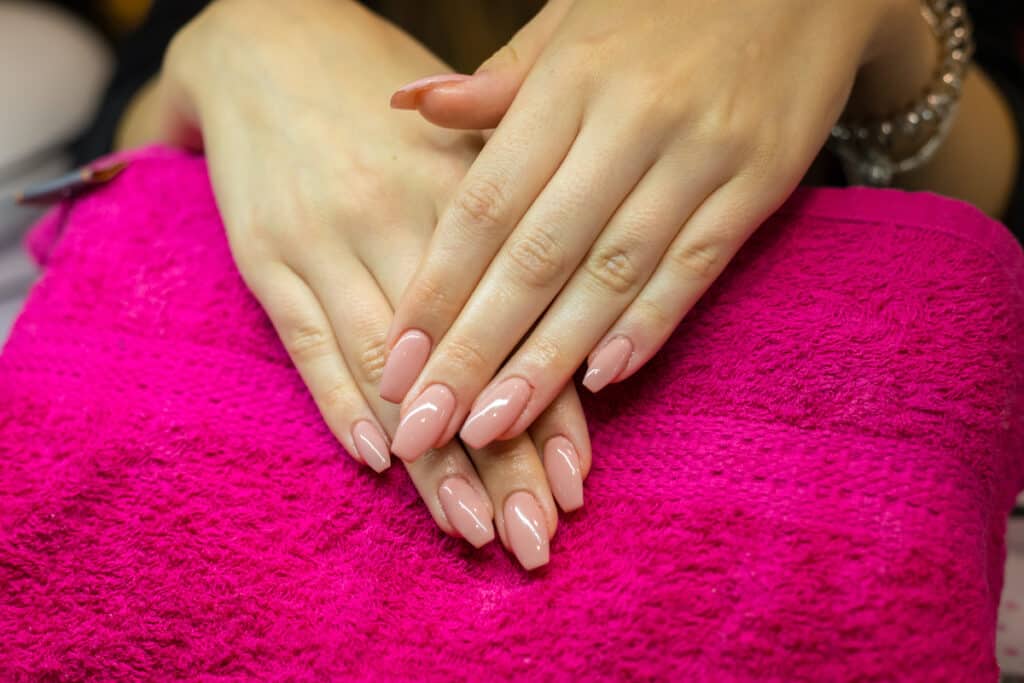
A fill replaces product near the regrowth area and restores the structure of the enhancement as the natural nail grows forward.
This helps rebalance the nail and can reduce the risk of leverage-related breaks.
As the nail grows, the apex and stress area move forward, so an overdue enhancement may become less balanced and more likely to crack.
You can also shorten the free edge during a fill so the nails remain comfortable and practical.
Seeing a nail technician is the safest option for major shortening or reshaping because they can preserve the structure while reducing length.
You can lightly file the free edge at home, but avoid cutting deeply into the acrylic or changing the apex if you are not familiar with enhancement structure.
If the nail is cracked, painful, or lifting significantly, have it professionally assessed instead of filing through the damage.
If you’d like to see the process of reshaping acrylics from long to short, take a look at this video below from YoungNailsInc on YouTube.
What Happens When You Remove Acrylic Nails?
Once you reach your desired natural nail length, you may decide to remove the acrylics.
After removal, the artificial layer is gone, so your natural nails may feel more flexible simply because the rigid acrylic is no longer covering them.
They are then exposed to normal bending, water, detergents, and daily wear again.
Your nails may also feel thinner than the acrylic enhancement, but that does not necessarily mean the natural nail was severely damaged.
If the nail plate was over-filed or peeled during removal, however, it may genuinely be thinner, rougher, or more sensitive until that portion grows out.
Length can be harder to maintain immediately after removal because the natural nail is no longer reinforced by the acrylic structure.
A gentle nail routine, moisturizer, cuticle oil, and keeping the nails shorter can help while the damaged or over-filed portion grows out. Nail hardeners are optional and can make some nails more brittle if overused.
Acrylic can be worn long term by some people, but regular wear is not automatically “safe” for every nail. Watch for thinning, pain, lifting, green discoloration, swelling, or persistent irritation.
Do Acrylics Damage Your Nails?
Acrylic nails can damage the natural nail, but the damage is often related to technique rather than the mere presence of acrylic.
Problems are more likely when the application, maintenance, or removal involves excessive filing, skin contact with uncured product, picking, peeling, or prying.
Working with an experienced nail technician can reduce those risks, especially if your nails are thin or already damaged.
Acrylic is durable, so poor shaping or removal can place a lot of force on the natural nail.
Never rip or pry acrylics off, because that can remove layers of the natural nail plate with the product.
Who Should Apply Acrylic Nails?
If you want acrylics to help you retain length, a licensed and experienced nail technician is usually the safest option.
A trained nail technician should know how to prep, apply, rebalance, and remove acrylic while minimizing unnecessary damage to the natural nail.
They can also decide when a fill is appropriate and when lifting or damage means the product should be removed instead.
If you eventually remove your acrylics, a nail technician can do so carefully and help you transition back to natural nails.
Doing acrylics at home is possible, but beginners should learn proper nail prep, monomer handling, ventilation, product ratios, structure, and removal before attempting full sets.
Poor technique can cause over-filing, lifting, allergic contact dermatitis, painful breaks, or damage to the natural nail.
Takeaway
While acrylics cannot increase the rate of nail growth, they may help you retain more length by reducing some everyday breakage.
Regular fills and rebalancing help keep the enhancement structurally sound as the natural nail grows out.
Acrylic nails provide a sturdy artificial coating, but they do not strengthen the natural nail permanently.
Acrylic is made from a powder-and-liquid monomer system that hardens into a sculptable nail enhancement.
Once the acrylic is removed, your natural nail returns to its normal flexibility. If it feels thin, sore, or damaged, give it time to recover and avoid adding another enhancement until the nail is comfortable.
Related Articles
Can You Put An Acrylic Nail On A Missing Fingernail Or Toenail?
Best Alternatives To Acrylic Nails
Can You Paint Over Acrylic Nails?