
Why Are My Toenails Growing Sideways?
If a toenail seems to be growing sideways, curving into the skin, or changing direction, pay attention to how you trim your nails, how your shoes fit, and whether the nail has recently been injured.
Sideways growth is often linked to pressure around the nail or the way the nail is cut, although naturally curved nails, previous injury, and nail disorders can also play a role.
Changes in a toenail’s shape, thickness, color, or direction of growth can sometimes point to a nail or foot problem, especially when the change is new, painful, or persistent.
A nail that starts pressing into the skin can become tender, red, or swollen, so it is better to address the cause before the area becomes more irritated.
Ingrown toenails are a common reason a nail may appear to grow sideways. They happen when an edge or corner of the nail grows into the surrounding skin.
Basic foot care can help reduce the everyday pressure that contributes to ingrown edges once you know what to avoid and how to trim toenails correctly.
Cutting toenails too short, rounding the corners, or repeatedly squeezing the toes into tight shoes can make it easier for a nail edge to press into nearby skin as it grows.
That pressure may cause tenderness when walking or wearing shoes, particularly around the big toe.
So, why are your toenails growing sideways?
The most common reasons include trimming the nail too short or rounding the corners, wearing shoes that crowd the toes, repeated injury, naturally curved nails, and conditions that thicken or distort the nail.
What looks like sideways growth can mean different things. The nail edge may be curving into the skin, or the entire nail plate may look distorted, thickened, or angled.
If the area becomes increasingly painful, develops pus or drainage, or the redness starts spreading, medical attention is more appropriate than trying to cut or dig the problem away at home.
What Causes Toenails To Grow Sideways?
There is no single cause of a toenail growing sideways. In many cases, more than one factor is involved.
Common causes include improper trimming, crowded footwear, toe trauma, naturally curved nails, and nail infections or disorders.
The first step is to look at what has changed. A new pair of shoes, an overly short trim, repeated running or sports pressure, or a recent injury can offer an important clue.
Even a routine task like cutting your toenails can encourage an ingrown edge if the corners are rounded, cut too deeply, or repeatedly picked at.
Other causes are less avoidable. Some people naturally have more curved nails or toe shapes that make ingrown nails more likely, while injuries can temporarily change the way a nail grows.
Here are the main reasons a toenail may start to curve or grow toward the side.
Improper Trimming
One of the most common preventable causes is trimming toenails too short or cutting deeply down into the corners.
Toenails are generally best trimmed straight across, with enough length left that the corners remain visible rather than buried below the surrounding skin.
Rounding or digging out the corners can leave a sharp nail edge that may grow into the skin as the nail lengthens.
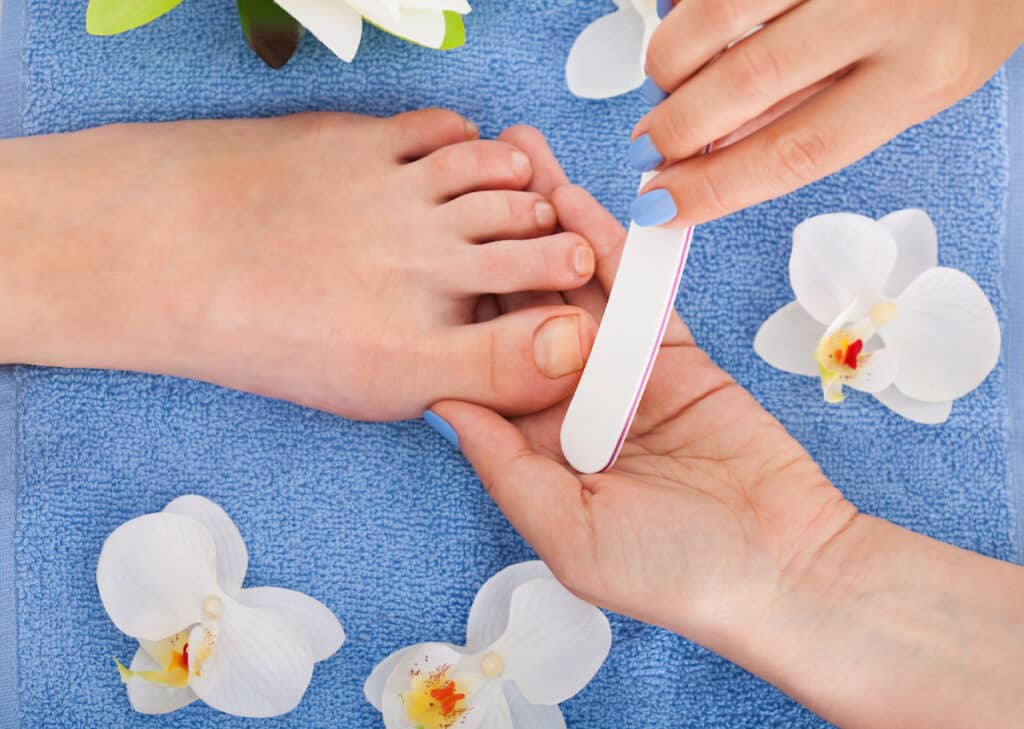
If you trim your nails at home, use clean, sharp toenail clippers, work slowly, and avoid trying to cut out a painful or embedded corner.
If you get pedicures, ask for the toenails to be trimmed straight across rather than deeply rounded at the sides.
A careful trim will not change your natural nail shape, but it can help reduce unnecessary pressure on the nail folds.
Fungus
You do not need frequent salon pedicures to keep toenails healthy. What matters more is regular washing, thorough drying, sensible trimming, clean tools, and noticing changes early.
Keep the feet clean, dry carefully between the toes, and use clean nail tools rather than sharing clippers or files.
Toenail fungus can make a nail thicker, brittle, discolored, crumbly, or distorted. As the nail changes shape, its growth may look uneven or angled.
Fungal nail infections are not simply a sign of poor hygiene. Fungi are more likely to thrive in warm, damp environments, and some people are more prone to infection than others.
If a nail is becoming thick, yellow, crumbly, or difficult to trim, it is worth getting the cause checked because fungus can resemble other nail problems.
Keeping feet dry and changing out of damp socks or shoes can help create a less favorable environment for fungal growth, although it does not treat an established nail infection on its own.
Genetics
Your natural nail and toe shape can influence how a toenail grows.
Some people have nails that are naturally more curved from side to side, which can make the edges more likely to press into the surrounding skin, especially after an overly short trim.
A pedicure can keep the nail neat, but it cannot permanently change your natural nail anatomy. If curved nails repeatedly become painful or ingrown, a podiatrist can help you manage them safely.
Tight Shoes
Shoes that are too narrow or short can put repeated pressure on the toes and nail edges.
This is especially noticeable in footwear with a narrow toe box, including some sneakers, dress shoes, boots, and heels.
If your toes feel compressed, rub against the front or sides of the shoe, or overlap when you walk, the fit may be contributing to irritation around the nail.
Constant pressure can push the nail against the surrounding skin and may make an already curved nail more uncomfortable.
Choosing footwear with enough length and toe-box width gives the toes more room and can reduce this pressure.
Injury
An injury can also change the way a toenail looks, sits, or grows.
Dropping something on the foot, stubbing a toe, or repeatedly hitting the front of a shoe can cause trauma to the nail or nail bed.
After an injury, the new nail may grow with a ridge, temporary distortion, or a slightly different direction while the affected portion grows out.
Toenails grow slowly, so changes caused by trauma can remain visible for many months while new nail gradually replaces the damaged portion.
If an injured nail becomes very painful, turns unusually dark without an obvious reason, lifts significantly, or shows signs of infection, have it checked rather than trying to remove it yourself.
Foot & Toe Shape
The relationship between your nail plate, toe shape, and surrounding skin can affect how much room the nail has as it grows.
For example, a wide or strongly curved nail may press more easily against the side of the toe, especially when combined with snug shoes.
The surrounding nail folds can also sit close to the nail edge, making certain toes more prone to irritation.
This does not always cause a problem, but it can make a toenail more likely to become ingrown if it is cut too short, deeply rounded, or repeatedly compressed by footwear.
If the same toe keeps becoming painful despite careful trimming and better-fitting shoes, a podiatrist can assess whether nail or toe anatomy is contributing.
Health Conditions And Nail Disorders
According to the Cleveland Clinic, factors such as toe shape, nail trauma, improperly fitting shoes, and incorrect trimming can contribute to ingrown toenails.
Conditions such as diabetes, poor circulation, or reduced sensation in the feet do not necessarily make a nail grow sideways, but they can make even a small foot wound more serious and change how safely you should treat it at home.
Another nail disorder that can dramatically change nail shape is onychogryphosis, which causes a nail to become unusually thick, curved, and difficult to trim.
A severely thickened or distorted nail should be assessed by a podiatrist or other qualified healthcare professional, particularly if it is painful or hard to manage safely.
How Do You Know Your Toenails Are Ingrown Or Infected?
A sideways-looking nail is not automatically infected. An ingrown nail usually causes discomfort where the nail edge meets the skin, while infection is more concerning when there is drainage, increasing warmth, worsening swelling, or spreading redness.
Early irritation may improve with pressure relief and careful foot care, but infection should not be ignored or repeatedly trimmed at home.
Watch for a combination of pain, redness, swelling, warmth, or pus around the nail.
The pattern matters. Mild tenderness after wearing tight shoes is different from pain that is getting worse each day or redness that is spreading.
If symptoms are persistent, severe, or clearly worsening, stop trying to trim the corner yourself and get medical advice.
Tenderness Or Pain
Tenderness along one side of the nail is a common early sign that the nail edge is pressing into the skin.
Pain alone does not prove there is an infection, but it can indicate irritation, an ingrown edge, pressure from footwear, or an injury.
You may notice the discomfort most when walking, pressing on the toe, or wearing closed shoes.
At this stage, check the shoe fit, reduce pressure on the toe, and avoid cutting deeper into the sore side of the nail.
If the pain becomes intense, the toe starts draining, or home care is not helping, have the nail assessed.
Redness
Redness can appear when the skin beside the nail is irritated, inflamed, or beginning to become infected.
Tight shoes, repeated rubbing, and an ingrown edge can all contribute, so redness by itself does not confirm an infection.
Pay attention to whether the redness stays localized or begins to spread beyond the nail fold.
Spreading redness, increasing warmth, drainage, or worsening pain deserves medical attention.
Swelling
Swelling often develops when the skin around an ingrown nail becomes irritated.
A small amount of swelling can occur from pressure or friction alone, especially after a long day in tight shoes.
More significant swelling can also occur with injury or infection, so consider the other symptoms present rather than judging by swelling alone.
If swelling keeps increasing, is very painful, or is accompanied by drainage or spreading redness, contact a healthcare professional.
Do not dig into the swollen nail fold with clippers, scissors, or other tools, as this can injure the skin further.
Pus
Pus or cloudy drainage around a toenail is a stronger warning sign that the area may be infected.
At that point, it is safer to have the toe examined by a healthcare professional rather than trying to cut out the nail yourself.
This is especially important if you have diabetes, poor circulation, reduced feeling in your feet, or another condition that can complicate foot wounds.
Seek prompt medical care if drainage is accompanied by severe pain, spreading redness, fever, or feeling unwell.
How To Stop Toenails From Growing Sideways
Mild irritation can often improve once you remove pressure from the toe and allow the nail edge to grow forward instead of repeatedly cutting it back.
The goal is not to force the nail straight overnight. Instead, reduce pressure, avoid aggressive trimming, and correct habits that may be pushing the nail into the skin.
For severe pain, infection, repeated ingrown nails, or high-risk foot conditions, it is best to involve a doctor or podiatrist rather than relying on home treatment.
At home, the most useful habits are trimming straight across, leaving the nail at a moderate length, keeping feet clean and dry, and wearing shoes with enough room for the toes. Do not repeatedly cut an already painful corner shorter.
Trim Toenails Carefully And Correctly
The safest general approach is to trim toenails straight across instead of carving down into the sides.
Leave the nail long enough that its corners remain visible rather than cutting them below the surrounding skin or carving out the sides.
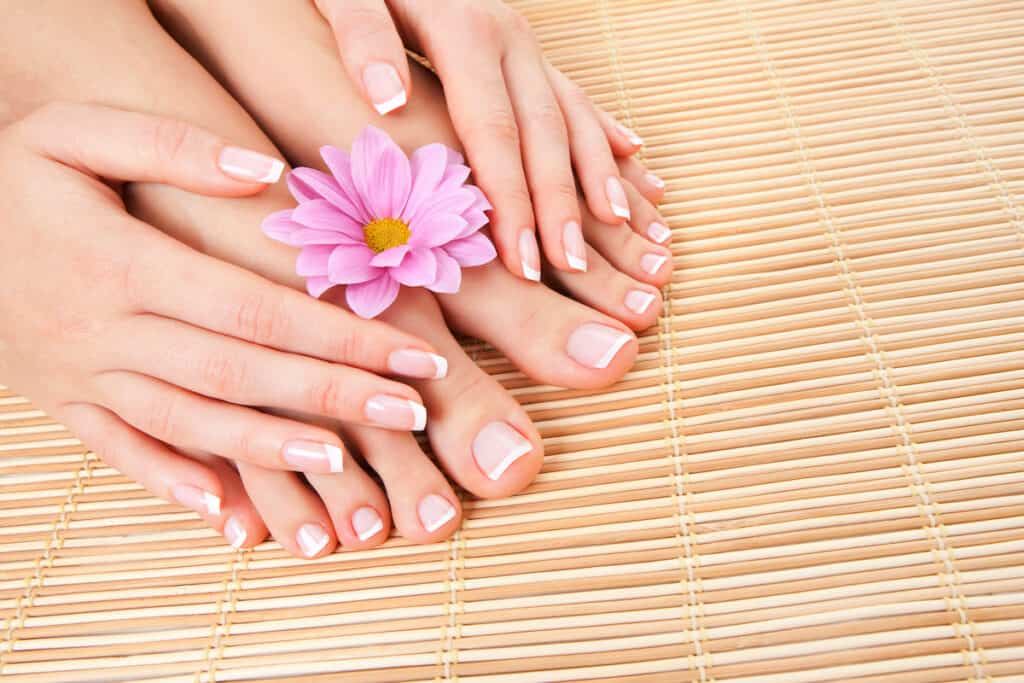
If a corner is already sore or embedded, do not keep cutting farther into it. Let the nail grow forward and seek help if the pain is significant.
There is no perfect trimming schedule for everyone. Trim when the nails extend beyond a comfortable length, which may be every few weeks for many people because toenails grow slowly.
A file can be used to smooth sharp or snagging edges after clipping, but avoid rounding deeply into the corners.
Switch Your Shoes
If your shoes squeeze the toes, switch to a pair with more length and a roomier toe box.
Your toes should be able to sit naturally without being pressed tightly together or pushed into the front or sides of the shoe.
Sandals or open footwear can reduce pressure temporarily when appropriate, but the main goal is a comfortable fit rather than simply going barefoot.
Better-fitting shoes cannot change the natural shape of a nail, but they can reduce repeated pressure and irritation around it.
Keep Feet And Toes Dry
Warm, damp footwear can create an environment where fungi are more likely to thrive.
Dry your feet well after bathing or exercise, change damp socks, and give sweaty shoes time to dry before wearing them again.
This is particularly helpful if you are prone to athlete’s foot or fungal nail problems.
Keeping feet dry will not force a sideways nail to straighten, but it supports healthy foot hygiene and may reduce the moist conditions that favor fungal problems capable of distorting a nail.
Be Careful With Cotton Or Gauze
You may see advice suggesting that cotton or gauze be placed beneath an ingrown nail edge to help lift it away from the skin.
This technique is not appropriate for every toe, and forcing material underneath a painful, swollen, bleeding, or infected nail can make the area more irritated.
If the nail is only mildly ingrown, ask a pharmacist, doctor, or podiatrist whether a lifting technique is appropriate for your situation.
Never push cotton, tools, or sharp objects under a nail if doing so causes pain or bleeding.
If you have diabetes, poor circulation, reduced sensation, or signs of infection, skip DIY nail-lifting methods and seek professional care.
Use Toe Separators Carefully
If your toes tend to crowd together, a soft separator such as these from O.P.I. can create temporary space between the toes.
Toe separators are often used during pedicures and may feel comfortable for short periods when the toes are crowded.
They are not a treatment for an infected or deeply ingrown nail, and they should not be squeezed into footwear that is already too tight.
Stop using a separator if it causes numbness, rubbing, increased pain, or extra pressure on the nail.
Choose Footwear With A Roomy Toe Box
If your toe or nail shape makes you prone to pressure at the sides of the nail, footwear fit becomes especially important.
Look for shoes that match the width of your forefoot and leave enough room for your toes to lie naturally.
A shoe does not need to be marketed as “ergonomic” to be suitable. Fit, toe-box space, stability, and comfort matter more than marketing language.
Your toes should not feel cramped, rub continuously against the upper, or hit the front of the shoe as you walk.
If you are unsure about fit because of recurring toe pain or a foot condition, a podiatrist can help you identify the features that suit your feet.
Treat Fungal Infections Correctly
If a nail is thick, yellow, brittle, or distorted, do not assume it is fungus based on appearance alone. A clinician may need to confirm the cause before treatment.
Antifungal creams sold for skin infections can help conditions such as athlete’s foot, but ordinary skin creams do not reliably treat fungus inside the nail plate.
Confirmed nail fungus may require a nail-specific topical treatment, an oral antifungal medicine, professional thinning of the nail, or another plan based on how much of the nail is affected and your overall health.
A pharmacist, doctor, or dermatologist can help you choose an appropriate option and check whether other nail conditions could be causing the change.
See A Podiatrist
If the nail keeps growing into the skin, repeatedly becomes painful, or does not improve with sensible home care, it is time to see a podiatrist or other qualified healthcare professional.
A podiatrist specializes in foot and ankle care and can assess whether the problem is caused by nail shape, trimming habits, footwear pressure, injury, infection, or another condition.
They can also trim difficult nails safely, treat an ingrown edge, and advise you on footwear or ongoing nail care.
For a severe or repeatedly ingrown nail, a clinician may recommend a procedure to remove part of the nail edge. Treatment depends on the individual case.
Professional assessment is also useful when a nail is unusually thick, distorted, discolored, or painful and the cause is not clear.
How To Trim Your Toenails So They Don’t Grow Sideways
Good trimming technique is one of the simplest ways to reduce the risk of an ingrown nail returning or developing in the first place.
The key is to avoid cutting the nail too short or digging down into the corners in an attempt to make them look rounded.
You do not need complicated tools, but your clippers should be clean, sharp, and designed to handle toenails without crushing or tearing the edge.
A sturdy pair of toenail clippers or nail nippers and a gentle nail file are usually enough for routine care.
Trim In A Straight Line
Trim your toenails straight across, making small controlled cuts rather than one deep curved cut that removes the corners.
Keep the corners visible and leave the nail around the end of the toe instead of cutting it extremely short or below the surrounding skin.
This technique cannot prevent every ingrown nail, but it helps avoid one of the most common trimming habits that can encourage the nail edge to grow into the skin.
If a nail is very thick, painful, or difficult to reach safely, do not force the clippers. A podiatrist can trim it for you.
File In One Direction
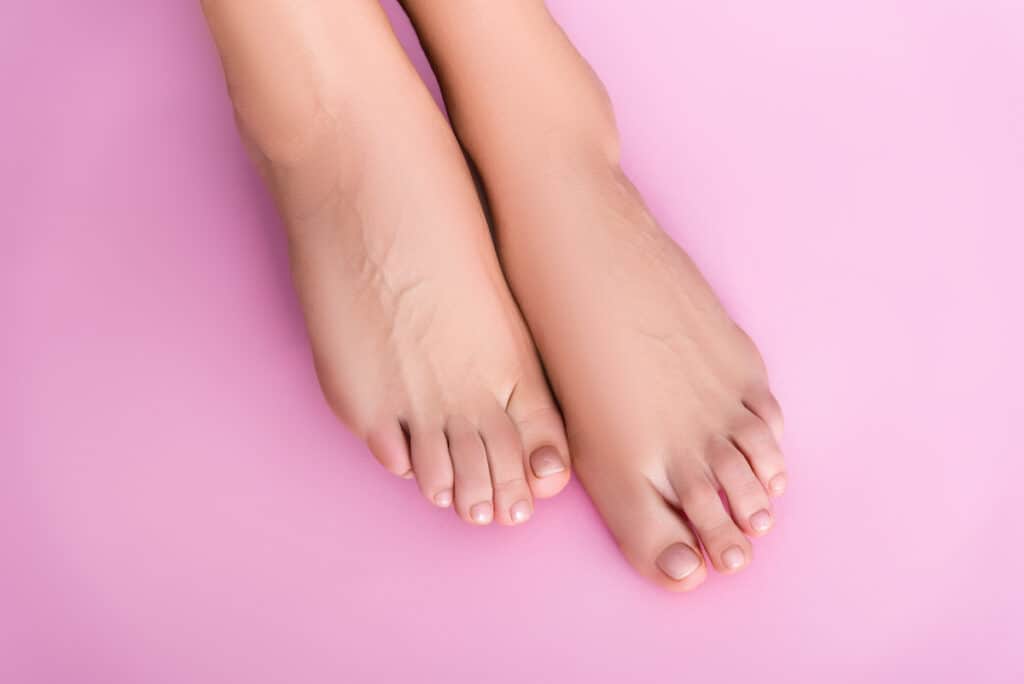
After clipping, you can file any sharp or rough edges so they are less likely to snag on socks.
Light, controlled strokes are gentler than aggressive sawing. The goal is to smooth roughness without thinning the nail excessively or filing into the sidewall.
Most importantly, avoid filing deeply into the side corners just to create a rounded shape, especially if you are prone to ingrown nails.
Avoid Rounded Edges
Aim for a straight or softly squared edge rather than cutting a deep curve into each side.
When the corners are cut too far back, the surrounding skin can sit in the path of the new nail growth.
That can make an ingrown edge more likely, particularly when shoes also put pressure on the toe.
You can gently smooth a sharp corner with a file without removing the corner entirely.
Give Your Toes Enough Room
After trimming, check that your everyday shoes give the toes enough room to move naturally.
A careful trim will not help much if the nail is immediately pressed against a tight or short shoe for hours at a time.
If you still feel pain or tenderness while walking, inspect the toe for redness, swelling, or drainage and switch to roomier footwear while you decide whether medical care is needed.
When To See A Doctor
See a healthcare professional if the nail is very painful, repeatedly ingrown, not improving, or becoming more red and swollen.
You should also get medical care for pus or drainage, spreading redness, fever or chills, or a significant nail injury.
If you have diabetes, poor circulation, or reduced sensation in your feet, it is safer to get professional advice early instead of cutting or lifting an ingrown nail yourself.
Frequently Asked Questions
Can A Sideways Toenail Grow Straight Again?
If pressure or trimming habits caused the problem, the nail may look straighter as new growth moves forward and the source of pressure is removed. Naturally curved, scarred, or repeatedly ingrown nails may continue to cause problems and are worth discussing with a podiatrist.
Should You Cut The Side Of An Ingrown Toenail?
Avoid digging down the side or cutting out a painful corner yourself. Cutting the edge shorter can leave a sharp piece of nail behind and may make the cycle repeat. Let the nail grow forward and seek professional help if the edge is embedded, very painful, or infected.
How Long Does A Sideways Toenail Take To Grow Out?
Toenails grow slowly, so visible improvement usually takes weeks to months rather than days. A nail altered by injury, infection, or fungus can take much longer to look normal because the affected portion has to grow toward the tip.
Can A Pedicure Fix A Sideways Toenail?
A careful pedicure can keep nails neat and reduce snagging, but it cannot permanently change natural nail anatomy or treat an infected ingrown nail. Tell the nail technician not to cut deeply into the corners, and choose medical care rather than a salon if the toe is painful, swollen, or draining.
Final Thoughts
A toenail that grows sideways is often related to trimming technique, shoe pressure, natural nail shape, injury, or a nail condition.
For prevention, focus on a few basics: trim straight across, avoid cutting too short or digging into the corners, wear shoes with a roomy toe box, and keep the feet clean and dry.
If the nail is only mildly irritated, removing pressure and allowing the edge to grow forward may be enough for the area to settle over time.
Do not keep digging into the side of a painful nail. Repeatedly cutting the corner shorter can leave a sharp edge behind and make the same problem return.
Thick, discolored, crumbly, or unusually distorted nails deserve a closer look because the cause may be fungus, previous trauma, or another nail condition.
If you do your own pedicure, keep the trim straight and conservative rather than chasing a perfectly rounded shape.
And if pain, swelling, or redness is getting worse instead of better, switch from DIY care to professional advice.
A doctor or podiatrist can determine whether you need simple nail care, treatment for an infection or nail condition, or a procedure for a recurrent ingrown edge.
The most important thing is to treat a painful, draining, or repeatedly ingrown toenail as a health issue first and a cosmetic issue second.
With sensible trimming and footwear habits, you can reduce many of the everyday pressures that make toenail edges uncomfortable.
A gentle pedicure can still be part of your routine, as long as the nail is not aggressively cut, picked, or treated over signs of infection.
Your feet may not get as much attention as your hands, but a little consistent care can go a long way.
Related Articles
Best Nail Files For Thick Toenails
Can You Put An Acrylic Nail On A Missing Fingernail Or Toenail?