
Paper Thin Nails After Acrylics – How To Strengthen Them
Removing acrylic nails can reveal natural nails that feel surprisingly soft, bendy, or paper-thin.
The contrast with a rigid enhancement can be noticeable, but peeling layers, soreness, or splitting deserve more attention than a change in feel alone.
You do not need an elaborate recovery kit. Start by reducing the things that bend, scrape, or dry out the exposed nail.
While acrylics offer extra length and structure, the nail underneath still needs careful preparation and removal.
If you’re working with your hands a lot, keeping the exposed nails short helps reduce catching and bending during everyday tasks.
Maybe you tried acrylics and didn’t love them, or maybe you enjoyed them but now want to give your natural nails a break.
After removal, you may notice that your natural nails feel unusually thin, soft, rough, or bendy.
That can be unsettling, but it does not automatically mean your nails are permanently damaged. The goal is to protect the nail plate while the affected portion grows out.
Your natural nails can still look neat and polished while they recover from an acrylic set.
The key is understanding what made them feel paper-thin so you can avoid repeating the same damage during your next manicure.
With acrylics, the biggest problems usually come from over-filing, aggressive prep, picking, peeling, or forceful removal rather than the mere presence of acrylic on the nail.
So, what should you do if you have paper-thin nails after acrylics?
Paper-thin nails after acrylics need time to grow out, plus gentle protection while they do. Keep them short, moisturize the nail and cuticle area, avoid picking or peeling product, and use a protective clear coat or nail strengthener if it works well for you.
The nail plate cannot truly “heal” itself once a layer has been removed, but new nail can grow in normally while you protect the thinner section from further splitting and breakage.
There are also alternatives to acrylics, although no enhancement is completely damage-free if the nail is over-filed or the product is removed incorrectly.
Below, you’ll find practical ways to care for thin nails after acrylics, what to avoid, and when it makes sense to get professional help.
Why Nails Can Feel Thin After Acrylics
Acrylic enhancements are applied over the natural nail plate after the surface has been prepared for adhesion.
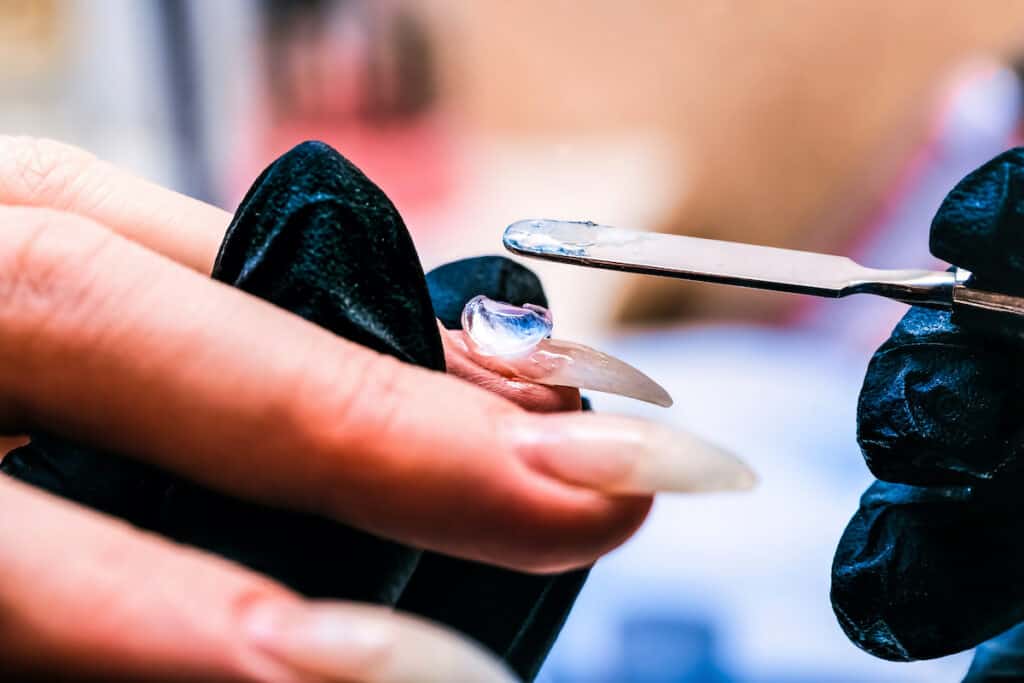
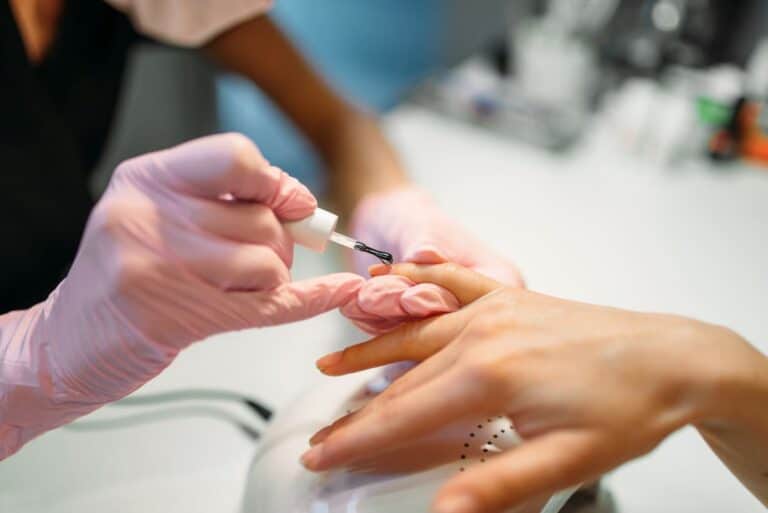
They are designed to last for weeks, so proper removal matters. A nail technician may file down the bulk of the product and soak the remaining acrylic rather than forcing it off.
During removal, acetone helps soften acrylic product so it can be gently lifted or pushed away without scraping aggressively at the natural nail.
If acrylic is peeled, pried, or pulled off before it has softened enough, layers of the natural nail plate can come away with it and leave the nail feeling noticeably thinner.
Over-filing during prep or removal can create the same paper-thin feeling. Stop further filing if it hurts. Redness, swelling, discharge, or worsening pain needs medical assessment rather than another coating or a wait-and-see salon treatment.
This risk can build over time if you frequently replace sets without allowing damaged nail to grow out or if each appointment involves aggressive filing.
Strengthening Your Nails After Acrylics
If you’ve chosen to take a break from acrylics and your nails feel thin or brittle, focus less on “repairing” old nail and more on protecting it while healthier nail grows from the base.
Fingernails grow gradually, so improvement is measured in weeks and months rather than days. MedlinePlus gives about four to six months for full fingernail replacement after nail loss. That is a useful growth benchmark, not a promise that every damaged nail will recover on that schedule.
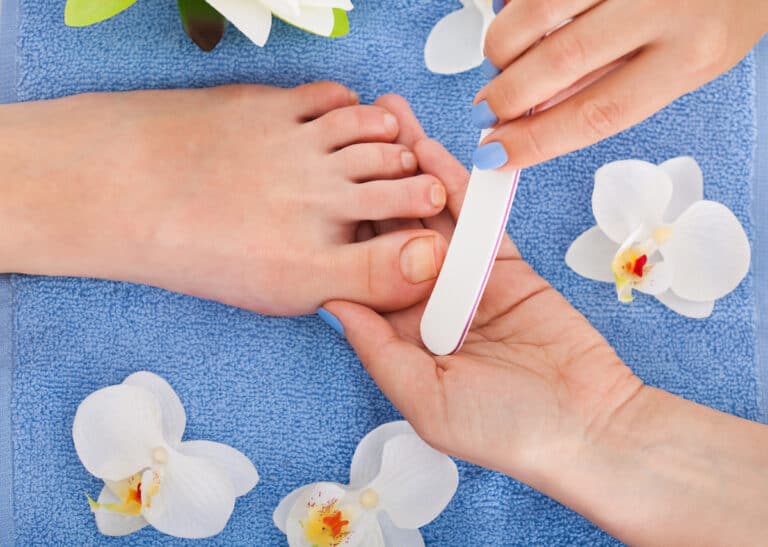
Keeping thin nails short and smoothly filed can reduce snagging and give the weakened edge less leverage to bend or split.
A qualified nail professional can help with gentle removal of remaining product. See a clinician for persistent tenderness, nail separation, new discoloration, or changes that continue in the new growth; those need more than a cosmetic assessment.
If you want to care for thin nails at home between appointments, start with the simple steps below.
1. Moisturize Nails And Cuticles
Thin nails can feel dry and brittle, so regularly moisturizing the nail plate and surrounding skin can help keep them more flexible and comfortable as they grow out.
Normal hydration matters for overall health, but drinking extra water is not a quick fix for nail damage if you are already adequately hydrated.
Using a plain hand cream or a cuticle oil you tolerate (like this one from CND) directly to the nail and cuticle area can help reduce dryness and improve flexibility, without replacing layers lost to filing. Reapply a tolerated moisturizer after handwashing, and stop any product that stings or causes a rash.
2. Use Gentle Nail Care Tools
The right tools will not rebuild a thinned nail plate, but they can help you avoid adding more mechanical damage while it grows out.
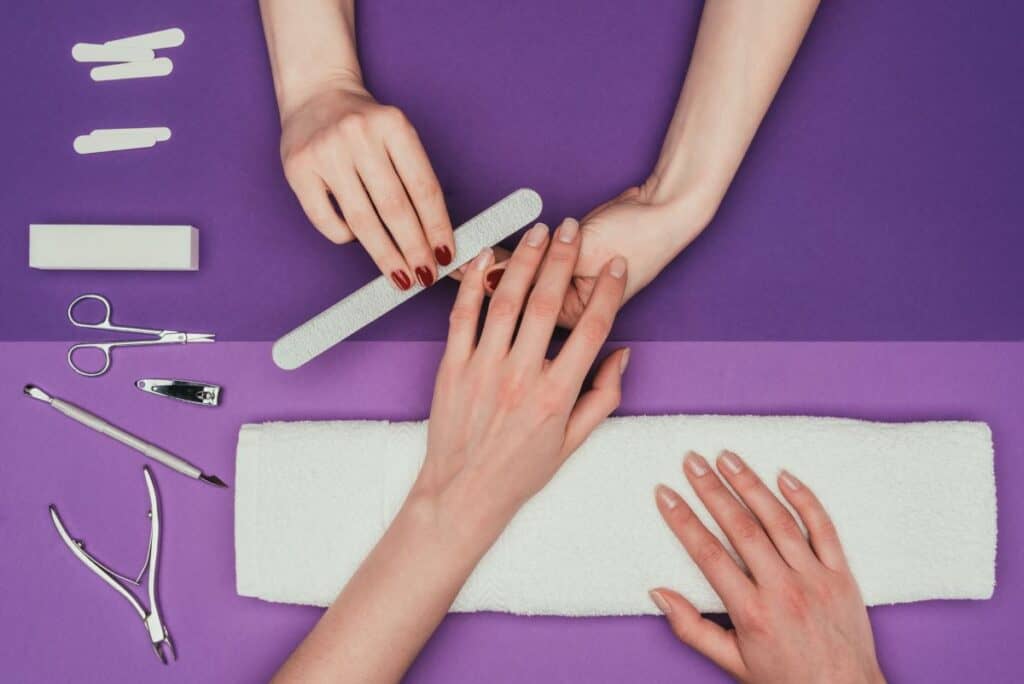
Keep sharp nail clippers and a fine-grit file on hand, and be gentle around the cuticle (or invest in a manicure set like this one on Amazon). Use only the tools you need. Avoid cutting cuticles, digging under the nail, or buffing ridges off the top: buffing removes more of an already thin plate.
3. Try A Protective Clear Coat Or Nail Strengthener
If you want your nails to look more polished while they grow out, you can use a plain polish or a clear base and top coat (this OPI base-and-top-coat set is one option). Choose ordinary air-dry polish rather than a system that requires surface filing or curing. Keep painful, lifting, or irritated nails free of cosmetic coatings until assessed.
A nail-strengthening product, such as one from this OPI line, may temporarily make weak nails feel more supported. Check the exact formula and directions; a hard coating does not mean the nail underneath has regained its thickness. Follow the product directions, and stop using it if your nails become more brittle, irritated, or excessively rigid.
Supporting Healthy Nail Growth
You may be able to grow longer natural nails again, but the thinned portion has to grow forward and be trimmed away over time. Keep length modest until the fragile edge no longer splits during normal use.
During that period, focus on reducing breakage with oil, hand cream, gentle filing, and protection from repeated soaking, harsh cleaners, and unnecessary scraping.
If your nails need to be filed, use a fine-grit file on clean, dry nails and smooth rough edges gently rather than sawing aggressively back and forth.
Work a small amount of nail or cuticle oil into the nail plate and cuticle area once or twice a day, especially after washing your hands or removing polish.
If your nails are extremely thin, consider taking a break from enhancements until the fragile section has grown out. Artificial nails do not “stunt” nail growth, but repeated prep and removal can add more stress to an already-thinned nail plate.
Avoid biting, picking, or peeling your nails or leftover product, since that can remove additional surface layers and make splitting worse.
Supplements are not a guaranteed shortcut to faster nail growth. Biotin and other nutrients are most useful when there is an actual deficiency, and high-dose biotin can interfere with certain laboratory test results.
Your nails, like your hair and skin, are influenced by overall nutrition and health, but topical damage from filing or removal still has to grow out.
If your diet is low in protein, iron, zinc, or other essential nutrients, addressing that deficiency may support normal nail growth.
Before starting a new supplement or making a major diet change, check with a physician or other qualified healthcare professional, especially if your nails have changed suddenly or you have other symptoms.
A balanced diet with foods such as eggs, fish, leafy greens, beans, nuts, and other protein-rich foods can help provide nutrients used in normal nail growth.
Protecting Your Nails
Once your nails feel stronger and less tender, the goal is to keep avoiding the habits that made them thin in the first place.
You may miss the extra length and shape acrylics provided, but you do not necessarily have to give up enhancements forever.
Before returning to the nail salon for enhancements, let the visibly thinned or peeling section grow out. Comfort alone does not confirm that the nail is ready for more filing. Discuss the previous damage and stop any service that feels hot or painful.
The best protection is simple: do not peel enhancements off, avoid unnecessary over-filing, and deal with lifting promptly rather than trying to glue loose areas back down.
Continue with the habits that help your natural nails stay comfortable, including regular moisturizing and gentle shaping.
Your nails benefit from consistent care, particularly if you frequently wear polish, gel, acrylic, or other enhancements.
Keep the nail and cuticle area moisturized, wear gloves for prolonged wet work or cleaning, and give thin nails time to grow out before another aggressive service.
Alternatives To Acrylic Nails
If you still want extra length or a polished manicure, there are several alternatives to traditional acrylics.
For example, you can ask your nail salon about gel enhancements, structured gel, or other services that suit your natural nails and lifestyle.
Gel enhancements are generally more flexible than acrylic, but that does not automatically make them damage-free.
The condition of your natural nail depends heavily on how the surface is prepared and how the product is removed, so either gel or acrylic can cause thinning if handled too aggressively.
Gel and acrylic also differ in feel, flexibility, removal method, price, and how often you may need maintenance, so the better choice depends on the service and your lifestyle rather than one being universally “healthier.”
Gel systems differ from one another. Some soak off, while others require filing for removal. Ask which system is being offered and how it will be removed before choosing it as an alternative.
If you like a lighter, more flexible feel, gel enhancements may be worth discussing with your nail technician.
If you want a lower-commitment option, you may also find press-on nails at your local beauty supply store or pharmacy.
Press-on nails can be a convenient alternative for short-term wear. They usually will not last as long as salon acrylics or gels, but they are easy to change when you want a different look.
They can also be simpler to remove at home when you follow the manufacturer’s instructions and avoid prying them off.
Even short-term adhesives can pull away nail layers during removal. Leave paper-thin or irritated nails bare rather than using press-ons to hide damage.
If you want more ideas for what to get instead of acrylics, check out our article on The Best Alternatives To Acrylics.
Overall Thoughts On Acrylics And Thin Nails
A good set of acrylics can still be part of your beauty routine if you enjoy them.
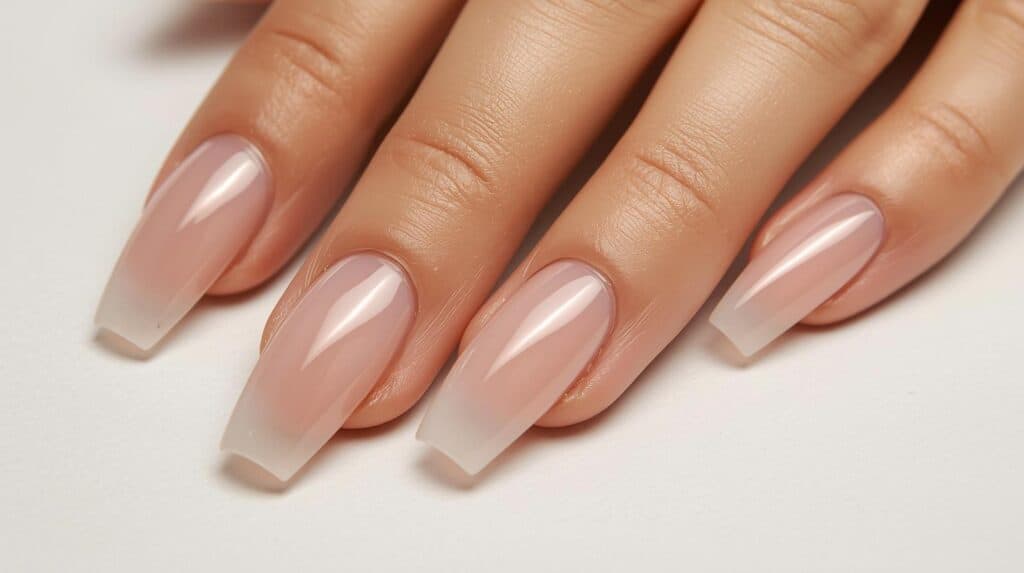
The important part is treating the natural nail underneath gently before, during, and after each set.
If your nails feel brittle or paper-thin, give them time to grow out and focus on moisture, short lengths, gentle filing, and careful removal rather than trying to cover the problem immediately.
Drinking enough water is part of general self-care, but the biggest difference for post-acrylic thinning usually comes from preventing further trauma to the nail plate.
Supplements are not necessary for everyone and will not replace damaged nail layers. If you suspect a deficiency or notice persistent changes in your nails, ask a healthcare professional before starting anything new.
Once the fragile section has grown out, you can reconsider natural nails, acrylic, gel, or press-ons with careful preparation and removal. While nails are damaged, protection matters more than adding length.
Related Questions
How Do You Use Press-On Nails?
Many press-on nail kits come with either adhesive tabs, nail glue, or both, so check the included instructions before you start.
Adhesive tabs are intended for shorter wear, but easier removal does not make them suitable for every damaged nail. Wait until the nail plate is intact and comfortable before trying press-ons.
On healthy nails, start with clean, dry nails, leave the cuticles intact, and choose sizes that fit without pressing into the surrounding skin. Follow the application and removal instructions, and never pry a resistant press-on off.
What Should I Do If My Acrylics Are Lifting Or Falling Off?
If an acrylic is lifting or coming loose, avoid peeling, prying, or gluing the lifted area back down. A salon can assess whether it should be repaired or removed.
A professional can reduce the product with a file and soak off the remaining acrylic without forcing it from the nail. Pulling or “popping” acrylic off can remove layers of the natural nail and make thinning worse.
If My Acrylics Are Growing Out, Do I Have To Get Them Taken Off?
No. If the acrylic is still secure and your natural nail is comfortable, you can usually book a fill or rebalance rather than removing the entire set. If you notice lifting, trapped moisture, unusual discoloration, pain, or swelling, have the nail assessed instead of covering the problem.
Regular fills are a normal part of acrylic upkeep because the enhancement moves forward as your natural nail grows.
Related Articles
Why Do Nails Grow Faster With Acrylics?
Best Alternatives To Acrylic Nails
Nail Hardener Vs. Nail Strengthener