
How To Remove Builder Gel — Complete Guide
Experimenting with nail designs, lengths, and shapes has been a popular beauty indulgence for several years.
Nail extensions are one way to change the length, shape, and finish of your manicure, and the style can be adjusted at future appointments as your preferences change.
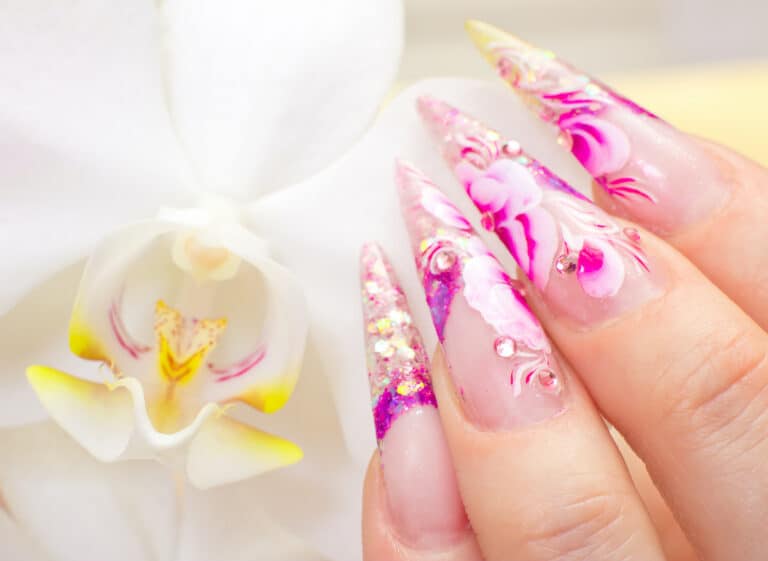
Whether it is long, short, stiletto, or rounded in shape, with a natural color or a bright, glittery polish, nail extensions offer a variety of styles and are a unique entity on their own.
Along with the evolution of nail shapes and designs, the methods for achieving these desired styles have also developed.
Natural nails remain a popular option, while light-cured gels have expanded the range of overlays, structured manicures, and extensions available in salons.
Beyond soft gel polish and acrylic enhancements, hard gel and builder-gel systems can add structure, reinforcement, and sometimes extension length.
Builder gels are thicker than ordinary gel polish and are used to create an apex, reinforce the natural nail, or build an extension. Their flexibility, strength, and removal method depend on the specific formula.
There are various options available in builder gel extensions, depending on your nail salon and the method you prefer.
As with acrylic or regular gel polish, careful application and removal are important because overfiling, peeling, or forcing product off can thin or damage the natural nail.
But once it is applied, how do you remove builder gel?
Builder gel removal depends on the formula. Soak-off builder gels can usually be thinned with a file and removed with acetone according to the manufacturer’s directions, while true hard or file-off builder gels must be filed down. If you are unsure which system you have, professional removal is the safest option.
Below, we will explain what builder gel is, how application differs between systems, and how to approach removal without assuming every builder product behaves like hard gel.
What Is Builder Gel?
Builder gel is a thicker gel product used to reinforce, sculpt, or extend nails. Some builder gels are hard/file-off gels, while others are flexible soak-off builder systems.
The hard gel material can be applied directly to your natural nail or over a pre-shaped extension to achieve the desired nail look you are after.
Builder gel is not automatically the same as hard gel. “Builder” describes what the product is designed to do, while the chemistry determines whether it is soak-off or file-off. Builder products are generally more structured than regular gel polish or Shellac.
Builder and hard gels are typically thicker and more structured than ordinary gel polish. Wear time varies with nail growth, product system, prep, nail length, and daily use rather than following a guaranteed 2-3 week schedule.
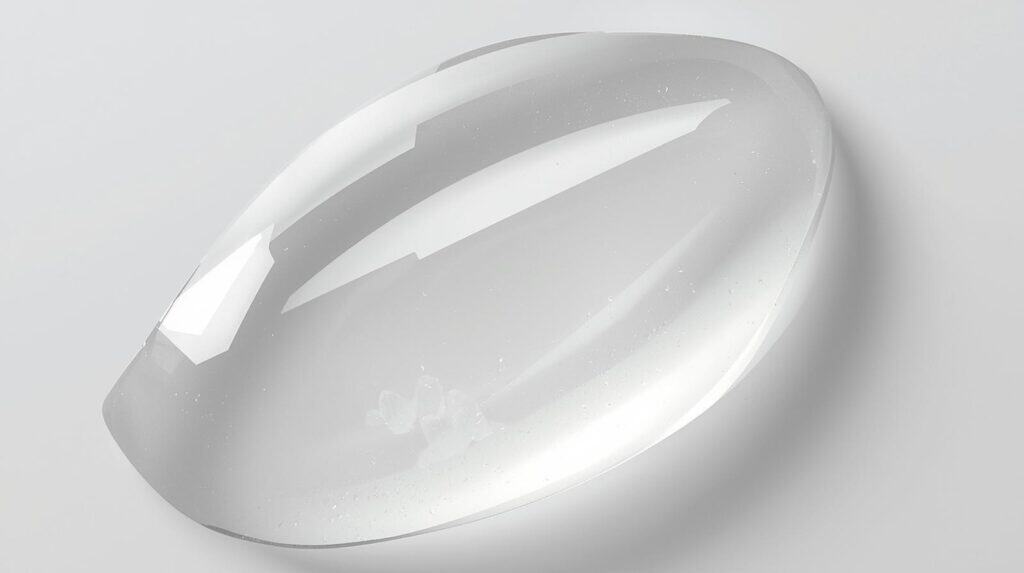
Builder gel can be applied as a thin structured overlay for a natural look or built into a more substantial extension, depending on the formula and technique.
Once applied, the gel is cured under the lamp specified for that product system. Both traditional UV lamps and many LED nail lamps cure using ultraviolet wavelengths, so use the manufacturer-recommended lamp and cure time.
During the application process, your nail technician can shape and sculpt the desired length and style of your nails, whether you want them to be a statement-making, long stiletto shape or a subtly lengthened, natural appearance.
After shaping, the builder layer is cured according to the product directions. Color gel can then be applied if desired and cured with the compatible lamp.
Builder gel is typically available in a range of natural tones, including clear, soft pinks, and neutrals, which can be applied and worn on its own if desired.
What Is The Application Process?
For extra length, a technician may sculpt over a nail form or use a compatible pre-shaped tip. The natural nail does not need to be long for every extension method, but enough healthy nail plate is needed for secure, appropriate application.
Nail former stickers are used to create a lengthened shape that uses your natural nail as the base.
The builder gel is layered onto your natural nail and the sticker to reach the desired length, and then is filed and sculpted into the desired shape.
Premade nail extensions come in different lengths and shapes. Some systems use a compatible gel adhesive or builder product to secure them, while others have their own dedicated bonding gel.
They are measured to suit your natural nail bed, saving your nail technician time by eliminating the need to file down the gel to create the desired shape from scratch.
The application time for a new set of builder gel nail extensions varies with removal, prep, length, sculpting, nail art, and the technician’s method.
First, the natural nail is cleaned and dried to prep for the long-wearing gel that will be applied on top.
Then, you choose between nail former stickers or premade nail extensions before builder gel is applied.
Builder gel is a thick, tacky gel that is applied to the nails, typically using a brush or applicator.
Your nail technician will apply the gel to the nail and begin to shape and lengthen it according to your desired specifications.
Once the builder gel is applied, it is cured in the compatible nail lamp for the time specified by the manufacturer. Under-curing can leave reactive material in the product, so lamp compatibility matters.
If a premade extension uses a light-cured gel adhesive, it is cured according to that extension system’s directions. Not every premade tip system uses builder gel as the bonding product.
Once the builder gel has set, the nail extensions are then filed down and fully shaped into the desired style.
The nail former stickers are removed, and your nail tech will work on perfecting the shape by filing, clipping, or buffing to the desired style.
After the length and style are achieved, the process then follows the steps of a typical gel manicure. Your chosen regular gel polish is applied and then cured under the UV lights.
Any designs are then created, and the process is finally finished with a top coat.
Builder gel can be worn alone when tinted or clear, or topped with compatible gel color, nail art, and top coat.
Builder gel can provide durable structure, but infill timing varies with growth, lifting, nail length, and product system. Do not leave lifting or cracks in place simply to reach a specific week count.
The builder gel extensions grow out with your natural nail, so how quickly your nails grow will also affect when you should schedule your next fill.
While the process is similar to having a new set applied, fill appointments take slightly less time, as they are mostly focused on filling in the new regrowth.
How To Remove Builder Gel
If you do not know whether your builder gel is soak-off or file-off, professional removal is the safest choice. A technician can identify the system and reduce the chance of overfiling or peeling the nail plate.
True hard gel is generally file-off, while soak-off builder gels are designed to soften in acetone after the surface seal is reduced. Check the brand’s removal instructions rather than testing acetone repeatedly on an unknown product.
Natural-nail damage can occur when gel is overfiled, peeled, pried, clipped from attached areas, or scraped aggressively.
File-off builder products are reduced carefully with a hand file or e-file, while soak-off builder products are generally thinned before acetone removal. E-files can remove product quickly, but they also make it easy to overfile the natural nail if used without training.
Careful filing can preserve the natural nail, but no removal method can guarantee zero damage, especially if the product has lifted, the nail is already thin, or the file reaches the nail plate.
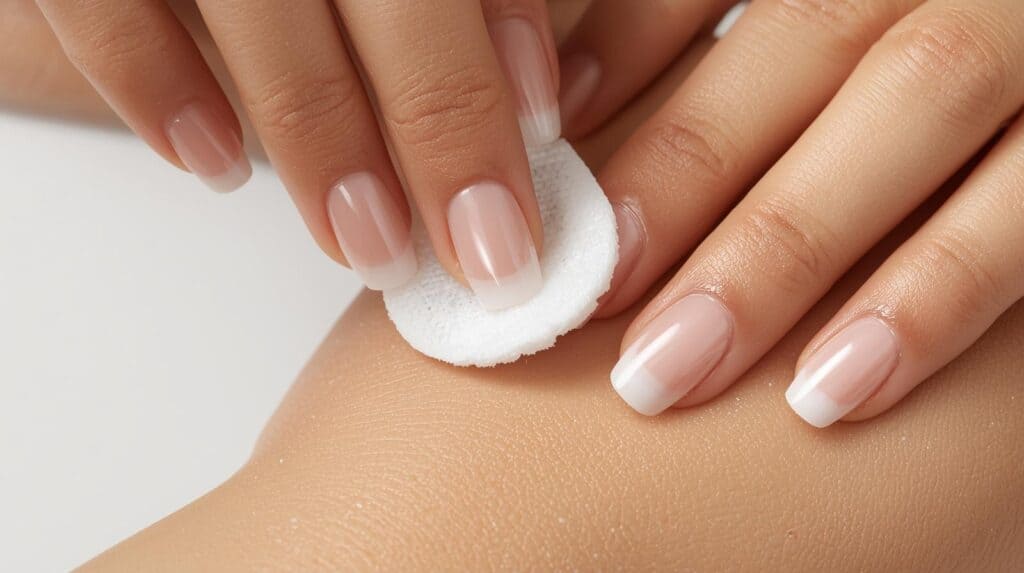
An electric nail file can remove bulk product faster than a manual file, but speed also increases the risk of overfiling. A trained nail technician is better positioned to judge when to stop filing and whether the remaining gel should be soaked, left as a thin protective layer, or removed further.
A technician may reduce the bulk of the product while leaving a very thin layer over the natural nail. If the remaining gel is a soak-off formula, it can then be removed according to the manufacturer’s acetone directions. Attached gel should not simply be clipped away from the nail plate.
Acetone is appropriate only for builder gels specifically designed to soak off, and the soak time varies by product. Follow the manufacturer’s instructions rather than assuming a universal 10-minute soak.
Softened product should release with gentle pressure. If it still has to be forcefully scraped, it usually needs more time or a different removal method.
If a thin layer of well-adhered gel is intentionally left in place, it can be maintained while the natural nail grows. Only free-edge length should be safely shortened; do not clip or pry attached gel from the nail plate.
Typically, when removing builder gel, the nail technician will clip away any excess length before filing.
As the natural nail grows, the free edge can be shortened at maintenance appointments while the remaining product is filed or filled as appropriate.
Professional removal can reduce the risk of damage, but overfiling is still possible, so careful technique and stopping before the natural nail is thinned are important.
Regular polish or another gel service can be applied after removal if the natural nails are intact and comfortable. If they are sore, peeled, or very thin, a simpler manicure may be more appropriate until the damage grows out.
If you are not looking to have the builder gel removed completely, but rather are looking for an infill appointment, the steps are followed in much the same way.
Your nail technician will file down the existing builder gel to a thin layer, creating an even base for applying the new layer of gel.
The new layer of builder gel will be applied over the entire nail, filling in where natural nail growth has occurred, and then cured under UV light.
The rest of the shaping and polishing process will resume as normal.
An infill may take less time than a full new set, while complete removal time depends on the product type, thickness, nail length, and whether another service follows.
Other Methods Of Removing Builder Gel
Some builder gels are specifically formulated to soak off with acetone, while hard builder gels are file-off. The product label or manufacturer’s instructions should determine which route you use.
For soak-off systems, the shiny top layer is often filed to help acetone penetrate. This can be done with a hand file; an electric file is not required for every at-home soak-off system and should not be used casually on the natural nail.
If the extension has a long free edge, shortening only that free edge can reduce removal time. Do not clip through product that is still firmly bonded over the nail bed.
Next, gently breaking the top-coat seal can help acetone reach a soak-off builder formula more effectively.
The deciding factor is the product chemistry, not simply how dense it feels. If the manufacturer describes the builder gel as file-off or hard gel, acetone will not be the primary removal method.
For a confirmed soak-off formula, once the surface seal has been reduced, you can wrap the nail in foil with an acetone-soaked cotton pad for the time specified by the brand.
Soak time varies considerably by formula and thickness. Do not assume every builder gel requires 30 minutes; check the manufacturer’s instructions and rewrap rather than forcing off product that remains firmly attached.
After soaking, loosened gel should lift with gentle pressure from a manicure stick. Do not aggressively scrape the natural nail.
Side Effects Of Builder Gel
Builder gel can be useful if you want structured, reinforced nails that support a specific shape, overlay, or extension style.
Builder gel itself does not automatically weaken the nail, but repeated overfiling, peeling, aggressive prep, or traumatic removal can leave the natural nail thinner and more brittle.
If product is repeatedly filed into the natural nail or removed forcefully, the nail plate and surrounding skin can become sore or sensitive.
If your nails become thin, peeling, painful, or unusually sensitive, pausing enhancement services can give damaged nail plate time to grow out and makes it easier to assess what is happening.
Persistent burning, itching, swelling, blistering, fingertip dermatitis, or nail lifting should not be dismissed as ordinary sensitivity. Gel and artificial-nail products can cause irritant or allergic contact dermatitis, including reactions to acrylate and methacrylate ingredients.
Nails do not need to “breathe,” but taking a break can allow damaged nail plate to grow out without additional filing or removal. A nail-strengthening treatment polish may reduce breakage for some users, but it cannot reverse damage already present in the nail plate.
A clear nail treatment or strengthening polish can provide a protective coating, but recovery mainly occurs as new nail grows out from the matrix.
Final Thoughts
Builder gel is one way to create structured overlays and extensions, but it is not a “chemical-free” alternative to acrylic systems. Gel nail products also contain reactive acrylate or methacrylate ingredients before curing, which is why avoiding skin contact and curing correctly are important. Regular polish and soft gels simply offer different wear and removal profiles.
You can achieve any look with builder gel polish, whether you want to stay close to your natural nail shape or try different lengths and shapes inspired by the trendy styles you see on social media.
You can switch up the style at your nail appointments to achieve your desired look, or keep your signature shape for each refill.
Builder gel can reinforce an overlay or extension when the formula, nail prep, structure, and curing system are compatible.
Wear time varies, and infill timing should be based on nail growth, lifting, cracks, and balance rather than a guaranteed three-week lifespan.
Long or pointed enhancements experience more leverage and can still chip, crack, or lift, especially with impact or excessive length.
If you decide to take the plunge and switch to builder gel nail extensions, one of the most important considerations is the removal process for the extensions.
Removal should match the exact product. If you do not know whether your builder gel is soak-off or file-off, have a professional nail technician remove it to reduce the risk of overfiling, peeling, or forceful scraping.
File-off builder systems are generally reduced with a hand file or e-file, while soak-off builder systems can be removed with acetone after surface filing according to the brand’s directions.
Your nail technician should identify the product type first and choose a removal method that leaves the natural nail intact rather than assuming every builder gel needs the same drill-and-acetone process.
Builder Gel Safety Tips
- Know whether it is soak-off or file-off: Check the bottle, salon product name, or manufacturer instructions before removal. Do not keep extending an acetone soak on a hard gel that was never designed to dissolve.
- Keep uncured gel off the skin: Liquid and partially cured acrylate or methacrylate ingredients can irritate skin and may trigger allergic contact dermatitis in susceptible people.
- Use the correct lamp: Gel chemistry and nail lamps are designed as a system. A lamp that does not adequately cure the product can leave more unreacted material behind.
- Do not peel enhancements off: Peeling can take layers of the natural nail plate with the product and leave nails thin and tender.
- Watch for allergy symptoms: Persistent itching, swelling, burning, blistering, fingertip dermatitis, or nail lifting warrants stopping the product and seeking medical or dermatology advice.
- Be cautious with e-files: Electric files remove product quickly and can also remove natural nail quickly. If you are not trained to control the bit, speed, angle, and pressure, professional removal is safer.
Builder Gel Removal FAQs
Can All Builder Gel Be Soaked Off With Acetone?
No. Some builder gels are soak-off, while hard builder gels are file-off. The product’s instructions determine the correct removal method.
Do You Need An Electric Nail Drill To Remove Builder Gel?
Not always. A hand file can reduce product, and soak-off builder may then be wrapped with acetone. E-files are faster for bulk removal but require more skill to avoid thinning the natural nail.
Should Builder Gel Be Scraped Off After Soaking?
Only softened soak-off gel should be nudged away gently. If you have to scrape hard or pry, stop and recheck the product type or allow more removal time according to the manufacturer.
Do Nails Need A Break To Breathe After Builder Gel?
Nails do not breathe. A break can still be useful if the nail plate is thin, peeling, painful, or damaged because it lets new nail grow out without another cycle of prep and removal.
Related Articles