
What Is Microchanneling?
Microchanneling is one of several professional skin-needling treatments used to improve the appearance of texture, fine lines, and some types of scarring or discoloration.
It is closely related to microneedling, and the practical differences often come down to device design, needle depth, treatment pattern, and provider technique rather than a completely different biological mechanism.
Because the procedure intentionally disrupts the skin barrier, it should be chosen based on your skin concern, medical history, pigment risk, current medications, and the experience of the provider.
Microchanneling is a skin-needling technique that typically uses a stamping-style device to create controlled vertical microchannels in the skin.
It is closely related to microneedling, although the device design and stamping motion may differ. Claims of faster recovery or superior results depend on the specific device, depth, and protocol rather than the name alone.
Both microchanneling and microneedling create controlled micro-injuries that may stimulate wound-healing responses and collagen remodeling, which can improve the appearance of certain texture and pigmentation concerns over time.
What is microchanneling exactly, and who is it for?
Microchanneling is a minimally invasive professional needling treatment that creates controlled microchannels in the skin. It may gradually improve the appearance of fine lines, certain acne scars, and uneven texture by triggering a wound-healing and collagen-remodeling response. It is not automatically more effective or gentler than microneedling, and results depend heavily on the device, depth, and provider technique.
Microchanneling and microneedling overlap substantially, so it is useful to compare the actual device and protocol rather than relying on the treatment name alone.
Both treatments may be considered for concerns such as fine lines, uneven texture, and some types of acne scarring or post-inflammatory discoloration, provided the skin is appropriate for needling.
Below, we explain what microchanneling is, who may or may not be a good candidate, how it differs from microneedling, what recovery can look like, and what aftercare matters most.
Microchanneling At A Glance
- What it is: a professional skin-needling procedure that creates controlled microchannels, often with a stamping-style device.
- What it may help: uneven texture, fine lines, and some types of acne scarring or post-inflammatory discoloration.
- What it cannot guarantee: permanently smaller pores, complete scar removal, restored facial volume, or a universally faster recovery than microneedling.
- Typical recovery: temporary redness, tightness, dryness, tenderness, or mild swelling that can last from hours to several days depending on treatment intensity.
- Most important factor: appropriate patient selection, sterile technique, device quality, and provider experience.
What Is Microchanneling?
Microchanneling is a minimally invasive treatment that creates small controlled punctures in the skin. The resulting repair response may support collagen remodeling and gradual improvements in texture.
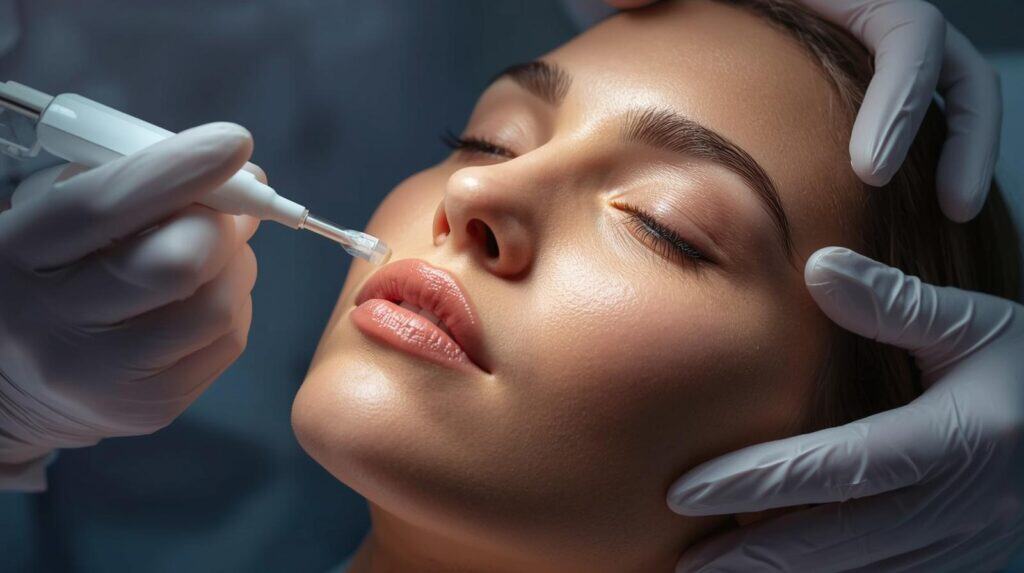
The treatment temporarily disrupts the skin barrier, which then repairs over the following days. Any longer-term thickening or firmness changes come from remodeling processes rather than simply “rebuilding the top layer.”
The skin naturally contains collagen and elastin, which contribute to structure, firmness, and elasticity.
Production and organization of these proteins change with age and sun exposure, but the body does not simply stop producing them altogether.
Microchanneling is intended to trigger a controlled repair response that may increase collagen remodeling over time. Visible improvement is gradual and varies by person and treatment depth.
Microchanneling uses a device with small needles to create controlled channels in the skin. These channels can temporarily increase permeability, which is why only sterile, procedure-appropriate products should be used during or immediately after treatment.
The controlled injury initiates a repair response that may lead to smoother-looking texture over time, but results are not guaranteed and usually require patience.
Who Is Microchanneling For?
Microchanneling can be considered across a range of skin tones, but it is not appropriate for everyone. Active infection, open wounds, uncontrolled inflammatory skin disease, certain medications, bleeding disorders, impaired healing, or a history of problematic scarring can affect suitability.
It may be considered for some acne scars, textural irregularities, and post-inflammatory discoloration. Evidence for stretch marks varies, and treatment expectations should be discussed with a qualified provider.
Microchanneling may also help soften the appearance of fine lines and uneven texture, although deeper wrinkles usually need a different or combined treatment approach.
The treatment may help improve some uneven tone or hyperpigmentation, but sun spots and other pigment concerns often need targeted diagnosis and treatment.
People with rosacea or active inflammatory skin disease should get professional guidance before needling because treatment can aggravate redness or irritation in some cases.
Who Should Avoid Or Delay Microchanneling?
A qualified provider should screen your skin and medical history before treatment. Microchanneling may need to be delayed or avoided when the skin is not in a good condition to heal normally.
- Active infection, cold sores, open wounds, or inflamed acne in the treatment area.
- Uncontrolled eczema, dermatitis, psoriasis, or rosacea flare where needling could worsen inflammation.
- Bleeding disorders, impaired healing, or medications that affect bleeding or wound repair, unless the treating clinician has cleared the procedure.
- History of keloids or problematic scarring, which should be discussed before intentionally injuring the skin.
- Recent aggressive procedures or significant sunburn where the barrier has not fully recovered.
Microchanneling Benefits
Potential benefits of microchanneling depend on the concern being treated, device quality, needle depth, number of passes, treatment interval, and individual healing response.
The main goal is gradual improvement in texture and the appearance of certain scars or fine lines, rather than a guaranteed poreless, scar-free, or younger-looking complexion.
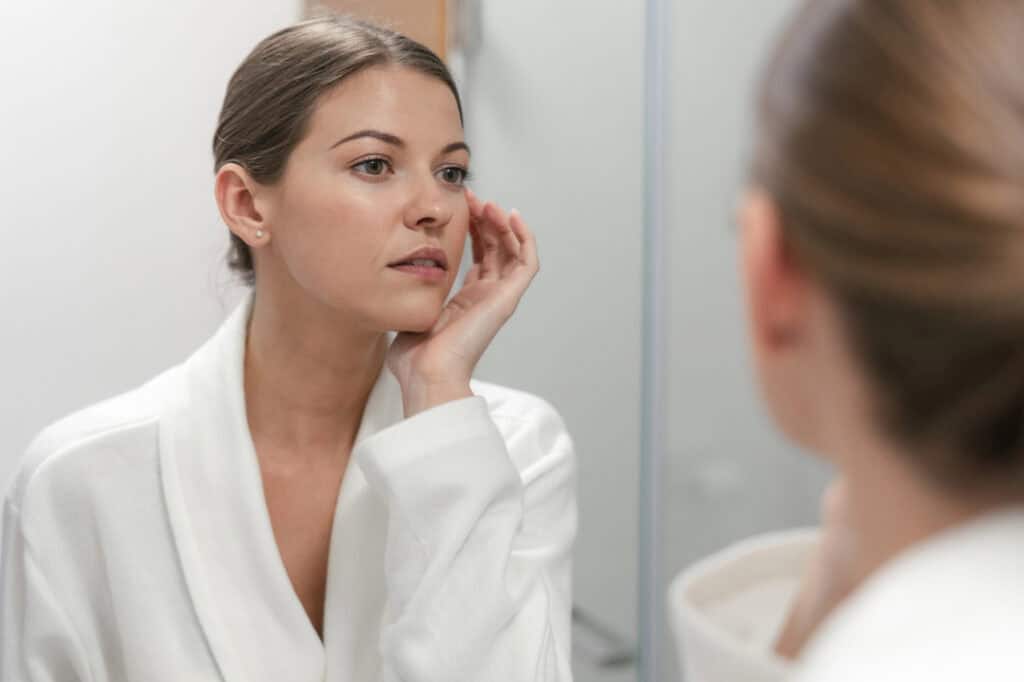
The treatment may soften the appearance of fine lines through collagen remodeling, but it does not prevent aging or permanently restore lost facial volume.
Texture concerns are among the more common reasons people consider needling-based treatments.
Any improvement in fine lines is gradual and is better attributed to the broader wound-healing and remodeling response than to a guaranteed increase in elastin alone.
Microchanneling may make pores look less noticeable if surrounding texture improves, but it does not physically shrink pore openings.
Some discoloration may improve with needling, but results vary by pigment type and skin tone. Inappropriate needling can also trigger post-inflammatory hyperpigmentation in susceptible skin.
If your main concern is hyperpigmentation, get the cause identified first because melasma, post-inflammatory marks, and sun spots do not all respond the same way to needling.
Some people notice temporary brightness from swelling and hydration soon after treatment, while pigment and texture changes take longer to assess.
Microchanneling is not primarily an exfoliation treatment for dead-skin buildup, so it should not be used as a substitute for routine cleansing or appropriate exfoliation.
Microchanneling Side Effects
Microchanneling is often well tolerated when performed correctly, but complications can include prolonged redness, infection, post-inflammatory pigment changes, scarring, or irritation.
Short-term irritation, redness, tightness, or tenderness can occur after a microchanneling session, especially with deeper treatment or more reactive skin.
The treated area may feel tight, warm, dry, itchy, or mildly sore while the barrier begins to recover.
The skin may look pink or red for several hours or into the following days, depending on treatment intensity and individual sensitivity.
Mild swelling or soreness can also occur in treated areas, but worsening pain, spreading redness, pus, fever, or delayed healing should not be treated as routine aftercare.
Because the treatment creates multiple small punctures, discomfort varies with needle depth, treatment area, and individual sensitivity.
Some people experience mild to moderate discomfort. Unexpected severe pain, bleeding, or burning should be discussed with the provider during the procedure.
A qualified provider may use an appropriate topical numbing cream when indicated and according to local regulations.
Downtime is usually shorter than with more aggressive resurfacing procedures, but the exact recovery period depends on needle depth, passes, skin sensitivity, and what is applied afterward.
Most short-term redness and tightness improve over the following days, but recovery time varies with depth, skin sensitivity, and the products used.
Aftercare is especially important during the first few days, while the barrier is recovering. Follow the provider’s specific instructions rather than relying on one universal 24- to 48-hour window.
Microchanneling Vs. Microneedling
Microchanneling is often compared with microneedling because both create controlled needle injuries intended to stimulate a repair response.
The two treatments overlap substantially, and microchanneling should not automatically be considered an upgraded or superior version of microneedling. Device design and provider technique matter more than the label alone.
The most practical difference is usually the device and motion used during treatment, not a fundamentally different healing pathway.
Microneedling can be performed with rollers, pens, or other needle devices. Modern professional microneedling is commonly done with motorized pens rather than only rollers.
Microchanneling commonly uses a stamping-style cartridge. Needle size, depth, and pressure vary by device and treatment protocol.
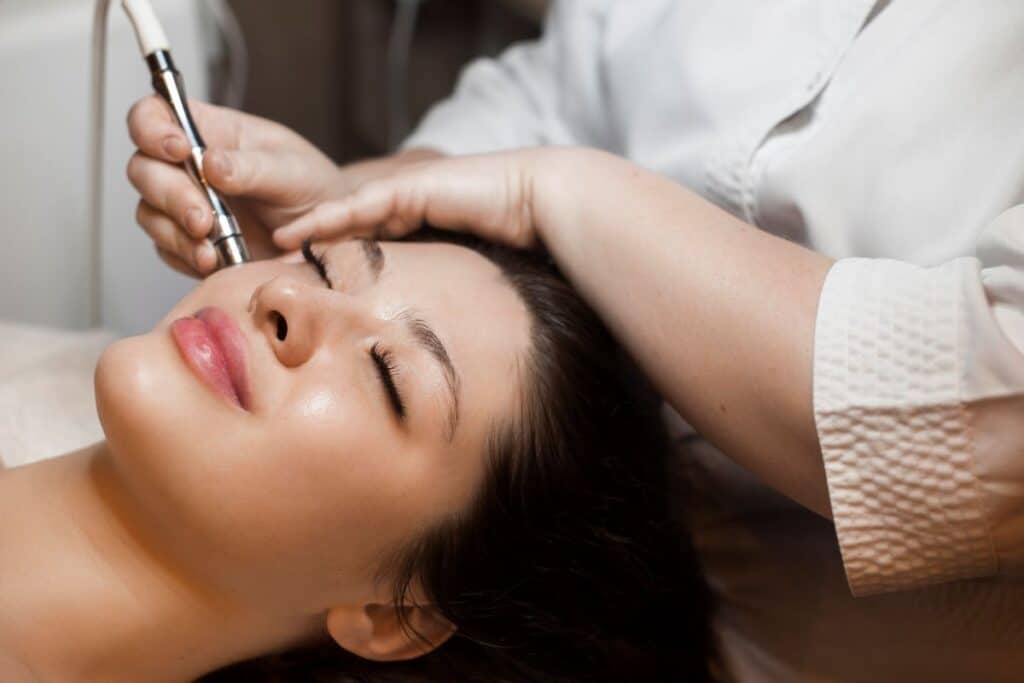
A microchanneling device typically stamps vertically into the skin, while other microneedling tools may stamp, oscillate, or roll depending on the device.
Professional devices may allow the provider to adjust needle depth or treatment intensity based on the area and skin concern.
Areas such as the cheeks may tolerate a different treatment depth than thinner regions, but deeper is not always better and should be selected by a trained provider.
Thinner or more delicate areas, including near the eyes, require particular caution and may use shallower settings.
Older roller devices can create a different needle-entry angle than vertical stamping devices, but it is too broad to say that microneedling in general creates irregular or elongated punctures.
Stamping-style devices are designed to create more vertical, controlled channels, although precision still depends on the device and technique.
There is not enough basis to claim that microchanneling always causes less skin damage than professional microneedling. Treatment depth, passes, device quality, and practitioner technique are more important.
Microchanneling Vs Microneedling At A Glance
| Feature | Microchanneling | Microneedling |
| Typical device motion | Often vertical stamping | May use motorized pen stamping or, less commonly, rollers |
| Biological goal | Controlled injury and remodeling | Controlled injury and remodeling |
| Depth | Varies by device and protocol | Varies by device and protocol |
| Downtime | Depends on intensity and skin response | Depends on intensity and skin response |
| Which is better? | The name alone does not determine results. Provider technique, device quality, depth, and treatment plan matter more. | |
Microchanneling Process
The microchanneling process begins with thoroughly cleansed skin so the treatment area is free of makeup, excess oil, and surface debris.
Providers often advise pausing irritating chemical or physical exfoliants before treatment, but the exact timing should come from the clinic and depend on the product strength.
Retinoids are also commonly paused beforehand to reduce irritation risk, according to the provider’s instructions.
Retinoids, exfoliating acids, and scrubs are usually withheld until the skin barrier has recovered and the provider says it is safe to restart them.
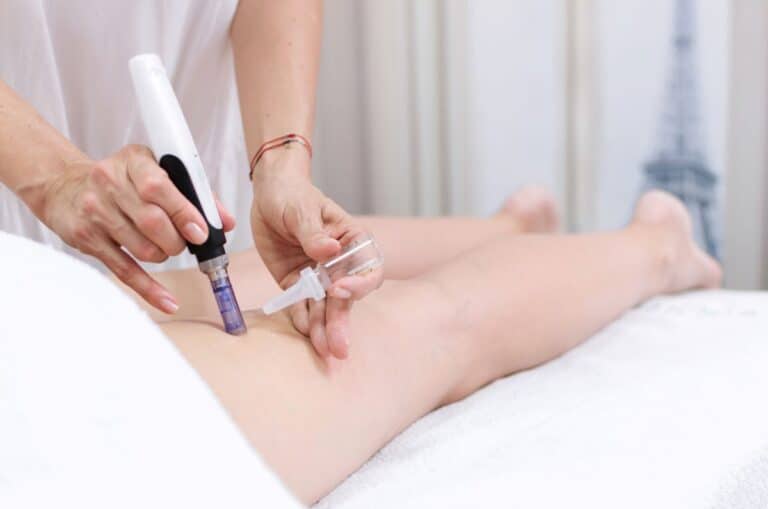
The procedure uses a small handheld device with fine needles to create controlled punctures in the skin and initiate a wound-healing response.
Microchanneling is typically described as a stamping-style technique. Microneedling, however, may use pens or rollers depending on the device:
- At the start of the appointment, the skin is cleansed and the provider may apply a topical numbing cream if needed. The timing varies by product and protocol, so there is no universal 20-minute rule.
- With microchanneling, the device is generally stamped vertically across the treatment area to create controlled microchannels. The provider may adjust depth or intensity by area. This stamping approach differs from roller-based needling, but modern microneedling pens also create vertical channels.
- After needling, some providers apply a sterile topical product formulated for use on freshly treated skin. If platelet-rich plasma (PRP) is used, it is prepared from the patient’s own blood and contains platelets and growth factors; it should not be described as a stem-cell treatment. Hyaluronic-acid-based products may also be used for hydration, depending on the protocol.
- Hyaluronic acid can add surface hydration and a temporary plumping effect. Any post-procedure product should be sterile and specifically appropriate for compromised skin, because the barrier is temporarily more permeable.
Appointment length varies by treatment area, numbing time, and protocol, and may range from under an hour to longer sessions.
With topical numbing, many people tolerate the treatment well, but discomfort still varies with depth and individual sensitivity.
Temporary brightness or swelling may be visible early, while collagen-remodeling changes are typically assessed over several weeks to months.
Some concerns require a series of sessions, while others may need a different treatment entirely. The ideal schedule should be individualized.
For a visual look at the whole process, take a look at this video from West End Plastic Surgery on YouTube.
Microchanneling Results
Because microchanneling is minimally invasive, downtime is often limited compared with aggressive resurfacing procedures, but visible redness, tightness, dryness, or sensitivity can still last several days.
Some early improvement may reflect temporary hydration or swelling, while meaningful texture changes generally take longer to evaluate.
The number of sessions depends on the concern, treatment depth, skin response, and provider plan.
With successful treatment, skin may gradually look smoother and firmer, but the degree of change varies and cannot be guaranteed.
The barrier repairs over the following days while deeper remodeling processes continue over a longer period.
Fine lines or discoloration may improve gradually, depending on the concern and treatment response.
When To Contact Your Provider After Microchanneling
Mild redness and tightness can be expected, but not every post-treatment symptom should be considered normal. Contact your provider if you develop worsening pain, spreading redness, pus, blistering, fever, marked swelling, or symptoms that are getting worse instead of gradually improving.
If you have a history of cold sores, pigment changes, or difficult wound healing, ask about prevention and follow-up before treatment rather than waiting for a complication to appear.
Aftercare
Following microchanneling, expect at least some short-term redness, tightness, or sensitivity. Recovery can be shorter or longer than 24 to 48 hours depending on treatment intensity.
During early recovery, the skin may feel tight, dry, warm, or uncomfortable.
Use only the post-treatment products approved by your provider. Exact timing for cleansing or applying skincare varies by protocol, so do not rely on a universal 90-minute rule.
Many providers advise avoiding makeup until the barrier has had time to recover, often until at least the next day. Follow your clinic’s specific guidance.
Avoid physical scrubs, exfoliating acids, and retinoids until the skin is calm and the provider says they can be restarted. That may be several days or longer depending on treatment depth.
A physical exfoliant would be a face or body scrub, while a chemical exfoliant would be a product that contains specific acids, like AHAs.
The reason for pausing exfoliants is that the barrier is temporarily compromised and additional irritation can prolong redness or increase sensitivity.
During recovery, minimize direct and excessive sun exposure because recently treated skin can be more reactive and pigment changes can be more noticeable after inflammation.
Limit direct sun while the skin is healing and use broad-spectrum sunscreen as advised by your provider, because recently treated skin can be more reactive to UV exposure.
While you may begin to see results in the days following your treatment, depending on the area of concern the procedure is targeting, it may require more than one session.
Some people need a short series of treatments for fine lines or texture, but there is no universal one-to-three-session rule.
More pronounced scarring or deeper wrinkles may require multiple sessions or a different treatment approach, and six sessions is not a guaranteed endpoint.
If repeat sessions are planned, spacing should be set by the provider based on treatment depth and recovery. Several weeks between sessions is common, but exact timing varies.
Microchanneling FAQs
Is Microchanneling The Same As Microneedling?
They are closely related needling treatments. Microchanneling is commonly associated with a stamping-style device, while microneedling can use motorized pens or other devices. Both rely on controlled injury and wound healing rather than completely different mechanisms.
How Long Does Microchanneling Take To Heal?
Visible redness and tightness may improve within hours to several days, but recovery varies with treatment depth, number of passes, skin sensitivity, and aftercare. Deeper remodeling continues long after the surface looks normal.
How Many Microchanneling Sessions Do You Need?
There is no universal number. Some concerns may improve after a short series, while deeper scars or pigment problems may need more sessions or a different treatment plan. The schedule should be individualized by the provider.
Can Microchanneling Make Hyperpigmentation Worse?
It can in some people because inflammation itself can trigger post-inflammatory hyperpigmentation. Skin tone, pigment history, treatment intensity, sun exposure, and aftercare all affect that risk.
Conclusion
Microchanneling and microneedling are closely related needling treatments. Microchanneling is not automatically newer, safer, faster-healing, or more effective; outcomes depend on the device, protocol, and provider.
A stamping-style device is designed to create vertical channels, but the amount of skin trauma still depends on needle depth, passes, pressure, and technique.
The treatment aims to trigger a controlled repair response that can support collagen remodeling over time.
Over time, that remodeling response may help the complexion look smoother and more even in texture.
Some uneven tone may improve, but pigment changes can also worsen after inflammation in certain skin types, so treatment selection and sun protection matter.
The microchanneling device creates controlled punctures that temporarily disrupt the skin barrier.
PRP or hyaluronic-acid-based products may be used with some protocols, but they are optional adjuncts and should not be assumed to guarantee additional collagen production or better outcomes.
Because freshly needled skin is temporarily more permeable, only products specifically intended for post-procedure use should be applied to reduce irritation or contamination risk.
With an appropriate treatment plan, some people see meaningful improvement in texture or certain scars, but results vary and should be judged over time rather than promised in advance.
Related Articles
Preparing For Microblading (What To Know)
Microneedling For Cellulite (Does It Really Work?)
Can You Get Microblading For Alopecia (A Complete Guide)