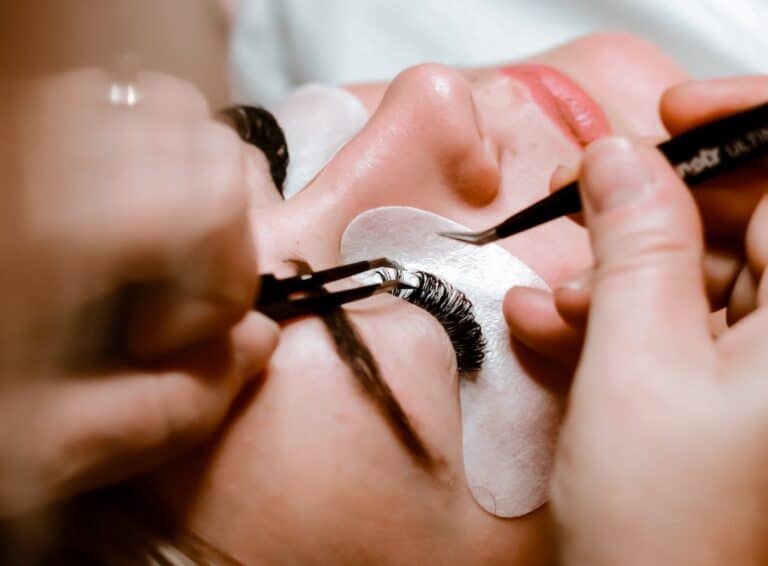
What Is A Lash Lamination?
With so many lash and brow treatments available, it can be hard to tell which service actually matches the result you want.
Many of these treatments focus on enhancing the natural lashes or brows, whether that means creating more lift, definition, curl, or the appearance of fullness.
The best option depends on your natural lash condition, eye shape, maintenance preferences, and the finish you want.
Brow lamination is already widely known, and a similar term, lash lamination, is sometimes used for services more commonly called a lash lift or lash perm.
Lash treatments can create a more lifted, defined appearance without daily curling, although the final result depends on the length, density, and condition of your natural lashes.
Eyelash extensions remain popular for adding visible length and density by attaching additional fibres to the natural lashes.
Lash lamination or lash lifting, by contrast, reshapes the natural lashes rather than adding extra fibres.
But what is lash lamination, and how does it differ from other lash treatments?
A lash lamination, often called a lash lift, uses chemical solutions and a silicone shield or rod to temporarily reshape your natural lashes into a more lifted, curved position. It can make existing lashes look longer and more visible, but it does not add new lash hairs the way extensions do.
Below, we’ll explain how lash lamination works, what the appointment usually involves, possible side effects, aftercare, and how it compares with eyelash extensions.
What Is Lash Lamination?
A lash lamination is a chemical reshaping treatment for natural eyelashes that creates a lifted and curled appearance for several weeks.
The treatment does not physically add length. Instead, lifting straighter lashes upward can make more of their natural length visible and help the eyes look more open.
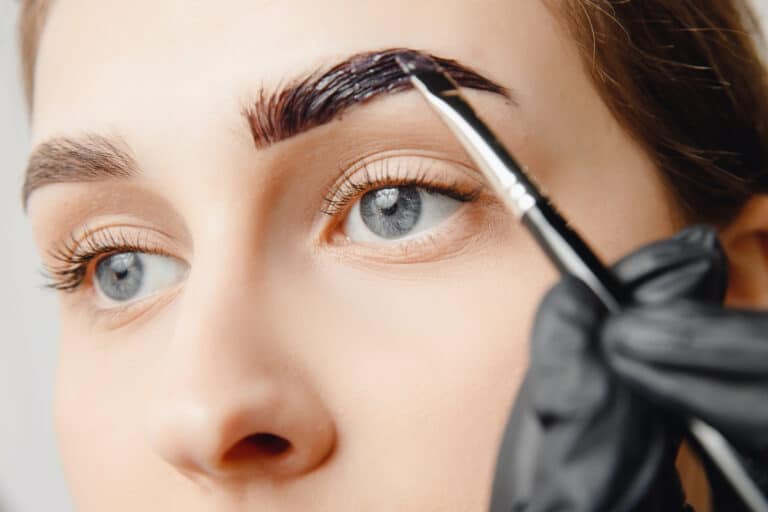
Lash lamination can be done on its own or paired with a lash tint, which darkens the existing hairs so they may look more defined.
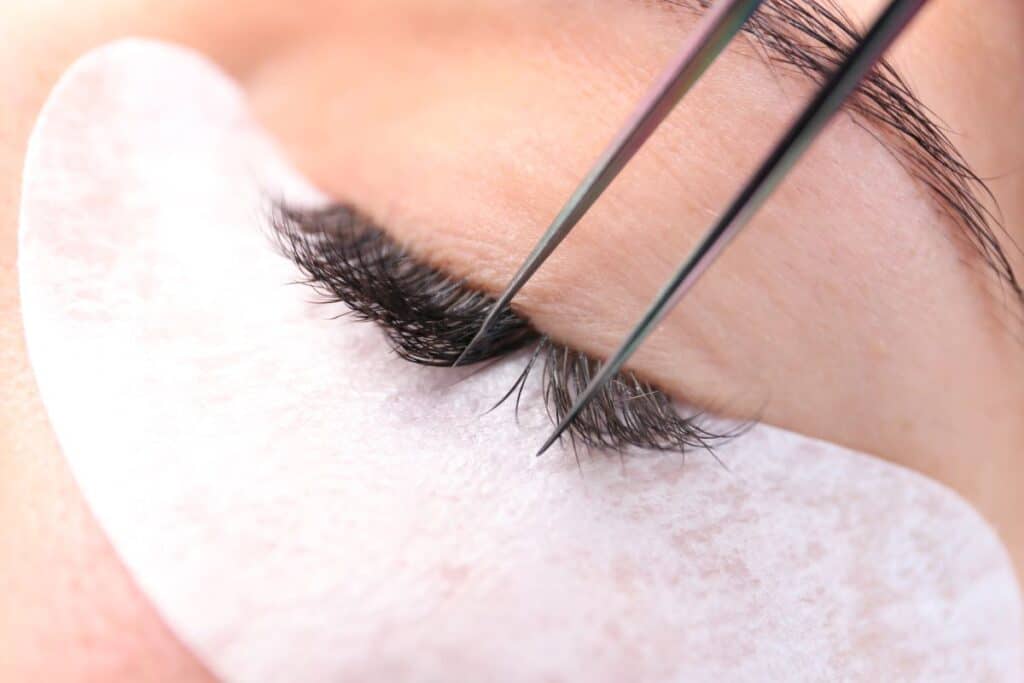
In many salons, lash lift, lash perm, and lash lamination are used for closely related services, although product systems and techniques can differ by brand and technician.
Because terminology is not completely standardized, it is worth asking the salon exactly which products and steps they use rather than relying on the service name alone.
Lash Lamination Benefits
Potential benefits depend on your natural lashes and the quality of the service rather than on having treatments on a fixed schedule.
The main goal is to reshape and lift the natural lashes so they sit in a more visible, upward direction.
It can enhance your natural lashes without adding false fibres, although it still uses chemical processing solutions rather than being a completely “natural” treatment.
The lifted position can make the lashes appear longer and more noticeable without adding lash extensions.
The treatment also creates curl, which may reduce how often you feel the need to use a lash curler.
Some people also find they use less mascara afterward, but lash lamination does not create extra lash density and will not replicate every effect of mascara or extensions.
For people who like the result, that can make the morning beauty routine a little quicker.
The effect is usually more subtle than eyelash extensions because it works only with the lashes you already have.
A lash lamination generally lasts several weeks, gradually fading as treated lashes grow out and shed.
Appointment length varies by system and whether tinting is included, but many sessions take roughly 45 to 75 minutes.
Many technicians recommend waiting around 6 to 8 weeks before repeating the service so the lash cycle can progress and the hairs are not repeatedly over-processed. Follow the specific product system and technician guidance.
Lash Lamination Side Effects
A lash lamination is commonly performed without major problems, but it is not risk-free. The eye area is sensitive, and chemical processing can cause irritation or damage if the service is performed incorrectly.
The lifting, setting, adhesive, or tinting products may trigger irritation or an allergic reaction. Ask your technician whether the product manufacturer recommends a patch test and disclose any previous reactions to lash or hair-colour products.
Getting processing solution into the eye can cause significant irritation or injury, which is one reason the service should be performed carefully with the eyes kept closed.
Possible short-term effects include redness, itching, watering, swelling, or irritation around the lash line. Persistent pain, marked swelling, vision changes, or ongoing eye irritation should be assessed promptly by a medical professional.
If the chemical solutions are too strong, left on too long, or treatments are repeated too frequently, the lashes can become dry, brittle, frizzy, or prone to breakage.
Lash Lamination Process
The lash lamination process is performed around the closed eye and usually takes less than a couple of hours, depending on the system and whether a tint is added.
Most people can return to normal daily activities afterward, while following the aftercare instructions given by their technician.
- The first step is to make sure the lashes and eyelids are clean and free of makeup, oil, and residue.
Arriving without eye makeup can make the appointment easier, and the technician will usually cleanse the area before beginning.
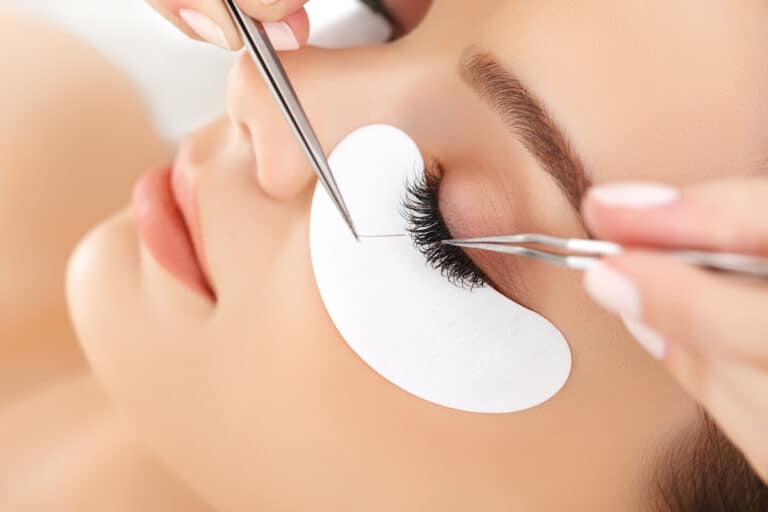
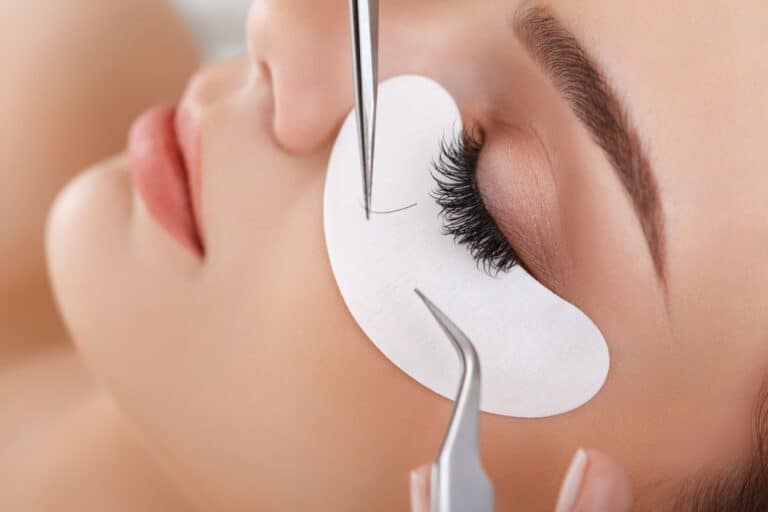
Clean lashes help the shield, adhesive, and processing products work as intended. - A silicone shield or rod is placed on the eyelid, and the natural lashes are carefully positioned against it. The lower lashes are usually isolated so they are not accidentally processed.
Different shield sizes and shapes can create different degrees of lift and curl. - The technician chooses the shield according to factors such as lash length, direction, eye shape, and desired finish.
A smaller shield can create a stronger-looking curl, while a larger shield can create a softer lift, but the exact result also depends on technique and the product system. - A lifting solution is applied to the appropriate portion of the lashes to temporarily alter the bonds that help determine hair shape.
Your eyes should remain closed throughout the chemical processing stage.
Processing time is not universally 10 minutes. It must be determined according to the manufacturer’s instructions, lash condition, and the technician’s professional assessment. - After the lifting product is removed at the correct time, a setting or neutralizing solution is applied to help reform the hair bonds in the lifted shape.
Its processing time also varies by product system and should follow the manufacturer’s directions rather than a fixed universal time. - If desired and appropriate, a lash tint may be applied after the lifting steps.
Tinting darkens the natural lash hairs and can make the lash line appear more defined.
Again, processing time varies by formula, so the product instructions should be followed exactly. - Once processing is complete, the technician removes the remaining product, shield, and lower-lash pads or tape, then checks that the lashes are separated and comfortable.
After the session, follow the specific aftercare instructions for the product system your technician used.
Here’s a video if you want to see the full process from Tina Yong on YouTube.
Lash Lamination After Care
There is usually little downtime after a lash lamination, but the first day or two may come with product-specific aftercare recommendations.
Some systems still advise avoiding water, steam, rubbing, or heavy eye makeup for 24 to 48 hours, while newer formulations may have different guidance. Follow the instructions given for your specific service.
During the recommended setting period, follow your technician’s advice about water exposure and getting your eyelashes wet.
Traditional aftercare advice is meant to avoid disturbing the newly shaped lashes while the treatment finishes stabilizing, but exact restrictions can vary between product systems.
Avoid rubbing, pulling, or pressing the lashes unnecessarily, especially during the initial aftercare period.
If your technician advises avoiding eye makeup at first, that includes mascara during the recommended aftercare period.
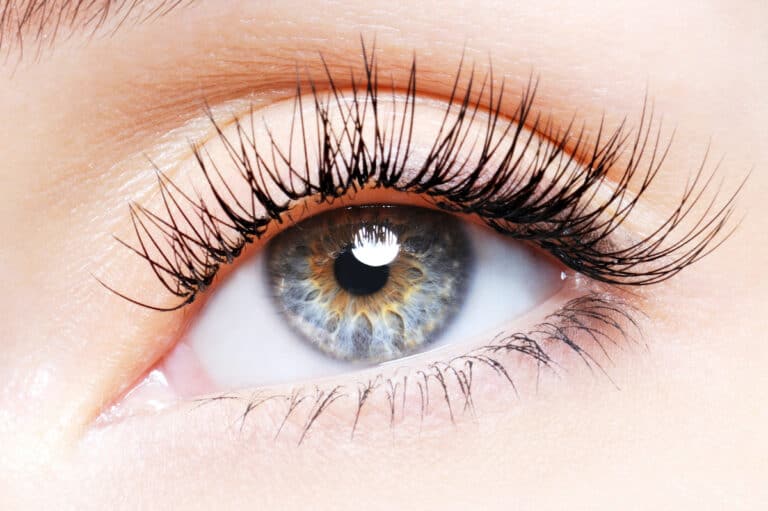
The finished result is usually more lifted and visible natural lashes. How long or full they appear depends on the lashes you started with.
Adding a tint can make pale or light lash hairs look darker and may make the lash line appear more defined.
You can still use mascara after the appropriate aftercare period if you want more colour or volume.
Long-term care recommendations differ by product system. You generally do not need to avoid every oil-based skincare product forever unless your technician or product manufacturer specifically advises it.
Be gentle when removing eye makeup and avoid rubbing the lashes aggressively.
Once the initial aftercare period has passed, mascara can usually be worn if it does not irritate your eyes or lashes.
Waterproof mascara can be harder to remove, so a regular formula may be easier on processed lashes if you want to minimise rubbing.
Because the lashes are already lifted, an eyelash curler is usually unnecessary after treatment.
Avoid aggressive mechanical curling on freshly processed lashes because excessive pressure can contribute to bending or breakage.
Lash Lamination Results
Lash lamination results generally last several weeks and fade gradually as the natural lashes grow and shed.
Individual lashes are at different points in their growth cycle, so the lifted effect becomes less uniform over time.
Some people notice the effect beginning to soften after a few weeks, while others retain a visible lift for longer.
A commonly quoted range is around 6 to 8 weeks, but duration varies with the natural lash cycle, treatment strength, aftercare, and individual hair characteristics.
Repeat treatments are often spaced around 6 to 8 weeks apart, although your technician should assess the condition of the lashes before processing them again.
If a lash tint is added, follow the aftercare instructions for both services.
Tint colour will gradually fade and the tinted lashes will also shed naturally, so the result does not need to be “locked in” indefinitely.
A lash tint often fades sooner than the lift itself, and timing varies by formula, cleansing habits, and the lash growth cycle.
Lash Lamination Vs. Eyelash Extensions
Other lash services include lifts, perms, tints, and extensions, and the terminology can overlap.
Lash lift, lash perm, and lash lamination often refer to similar chemical reshaping services, but they are not guaranteed to be technically identical across every salon or brand.
Ask the technician what treatment system they use, what products are applied, and what result the service is designed to create.
One of the treatments a lash lamination differs from, however, is an eyelash extension treatment.
Eyelash extensions use adhesive to attach additional synthetic or natural-fibre extensions to existing lashes, adding visible length and fullness that lamination alone cannot create.
Extensions can be customized for a natural or dramatic finish. Lash lamination is usually subtler because it works only with your existing lash length and density.
Extensions may also reduce the need for mascara, but they require ongoing maintenance and careful aftercare.
While lash lamination reshapes your natural lashes, extensions add extra fibres to the lash line.
Extensions can create more dramatic fullness and length, but a full set generally takes longer to apply than a lash lift.
Appointment times vary, but a full extension set often takes around 90 minutes to several hours depending on the technique and number of extensions applied.
Maintenance fills are commonly scheduled every 2 to 4 weeks, depending on natural lash shedding, retention, and the desired level of fullness.
Extension aftercare differs from lash-lift aftercare because the main concern is protecting the adhesive bonds as well as the natural lashes.
Follow the adhesive manufacturer and technician’s instructions about water, steam, oil-based products, and cleansing. Modern adhesives do not all require the same 24-to-48-hour water restriction.
Extensions shed along with the natural lashes they are attached to, which is why regular fills are needed if you want to maintain a consistently full set.
Conclusion
Lash lamination is another name commonly used for a lash-lifting or perming style of service, although terminology varies between salons.
Whether your salon calls it a lash lift, lash perm, or lash lamination, the goal is generally to reshape the natural lashes into a more lifted, curled position.
The result can make the eyes look more open while keeping the finish relatively subtle.
One of the main differences from eyelash extensions is that a lash lamination works with your existing lashes instead of attaching additional fibres.
Because it does not add extra lash hairs, the final effect is limited by your natural lash length and density.
Pairing the service with a lash tint can add darker colour and definition, but both services involve cosmetic chemicals and should be performed according to product directions.
For the best chance of a good result, choose an experienced lash professional, disclose previous sensitivities, and avoid repeating the treatment too frequently if your lashes feel dry or brittle.
Related Articles
Keratin Lash Lift Vs. Regular Lash Lift
What Happens If You Cut Your Eyelashes?
How To Fix Eyelashes That Grow In Different Directions