
Why Won’t My Eyelashes Curl Anymore?
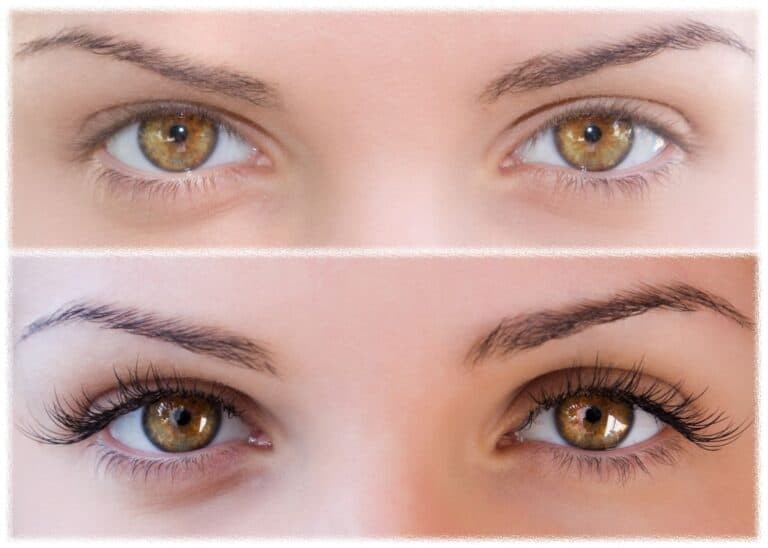
Curled lashes can make your eyes look more open and awake, even before you add mascara.
A lifted curl can also make lashes appear longer and more defined because more of each lash is visible from the front.
So when your usual curling routine suddenly stops working, the difference can be surprisingly noticeable.
Natural lash direction varies, and some lashes grow straighter or downward than others.
That is why many people rely on an eyelash curler, mascara, or a professional lash lift to create more lift.
If one of those methods used to work and now does not, the cause may be as simple as product buildup, a worn curler pad, damp lashes, or a different mascara formula.
Start by checking when the curl disappears: immediately after releasing the curler, after mascara, or later in the day.
If you get lifted lashes before mascara but they fall flat within minutes of applying it, the formula or amount is worth testing. If there is barely any bend to begin with, inspect the curler and its fit first.
So, why won’t your eyelashes curl anymore?
Your eyelashes may stop holding a curl because of a worn or dirty curler, a different mascara formula, damp or humid conditions, or changes in the density and texture of your lashes.
Below, we’ll walk through the most common reasons eyelashes stop holding a curl and the easiest things to check first.
You’ll also find practical tips for curling lashes more safely and helping the result last longer.
Start with the simplest fixes before changing your entire routine.
Reasons Your Lashes Won’t Curl Anymore
When lashes suddenly stop holding a curl, the problem is often related to either your technique and products or a change in the lashes themselves.
Separate the tools and products you’re using from the condition of your lashes. Sparse patches, snapped hairs, or sore eyelids need a different response from a mascara that simply does not hold your style.
Tool and product issues are usually the easiest to test, so begin there before assuming your lashes have changed.
Here are the most likely culprits and what you can do about each one:
Your Lash Curler
If you’ve been using the same lash curler for months and it suddenly seems less effective, inspect the tool before blaming your lashes.
A curler can still look fine even when the pad has flattened, split, or become coated with product.
Those small changes can affect how evenly the tool closes. Squeezing harder will not fix a worn pad or misaligned frame.
It is one of the first things worth checking because it is quick and inexpensive to fix.
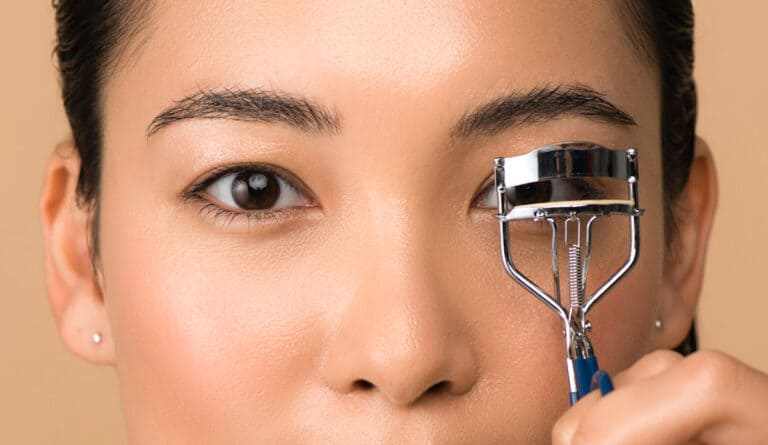
Your lash curler works best when it is clean and the cushion is in good condition.
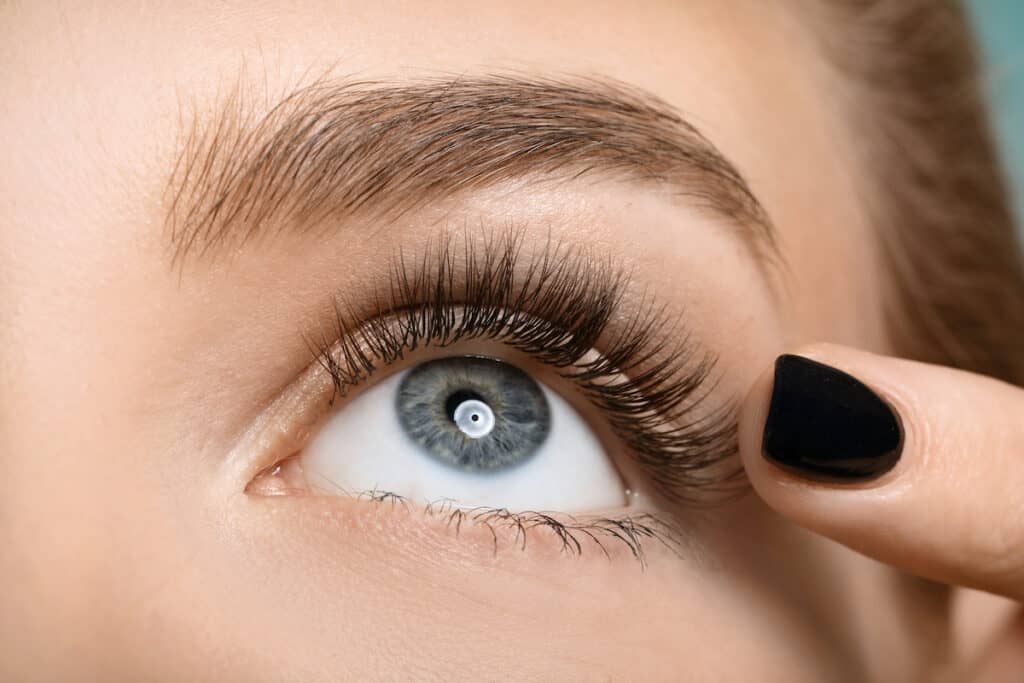
If mascara residue builds up or the pad becomes hard and compressed, the curler may grip unevenly or fail to create much lift.
Start with two simple checks: cleanliness and the condition of the rubber or silicone pad.
First, clean the curler regularly so oils, eye makeup, and mascara do not build up on the surfaces that touch your lashes.
It is generally better to curl clean, dry lashes before mascara. Curling after mascara can make lashes stick to the tool, especially once the mascara has begun to dry, which may increase pulling and breakage.
Second, inspect the rubber cushion. Replace it when it becomes flattened, cracked, split, or no longer springs back into shape. The exact replacement schedule depends on how often you use the curler and the manufacturer’s guidance.
If your curler came with a spare pad, keep it with your makeup tools so you can swap it as soon as you notice wear.
If replacement pads are difficult to find, check whether your curler brand sells compatible refills. Do not use a pad that sits loosely or leaves part of the metal edge exposed.
If the cushion has a deep groove where the metal presses into it, or if the curler pinches instead of gently clamping, it is time to replace the pad or the curler.
You can view this eyelash curler on Amazon or at your local beauty store.
While you’re at it, give the curler a careful clean according to the manufacturer’s instructions and let it dry completely before it goes near your eyes.
For many people, a clean tool and fresh pad are enough to make the curl look more even and noticeable again.
Change Of Mascara
If the curler is working normally, think about whether you recently changed your mascara.
Mascara formulas vary in weight, drying time, and flexibility, so one formula may weigh down a curl more than another.
Think back to the mascara you were using when your lashes held their curl more easily.
If it is different, compare formulas while keeping the rest of your routine the same. Use a fresh, in-date product rather than returning to an old tube that has dried out or passed its recommended lifespan.
Some waterproof mascaras set more firmly and may help straight lashes hold a curl longer, although they can also require more careful removal.
There are also non-waterproof mascaras marketed for curl and lift, so waterproof is not your only option.
If you are considering the linked Too Cool For School mascara, check the exact version, wear claims, and removal directions before buying. A product name alone cannot tell you how well it will hold your particular lashes.
Before switching the mascara formula, try one thin coat instead of several heavy layers. Check the curl before application and again after it sets. If the thinner coat holds better, the amount may matter as much as the formula.
Humidity
Humidity and moisture can also affect how long a lash curl lasts, especially if your lashes are naturally straight.
For the best chance of a lasting curl, start with clean, completely dry lashes.
If the weather has become more humid, you have just showered, or your eyes are watery, your lashes may be holding extra moisture.
That can make the result look flatter or cause the curl to drop sooner than you expect.
Even curling immediately after showering can give you a different result from curling later in the day.
To test this, try curling your lashes once they are fully dry and compare how long the lift lasts.
If your eyelids or lash line are damp, gently blot the area and let it air-dry before using a curler. Do not aim a hairdryer at your eyes to speed things up.
If the curl improves, moisture was probably one part of the problem and you can adjust your timing rather than your entire routine.
Thinning Lashes
Lashes can look thinner or more fragile for many reasons, including normal changes over time, repeated mechanical stress, irritation, certain health conditions, or some medications.
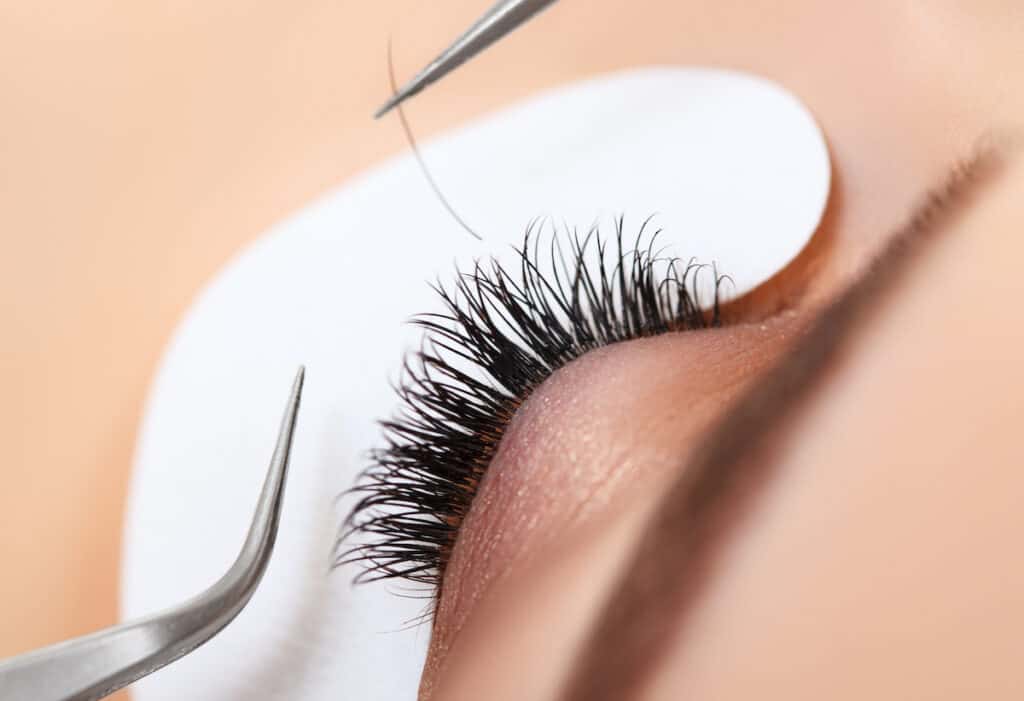
If your lashes are shorter, sparser, or more fragile than before, the same curler technique may produce a less noticeable result.
Possible reasons lashes may become sparser or more fragile include:
- Normal changes in the lash growth cycle
- Repeated rubbing, pulling, or rough makeup removal
- Eye-area irritation or inflammation
- Hormonal changes
- Changes that can occur with age
- Some medical conditions
- Certain medications and medical treatments
- Other factors that affect hair growth
If you have noticed a real change in lash density, length, or breakage, that may explain why your usual curl looks different.
Avoid trying to diagnose sudden lash loss from appearance alone. If thinning is new, patchy, persistent, or accompanied by redness, itching, or hair loss elsewhere, consider discussing it with a qualified healthcare professional.
For everyday lash care, focus on habits that reduce unnecessary stress on the lashes:
- Eat a balanced diet that supports your overall nutritional needs.
- Avoid starting biotin or other supplements specifically for lash growth unless a healthcare professional recommends them for a documented need.
- If you use an eyelash serum, follow the label carefully and stop if the eye area becomes irritated.
- Remove eye makeup gently instead of rubbing or tugging at the lashes.
- Give lashes a break from repeated curling or heavy eye makeup if they seem brittle or damaged.
These habits cannot guarantee thicker lashes, but they can help you avoid unnecessary breakage and irritation.
If your lashes continue to thin despite gentle care, seek an assessment rather than repeatedly changing products. Cleveland Clinic’s guide to eyelash loss explains how irritation, cosmetic procedures, and health conditions can contribute.
Do Lashes Lose Their Curl With Age?
Your lashes can change in density, length, texture, and growth pattern over time, so they may not look or behave exactly the way they once did.
That does not mean every person’s lashes will become straighter with age, and there is no single age when this happens.
If your lashes become finer or sparser, a curl may simply look less dramatic even when the curler is working properly.
Choose a curler that fits your eye shape, use light pressure, and avoid repeatedly clamping fragile lashes in an effort to force a stronger curl.
If you notice sudden or significant lash loss, especially with other symptoms, treat that as a separate issue from cosmetic curling and seek appropriate professional advice.
If your lashes and eyelids are healthy, gentle technique and a lighter mascara application may improve the cosmetic result. A chemical lash lift is a separate decision, not a remedy for thinning or damaged lashes.
Tips For Curling Your Lashes
Once you have ruled out a dirty curler, worn pad, damp lashes, and a heavy mascara formula, a few technique adjustments can help you get a cleaner, longer-lasting curl.
The goal is to create lift without repeatedly pinching, pulling, or overheating the lashes.
Try these practical lash-curling tips:
- Choose a good eyelash curler for your eye shape. The curve should sit comfortably along your lash line without pinching the eyelid or missing the inner and outer lashes.
If one curler shape does not fit, compare models with different widths and curves rather than assuming your technique is the problem. - Treat a lightweight lash primer as optional. It adds another layer and may weigh fine lashes down, so test a thin application rather than assuming it will improve hold. Skip it if mascara alone works better.
- Do not heat a standard metal curler with a hairdryer or hot water. A heated lash curler adds burn and lash-damage risks and is not necessary for troubleshooting. Start with an unheated tool, especially if your lashes seem fragile.
- Position the lash curler near the base of the lashes without touching or pinching the eyelid. Use gentle pressure for the time recommended by the manufacturer. Open the curler fully before moving it; never pull or slide it along the lashes while clamped. If there is enough length, a gentle second press farther out can soften a sharp bend.
- Curl clean, dry lashes before mascara. Then apply a light coat of a formula that holds your curl. Avoid clamping a traditional curler over dried mascara, since lashes can stick to the tool and become more prone to breakage.
- Consider a professional lash lift if you want a longer-lasting curl without using a curler every day.
The result is temporary and gradually grows out as your natural lashes cycle.
The chemicals can cause irritation, allergic reactions, or lash damage, even with professional application. Choose a trained provider, discuss eye conditions and sensitivities, and postpone treatment if the lashes or eyelids are irritated. Cleveland Clinic explains the risks of lash lifts.
This video from NikkieTutorials offers a visual reference for lash styling. Follow your curler’s instructions, keep a standard curler unheated, and avoid clamping mascara-coated lashes even if a tutorial suggests otherwise.
Final Thoughts
If your lashes don’t curl like they used to, begin with the variables that are easiest to control: the curler, the pad, moisture, mascara, and technique.
Change one thing at a time so you can tell what actually makes a difference.
Often, a clean curler, fresh pad, dry lashes, or lighter mascara is enough to improve the result.
If your lashes themselves seem noticeably thinner, more brittle, or patchy, switch from troubleshooting makeup to gentle lash care and consider professional advice if the change is persistent or sudden.
With a few careful adjustments, you can usually figure out whether the problem is your tool, product, technique, or a change in your lashes.
Related Articles
Best Eyelash Curlers For Hooded Eyes
Best Eyelash Curlers For Asian (Monolid) Eyes
How To Train Your Eyelashes To Curl Naturally