
I Got My Lashes Wet After A Lash Lift – Are They Ruined?
Got your lashes wet after a lash lift? A splash, shower, or a few tears does not automatically mean you have ruined the result.
The most useful details are which lash-lift system was used, how recently you had it done, what kind of moisture reached the lashes, and whether your eyes feel comfortable.
A lash lift reshapes your natural lashes chemically. Unlike extensions, it does not rely on a bond holding an extra lash to each natural one.
Aftercare still matters, but the instructions are not identical for every brand or treatment system, which is why a generic 24- or 48-hour rule can be misleading.
Some systems recommend an initial dry period, often 24 hours, with longer restrictions on steam or swimming. Others allow water contact much sooner.
Use the written instructions for your treatment rather than combining every lash-care rule you find online.
If plain water is the only issue and your eyes feel normal, be gentle with your lashes, let them air-dry, and check the shape once the hairs have separated again.
Over time, lifted lashes naturally shed and new lashes grow in, so the curl gradually looks less uniform even when aftercare has been perfect.
An accidental splash is not a reason to arrange an immediate repeat chemical treatment.
What if you got your lashes wet after a lash lift?
If you got your lashes wet after a lash lift, avoid rubbing, let them dry naturally, and follow the instructions for the system your technician used. Early water contact does not always undo a lift. If your eyes are burning or you suspect chemical exposure, rinse immediately and seek medical advice; protecting your eyes comes before preserving the curl.
After any initial restrictions have passed, normal gentle washing is part of lash care. You do not need to keep your lashes dry for the entire life of the lift.
Here’s what to do now, how showers, tears, steam, and cleansing fit into lash-lift aftercare, and when a change in your lashes needs professional attention.
How Long Should You Avoid Wetting Your Lash Lift?
Lash lifts are often described as a perm for your eyelashes because the treatment chemically reshapes the natural lash rather than simply coating it.
The treatment changes bonds within the lash hair and sets the lashes into a different shape during the service.
That does not mean every lift needs another 48 hours without any water. There is no single waiting period for every system.
For example, Elleebana’s aftercare guidance says plain water contact in the first 24–48 hours does not undo its treatment, while still recommending early restrictions on heat, steam, and certain products.
In contrast, Nouveau Lashes’ LVL guidance recommends keeping lashes dry for the first 24 hours and avoiding steam, saunas, and swimming for two days.
These differences explain why two technicians can give different advice without one necessarily being wrong. Ask for the exact treatment name and its current aftercare instructions.
If you were given a 24- or 48-hour restriction, follow it until your technician clarifies otherwise. Do not assume a different brand’s guidance applies to your appointment.
If you were not given instructions, contact the salon. Tell them when you had the treatment and what kind of water exposure occurred.
What Happens If You Shower After A Lash Lift?
You do not necessarily have to skip showering altogether. During a prescribed dry period, keep the direct spray away from your face and avoid a very hot, steamy shower if your treatment instructions restrict steam.
Lukewarm water and a shorter shower can make it easier to follow those restrictions.
Steam exposure and a brief splash of plain water are not the same situation, so describe exactly what happened if you contact the salon. A quick splash is generally less relevant than prolonged heat, soaking, or rubbing.
If you already showered, do not assume the lift has failed. Let the lashes dry before assessing the shape.
Do not use a hairdryer, lash curler, or extra chemicals to try to “set” them again.
What Happens If You Cry After A Lash Lift?
Crying does not automatically ruin a lash lift. Tears can temporarily clump the lashes, but you do not need to suppress them or treat normal crying as a failed beauty service.
Wet lashes can clump together and temporarily look different. That alone does not tell you whether the treatment has changed.
Avoid rubbing your eyes or repeatedly pressing on the lashes to dry them.
Gently dab tears from the surrounding skin with a clean tissue, avoid wiping across the lash line, and let the lashes air-dry.
If the watering comes with burning, persistent redness, pain, swelling, or a change in vision, treat it as an eye-health concern rather than an aftercare mistake.
What To Avoid After A Lash Lift
Your aftercare sheet may separate restrictions on water, heat, makeup, and products. Read each one rather than treating all moisture as a threat.
The relevant timeframe depends on the treatment used. Ask your technician if the instructions are unclear or contradictory.
Common short-term restrictions may include swimming, steam rooms, saunas, heavy sweating, eye makeup, or certain cleansers, depending on the system.
These are not usually reasons to give up exercise, showers, or swimming for weeks. Once your treatment’s restrictions end, return to normal routines with gentle handling.
Swimming
Wait until the swimming restriction for your specific treatment has passed.
Pool water and seawater can irritate the eyes, which is a separate issue from whether the lashes keep their shape. Chlorine, salt, and rubbing can all matter more to comfort than a brief plain-water splash.
After you are cleared to swim, avoid rubbing your eyes when you come out of the water.
Follow the recommended cleansing routine afterward. Do not leave irritating water or residue around your eyes to keep the lashes dry.
If you swim regularly, mention that before your next appointment so the timing and aftercare fit your routine.
Saunas/Steam
Postpone a sauna or steam-room visit during your system’s recommended early aftercare window.
There is no need to test the result with extra heat just because the lashes look fine immediately after treatment.
A steamy bathroom, facial steamer, or hot-yoga class may be relevant to the same restriction.
If you have already had steam exposure, let the lashes dry and contact the salon if they look noticeably uneven. Do not try a home correction.
Sweating/Heat
If your instructions say to avoid heavy sweating, plan an easier day around the appointment so you are not immediately dealing with sweat, heat, and repeated face wiping.
A demanding workout or hot-yoga session is different from ordinary walking and daily movement.
You do not need to assume that warm weather alone has spoiled the treatment.
Stay comfortable and avoid rubbing sweat into the eye area. Ask the salon when you can resume your usual workout.
Wearing Contacts
Plan to remove contact lenses for the treatment and bring your glasses, lens case, and usual supplies so you do not need to handle contacts around freshly treated eyes.
Chemical products are being used close to the eyes, so discuss contact lenses and any eye conditions with the technician beforehand.
There is no universal rule that contact-lens solution will undo a lift or that everyone must avoid contacts for two days afterward.
Ask when to put your lenses back in. If your eyes are irritated, leave them out and seek advice from an eye-care professional rather than prioritising the lash result.
How To Avoid Wetting Your Lashes
If your treatment requires a dry period, a few temporary changes can help you follow it.
The aim is to avoid unnecessary splashing during any restricted window, not to stop normal personal hygiene or leave cleanser, sweat, or makeup sitting around the eye area.
Once that window ends, you should not keep avoiding lash cleansing indefinitely.
Gentle handling is useful throughout the life of the lift, but normal washing is not the same as trying to reverse it.
Here are practical ways to manage your routine while following the instructions you were given.
Wash Face With A Cloth
You can still clean the rest of your face. During a dry period, take care around the eye area.
Avoid splashing water directly over the lashes if that is restricted for your treatment.
A clean, soft, damp cloth can help you control where the water goes while keeping pressure and rubbing away from the lashes themselves.
Use it gently on the surrounding facial skin without scrubbing or dragging across the lashes.
Remove cleanser and makeup as their labels direct. Do not leave products on your skin merely to avoid rinsing, and skip eye makeup if its removal would conflict with your aftercare.
Shower With Warm/Cool Water
Choose lukewarm water while you are avoiding steam, and keep the shower shorter if your bathroom becomes very humid.
Keep your face out of the direct spray rather than pressing a towel over the lashes.
A handheld showerhead, if you already have one, can make directing the water easier.
You do not need to buy special bathroom equipment for a lash lift.
If a small splash reaches your lashes, stop rubbing or fussing with them and let them dry.
Keep A Cool Environment
Heat and humidity can be difficult to avoid, especially in summer.
Aim for comfort instead of trying to control every drop of moisture. Normal ambient humidity is not the same as deliberately steaming the eye area.
Shade and ordinary ventilation may help, but do not direct hot air or a strong fan at your eyes to dry the lashes.
There is no general need to take several days off work or stay indoors after a routine lash lift.
If your job involves steam, intense heat, or frequent water exposure, discuss appointment timing with the salon.
Plan Strenuous Exercise Around Aftercare
You do not need to avoid all physical activity for two days. Follow any short-term restriction on heavy sweating specified for your system.
A gentle walk may fit that advice better than a strenuous gym session.
Schedule demanding exercise before the appointment or after the stated restriction if that is convenient.
Once you resume, keep up normal hygiene and avoid rubbing your eyes with a sweaty towel.
How To Make Your Lash Lift Last Longer
A good routine keeps your lashes clean, reduces unnecessary pulling, and helps the result look tidy. It cannot stop the natural lash growth cycle or keep every lash at the exact same angle indefinitely.
Cleaning is part of that routine once permitted by your treatment instructions.
Once your system allows cleansing, gently remove makeup, skin oils, and buildup rather than leaving the lash line untouched for fear of water.
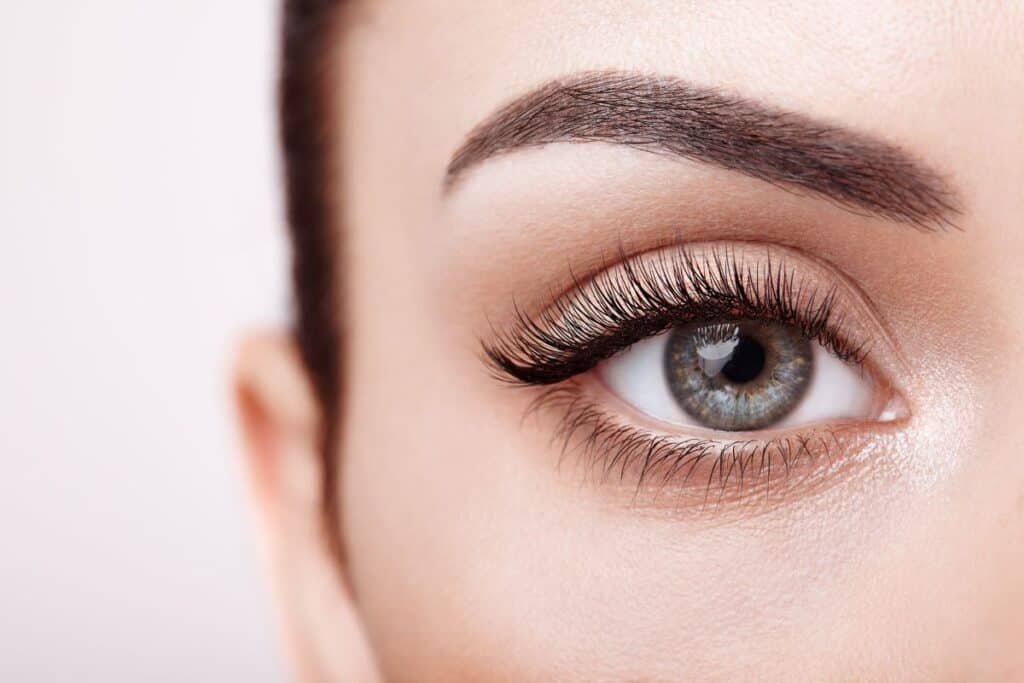
No aftercare method guarantees that every lash will keep the same angle until your next appointment.
As new lashes grow in, the result may look less uniform. That is not automatically a sign that you washed too often.
Gently Clean Your Lashes
Ask your technician when and how to begin cleansing after the specific treatment you received.
Do not apply a universal 48-hour ban if your system allows earlier washing. Equally, do not shorten the instructions for another system without checking.
Use gentle movements and avoid tugging at the lashes or rubbing the lash line.
Choose a cleanser or remover suitable for the eye area and compatible with your aftercare plan.
If you have a medical eyelid-cleaning routine, discuss it before treatment rather than stopping it on your own.
Keep A Disposable Mascara Wand Handy
A clean spoolie can help separate lashes that are sitting together after sleep, cleansing, or water exposure.
You can also get a pack of disposable spoolies (we like these on Amazon).
Use light strokes only when your eyes feel comfortable and your technician’s instructions allow brushing.
After water exposure, let the lashes dry first, then gently tidy them with a clean spoolie if your technician allows brushing.
Brushing can separate hairs, but it cannot reverse chemical overprocessing or repair broken lashes.
Do not keep brushing until the curl looks stronger. Repeated pulling is unnecessary.
Keep the brush clean and protected from bag debris, and do not share it.
Avoid Certain Mascaras
You may be able to wear mascara after the initial restriction, depending on your system. You do not have to avoid makeup for the entire life of the lift.
Waterproof mascara may take more effort to remove. The practical concern is choosing a formula and remover combination that does not require aggressive rubbing or repeated pulling at the lifted lashes.
Do not keep applying extra coats to force an uneven lash into a different shape.
Match the mascara to an appropriate remover and your technician’s product guidance. “Waterproof” and “water-based” labels alone do not tell you how gently a product will remove.
If your aftercare allows it, a water-based mascara may be an option. Check the formula and removal instructions rather than assuming it guarantees a longer-lasting lift.
Check Your Makeup Remover’s Compatibility
Oil restrictions vary by system. Ask whether they apply only during the initial aftercare window or for longer, rather than automatically applying lash-extension rules to a lash lift.
A lash lift is not the same as an extension service with adhesive bonds, so do not assume all extension-remover rules apply.
Avoid DIY oil treatments intended to flatten or correct the lift. Coating the lashes is not a controlled way to reverse the chemical process.
Choose an eye-area remover approved for your routine and use it gently. If it causes stinging or irritation, stop using it.
What To Do If You Accidentally Wet Your Lashes
First, distinguish plain water from a possible irritant. A splash during washing is very different from lift solution, cleanser, shampoo, or another chemical entering the eye.
For plain water with no eye symptoms, gently blot the surrounding skin, avoid rubbing or pressing on the lashes, and let them air-dry.
If your treatment’s early restrictions have passed, continue your normal gentle cleansing routine.
If it happened during the restricted period, check the aftercare sheet and contact the salon if you are unsure or notice a persistent change once the lashes are dry. A brief splash alone is not a cosmetic emergency.
If you suspect chemical eye exposure: start rinsing immediately with plenty of clean lukewarm running water and seek urgent medical advice. Do not delay rinsing to keep the lashes dry, and do not try to neutralise a chemical with another product. American Academy of Ophthalmology guidance identifies immediate irrigation as a priority after chemical exposure.
Gently Brush Them Into Place
Once dry, check whether the lashes are simply clumped together or whether the curl, direction, or symmetry has actually changed.
If they only need separating, use a clean spoolie with a very light touch, as your technician recommends.
Do not force kinked, frizzy, or crossed lashes into position with repeated brushing.
If they look unusually crimped, crossed, overcurled, or feel brittle, send a clear photo to the salon instead of adding mascara, oil, a lash curler, or another lifting product.
Let Them Dry
Let lashes air-dry naturally. There is no need to use heat.
Avoid repeatedly touching them to see whether they are still wet.
Do not clamp them with a lash curler, press them against a towel, or try to reshape them with your fingers.
Assess the result after drying, since water can temporarily make separate lashes sit together.
Contact Your Lash Technician
Contact your technician if the lashes remain uneven, seem overcurled, or you have questions about the product-specific restrictions.
Tell them the treatment date, the type of exposure, whether you rubbed the eyes, and what has changed. A photo in good lighting can help with a cosmetic assessment.
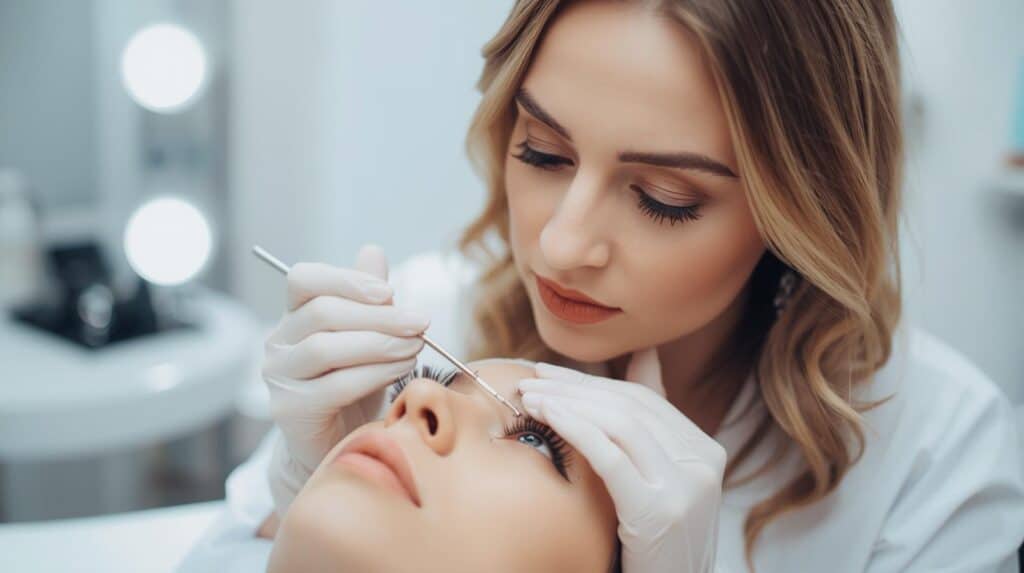
A technician can advise on the treatment, but eye pain, persistent redness, swelling, light sensitivity, or vision changes need medical advice. Do not wait for a salon reply if you suspect chemical eye exposure.
Takeaway
Getting a lash lift wet does not automatically ruin it. The right advice depends on the treatment system, how soon the exposure happened, whether it involved plain water or heat and steam, and whether you have any eye symptoms.
A lift chemically reshapes your natural lashes; it is not a temporary curl that necessarily disappears with a splash.
Let wet lashes air-dry, handle them gently, and avoid trying to fix the curl with heat, a lash curler, or more chemicals.
Keep the written aftercare instructions and ask the salon to clarify anything that does not match your treatment.
Follow any early water, steam, swimming, or makeup restrictions for the stated period.
You do not need to suppress tears, stop normal movement, or avoid hygiene to protect a beauty treatment.
After the restrictions end, normal gentle washing is part of caring for your lashes.
If the result still looks wrong once dry, ask for an assessment rather than booking an immediate repeat lift. Further chemical processing too soon may not be appropriate for your lashes.
If chemicals get into your eyes, rinse immediately and seek urgent medical guidance. Eye health always comes before the curl.
Related Articles
Can You Wear Mascara With A Lash Lift?
How Long After A Lash Lift Can I Shower?
Lash Lift Too Lifted – What You Can Do