
7 Best Hair Growth Products For Trichotillomania
There are many reasons why people experience hair thinning, including nutritional deficiencies, hereditary hair loss, medical conditions, and trichotillomania.
Trichotillomania, also called hair-pulling disorder, is a body-focused repetitive behavior and mental health condition involving repeated urges to pull out hair from the scalp, eyebrows, eyelashes, or other areas.
Repeated pulling can damage the skin and hair follicles. Hair may regrow when pulling is reduced or stopped, but long-term or repeated trauma can cause scarring or follicle damage that may permanently affect regrowth.
That is why the first priority is treating the hair-pulling behavior itself. Cosmetic scalp products may support comfort, reduce friction, or improve the feel of existing hair, but they do not treat trichotillomania and cannot guarantee regrowth from a damaged follicle.
Behavioral therapy, especially habit reversal training, is a main treatment approach for trichotillomania. Some people may also be offered medication by a clinician, although no medication is approved by the U.S. FDA specifically for trichotillomania.
When it comes to regrowing hair in pulled areas, the outlook depends on whether the follicles remain intact and whether pulling has stopped. A dermatologist can help assess whether spontaneous regrowth is likely or whether a separate hair-loss treatment should be considered.
So, what are the best hair growth products for trichotillomania?
There is no over-the-counter oil, vitamin serum, or cosmetic scalp product proven to treat trichotillomania itself. The products below are better viewed as supportive hair- and scalp-care options. They may condition dry hair, reduce friction, or improve scalp comfort, but they should not be expected to restart damaged follicles or reliably speed up regrowth on their own.
In this post, we look at scalp and hair-care products that may be useful alongside evidence-based treatment for trichotillomania, plus what each product can and cannot realistically do.
Buyer’s Guide
When it comes to hair loss, it is common to see products promoted with strong regrowth claims that do not apply equally to every cause of thinning.
It is important to separate evidence-based treatment for the pulling behavior from cosmetic products that mainly condition the scalp, reduce friction, or improve the feel of existing hair.
Hair-loss treatments are cause-specific. For example, topical minoxidil (Rogaine) is well established for certain types of pattern hair loss, but it is not a treatment for the pulling behavior itself and should not be assumed to restore hair where repeated pulling has permanently damaged follicles. A dermatologist can advise whether it is appropriate in an individual case.
Here are some practical points to consider when choosing supportive scalp or hair products for trichotillomania-related thinning:
Start With Gentle Scalp Care
Nutritional deficiencies, hormonal changes, hereditary loss, and scalp conditions can also contribute to thinning, so not every patch of hair loss in someone with trichotillomania is necessarily caused by pulling alone.
Trichotillomania is not simply an external scalp problem. It is a body-focused repetitive behavior, so addressing the urge and habit of pulling is central to preventing further mechanical damage.
Shampoos, scalp oils, and serums may help keep the hair and scalp comfortable, but they do not replace behavioral treatment. If the scalp is broken, bleeding, infected, crusted, or very inflamed, avoid experimenting with cosmetic products until a healthcare professional has assessed the area.
A balanced diet supports normal hair growth, but supplements are most useful when a deficiency is actually present. Addressing the pulling behavior remains the most important step for preventing repeated trauma to the same follicles.
For cosmetic care, prioritise products that are gentle, non-irritating, and easy to apply without excessive rubbing, scratching, or repeated touching of a pulling area.
Vitamins
Biotin is an essential vitamin, but true biotin deficiency is uncommon in otherwise healthy people.
There is not good evidence that extra biotin speeds hair growth in people who are not deficient, and it does not protect follicles from repeated pulling.
Topical biotin is common in cosmetic hair products, but it should be viewed as a conditioning ingredient rather than a proven treatment for trichotillomania-related hair loss.
Do not choose a product solely because it contains biotin. Formula gentleness, scalp tolerance, ease of use, and realistic claims matter more.
Deficiencies in nutrients such as iron or vitamin D can contribute to some forms of hair loss, but supplements should target a documented deficiency rather than being used as a blanket hair-growth treatment.
Collagen
Collagen is sometimes added to hair and scalp products for conditioning or film-forming benefits.
However, topical collagen has not been shown to repair damaged hair follicles or restart growth. It mainly works at the surface of the skin or hair.
If a product contains collagen, judge it on how well it conditions your hair or scalp rather than expecting a medical regrowth effect.
Natural Oils
Plant oils have a long history in hair care, but traditional use does not automatically mean they stimulate new follicle growth.
Plant oils such as castor, olive, coconut, and jojoba oil are mainly useful for coating the hair, improving slip, reducing friction, and softening dry strands.
Oils can help reduce dryness and make hair feel more flexible, but they are not proven to supply follicles with everything needed to restart growth after repeated pulling.
Claims that cosmetic oils reliably increase scalp circulation enough to speed hair growth are not well established.
If dryness or irritation is a personal pulling trigger, a gentle scalp product may feel more comfortable, but fragranced or essential-oil-heavy formulas can also irritate sensitive skin.
No oil should be presented as a treatment for the habit or urge to pull. Behavioral treatment is the evidence-based route for that part of trichotillomania.
Hair And Scalp Care Products To Consider
These products may support scalp comfort, conditioning, or the appearance of fuller hair, but none should be treated as a proven cure for trichotillomania or a guaranteed regrowth treatment:
| Rank | Product | Key Features |
|---|---|---|
| 1. | PHYTO Phytocyane Botanical Revitalizing Serum | Luxurious vials of powerful serum that nourishes the scalp and improves hair growth |
| 2. | Leonor Greyl Paris Tonique Vivifiant | Leave-in spray with collagen and amino acids that promotes new growth |
| 3. | Éprouvage Reviving Scalp Serum | Scalp serum that combines natural ingredients with patented hair-growth technology |
| 4. | Wild Growth Hair Oil | Affordable oil with many natural ingredients known for increasing hair growth and thickness |
| 5. | Luseta Biotin Hair Growth Serum | Lightweight serum with biotin and collagen |
| 6. | Trichup Oil | Ancient ayurvedic oil that heals the scalp and protects the hair to help it grow |
| 7. | IQ Natural Jamaican Black Castor Oil | 100% pure unrefined castor oil that increases hair thickness and promotes new growth |
1. PHYTO Phytocyane Botanical Revitalizing Serum
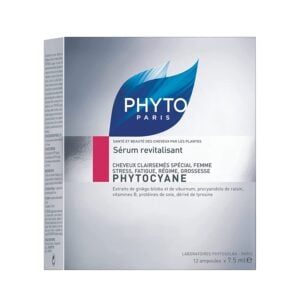
This revitalizing scalp serum contains a blend of botanical and conditioning ingredients, including ginkgo biloba.
It also contains silk and soy proteins plus a vitamin B complex.
The formula is marketed to support the look and feel of the scalp and hair. That is different from evidence that it can regrow hair specifically lost to trichotillomania.
The single-dose format can make scalp application convenient. Cosmetic serums may make existing hair look smoother or fuller, but they cannot guarantee new follicle growth.
The box comes with multiple small vials of the serum for individual applications.
To use this product, follow the package directions for opening the vial, section the hair, and apply the serum only as directed. Avoid vigorous rubbing over areas that are irritated or that trigger pulling.
User reviews can be useful for learning about texture and ease of use, but they cannot establish that a serum treats a medical or behavioral cause of hair loss.
There is not enough evidence to say this product treats trichotillomania-related hair loss. Consider it a scalp-care serum rather than a condition-specific treatment.
2. Léonor Grély Paris Tonique Vivifiant
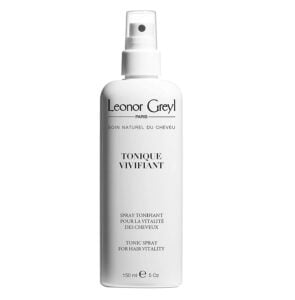
This Leonor Greyl tonic comes in a spray format rather than a dropper or vial-style serum.
It’s a leave-in scalp spray designed to condition the scalp and hair without requiring a rinse.
The formula includes tenuiflora mimosa, collagen, and amino acids. These ingredients may support cosmetic conditioning, but that does not demonstrate follicle regeneration or reliable regrowth after chronic pulling.
This product is best viewed as a scalp-conditioning treatment. It does not address the hair-pulling behavior, and regrowth will depend on whether the affected follicles are still capable of producing hair.
3. Éprouvage Reviving Scalp Serum
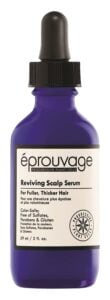
This Éprouvage scalp serum combines several botanical and cosmetic ingredients in a lightweight leave-in format.
The serum is intended to support the appearance of fuller, healthier-looking hair and provide scalp conditioning.
It contains Redensyl, a cosmetic ingredient marketed for fuller-looking hair. Any brand or ingredient claims about percentage increases in hair growth should not be assumed to apply to trichotillomania or to every user.
In addition, this serum contains Egyptian blue lily and French oak extract. These are cosmetic botanical ingredients, so the more practical question is whether the formula feels comfortable and non-irritating on your scalp.
If you try this product, judge it by scalp comfort and the appearance of existing hair over time rather than expecting a fixed regrowth timeline.
4. Wild Growth Hair Oil
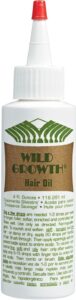
This type of conditioning oil is sometimes discussed in online hair-care communities, but anecdotal popularity should not be confused with evidence of regrowth after hair pulling.
This hair oil uses a rich plant-oil blend that can coat dry strands, improve slip, and reduce friction-related breakage.
This bottle combines several familiar plant oils, including coconut oil, olive oil, jojoba oil, and pumpkin seed oil.
It also contains essential oils, which can add fragrance and a sensory feel but may irritate some scalps. Stop use if you develop burning, itching, or redness.
The fragrance is noticeable, so it may not suit people who prefer fragrance-free scalp products or who are sensitive to essential oils. Its main practical role is conditioning and reducing friction rather than proven regrowth.
5. Luseta Biotin Hair Growth Serum
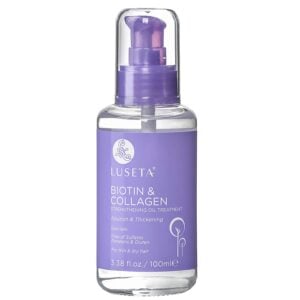
This simple serum combines biotin and collagen, two common cosmetic hair-care ingredients. Neither is proven to treat trichotillomania or reliably regrow hair from follicles damaged by pulling.
Use the serum according to the current label directions rather than relying on a fixed amount for every hair length or density. Apply gently so the routine itself does not involve unnecessary rubbing or handling of vulnerable areas.
Used as directed, it may help the hair feel smoother and more conditioned, which can reduce friction-related breakage during styling.
If heavier scalp oils tend to weigh your hair down, a lighter serum texture may be easier to fit into your routine. How greasy it feels will depend on your hair density and how much you apply.
6. Trichup Oil
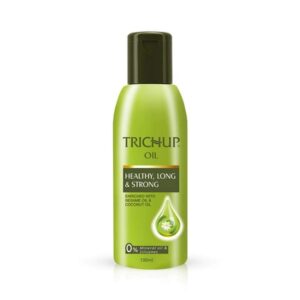
Trichup oil is an herbal hair oil marketed around Ayurvedic-inspired hair-care traditions.
Its base includes sesame and coconut oil, which can help coat dry hair and improve slip.
The sesame- and coconut-oil base can help lubricate dry hair and reduce friction. It should not be expected to make damaged follicles regrow faster.
If scalp massage is not a pulling trigger for you, apply a small amount according to the product directions. Avoid vigorous rubbing, scratching, or repeated manipulation of broken or irritated skin.
Because it is an oil-based product, you may prefer to leave it on only for the label-recommended period and shampoo it out if it feels heavy.
Use frequency should follow the product directions and your scalp tolerance. There is no evidence that applying it two or three times per week guarantees regrowth.
7. IQ Natural Jamaican Black Castor Oil
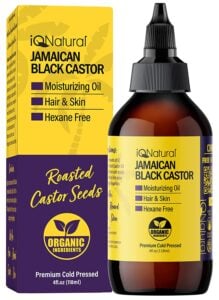
Jamaican black castor oil is a thick castor-oil product commonly used to coat and condition dry hair and scalp.
Castor oil is often promoted as a hair-growth oil, but good clinical evidence that it stimulates new hair growth is lacking.
Its thick texture can make existing hair look shinier or feel more coated, but that cosmetic effect should not be confused with creating new follicles or increasing growth rate.
If you like simple oil-based hair care, castor oil is an inexpensive conditioning option. Patch-test according to the product directions and avoid applying it to broken, inflamed, or infected scalp skin.
Related Articles
Does Damaged Hair Grow Back Healthy?
Coconut Oil And Aloe Vera For Hair Growth
White Peony For Hair Loss And Growth – Does It Work?