
Coconut Oil And Aloe Vera For Hair Growth
Coconut oil and aloe vera are popular DIY hair-care ingredients, but their most realistic benefits are conditioning, softness, reduced friction, and improved manageability rather than dramatically faster hair growth.
You can use these ingredients individually or together, depending on whether your hair benefits more from coconut oil’s richer coating effect or aloe vera’s lighter, water-rich feel.
Used appropriately, they may improve softness, manageability, and breakage resistance for some hair types, which can help you retain more length over time.
Aloe vera is commonly used for its cooling and soothing feel on skin, including after mild sun exposure or minor irritation.
Aloe vera gel may also feel soothing when used on its own, although fragranced or preserved formulas can still irritate sensitive skin.
Aloe vera is commonly used to formulate other beauty products as well.
Coconut oil is commonly used in both cooking and personal care, but hair application should be kept separate from food-use containers to reduce contamination.
It is widely used as a cooking oil, and in beauty routines it can act as an emollient that helps reduce moisture loss from the hair and skin.
It is also used as a carrier oil in some cosmetic formulas, although homemade mixtures do not automatically have the preservation or stability of commercial products.
Can you use coconut oil and aloe vera for hair growth?
Coconut oil and aloe vera can help some hair feel softer, reduce friction, and limit breakage, which may improve length retention. However, there is not strong evidence that either ingredient directly speeds growth from the follicle. If your main concern is shedding or slow growth, the underlying cause matters more than any DIY mask.
The safest way to use them is as optional conditioning or pre-wash steps rather than as a replacement for shampoo, conditioner, or treatment of an underlying scalp condition.
These ingredients are not ideal for every scalp or hair type. Patch-test if you are sensitive, start with small amounts, and stop if you notice itching, burning, increased flaking, folliculitis, stiffness, or heavy buildup.
Coconut Oil And Aloe Vera For Hair At A Glance
- Best for: softness, lubrication, reducing friction, and helping some hair retain length by breaking less.
- Coconut oil: richer and more coating, often better suited to dry, porous, coarse, or chemically treated lengths.
- Aloe vera: lighter and more water-rich, but some gels can dry stiff, flake, or irritate sensitive skin.
- For the scalp: use cautiously if you are prone to dandruff, folliculitis, acne, or product buildup.
- For faster growth: neither ingredient has strong evidence for directly increasing follicle growth rate.
Coconut Oil Benefits For Hair
Reduces Breakage
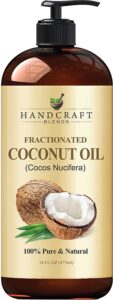
Coconut oil can be useful as a pre-wash or finishing oil for some hair types.
For example, you can apply a small amount of coconut oil to the mid-lengths and ends before washing to help reduce some protein loss and friction. Scalp use is optional and may feel too heavy for oily or buildup-prone scalps.
You can also use a very small amount after cleansing to smooth the ends and reduce friction, especially on coarse or porous hair.
Hair is more vulnerable to stretching and friction when wet, so gentle handling, conditioner, and a little oil on suitable hair types may help reduce breakage.
Minimises Protein Loss
Healthline summarizes research suggesting that coconut oil can reduce protein loss from both damaged and undamaged hair.
Hair is made largely of keratin protein, and chemical processing, heat, and weathering can weaken the hair fiber over time.
Additionally, hair protein can be easily damaged by harsh environmental factors or chemical treatments.
Coconut oil may help reduce some protein loss, but it cannot repair severely damaged hair back to its original structure.
Shields Against the Environment
Your environment and styling habits can affect how quickly hair becomes weathered, dry, or rough.
For example, factors such as the sun, hard water, pollution, and smoke can affect hair.
No single oil can completely protect hair from these factors, but reducing friction and keeping the lengths conditioned can make the hair easier to manage.
Using a small amount of coconut oil can coat the hair surface and reduce friction, but it does not create a complete shield against UV exposure, hard water, pollution, or smoke.
For compatible hair types, a small amount can also leave the lengths feeling smoother and more conditioned.
Promote Growth
There is limited evidence that coconut oil directly increases hair-growth rate, but it may help with conditioning and length retention by reducing breakage in some hair types.
Keeping the scalp comfortable and reducing breakage can make hair look fuller or help you retain more length, but that is different from stimulating new follicle growth.
Scalp conditions can affect hair shedding or comfort, but normal hair growth is influenced by genetics, hormones, nutrition, health, and the hair-growth cycle.
Coconut oil may reduce dryness for some people, but it can also feel occlusive or contribute to buildup on others.
How To Use Coconut Oil On The Hair
Condition
Coconut oil can work as a pre-shampoo oil or finishing emollient, but it does not provide the same detangling and conditioning system as a well-formulated rinse-out conditioner.
You can use it before shampooing or apply a small amount after conditioning. Mixing extra oil directly into a finished conditioner is optional and may make the product harder to rinse or change how it performs.
Some hair will feel smoother with coconut oil, while fine or low-porosity hair may feel coated or weighed down.
It is inexpensive compared with many specialty hair oils, but use only as much as your hair can absorb comfortably to avoid unnecessary buildup.
Scalp Treatment
Hair oiling has a long history in many beauty traditions and is often used for conditioning, detangling, or scalp massage.
Hair oiling often involves gently massaging oil over the scalp or lengths for comfort and conditioning.
Scalp massage may feel relaxing, but it should not be treated as a guaranteed hair-growth treatment.
If your scalp tolerates coconut oil, use a small amount and wash it out after a short pre-shampoo treatment. Leaving it on overnight is not necessary and may worsen buildup, folliculitis, or scalp discomfort in some people.
Hair Mask
Coconut oil can also be used as a richer pre-wash hair mask.
Some hair types find coconut oil too heavy for leave-in use and tolerate it better as a short pre-wash treatment that is shampooed out afterward.
This method may suit dry, porous, or chemically treated hair, but severely damaged hair can still require trimming and gentler styling practices.
You can use coconut oil by itself or mix it with aloe vera to create a DIY hair mask.
Pre-Wash Treatment
Coconut oil can be useful as a pre-wash treatment, especially on dry or porous lengths.
How often do you use styling products in between hair wash days?
Product buildup can occur between wash days, but coconut oil does not function like a clarifying cleanser. Shampoo or an appropriate clarifying product is what removes most styling residue and scalp oil.
Aloe Vera Benefits For Hair
Soothes Scalp Irritation
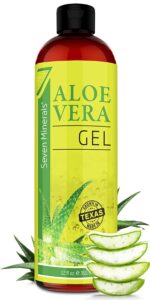
Aloe vera is commonly used for its cooling, lightweight, and soothing feel.
It may also feel soothing on some dry or mildly irritated scalps, although it is not a treatment for every scalp condition.
Scalps can become itchy, flaky, or uncomfortable for many reasons, and those symptoms should not all be treated as simple dryness.
Aloe vera may help calm a dry or mildly irritated scalp for some people, but evidence is limited and individual reactions vary.
If you use aloe vera on the scalp, choose a simple formula and stop if it causes burning, itching, or increased redness.
Persistent itching or flaking may come from dandruff, dermatitis, psoriasis, allergy, or another condition and may need targeted treatment.
Promote Growth
There is not strong evidence that aloe vera directly stimulates hair growth.
It may help hair feel softer or more manageable, depending on the formula and your hair type.
A comfortable, healthy scalp is important for overall hair care, but it does not automatically increase the rate of new growth.
If your scalp tolerates it, aloe vera can be used as a short pre-wash scalp step before shampooing, but it is optional rather than necessary for growth.
Strengthens Strands
Aloe vera contains water, polysaccharides, and small amounts of various compounds, but applying it topically does not “feed” the hair enough vitamins to rebuild the hair fiber.
Aloe-based products may coat and hydrate the hair surface, which can improve slip and softness for some users.
Healthline notes that aloe vera contains water, plant compounds, vitamins, enzymes, and fatty-acid components, although topical aloe should not be treated as a way to rebuild the hair fiber with nutrients.
Boosts Moisture
Aloe vera can add a lightweight hydrated feel for some hair types, although others may find certain gels sticky, stiff, or drying after they dry down.
If your hair feels dry, rough, or lacklustre, aloe vera may add lightweight slip or softness, especially when used alongside a regular conditioner.
Its water-rich gel base can help with slip and temporary softness, especially when paired with a conditioner or other emollient ingredients.
How To Use Aloe Vera On The Hair
Hair Mask
Aloe vera can be used as part of a hair mask if your hair and scalp tolerate it.
Hair masks are mainly useful for extra conditioning, lubrication, and softness rather than supplying living hair with nutrients.
You can use an aloe vera mask alone or combine a small amount with coconut oil if your hair benefits from richer conditioning.
You may notice improved slip or manageability, although results vary by hair type and product formula.
Pre-Wash Treatment
Aloe vera may provide a cooling, lightweight scalp feel, but it does not infuse follicles with nutrients or strengthen roots from the outside.
As a pre-wash, aloe gel may add slip, but shampoo or a cleanser is still needed to remove product buildup, oil, dirt, and debris.
Pre-wash treatments mainly condition the hair fiber and can reduce friction during washing; they do not strengthen follicles or saturate the roots with nutrients.
Use aloe vera for a short pre-wash period and rinse if it feels sticky or irritating. Overnight use is not necessary and may increase scalp irritation or residue for some people.
Styling Gel
Aloe vera gel can also work as a lightweight styling aid for some hair types.
Commercial hair gels vary widely; many are designed to provide hold without being unusually harsh or drying.
Aloe vera gel may provide light hold or slickness, but it is usually weaker than a dedicated styling gel and does not supply the hair with nutrients in a way that makes it structurally stronger.
You can experiment with aloe vera as a lightweight styler, but test for flaking, stiffness, or incompatibility with your other products.
Simple Coconut Oil And Aloe Vera Pre-Wash Method
- Start with a small amount of aloe vera gel and an even smaller amount of coconut oil. There is no universal ratio because hair density and porosity vary.
- Mix only enough for one use rather than storing a homemade blend for repeated use.
- Apply mainly to the mid-lengths and ends. Use on the scalp only if you already know both ingredients agree with your skin.
- Leave it on for roughly 15 to 30 minutes rather than assuming overnight use is better.
- Shampoo thoroughly and follow with conditioner if your hair still feels dry or tangled.
If your hair feels greasy, stiff, waxy, or coated afterward, use less product next time or skip the ingredient that appears to be causing the problem.
How To Use Coconut Oil And Aloe Vera Together
As A Hair Mask
You can mix small amounts of coconut oil and aloe vera for a simple pre-wash mask if both ingredients suit your hair.
Apply the mixture mainly through the mid-lengths and ends. Scalp application is optional and should be skipped if you are prone to buildup, folliculitis, or irritation.
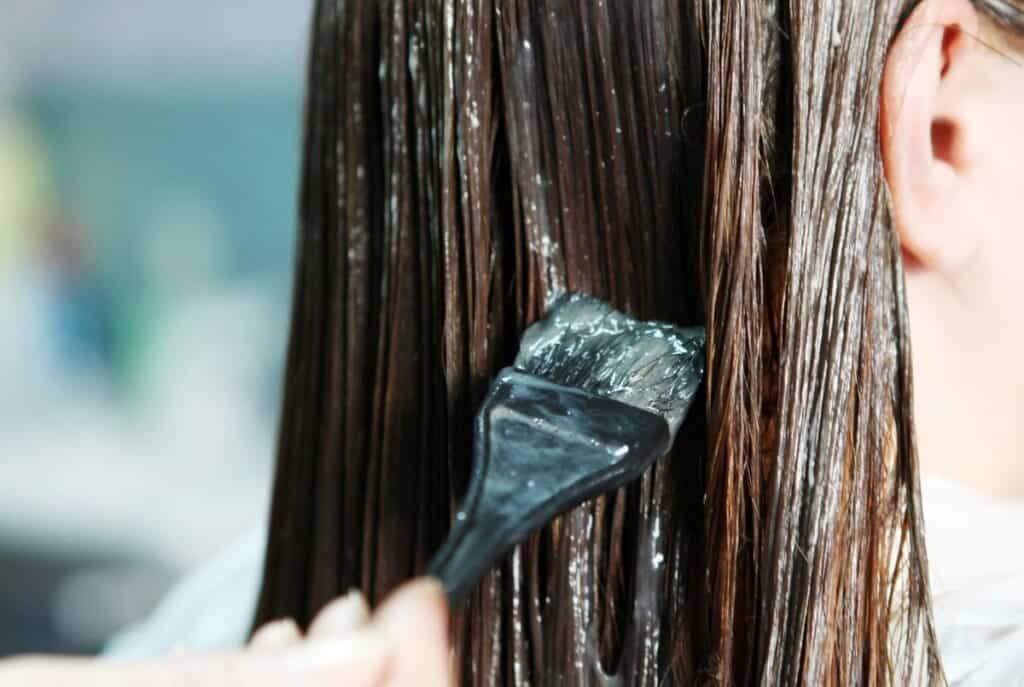
Leave it on for about 15 to 30 minutes, then rinse and shampoo as needed. Longer is not necessarily better.
Additionally, be sure to rinse, shampoo, and condition your hair thoroughly, as coconut oil can feel heavy, while aloe vera can leave a film-like residue.
Conditioner
If you want extra softness, it is usually better to layer coconut oil or aloe vera separately rather than altering the conditioner inside its original container.
Rather than mixing ingredients into the bottle, it is usually safer to layer a small amount of oil or aloe separately so you do not alter the preservative balance or texture of a finished conditioner.
Both ingredients may improve softness and slip for some hair types, mainly by coating and conditioning the hair surface.
They are not reliable substitutes for a rinse-out conditioner because they do not provide the same balanced detangling, conditioning agents, and formulation stability.
Pre-Wash Treatment
Pre-wash treatments can be useful for reducing friction or dryness, but they are not required for hair growth.
Using coconut oil and aloe vera as a pre-wash treatment may reduce friction and improve softness, but it does not guarantee scalp health, remove buildup, or stimulate new hair growth.
A short pre-wash period is usually sufficient. Overnight application can increase residue or irritation and is not necessary for better results.
Who Should Be Cautious With Coconut Oil Or Aloe Vera?
These ingredients are simple, but they are not automatically suitable for every scalp or hair type.
- Fine or low-porosity hair: coconut oil may feel heavy or coated, especially as a leave-in.
- Folliculitis- or acne-prone scalp: heavy oiling may worsen buildup or bumps for some people.
- Sensitive or allergy-prone skin: aloe products can contain fragrance, preservatives, alcohols, or botanical additives that may irritate.
- Persistent dandruff, sores, severe itching, or unusual shedding: do not rely on DIY treatments alone. These concerns may need a targeted diagnosis and treatment plan.
Why Do Coconut Oil And Aloe Vera Work Well Together?
Coconut oil and aloe vera can complement each other because coconut oil adds an emollient coating while aloe vera contributes a lighter, water-rich gel texture. That combination can feel balanced on some dry or porous hair, but not on every hair type.
Both are often well tolerated, but either can trigger irritation, allergy, buildup, or an undesirable coated feel in some users.
They are both versatile conditioning ingredients, but their main evidence-based role is improving the feel of the hair rather than increasing growth rate.
Potentially Promote Growth
Neither coconut oil nor aloe vera has strong evidence showing that it directly increases hair-growth rate.
They may help some scalps feel less dry or irritated, but scalp health still depends on appropriate cleansing and treatment of any underlying condition.
They may reduce friction and improve manageability, particularly on dry or porous lengths.
If they reduce breakage or dryness for you, they may help with length retention, which can make hair appear to grow better even though the follicle growth rate has not changed.
Generally Well-Tolerated
Coconut oil and aloe vera are both generally well-tolerated ingredients.
Even without a known allergy, either ingredient can cause irritation or contact dermatitis, and coconut oil may aggravate some acne- or folliculitis-prone scalps.
If you have a history of sensitive skin, contact dermatitis, or scalp reactions, perform a patch test and seek medical advice if symptoms are persistent or severe.
Produces Soft & Smooth Strands
For compatible hair types, coconut oil and aloe vera may leave the strands feeling softer and easier to manage.
They may reduce dryness-related frizz and friction, but they cannot guarantee frizz-free hair or rebuild damaged strands through vitamins alone.
They can also be used sparingly between washes for softness or light styling, provided they do not leave your hair greasy, stiff, or coated.
Coconut Oil And Aloe Vera Hair FAQs
Can Coconut Oil And Aloe Vera Make Hair Grow Faster?
There is not strong evidence that either ingredient directly increases the rate of growth from the follicle. If they reduce breakage and dryness for you, they may help you retain more of the hair you grow.
Can You Leave Coconut Oil And Aloe Vera In Your Hair Overnight?
You can, but longer is not necessarily better. Overnight use may increase buildup, greasiness, stiffness, scalp irritation, or folliculitis in some people. A short pre-wash period is usually enough to judge whether the combination benefits your hair.
How Often Can You Use Coconut Oil And Aloe Vera?
There is no fixed schedule. Start occasionally and adjust based on how quickly your hair becomes coated, dry, or weighed down. Fine or buildup-prone hair may need it far less often than coarse, porous hair.
Can Aloe Vera Cause Dry Hair?
Some aloe gels can dry stiff, sticky, or flaky depending on the formula and what they are layered with. If your hair feels rougher after use, reduce the amount, pair it with a conditioner, or stop using it.
Final Takeaway
Coconut oil and aloe vera are best viewed as conditioning tools, not hair-growth treatments. Coconut oil can reduce friction and protein loss for some hair, while aloe vera may add lightweight slip and a soothing feel.
If your goal is longer hair, preventing breakage can help with length retention, but persistent shedding, thinning, or a sudden change in growth deserves attention to the underlying cause rather than stronger DIY mixtures.
Related Articles
Macadamia Oil Vs. Argan Oil For Hair