
Preparing For Microblading (What To Know)
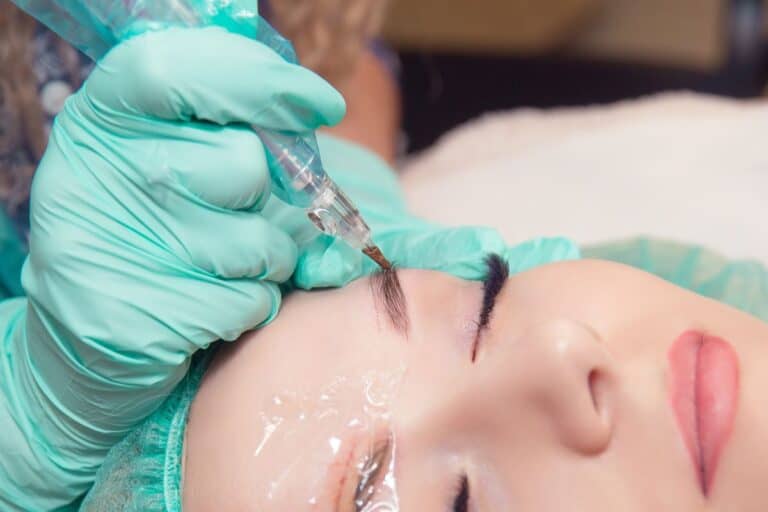
Microblading is a cosmetic tattoo procedure, not a routine brow appointment. A handheld tool creates fine, hair-like strokes in the upper layers of the skin and deposits pigment to imitate eyebrow hairs.
The best way to prepare for microblading is to start with three priorities: choose a qualified artist, make sure the brow area is healthy and unbroken, and plan the appointment around your medications, skin care, other cosmetic treatments, and healing time.
How should you prepare for microblading?
Choose a properly licensed and hygienic artist, disclose your medical history and medications, avoid arriving with irritated or recently treated skin, and follow the clinic’s written preparation instructions. Never stop prescribed medicine simply because a salon tells you to.
Exact timelines vary because local regulations, pigment systems, skin conditions, and medical histories differ. Use online microblading checklists as planning guides, then confirm the details with your artist and, when a medical issue is involved, the appropriate healthcare professional.
Start With the Artist, Not the Calendar
A beautiful portfolio is useful, but it is not enough. Microblading breaks the skin, so infection control, professional training, and healed results matter just as much as fresh brow photos.

Before paying a deposit, ask:
- Is the artist licensed or registered where local law requires it?
- Are blades and needle cartridges sterile and single-use?
- Are disposable items opened in front of each client?
- How are reusable surfaces and tools disinfected?
- Which pigment brand, lot number, and expiration date will be used?
- Does the artist carry professional insurance?
- Can you see healed results as well as freshly completed brows?
- Will you receive written consent and aftercare instructions?
- What is the policy if you develop a reaction or poor healing?
The FDA fact sheet lists infection, allergic reactions, granulomas, keloid formation, scarring, pigment problems, and difficult removal among the risks of tattoos and permanent makeup.
Even sealed pigment can be contaminated. A clean-looking studio does not replace sterile supplies and proper hand hygiene.
How To Prepare For Microblading: Timeline
| When | What to Review |
|---|---|
| Before booking | Licensing, portfolio, hygiene, medical history, pigment policy, and aftercare |
| Several weeks before | Coordinate injectables, peels, laser treatments, microneedling, or prescription skin care |
| About one week before | Avoid irritating the brow area with waxing, aggressive exfoliation, or tanning |
| 24-48 hours before | Follow the artist’s alcohol and lifestyle instructions without changing medication |
| Appointment day | Arrive healthy, fed, hydrated, and with clean, calm skin |
These are practical planning windows rather than universal medical rules. The brow area should be fully recovered from nearby cosmetic procedures before microblading begins. If a treatment leaves you swollen, peeling, tender, bruised, or unusually sensitive, the skin is not ready simply because a certain number of days has passed.
Coordinate Other Cosmetic Treatments
Botox and Other Neuromodulators
Botox can temporarily change the position and movement of the brow area.
It is sensible to let the result settle before an artist maps permanent-looking brow strokes. However, there is no single evidence-based waiting period that fits every client.
Coordinate the order and timing with both providers. Our guide to coordinating Botox and microblading covers the practical considerations.
Dermal Fillers
Filler placed near the forehead, temples, or brows may temporarily change facial proportions or produce swelling.
Wait until swelling and visible changes have settled and both providers agree that the brow can be mapped accurately.
The original claim that microblading itself is likely to make distant filler migrate is not well established. The more realistic concern is performing two procedures before swelling and appearance have stabilized.
For general filler aftercare, see our article about wearing lipstick after filler.
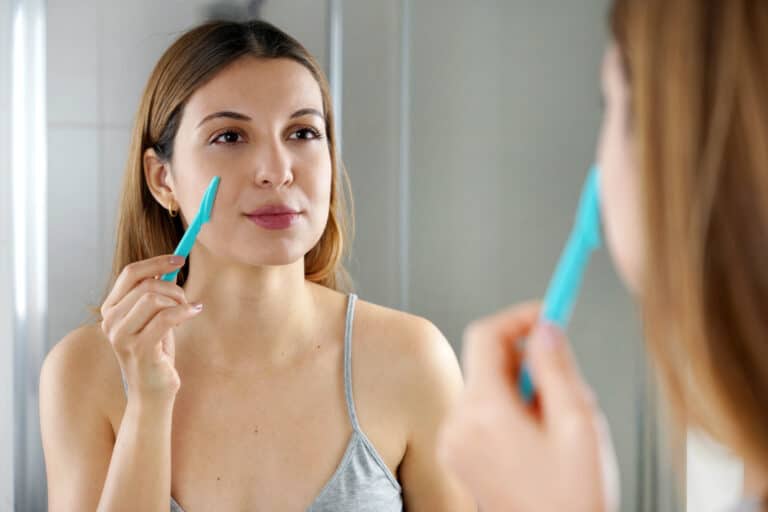
Waxing, Threading, and Tweezing
Do not arrive with freshly irritated skin.
Waxing and threading can leave temporary redness or surface damage, while extensive tweezing may remove hairs the artist needs for mapping.
Many artists ask clients to leave the brows alone for roughly a week before the appointment. Follow the timeline given by your clinic, especially if waxing or threading tends to leave you red, tender, or irritated. The goal is to arrive with intact skin and enough natural brow hair for accurate mapping.
Chemical Peels and Strong Facials
Peels, resurfacing facials, laser treatments, and similar services can leave the skin inflamed, flaky, or more sensitive.
Microblading should not be performed through peeling, sunburned, or recently injured skin. Wait until the brow area has fully healed and obtain clearance from the treating provider when necessary.
Our guides explain the different types of facials and chemical peel depths.
Microneedling
Microneedling and microblading both create controlled skin injury, although they have different purposes.
Do not overlap them on skin that is still red, sore, peeling, or healing. Wait for complete recovery and coordinate with the clinician who performed the microneedling.
Read more about whether microneedling is permanent.
Pause Irritating Skin Care Near the Brows
Retinoids, alpha-hydroxy acids, beta-hydroxy acids, scrubs, and some prescription acne treatments can make the brow area dry, flaky, or reactive.

Ask the artist which topical products they want paused around the brow area and for how long. If an over-the-counter product has already made the skin dry, stinging, flaky, or irritated, give the area time to recover before the appointment.
Do not independently stop a prescribed retinoid or acne medication. Contact the prescriber and explain that you are considering cosmetic tattooing.
Protect the Skin From Sun and Tanning
Do not microblade sunburned or actively peeling skin.
Excess UV exposure can inflame the area before treatment and may contribute to faster pigment fading afterward. Avoid deliberate tanning before the appointment and protect the brow region with shade, a hat, and sunscreen. If sunscreen itself irritates the area, use physical shade and ask your clinician or artist about a suitable option rather than applying a product that makes the skin react.
Postpone the service if the area is red, hot, tender, blistered, or peeling.
The Medication Rule That Overrides Salon Advice
Never stop aspirin, anticoagulants, prescription medicine, or medically recommended supplements solely because a brow artist tells you to.
Blood-thinning medicines may increase bleeding, but suddenly stopping them can create serious health risks.
The NHS guidance says anticoagulants should only be stopped on the advice of a healthcare professional.
Tell the artist and your clinician about:
- Prescription anticoagulants
- Aspirin or anti-inflammatory medicines
- Bleeding or clotting disorders
- Immunosuppressive medication
- Prescription retinoids
- Diabetes medication
- Previous allergic reactions to tattoo pigments or anesthetics
Your clinician may approve the service, recommend postponing it, or explain additional precautions. The artist should not make that medical decision alone.
Alcohol, Caffeine, and Exercise: What Is Realistic?
Alcohol
Many clinics ask clients to avoid alcohol for approximately 24 hours before microblading because it may increase bleeding or make the appointment less comfortable.
Follow the clinic’s written policy. If you drank alcohol inside the clinic’s restricted window, tell the artist rather than hiding it or trying to compensate by changing medication or other parts of your routine.
Caffeine
Caffeine is not automatically a blood thinner. The common claim that one cup of coffee will inevitably ruin microblading is overstated.
Some artists still ask clients to avoid it because caffeine can increase jitteriness, anxiety, or heart rate in sensitive people.
If you accidentally drank coffee, contact the artist rather than assuming the service must be canceled. Our article about coffee before microblading explains the next steps.
Exercise
A normal workout days before the appointment does not permanently “open pores” or prevent pigment from entering the skin.
However, avoid arriving overheated, sweaty, or with irritated skin. A hard workout immediately beforehand can make it more difficult to keep the brow area clean and comfortable, especially if you need to rush straight from exercise to the appointment.

Red Flags That Mean Reschedule
Do not proceed when the treatment area has:
- Sunburn or active peeling
- Open cuts, sores, or blisters
- A bacterial, viral, or fungal infection
- An active eczema, psoriasis, or dermatitis flare
- Unexplained swelling or a new rash
- Recent cosmetic-treatment irritation
Also consider rescheduling if you have a contagious illness or feel too unwell to sit comfortably through a prolonged cosmetic procedure.
The FDA has received reports of infections and allergic reactions from tattoo and permanent-makeup pigments. Read its tattoo guidance.
When Medical Clearance Makes Sense
Speak with an appropriate healthcare professional before booking if you:
- Take anticoagulants or have a bleeding disorder
- Have diabetes or delayed wound healing
- Are immunocompromised
- Have a history of keloids or hypertrophic scars
- Have active skin disease near the eyebrows
- Have reacted to tattoo pigment, hair dye, anesthetic, or cosmetics
- Recently used isotretinoin or another prescription affecting the skin
- Are preparing for surgery or another medical procedure
Microblading can be considered for some people with eyebrow loss, including alopecia, but the AAD advice recommends discussing it with a dermatologist first. The cause of the hair loss, the condition of the skin, and the likelihood of future changes to the brow area can all affect whether cosmetic tattooing makes sense.
Our guide also examines microblading for alopecia.
Pregnancy and Breastfeeding
Research specifically evaluating microblading pigments, numbing products, and procedural risks during pregnancy or breastfeeding is limited.
Because this is an elective procedure that breaks the skin, many artists and clinics defer treatment until after pregnancy and, in some cases, breastfeeding.
Do not rely on the artist alone for medical clearance. Discuss the procedure, pigment, and topical anesthetic with your obstetric clinician.
What Not To Do Before Microblading
A simple way to prepare is to avoid anything that leaves the brow area irritated, changes the brow shape before mapping, or creates a medical question that has not been resolved.
- Do not stop prescription medicine, aspirin, anticoagulants, or medically recommended supplements without advice from the appropriate healthcare professional.
- Do not arrive with sunburn, peeling, open skin, a rash, an infection, or an active dermatitis flare around the brows.
- Do not schedule microblading before swelling or irritation from nearby injectables, peels, lasers, microneedling, waxing, or threading has settled.
- Do not aggressively exfoliate or repeatedly test new active skin care around the brows right before the appointment.
- Do not hide recent illness, cosmetic treatments, medication use, or a previous reaction to tattoo pigment or anesthetic from the artist.
These precautions are more useful than trying to memorize one universal list of exact waiting periods. Healthy, stable skin and clear communication matter more than hitting an arbitrary date on the calendar.
Appointment-Day Checklist
- Eat a normal meal unless your healthcare professional says otherwise.
- Drink water and arrive well rested.
- Wash your face gently and avoid irritating products.
- Bring your medication and allergy list.
- Bring reference photos, but expect the artist to adapt them to your face.
- Tell the artist about recent treatments, illness, or skin changes.
- Review the mapped brow shape while sitting upright.
- Confirm the pigment shade before the first stroke.
- Ask for the pigment brand and lot information for your records.
You do not need to arrive with perfectly styled brows. In fact, leaving your natural brow hairs visible can help with mapping. The artist should draw and review the shape before beginning, and you should have a chance to approve the outline and pigment direction before the first stroke.
Plan for Healing Before You Book
Microblading commonly causes temporary tenderness, mild swelling, flaking or crusting, and changes in how dark the pigment looks during healing.
Schedule the appointment for a period when you can follow the artist’s aftercare instructions consistently. That may mean avoiding swimming, picking, aggressive skin care near the brows, and makeup directly over the healing area until the artist says it is appropriate.
Our guide explains when to wear makeup after microblading.
Contact a healthcare professional if you develop worsening pain, spreading redness, pus, fever, significant swelling, red streaks, or a rash that continues to expand.
Personal experience videos can show the cosmetic process, but they cannot predict how your skin will heal.
Microblading Preparation FAQ
Should I Wax or Thread My Brows Before Microblading?
It is usually better not to shape the brows immediately before the appointment. Waxing and threading can leave temporary redness or surface irritation, and extensive tweezing can remove hairs the artist may want to use for mapping. Follow your artist’s preferred timeline and arrive only when the skin is calm.
Can I Drink Coffee Before Microblading?
Coffee does not automatically ruin a microblading appointment. Some artists ask clients to avoid caffeine because it can increase jitteriness, anxiety, or heart rate in sensitive people. Follow the clinic’s policy, and if you already had coffee, contact the artist rather than assuming you must cancel.
Can I Wear Makeup To My Microblading Appointment?
You do not need brow makeup for the artist to map your shape. Follow the clinic’s instructions about arriving with a clean face or removing makeup around the brows, and avoid putting irritating products on skin that will be tattooed.
What If My Skin Is Irritated On Appointment Day?
If the brow area is sunburned, peeling, cut, infected, unusually swollen, or in an active eczema, psoriasis, or dermatitis flare, postpone the procedure. Microblading should be performed on healthy, intact skin.
Your Go-or-Wait Decision
Proceed when the brow area is healthy, your medical questions have been answered, the shape and pigment plan make sense to you, and you trust the artist’s hygiene and technique.
Wait when your skin is inflamed, another treatment has not settled, you are ill, or a medication question remains unresolved. Cosmetic tattooing is elective, so there is no benefit to forcing an appointment when the skin or timing is not right.
A microblading appointment is worth postponing when the skin or medical circumstances are not right. A delayed service is easier to manage than an infection, allergic reaction, scar, or permanent shape you regret.
More Brow Guides
Can You Get Microblading for Alopecia?
When Can You Wear Makeup After Microblading?
Brow Lamination vs Microblading