
How To Coordinate Botox And Microblading
With so many minimally invasive cosmetic procedures available, it can be hard to figure out how to coordinate them and how much recovery time to leave between appointments.
Lip fillers, Botox, microblading, permanent makeup – the list goes on.
If you are considering more than one procedure around the same area of the face, timing matters because swelling, skin healing, and changes in muscle position can affect the next treatment.
Microblading and Botox Cosmetic injections are two different procedures that may both involve the brow and forehead area.
Microblading works on the eyebrow skin, while Botox Cosmetic may be injected into muscles around the forehead and glabellar area, so the treatment zones can be close together.
So, if you’re getting them both, it’s important to coordinate them properly.
The goal is to avoid unnecessary irritation and to make sure temporary changes in brow position from Botox do not complicate eyebrow mapping.
Both can have effects that last for months, and microblading pigment can persist much longer, so careful planning is worthwhile.
So, how do you properly coordinate Botox and microblading?
Botox and microblading can often be done by the same person at different times, but there is no universal rule that microblading must always come first. Avoid same-day treatment and coordinate both providers so Botox has time to settle or the microbladed skin has time to heal before the next procedure.
In this post, we will discuss the best way to coordinate the two procedures so that you have the most beautiful results.
What You Need To Know About Botox
Botox Cosmetic is a prescription form of onabotulinumtoxinA, a purified botulinum toxin type A protein.
When prescribed and injected by a qualified medical professional, it has established cosmetic uses, but it still carries contraindications, side effects, and a boxed warning about the potential spread of toxin effects.
Botox Cosmetic is FDA-approved for the temporary improvement of specific moderate-to-severe facial lines and platysma bands in adults.
It is injected into selected muscles and temporarily reduces the muscle activity responsible for certain expression lines.
This can make areas such as the forehead look smoother while the treatment is active, but it should not be described as permanently preventing future wrinkles.

Botox is one brand of botulinum toxin. Other products include Dysport, Xeomin, Jeuveau, Daxxify, Letybo, and Myobloc, but their formulations, units, and approved uses are not interchangeable.
For common upper-face cosmetic indications, Botox Cosmetic results can last up to about four months. Movement gradually returns as the effect wears off.
This comes into play when you are planning to coordinate your Botox injections with other beauty procedures, like microblading, because you need to keep in mind how long the effects of each procedure last.
To summarise, Botox (and similar injections):
- Are injected into the muscle
- Temporarily reduce selected muscle activity to soften the appearance of certain expression lines
- Can last up to about 4 months for common upper-face cosmetic indications
- Have minimal downtime, with early changes often visible within days and the full cosmetic result developing over the following weeks
What You Need To Know About Microblading
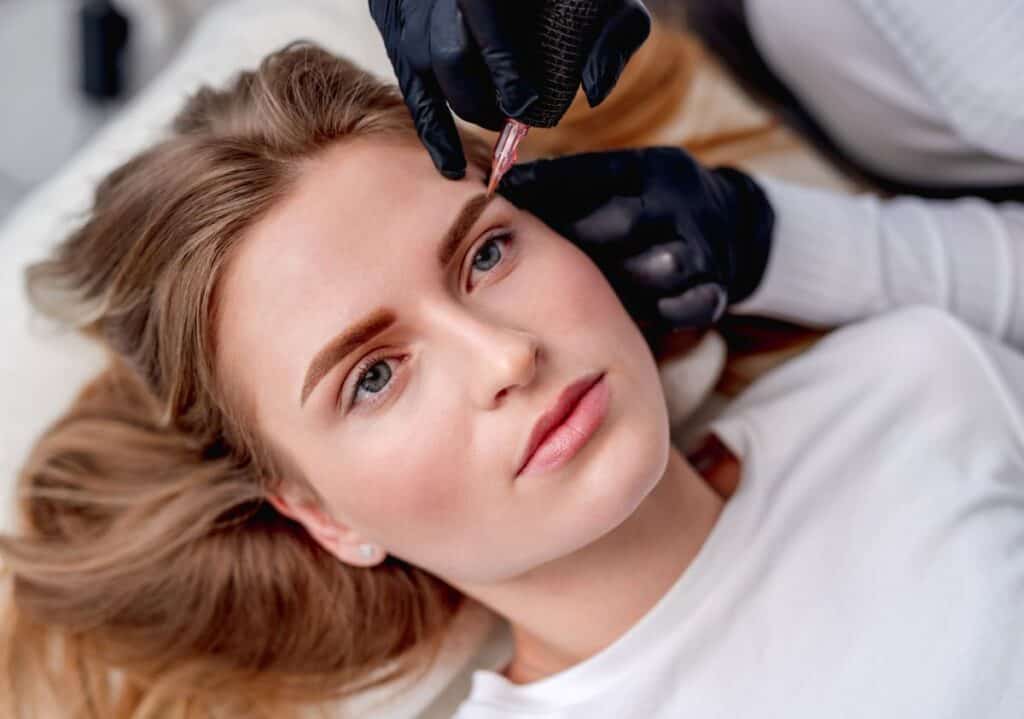
Microblading is a form of cosmetic tattooing in which a trained permanent-makeup professional uses a handheld tool to create superficial hair-like strokes and deposit pigment into the skin. Licensing requirements vary by location.
It is often marketed as semi-permanent brow tattooing because the strokes commonly fade over time, but pigment is still implanted into the skin and should be treated as permanent makeup.
Because the procedure breaks the skin barrier, it carries risks such as infection, allergic or inflammatory reactions, scarring, and dissatisfaction with the final shape or pigment.
Microblading can create the appearance of fuller brows for months to years, but longevity varies with pigment, technique, skin type, sun exposure, aftercare, and individual fading.
It can save you a ton of time in the morning that you would normally spend filling in your eyebrows.
A skilled artist will map the brows using your facial proportions and preferences, but perfect symmetry is neither guaranteed nor always desirable because natural faces are not perfectly symmetrical.
Although it’s not permanent, microblading lasts a lot longer than Botox, which is an important factor to keep in mind.
To summarise, microblading:
- Is a form of permanent makeup or cosmetic tattooing
- Uses a handheld microblade to create superficial strokes and deposit pigment into the skin
- Can make brows look fuller and more defined, depending on the chosen shape and technique
- Can remain visible for months to years, with fading that varies by person and technique
- Has an initial skin-healing period followed by several more weeks of pigment settling and color change
Can You Combine Botox And Microblading?
Many people have both procedures at different times, but it is not accurate to call the combination automatically or perfectly safe for everyone.
They work differently, but they can still influence one another cosmetically because Botox may alter brow position while microblading fixes a brow shape in pigment.
Botox Cosmetic is injected into selected muscles, while microblading deposits pigment into the skin.
That being said, if you’re getting Botox in the forehead area, it is close enough to your eyebrows that you will need to space out the two procedures to give each enough time to heal before getting the other one done.
There is no single medically standardized spacing rule for every patient. A common practical approach is to leave roughly two weeks after Botox for its brow-position effect to become clearer, or to wait until microbladed skin has healed before placing injections near the area.
Which Should You Get First?
There is no universal requirement to get microblading first. The order depends on whether you want the brows mapped to your natural brow position or to the position created after Botox has settled.
Microblading lasts longer than Botox, which is one reason some artists prefer to design the brows before any temporary change in forehead muscle activity.
Your microblading artist uses your current facial proportions and brow movement to map the shape.
If Botox has recently changed brow height or arch, that treated position can influence how the artist maps the brows.
As Botox wears off over the following months, your natural muscle movement and brow position return, so the microbladed shape may look slightly different in relation to your untreated brow position.
Alternatively, some providers prefer Botox first and then wait until its effect has settled before mapping the brows. The important point is that both professionals know about the other treatment and agree on the intended brow position.
No sequence can guarantee that brow shape will remain ideal for years because pigment fades, facial movement changes, and touch-ups may be needed.
If you plan to maintain Botox continuously, tell the microblading artist so the brows can be designed with your usual treated brow position in mind.
How Soon After Microblading can I get Botox?
After microblading, wait until the skin is closed, calm, and free of scabbing, tenderness, or signs of infection before having another procedure near the brow. Pigment can continue settling for several weeks.
Microblading is a form of tattooing, and the procedure creates many tiny breaks in the skin barrier.
They need to be protected to avoid an infection, which can result in permanent scarring.
Many providers prefer to wait at least a couple of weeks and, when possible, until the initial microblading healing period is complete before injecting close to the brows.
Your microblading artist may schedule a follow-up to assess healing and pigment retention, but medical clearance for Botox should come from the clinician providing the injections.
Avoid scheduling Botox in the same brow area on the same day as microblading unless both qualified providers have specifically coordinated the plan.
How Soon After Botox Can I Get Microblading?
If you already had Botox, microblading can still be considered once the injector is satisfied with the result and your brow position has stabilized.
Three or four days is often too early to judge the final brow position. Botox Cosmetic can begin working within days, but the full cosmetic result develops over the following weeks.
A more conservative approach is to wait about two weeks or until your injector confirms the brow position has settled before permanent brow mapping. Follow-up timing varies by practice.
Even then, confirm that both the injector and microblading artist are comfortable with the timing and that you have no active swelling, bruising, infection, or other complication.
Make sure to inform your microblading technician that you recently had some Botox injections done.
This helps the artist assess the brows with the temporary Botox effect in mind, especially because the toxin will usually wear off before the microblading pigment has fully faded.
You can also consider getting Botox touchups throughout the life of your microblading (about 1–3 years).
If you continue Botox, expect brow position to vary somewhat between treatment cycles and discuss that with your injector rather than assuming every appointment will reproduce exactly the same shape.
How Best To Coordinate Microblading and Botox
You can coordinate microblading and Botox in more than one order. The safest schedule depends on healing, the injector’s treatment plan, and whether the brows should be mapped before or after Botox changes forehead muscle activity.
One conservative example schedule, when microblading is done first, is:
- Research providers and call around to schedule your appointments
- Microblading appointment
- Allow the initial microblading skin healing period to finish and attend the artist’s follow-up if scheduled
- Confirm the brow area is calm, closed, and free of infection or significant irritation before the next procedure
- Botox appointment
- Botox follow-up according to the injector’s usual schedule
If Botox is performed first instead, wait until the injector is satisfied that the brow position has settled before the microblading artist maps a long-lasting brow shape.
The total timeline can easily span several weeks, and it may be longer if the brows need more healing time or either provider recommends delaying the next step.
There is no universal six-week rule, so let healing and provider assessment guide the schedule.
Always make sure to tell your providers about any other procedures you have done or plan on doing in the near future.
Your injector and permanent-makeup professional should coordinate around your medical history, brow position, skin healing, and the exact areas being treated.
Final Thoughts
Minimally invasive cosmetic procedures such as Botox and microblading can change the appearance of the brow and upper face, but both carry real risks and require qualified providers.
Both procedures are widely available, which makes provider credentials, hygiene, informed consent, and realistic expectations especially important.
That being said, it’s important to do a lot of research and plan your procedures.
Because microblading is a tattoo and Botox is a prescription injectable, it is sensible to err on the side of caution when scheduling them close together.
Don’t rush into procedures without consulting with experts first.
Don’t procrastinate if you need to have work done before a certain event.
Give the skin time to heal and Botox time to settle, and follow the advice of the qualified professionals performing each procedure rather than using a one-size-fits-all calendar.
When To Postpone Either Procedure
- Active infection or open skin: Delay microblading if the brow area is infected, inflamed, sunburned, or not fully healed.
- Unresolved Botox side effects: Do not proceed with nearby cosmetic tattooing while you have significant swelling, bruising, eyelid or brow drooping, vision changes, or another complication that has not been assessed.
- Upcoming medical or cosmetic procedures: Tell both providers about recent injections, tattoos, peels, lasers, surgery, or other treatments around the face.
- Unclear provider credentials: Botox should be prescribed and injected by a qualified medical professional, while microblading should be performed by a trained permanent-makeup professional who follows local licensing and infection-control requirements.
Botox And Microblading FAQs
Can You Get Botox And Microblading On The Same Day?
It is generally more practical to separate them. Microblading creates fresh skin wounds, while Botox can temporarily change brow position. Spacing the procedures gives each provider a clearer view of healing and final placement.
How Long After Botox Should You Wait For Microblading?
There is no universal rule, but about two weeks is a common conservative interval because it gives the Botox effect more time to settle before the brows are mapped. Follow the injector’s advice if the brow position is still changing or if you have side effects.
How Long After Microblading Should You Wait For Botox?
Wait until the brow skin has completed its initial healing and is no longer open, scabbed, swollen, or irritated. Many providers use a window of at least a couple of weeks, but the exact timing should come from the microblading artist and injector.
Can Botox Change How Microbladed Brows Look?
Yes. Forehead and glabellar Botox can temporarily raise, lower, or alter the arch of the brows depending on injection pattern and individual anatomy. That is why the timing of brow mapping matters.
Related Articles
When Can You Shower After Botox?
I Drank Coffee Before Microblading – Should You Worry?