
Is Salt Water Good For Your Skin And Hair?
Colour-treated hair can be more porous and prone to dryness, especially after bleaching or repeated permanent colour services.
Salt water can make that dryness feel more noticeable, particularly at the ends, so processed hair usually benefits from rinsing and conditioning after swimming.
Have you ever noticed extra texture and effortless-looking waves after a day at the beach? Salt left on the hair can create that grippy, tousled effect.
Ocean water can also leave skin feeling smooth or refreshed for a short time, which is one reason salt water has developed such a strong beauty reputation.
You may have heard much bigger claims too, such as salt water healing wounds, detoxifying the body, or treating joint problems. Those claims go well beyond what you should expect from a swim in the sea.
For beauty purposes, the more useful question is how salt water affects the skin, scalp, and hair, including both the temporary benefits and the very real risk of dryness or irritation.
So, is salt water actually good for your skin and hair?
Salt water can add texture and volume to hair, and some mineral-rich saltwater products can feel soothing on certain skin types. However, salt water is not an acne treatment, wound cleanser, pore-shrinker, or dandruff cure, and frequent exposure can dry or irritate both skin and hair.
So the answer is more nuanced than simply calling salt water “good” or “bad.” The result depends on concentration, exposure time, your skin and hair type, and what else is in the water.
For some people, occasional exposure feels great. For others, especially those with dry, sensitive, eczema-prone, bleached, or very porous hair and skin, salt can make discomfort and dryness worse.
In this article, we’ll explain the difference between homemade salt water, sterile saline, seawater, and salt-based beauty products.
We’ll also cover what salt water can realistically do for skin and hair, the drawbacks to watch for, and safer ways to use salt-based products.
Salt Water Vs Sea Water / Ocean Water
Before we dive in, it helps to distinguish homemade salt water, sterile saline, and seawater because they are not interchangeable.
They may all contain sodium chloride, but their concentration, purity, mineral content, and intended use can be very different.
Homemade salt water is simply water with sodium chloride dissolved in it. Its concentration and cleanliness depend entirely on how it is prepared.
Medical saline is manufactured to a controlled concentration and purity standard. Products intended for wound care or eye use must also meet specific sterility requirements, so homemade salt water is not an equivalent substitute.
Seawater contains sodium chloride along with magnesium, calcium, sulfate, potassium, and many other dissolved minerals.
Its exact mineral composition varies by location, and the water also contains microorganisms and organic material rather than being a sterile cosmetic solution.
Ocean water may also contain pollutants, runoff, sewage contamination, or microorganisms, with water quality changing by beach, weather, and local conditions.
That means seawater should not automatically be considered more beneficial than a formulated product simply because it contains extra minerals.
Benefits Of Salt Water For The Skin
Salt water can change the way skin feels, but claims that it treats acne, sanitises wounds, or permanently shrinks pores are overstated.
The main drawback is straightforward: frequent or concentrated salt exposure can sting, dry, and irritate the skin, especially when the barrier is already compromised.
That is particularly important if you have eczema, rosacea, open cuts, a fresh shave, or very dry skin.
Here is what salt water may and may not do for the skin:
- Not a wound disinfectant – Salt can inhibit some microorganisms at high concentrations, but ocean water and homemade salt water are not sterile.
Do not use seawater to clean open wounds, popped pimples, piercings, or surgical sites. For wound care, follow medical guidance and use an appropriate sterile product when recommended.
If a cut is exposed to seawater, rinse it with clean fresh water afterward and watch for signs of infection.
- Cleansing & Exfoliating – Salt crystals can physically exfoliate, while salty water can leave the skin feeling less oily for a short time.
However, that same effect can also strip surface lipids and cause dryness or irritation. Salt water should not replace a gentle facial cleanser or proven acne treatment.
- Pore Appearance – Salt water does not permanently shrink pores.
Skin can feel temporarily tighter after salt exposure because it is drying, which may make pores look less noticeable for a short time, but pore size is largely influenced by genetics, oil production, age, and skin structure.
So, while some people enjoy the temporary clean or tightened feeling after salt exposure, more is not better.
For oily or breakout-prone skin, a well-formulated cleanser and evidence-based acne ingredients are more reliable than repeatedly applying salt water.
There are anecdotal reports of mineral-rich bathing helping some people with seborrheic dermatitis or other inflammatory skin conditions, but salt water is not a proven stand-alone treatment and may irritate others.
Possible Drawbacks Of Salt Water For Skin
It is also important to remember that not all saltwater exposure is the same.
Ocean water contains minerals, microorganisms, and environmental contaminants that are not present in a controlled cosmetic formula.

Minerals such as magnesium may contribute to the feel of some mineral baths, while contaminants and microorganisms can create risks when water quality is poor.
Beach advisories matter. Avoid swimming when local authorities warn about sewage contamination, harmful algal blooms, or unsafe bacterial levels.
So although seawater can feel refreshing, it is not a sterile treatment and should not be used as one.
Homemade salt water is more predictable in composition, but that does not mean it delivers the same benefits as sterile saline or a professionally formulated skincare product.
Another important downside is that salt can be drying and irritating.
Leaving concentrated salt on already-dry or sensitive skin can increase tightness, flaking, and discomfort, so rinse after swimming and moisturise if your skin feels dry.
Benefits Of Salt Water For The Hair
If you have ever swum in the ocean and let your hair air-dry, you may have noticed extra texture and grip.
That effect comes from salt and minerals left on the hair surface, which can make strands feel rougher and encourage waves to hold.
In other words, salt water can behave a little like a texturising styling product.
That cosmetic effect is the main reason sea-salt sprays remain popular, but it does not mean salt is improving the health of the hair.
Here is what salt water can realistically do for hair:
- Extra Body – Salt can increase grip and reduce slip, which may make hair look fuller and help natural waves hold their shape.
The trade-off is that repeated use can also leave the hair feeling rough or dry.
- Scalp Exfoliation – Salt crystals can physically exfoliate the scalp when used in a scrub.
Use a light hand because vigorous scrubbing can irritate the scalp, and there is no good evidence that salt exfoliation makes hair grow faster.
- Dandruff – Salt water is not a proven dandruff treatment.
Dandruff and seborrheic dermatitis are usually better managed with evidence-based anti-dandruff ingredients such as ketoconazole, selenium sulfide, zinc pyrithione where available, salicylic acid, or other products recommended for your scalp.
- Cleansing – Salt water can make the scalp and hair feel less oily, but it is not a substitute for shampoo.
Ocean water can also leave behind salt, minerals, microorganisms, sand, and pollutants, so rinsing with fresh water afterward is a better habit than treating seawater as a cleanser.
Salt water is mainly useful as a texturising effect for hair, not as a scalp treatment.
It can create volume and beachy texture, but frequent exposure may leave the strands rougher, tanglier, or more dehydrated.
Possible Drawbacks Of Salt Water For Hair
Be mindful that repeated salt exposure can be drying.
If your hair is already dry, porous, curly, bleached, or damaged, frequent salt exposure may make it feel rougher and more brittle.
Also pay close attention to colour-treated or chemically processed hair.
You do not necessarily have to avoid the ocean completely, but it is smart to rinse colour-treated hair with fresh water after swimming and condition it well.
Bleached and permanently coloured hair can be more porous because chemical processing changes the cuticle and internal structure of the strand.
Salt does not literally “suck” all the moisture out, but repeated exposure can leave already-porous hair feeling drier and more prone to tangling or breakage.
When You Don’t Have Access To The Ocean
Want the beachy texture without swimming in the ocean? A formulated sea-salt spray is usually easier to control than repeated exposure to seawater.
You can recreate the styling effect at home, but it is worth keeping the salt concentration modest so the spray does not become unnecessarily harsh.
Salt is common in texturising hair products, although those formulas often include conditioning ingredients to offset dryness.
You can also find salt in some scalp scrubs and body products, but the presence of salt alone does not make a product therapeutic.
Formulated products may include humectants, emollients, or conditioning agents that make them more comfortable than plain salt water.
DIY products are possible, but water-based homemade mixtures do not contain proper preservatives unless you formulate them specifically, so make small batches and keep hygiene in mind.
If you like DIY beauty, the safest approach is to keep recipes simple, avoid excessive salt, and stop if your skin or scalp stings or becomes irritated.
DIY Sea Salt Hair Spray
You can create beachy texture at home with a mild sea-salt spray, but salt works best on hair that already has some wave or bend.
A small DIY batch lets you control the salt level, although a commercial spray will generally have better preservation and more predictable performance.
What you’ll need:
- 1 cup distilled or previously boiled and fully cooled water
- ½ tsp jojoba oil (optional; shake before each use because oil and water separate)
- 1 tsp sea salt
Directions:
- Bring the water to a boil if it is not already distilled, then remove it from the heat.
- Remove it from the heat.
- Add the salt and stir until fully dissolved.
- Let the mixture cool completely.
- Add jojoba oil only if desired, understanding that it will not stay emulsified in plain water.
- Pour into a very clean spray bottle, make a small batch, and discard it if the smell, colour, or texture changes.
- Shake well, mist lightly onto damp hair, scrunch, and allow it to dry. Avoid daily use if your hair becomes rough or dry.
Why We Don’t Recommend A DIY Salt Toner
A homemade salt toner can easily become too concentrated, drying, or irritating, especially on acne-prone, sensitive, or recently exfoliated skin.
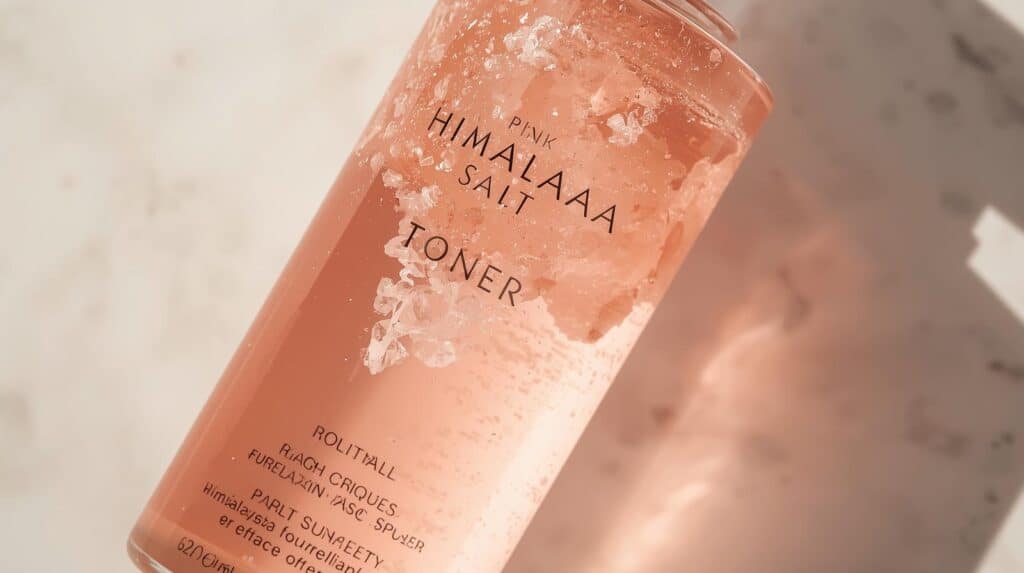
Instead of applying a strong salt solution to the face, use a gentle cleanser and leave-on products formulated for your specific skin concern.
Salt water does not reliably increase cell turnover, hydrate the skin, treat acne, or shrink pores. If you want exfoliation, choose a properly formulated exfoliant with a known concentration.
Why skip this DIY recipe:
- Homemade water-based skincare can grow microorganisms because it has no preservative system.
- Salt can sting, dry, and irritate the skin, especially at higher concentrations.
- Rose water can contain fragrance components that may irritate sensitive skin.
Directions:
- Choose a professionally formulated toner or serum instead of warming water for a homemade salt solution.
- Pick an ingredient that matches your goal, such as salicylic acid for clogged pores or a simple hydrating toner for dryness.
- Patch-test new products if your skin is reactive.
- Introduce one new product at a time so you can tell how your skin responds.
- Stop if you develop persistent stinging, redness, swelling, or a rash.
- Follow with moisturiser, and use sunscreen during the day.
DIY Relaxing Salt Bath
A warm bath can be relaxing, but you do not need salt to “detox” or deeply cleanse the skin.
Your skin, liver, and kidneys already handle normal waste removal. A bath is better thought of as a comfort step rather than a toxin-removal treatment.
If you enjoy salt baths, keep the water comfortably warm rather than hot and moisturise afterward if your skin feels dry.
What You’ll Need:
- ½ cup Epsom salt or plain bath salt
- Skip undiluted essential oil if you have sensitive skin; essential oils do not disperse evenly in bath water without a suitable solubiliser
- A tub filled with comfortably warm water
Directions:
- Fill your tub with comfortably warm water.
- Dissolve the salt fully in the bath.
- If you use a fragranced bath product, follow its directions rather than dripping concentrated essential oil directly into the water.
- Soak for a comfortable amount of time, then rinse if desired and apply moisturiser if your skin feels dry.
Best Products With Salt Water
If you would rather not make your own products, there are commercial salt sprays, scalp scrubs, and body products with more predictable formulas.
For beachy waves, look for a salt spray that also contains conditioning or humectant ingredients if your hair is prone to dryness.
These products add texture by increasing grip on the hair, but higher salt content can also make strands feel rougher.
Conditioning ingredients can help offset that feel, although they do not completely eliminate the drying potential of frequent salt use.
Here are a few of our favourite salt sprays:
If your goal is scalp care, choose products based on the active ingredients and your actual scalp concern, not simply because they contain salt.
Salt-based scalp products can help remove buildup physically, but dandruff usually needs an evidence-based anti-dandruff treatment.
- Majestic Pure Himalayan Sulfate Free Dandruff and Itchy Dry Scalp Shampoo
- Kosette SALT Scalp Scrub
- Beauty-Mall Spes Sea Salt Cream For Scalp
For facial or body products, remember that a salt scrub is primarily an exfoliating cosmetic, not an acne medication.
Here are a few salt-based exfoliating products:
Is It Good To Use Salt Water On The Face?
Because salt can be drying and abrasive, it is not automatically a good choice for facial skin, especially if you have eczema, rosacea, active acne lesions, or a damaged skin barrier.

Too much salt can indeed be drying. That can lead to tightness, flaking, stinging, and a compromised-feeling skin barrier.
So is it safe to use salt water or salt-based products on the face?
The answer is it depends on the product. A professionally formulated product containing salt may be fine, but plain salt water is not a proven way to control sebum or treat acne.
It should not be expected to reduce acne or blackheads, and repeated drying can sometimes make irritated skin feel worse.
Pay attention to both the salt concentration and the rest of the formula.
If a product leaves your face tight, flaky, itchy, or stinging, it is too irritating for your skin regardless of how “natural” the ingredients sound.
Ocean salinity is fairly consistent overall, but water quality and contamination levels can vary greatly by location and conditions.
That is why a properly formulated skincare product is generally more predictable than homemade salt water or seawater.
If you are swimming in the ocean, enjoy the swim but do not treat the water as a facial treatment.
Rinse your face with fresh water afterward, then moisturise if needed and apply sunscreen when you remain outdoors.
Can You Leave Salt Water In Your Hair Overnight?
It is usually better not to leave salt water sitting in your hair overnight, especially if your hair is dry, porous, curly, bleached, or easily tangled.
One occasional night is unlikely to ruin healthy hair, but there is no hair-care benefit to keeping dried salt on the strands for extra time.
If you regularly swim in the sea or use sea-salt spray, rinse or wash the hair as needed and pay attention to how the ends feel.
Frequent salt exposure can increase roughness and tangling, so give the hair breaks between texturising sessions.
Conditioner, leave-in products, or an occasional mask can help maintain softness if salt makes your hair feel dry.
If you have colour-treated or bleached hair, this matters even more because the hair may already be more porous.
Rinse salt water out when you can rather than deliberately leaving it in overnight.
You do not necessarily need to avoid every salt spray, but use it sparingly and stop if it makes your hair feel brittle, rough, or difficult to detangle.
Colour-treated hair can already be more porous from chemical processing, especially after bleaching or repeated permanent colouring.
Salt can add to the dry, rough feeling, particularly at the ends, so follow swimming or salt-spray use with gentle conditioning as needed.
Can You Get Beach Waves With Sea Salt Spray?
If the main reason you are interested in sea-salt spray is to create voluminous beachy waves, it can be a useful styling product.
Sea-salt spray does not make hair healthier, but it can add grip, texture, and separation that helps natural waves look more defined.
Take a look at this tutorial from ElleBangs on YouTube for one way to create beachy waves with sea-salt spray.
Final Thoughts
Salt water can be useful for creating hair texture, but its skincare and scalp benefits are often exaggerated. The biggest considerations are concentration, exposure time, dryness, and water quality.
For acne-prone or oily skin, use a gentle cleanser and evidence-based acne products rather than relying on salt water to unclog pores or remove “toxins.”
For dandruff or an itchy scalp, salt scrubs may remove loose flakes, but they do not address the underlying causes as reliably as proven anti-dandruff ingredients.
Overall, enjoy ocean water as part of swimming and use salt sprays for texture if your hair tolerates them, but do not treat salt water as a healing remedy. Rinse after swimming, moisturise or condition when needed, and choose targeted products for specific skin or scalp concerns.
Related Articles
Is Sunlight Good For Your Hair? (Does It Help It Grow?)
Can You Swim After Dyeing Your Hair?