
How To Remove Eyelash Extensions At Home
When lash extensions start looking uneven, it is tempting to remove the last few yourself. The difficulty is that an extension can still be firmly bonded even when it looks ready to fall.
First, check what you are wearing. Salon extensions attached to individual natural lashes are different from strip lashes or temporary DIY clusters. Their adhesives and removal instructions are not interchangeable.
Lash extensions require precise work around the eyes, so application and chemical removal are best handled by a trained lash professional.
If your eyes feel comfortable and you cannot get an appointment right away, leave the extensions alone and allow gradual shedding with the natural lash cycle.
Ideally, a trained lash professional should remove and apply lash extensions in a controlled, hygienic setting using products intended for professional eye-area use.
If the lashes are painful, poking your eye, or accompanied by swelling, do not simply wait for them to fall out. Get appropriate professional or medical help.
How can you remove eyelash extensions at home?
There is no dependable, low-risk DIY method for dissolving salon lash adhesive on your own eyes. Arrange professional removal. While you wait, cleanse gently and avoid pulling, cutting, steam treatments, kitchen oils, or professional adhesive removers.
If professional removal is not immediately available, there are a few lower-risk ways to care for the lashes while you wait.
It is important to proceed cautiously because pulling at bonded extensions can remove or break natural lashes and can irritate the eyelid or eye surface.
Is It Dangerous To Remove Eyelash Extensions Alone?
Removing lash extensions can still be risky when you are working close to your own eyes, especially if strong solvents or force are involved.
The main risks are pulling out natural lashes, scratching the eye, and getting irritating chemicals onto the eye surface.
A tutorial cannot provide the visibility and control a trained professional has while your eyes remain closed.
At home, focus on gentle care and gradual shedding rather than aggressive removal.
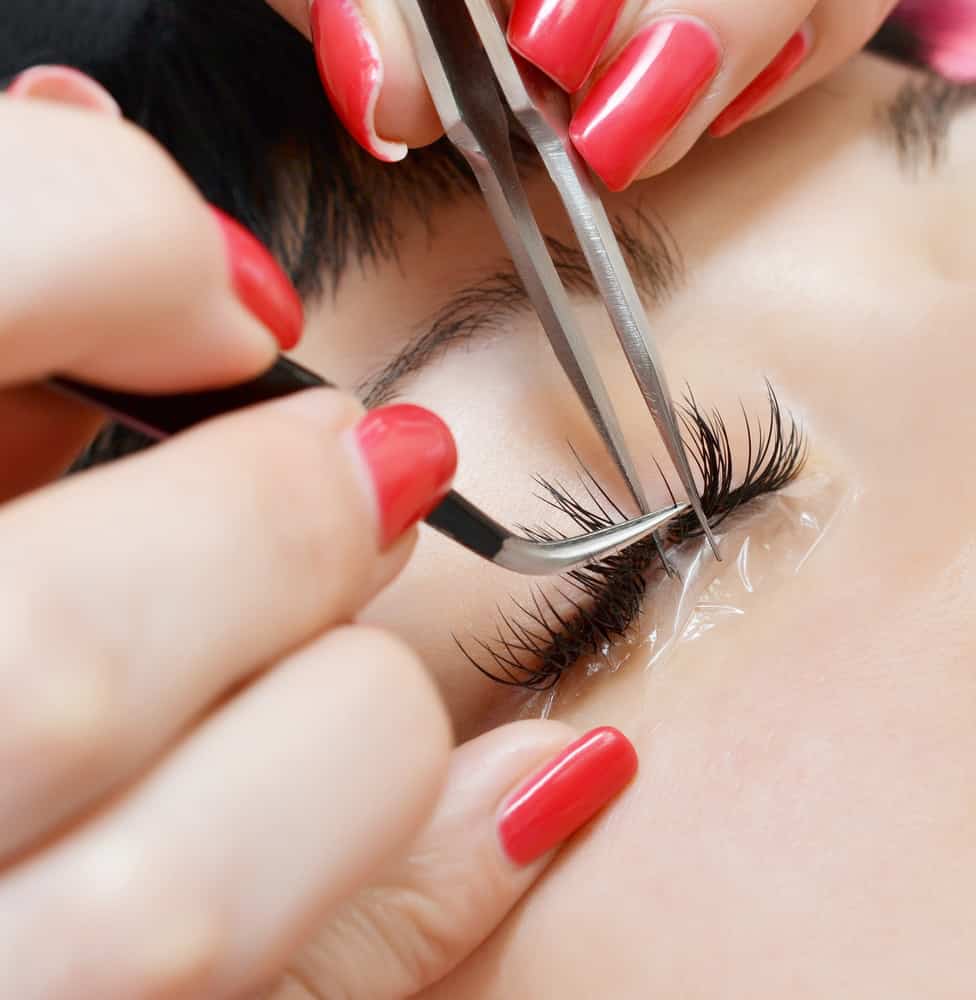
An extension hanging at an awkward angle is not necessarily detached. Do not test the bond by tugging.
Seek prompt eye-care advice for significant redness, swelling, or discharge. Eye pain, light sensitivity, or vision changes need urgent assessment.
The sections below explain common at-home removal suggestions and what to do instead.
The embedded video is supplementary material, not a substitute for professional assessment or the safety guidance here.
Otherwise, read on for safer ways to manage extensions at home while you wait for them to shed or arrange professional removal.
1. Avoid Pulling, Picking, & Plucking
For starters, whatever you do, avoid pulling out your lashes.
It’s best to put away the tweezers. In addition, cutting your lashes off isn’t a good idea either.
Pulling, plucking, or cutting close to the lash line can damage natural lashes and may also injure the eyelid or eye.
Even one remaining extension can take a natural lash with it if you pull before it sheds.
Keep scissors and tweezers away from the lash line, including when you only want to shorten an overgrown extension.
Improper removal can break or pull out natural lashes. Those lashes generally need time to regrow through their normal growth cycle.
If you need a clean lash line for an event, ask about a removal-only appointment rather than trying to meet the deadline at home.
You can contact another trained lash professional if your usual artist is unavailable. Tell them when the set was applied and whether you have any discomfort.
This advice may sound obvious, but extensions can feel tempting to pick once they start twisting or growing out.
If a lash twists or snags repeatedly, have the artist assess it. Do not force it straight with a brush.
2. Why Steam Is Not A Removal Method
Steam is not a reliable lash-extension remover. Normal hygiene and an intentional steam treatment are different things.
Continue the cleansing routine recommended for your set. Keeping the lash line clean is still important when you no longer want the extensions.
Extensions may shed at different times because the natural lashes beneath them are at different stages of growth.
A lash that falls after a shower does not prove the steam dissolved its bond.
Do not use very hot steam close to your eyes as a removal treatment. Steam can irritate or burn the delicate eye area and does not reliably dissolve professional lash adhesive.
If you want the extensions to wear off gradually, stick to gentle cleansing and normal showering rather than deliberately exposing your face to concentrated steam.
Do not combine heat with strong adhesive removers around your eyes.
3. Keep Showers Comfortable, Not Hot
A normal shower is fine for routine cleansing, but there is no need to turn the temperature up to try to remove extensions.
Use a comfortable water temperature and avoid directing a forceful spray at your eyes.
Do not extend a shower or increase the heat in an attempt to speed removal. Water exposure does not provide a predictable release time.
It can take days or weeks for the remaining extensions to shed naturally, depending on when each natural lash is ready to fall.
If you are not in a rush, allowing gradual shedding is lower risk than trying to force the bonds apart.
After cleansing, dry the area gently without rubbing the lashes with a towel.
4. Skip The Hot Water Bowl
Some at-home lash removal guides suggest leaning over a bowl of hot water, but this is not a good idea around the eyes.
Concentrated steam can burn or irritate facial and eye-area skin and is not a reliable way to dissolve lash adhesive.
A bowl also creates a spill risk, especially if you lean over it with your eyes closed or cover your head with a towel.
For that reason, skip direct steam exposure and choose gentle cleansing or professional removal instead.
Having the supplies at home does not make this method effective or worth the burn risk.
5. Do You Need A Facial Steamer?
A facial steamer is not necessary for lash extension removal.
Do not aim a facial steamer at the lash line or increase its intensity to try to release adhesive.
If your goal is to remove the set, put the purchase budget toward a professional removal appointment instead.
Do not add essential oils or other ingredients in an attempt to create a stronger removal treatment.
6. Leave Salon Adhesive Removers To A Professional
Professional lash artists use dedicated adhesive removers, but these are not automatically safe for self-use near the eyes.
A remover for temporary clusters or strip-lash glue may not work on salon extension adhesive. Check the exact lash system before following any home-use instructions.
Read the label and safety directions carefully, but do not assume that watching tutorials makes a professional-grade eye-area solvent safe to use on yourself.
Being able to buy a remover online does not establish that it is suitable for applying to your own lashes.
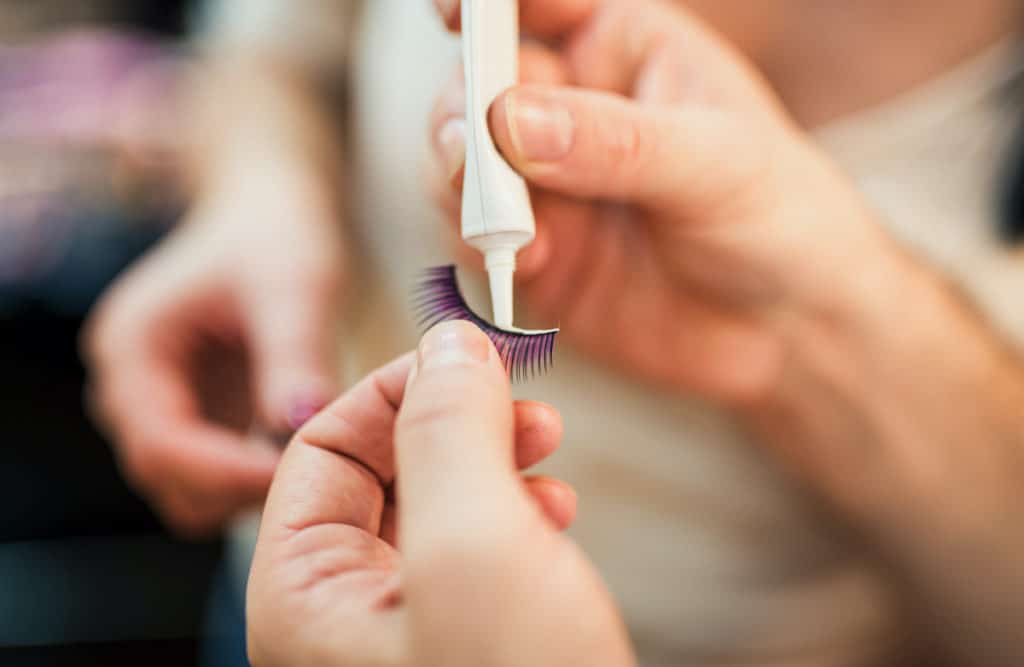
When used by a trained professional, a dedicated lash adhesive remover can dissolve the bond efficiently without pulling on the natural lashes.
For salon extensions, leave adhesive remover application to a trained lash professional. Do not ask an untrained friend to do it for you.
If you are wearing a temporary home lash system, follow that system’s own removal directions and use only its intended products.
Never substitute acetone, nail polish remover, alcohol, or household glue solvent near your eyes.
7. Avoid Snagging Lashes With Cotton Pads
A cotton pad is a cleansing accessory, not a tool for pulling off extensions or applying professional solvent at home.
Choose a clean, soft pad for surrounding skin if your cleanser’s directions call for one. Loose fibers can catch on extensions.
If you don’t, they are inexpensive to purchase and not hard to find.
Keep pads away from attached extensions if they snag. Do not sandwich the lashes between soaked pads to try to loosen adhesive.
If a pad catches, stop moving it rather than pulling it through the lashes.
8. What To Do If Remover Enters Your Eye
Keep adhesive removers away from the eye surface. Simply closing your eyes does not eliminate the risk of a product seeping inside.
Eye exposure to adhesive remover can cause significant irritation, which is one reason professional removal is preferable.
If remover enters an eye, start rinsing immediately with plenty of room-temperature running water for at least 15 to 20 minutes. Remove contact lenses if you can do so easily without delaying rinsing. Poison Control’s eye-exposure guidance explains the first-aid steps.
After rinsing, contact a poison information service or medical professional for product-specific advice. Seek urgent care for severe pain or vision changes. Keep the product container available, and do not add another chemical to neutralize it.
If your eyelids are stuck together, do not force them apart. Get urgent medical help.
9. Can An Oil-Based Cleanser Remove Extensions?
Oil-based products are often mentioned in lash aftercare, but advice depends on the adhesive and the cleanser.
Deliberately switching to a harsher cleanser is not a sensible way to remove extensions.
Oil cleanser removes makeup; it is not a dependable solvent for cured salon lash adhesive. Changes in retention do not make it a controlled removal method.
Use a cleanser intended for the eye area according to its directions. Do not repeatedly massage the lash roots to make extensions slide off.
A comfortable cleansing routine should not sting, leave the eyes blurry, or require scrubbing.
Even a few remaining extensions may stay attached for some time. Their number does not tell you when each will shed.

Expect gradual shedding to take time, often longer than a couple of days.
For complete removal at a predictable time, arrange a professional appointment.
If you use an oil cleanser for makeup, choose one labeled for that use and keep it out of the eyes.
Kitchen olive and coconut oils are not lash adhesive removers. There is no need to coat the lashes in them or leave them on overnight.
Double cleansing is a skincare routine, not an extension-removal technique.
It usually means using an oil cleanser or balm to remove makeup and sunscreen, followed by a second cleanser if needed.
If you are new to double cleansing, use it for makeup and sunscreen removal rather than expecting it to remove extensions on demand.
10. Choosing A Cleanser For Routine Care
You do not need to buy a new cleanser solely because you want your extensions removed.
If you already need a makeup remover, choose by eye-area suitability and how your skin tolerates it, rather than claims about loosening lash glue.
Oil cleansers are generally fluid, which can make them easy to spread across facial skin.
That texture also means they can migrate if you apply too much around the eyes.
Use the amount and application method on the label. More product does not turn it into an adhesive remover.
Cleansing balms start with a thicker texture and melt as they warm on the skin.
Many balms and oils emulsify when you add water, turning milky so they can rinse away. Melting a balm and emulsifying it are different steps.
Follow the cleanser’s directions for makeup removal, while leaving the extension bonds alone.
Do not rub the lash roots in circles or repeatedly pinch the lashes between your fingertips.
It’s crucial to avoid getting any product in your eyes to prevent unnecessary irritation.
Rinse as directed and stop using a product if it irritates your eyes. Persistent irritation needs medical advice.
11. Why Coconut And Olive Oil Are Not Reliable Removers
Coconut oil is widely suggested online, but household availability is not evidence that it safely removes salon extensions.
It may leave an oily coating without releasing the adhesive, encouraging more rubbing or pulling when the lashes stay attached.
Skip overnight oil soaks and repeated attempts to wipe the extensions away.
The same limitation applies to olive oil: it is a cooking ingredient, not a controlled lash-glue removal system.
An oily residue can also make you want to wash or rub the area more, adding unnecessary handling.
Keep ordinary cleansing separate from removal. A makeup remover should be used to remove makeup, not to test whether an extension will detach.
If you have already tried oil and the lashes remain attached, stop experimenting and book a removal appointment.
Steam, oils, and repeated washing cannot guarantee safe removal. The absence of an immediate result is a reason to stop, not to increase the heat, pressure, or product amount.
Natural shedding can take days to weeks, and there is no fixed two-day home-removal schedule.
If your eyes are comfortable, gentle care while you wait is reasonable. If symptoms develop, get them assessed rather than continuing to wait.
Once the extensions are gone, keep your routine gentle and give any irritated or fragile lashes time to recover through their normal growth cycle.
Post Lash Removal Care
After removal, natural lashes may look surprisingly light or short because you have become used to the added length and density.
That visual change alone does not prove the lashes are damaged. Look for actual gaps, broken hairs, or persistent irritation.
If your natural lashes feel fragile after removal, focus on gentle care and avoid additional mechanical stress.
This is a good time to keep the lash line simple and avoid unnecessary pulling or heavy eye makeup if the area feels irritated.
The lashes do not need to “breathe,” but they may benefit from a break from heavy styling if they feel fragile.
Natural lashes that were pulled or broken need time to regrow. Gentle handling is more useful than trying to force faster growth.
If the lids are irritated, hold off on strip-lash glue and a fresh extension set until the cause has been addressed.
There are a few simple ways to reduce further stress while your natural lashes grow through their normal cycle.
1. Avoid Eyelash Curlers
Skip curling while any extensions remain, and avoid clamping fragile or visibly broken natural lashes after removal.
However, eyelash curlers can cause unnecessary damage to fragile lashes.
2. Do You Need A Lash Serum?
A serum is optional, not a necessary recovery step. Cosmetic conditioning products should not be treated as guaranteed regrowth treatments.
If you have noticeable lash loss, ask a clinician about the cause and suitable options before buying a growth product.
Avoid DIY mixtures near the eyes. Introducing several new products at once also makes it harder to identify what caused irritation.
3. Eat Your Fruits & Veggies
A balanced diet supports normal hair growth, including eyelashes, especially if you are meeting your overall protein, vitamin, and mineral needs.

Aim for a well-balanced diet with adequate protein and a variety of nutrient-rich foods rather than relying on a single “hair-growth” food.
Do not expect a particular food or supplement to reverse lash breakage quickly. Discuss unexplained or ongoing loss with a clinician.
4. Leave Them Be
Keep your routine gentle rather than assuming every lash needs an intensive repair treatment.
Avoid repeated brushing, rubbing, or inspecting the lash roots with tools.
If there are persistent bare patches, crusting, itching, or tenderness, arrange an eye-care assessment.
Once the area is comfortable again, discuss the length, weight, and removal plan with your artist before another set.
Lash Removal And Care Products: Uses And Limits
1. Existing Beauty Lashes Eyelash Extension Remover
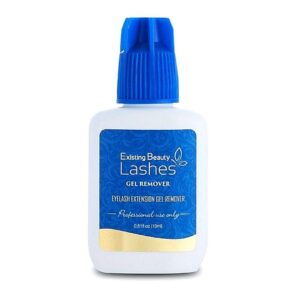
Existing Beauty markets this product as a lash extension adhesive remover.
This belongs in a discussion of adhesive-removal products, but it is not a recommendation to dissolve salon extensions on your own eyes.
Removal timing depends on the exact formula and adhesive. A fast-action claim is not a reason to rush or repeat application.
Check the current package and intended user with a trained professional, since listings may cover different versions.
A gel texture still requires careful placement and does not make eye exposure harmless.
For professional-use products, an untrained friend or family member is not a substitute for a lash technician.
Its relevant role is controlled adhesive removal by an appropriate professional, not routine cleansing or lash conditioning.
2. Nano Ionic Hot Mist Face Steamer
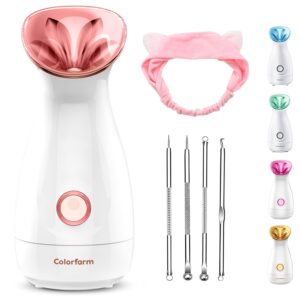
A facial steamer is not necessary for lash extension removal and should not be purchased for that purpose alone.
This is a facial skincare device, not an adhesive-removal tool.
Steam may feel relaxing, but it does not “purify” the skin and should not be directed at the eyes to dissolve adhesive.
Check the current model’s operating instructions for water type, distance, and session limits rather than using a lash-removal tutorial to set them.
Follow the device instructions and stop if the heat feels uncomfortable or irritating.
Consider it only for a separate skincare routine if steaming suits your skin; it adds no necessary step to lash removal.
3. DHC Deep Cleansing Oil
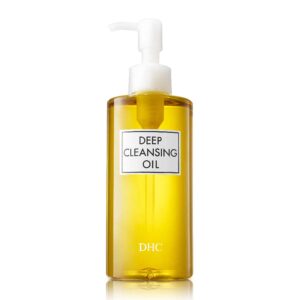
DHC Deep Cleansing Oil is an option for makeup cleansing, not for dissolving stubborn lash glue.
The brand describes it as an oil cleanser for removing makeup and impurities. Do not buy it expecting salon extensions to slide off.
It may suit someone who prefers a rinse-off oil for their existing makeup routine.
This cleanser can work as the first step in a double-cleanse routine.
Follow its cleansing directions without working it repeatedly into extension bonds.
A cleanser does not replace professional removal, even if your extensions happen to shed while you are using it.
If you already have a comfortable cleanser, there is no need to switch for this purpose.
The formula emulsifies with water so it can be rinsed away. Rinse thoroughly rather than leaving oil on the lash line.
As with any cleanser, suitability depends on your individual skin and eye-area sensitivity.
4. Chloven Organic Reusable Makeup Remover Pads
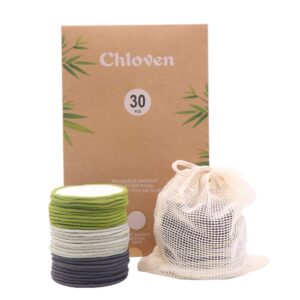
Reusable makeup remover pads can be useful for facial cleansing, but you do not need them to remove lash extensions.
Their main advantage is reuse in a regular cleansing routine, not extra grip on attached lashes.
Reusable cotton rounds can reduce single-use waste if they are washed thoroughly between uses.
Use them on surrounding skin as directed by your cleanser. If their texture catches on extensions, keep them away from the lashes.
Wash according to the care label and let them dry fully before reuse.
Check the current Chloven listing for the pad material, quantity, and washing instructions before ordering.
5. Cuttte 100pcs Disposable Mascara Brushes
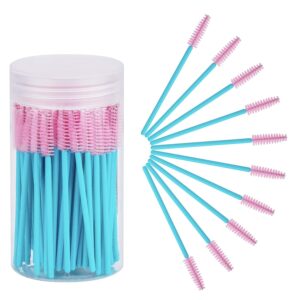
Clean mascara wands can be useful for gently grooming lash extensions and separating lashes.
Use a wand only for light grooming, not to comb or scrape adhesive off the natural lashes.
If the brush catches or pulls, stop. Do not force it through a tangled or twisted extension.
If a wand is sold as disposable, follow the manufacturer’s hygiene guidance rather than assuming it should be repeatedly reused around the eyes.
Keep unused wands clean and do not share them or move a used brow tool straight to your lash line.
Check the Cuttte listing for the current pack quantity and disposal guidance.
Related Articles
Best Eye Creams For Eyelash Extensions
13 Best Setting Powders For Dry Skin Of 2025
Eyeliner On Lower Lid Only (What To Do + What To Avoid)