
How To Clean A Dry Brush
Dry brushing is a form of physical exfoliation that some people enjoy for the temporary smooth feel it gives body skin. Because the brush repeatedly collects skin flakes, oil, and residue, keeping it clean is part of using it comfortably.
It can help lift loose surface skin cells, but there is no good evidence that dry brushing “detoxifies” the body or meaningfully stimulates the lymphatic system.
Dry brushing has been around for centuries and is still used today by many people.
It has become especially visible in wellness and body-care routines.
If you’re new to dry brushing, it’s important to choose the right brush.
Look for a brush with firm but comfortable bristles that do not scratch, sting, or leave persistent redness.
Both natural and synthetic bristles can work; comfort, cleanability, and build quality matter more than the material alone.
If you want to try dry brushing, start gently and treat it as optional body exfoliation rather than a health treatment. Light pressure is enough to exfoliate the surface, and the skin should not feel scratched or sore afterward.
If you already have one – great!
You may enjoy the massage-like sensation and the temporary smoothness afterward.
It combines light massage-like friction with physical exfoliation.
Daily use is not necessary, and for many people it would be too much friction for the skin.
Your dry brush should be cleaned regularly so skin flakes, oil, sweat, and product residue do not build up between the bristles. Cleaning is especially important if you use the brush often or apply body products before brushing.
If you do not clean it, the brush can collect dead skin cells, dirt, sweat, and product residue. A dirty or damp brush may become irritating and is less hygienic to reuse.
Not everyone knows how to clean a dry brush because of the natural materials that it’s made of.
A quick rinse may not remove all residue, and storing a damp brush in a steamy shower can slow drying.
So, how do you clean a dry brush?
The safest cleaning method is usually mild soap and water, while keeping wooden parts from prolonged soaking and allowing the brush to dry completely. Strong disinfectants, essential oils, and long soaks are usually unnecessary for a personal dry brush.
Below, we’ll cover the simplest cleaning method, how often to wash the brush, how to dry and store it properly, and when it is better to replace it.
What Is A Dry Brush?
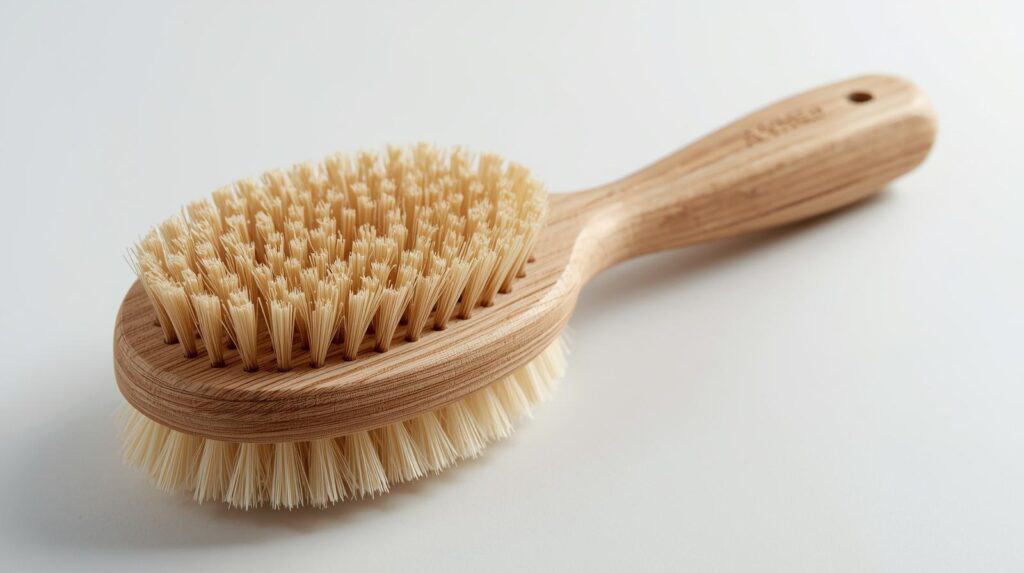
A dry brush, such as this body brush available on Amazon, is a body brush typically used for physical exfoliation. Its firm bristles are designed to create light friction across dry body skin.
Dry brushes come with natural or synthetic bristles and may have a long handle to make areas such as the back easier to reach.
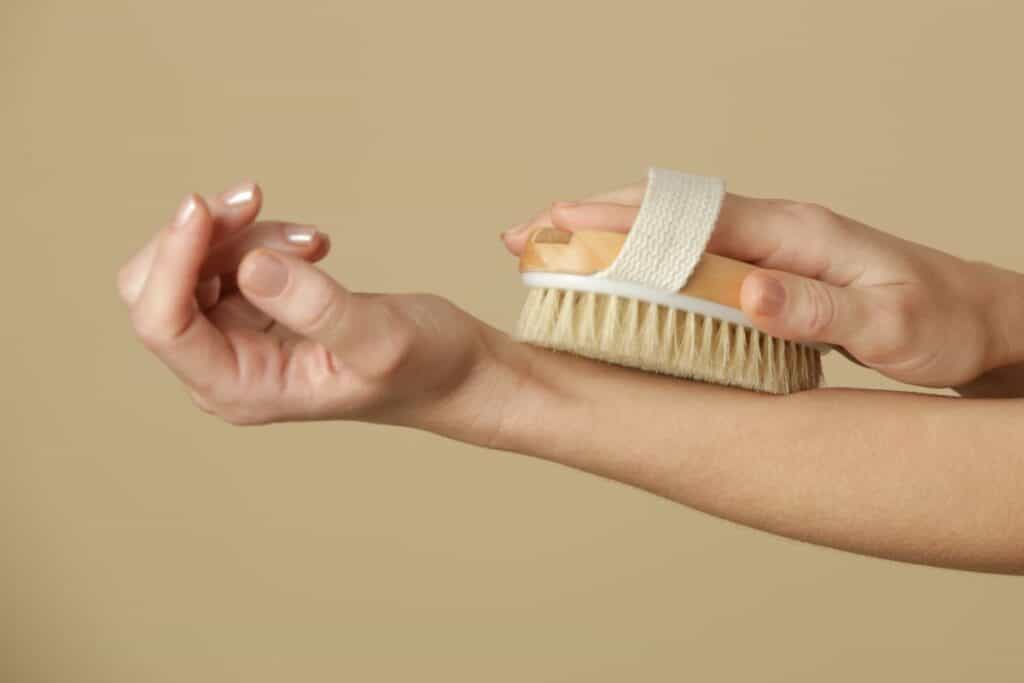
It’s called a dry brush because you use it on dry skin before you shower or bathe.
You’re not supposed to get it wet unless you’re cleaning it.
Dry brushing is better suited to body skin than the face. Facial skin is more easily irritated by a stiff body brush, especially around the eyes or on acne, rosacea, eczema, or sensitized skin.
Benefits of Using A Dry Brush
Dry brushing has a few benefits that include:
- Helping lift loose surface skin cells
- Creating temporary warmth or redness from friction
- Temporarily smoothing the look and feel of rough skin
- Providing a massage-like sensation some people find relaxing
For traditional dry brushing, use the brush on dry body skin with light pressure. Stop if you develop pain, scratching, burning, or persistent redness. More pressure does not create better exfoliation.
Many people do it before a shower so loosened flakes can be rinsed away, but that timing is a preference rather than a requirement.
The sensation may feel relaxing, and the exfoliation can make the skin feel smoother afterward.
Gentle exfoliation may help reduce surface buildup around some hairs, but dry brushing does not reliably prevent or treat ingrown hairs.
Do not scrub active body acne or folliculitis aggressively; friction can make inflamed bumps more irritated.
Use gentle strokes in whatever direction feels comfortable rather than assuming brushing toward the heart changes lymph flow or circulation.
Avoid any areas where skin is broken, sunburned, infected, inflamed, freshly shaved, or sore.
After you’ve brushed your entire body, hop in the shower or bath to wash off.
If you’re curious about dry brushing but don’t know where to start, take a look at this tutorial from Ashley’s Conscious Life on YouTube.
What Kind Of Brush Is Best For Dry Brushing?
There are many body brushes available, and both natural and synthetic bristles can be used for dry brushing.
Synthetic materials such as nylon can be easier to clean and are not inherently less effective simply because they are not natural.
Choose bristles that feel firm enough to exfoliate lightly without scratching or stinging.
A harsher brush is not automatically more effective; comfort and light pressure are more important.
You can find dry body brushes with long handles that help you reach your back or ones that are more compact and are about the length of your hand.
It’s really a matter of personal preference.
Longer handles make it easier for you to reach everywhere on your body, while smaller handles are a little easier to manoeuvre.
Most dry brushes come with handles made of wood or bamboo.
Durability depends on construction and care rather than whether the handle is wood, bamboo, or plastic.
Plastic handles are not automatically less hygienic. Smooth nonporous materials may actually be easier to wipe clean than unfinished wood.
How Often Should I Use A Dry Brush?
Start with once or twice a week and increase only if your skin stays comfortable. Daily dry brushing is unnecessary for most people and may be too irritating for dry, sensitive, or reactive skin.
If you have sensitive skin, you may want to use it less often. Be sure to listen to your body and do what feels best for you.
If your skin becomes red, sore, itchy, irritated, or flaky, stop until it recovers and use the brush less often or with less pressure.
Regardless of how often you use it, your dry brush should be cleaned regularly and stored properly.
Regular cleaning limits residue buildup and helps the brush dry more cleanly between uses.
Cleaning Your Dry Brush
Because of all the dead skin cells that can get caught within the bristles of your dry brush, it’s important to clean it regularly.
The frequency will depend on how often you use it.
A weekly clean is reasonable for frequent personal use, but cleaning after every use is usually unnecessary unless the brush became visibly dirty, damp, or was used with product. If you brush only occasionally, you can clean it less often as long as it remains dry and free of visible buildup.
If you use the brush only occasionally, clean it when residue is visible and make sure it stays completely dry between uses.
Risks Of Not Cleaning Your Dry Brush
Residue can make bristles feel less pleasant over time, while moisture trapped in the brush can create odor or damage some materials.
If the bristles become rough, warped, moldy, or difficult to clean, replace the brush rather than forcing it back into service.
A damp, dirty brush can support microbial growth, which is why complete drying matters as much as cleaning. A freshly washed brush should not be put away in a closed cabinet, pouch, or container while it is still damp.
Good brush hygiene lowers the chance of repeatedly rubbing old residue back onto the skin.
If you have gone a while without cleaning your dry brush, start with a gentle wash rather than a harsh disinfecting soak. Here is how to clean it and get it back to working order.
How To Clean A Dry Brush
If your brush has a removable brush head, separate it from the handle before washing. Do not try to pull out individual bristles or dismantle a brush that was not designed to come apart.
Some dry brushes have removable heads, while many are fixed. Check the manufacturer’s care instructions before soaking any part.
If the head is fixed to a wooden handle, wet only the bristles as much as needed and avoid prolonged soaking of the wood or glue joints.
For most personal dry brushes, a brief wash is preferable to a long soak. The goal is to clean the bristles thoroughly without saturating wooden parts or weakening glued joints.
There are a few different methods for this.
Vinegar And Water
Vinegar is sometimes suggested for brush cleaning, but it is not necessary for routine dry-brush care.
Mild soap and water are generally enough to remove skin flakes, oil, sweat, and ordinary residue from a personal dry brush.
Household vinegar should not be treated as a reliable disinfectant for a shared personal-care brush. Dry brushes should not be shared between people, especially if either person has broken skin, a rash, or an infection.
If the manufacturer specifically allows diluted vinegar, use only the dilution and contact time they recommend.
A strong 1:1 vinegar soak can damage some natural bristles, wood finishes, or adhesives, so it is not a universal cleaning recipe.

Avoid soaking the entire brush unless the manufacturer says the materials are water-safe.
Instead, gently work mild soap through the damp bristles and rinse thoroughly.
Rinse the bristles with clean water while keeping wooden parts as dry as practical.
Continue rinsing until no soap residue remains.
Once you’ve rinsed the brush, shake off excess water, blot the bristles gently with a clean towel, and allow it to air dry completely.
Soap And Water
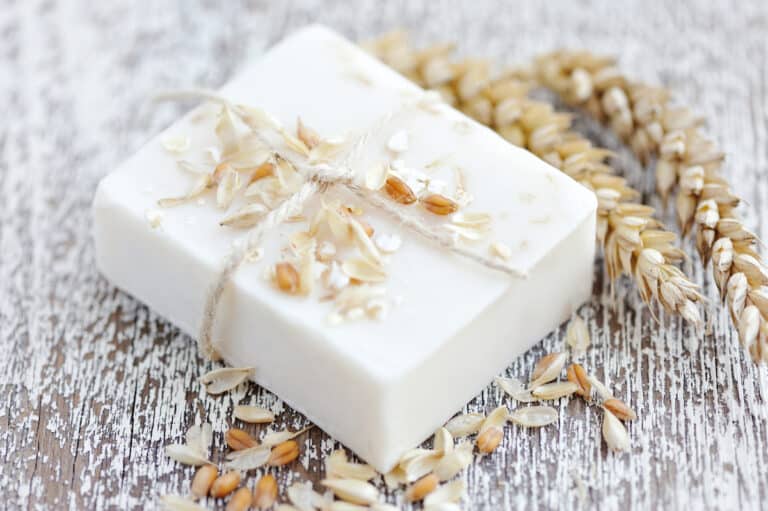
For routine care, soap and water are usually the simplest and most practical way to clean your dry brush.
This method is great for you if you don’t have vinegar or don’t enjoy the smell of vinegar.
A small amount of mild liquid soap is usually enough. “Natural” is not required, and the best choice is one that rinses clean without leaving heavy residue, strong fragrance, or a slippery coating on the bristles.
Dr Bronner’s has a good range of Castile liquid soaps.
Wet the bristles, add a small amount of liquid soap, and work it through gently. There is no universal pump count because brush size and soap concentration vary.
Massage the soap through the bristles without bending or crushing them.
If the brush head is fully washable, you can briefly dip the bristles into diluted soapy water, but avoid prolonged soaking of natural wood or adhesive joints.
Agitate gently with your fingers and rinse until the water runs clear.
Rinse the brush off with water and allow it to air dry.
If soap remains, rinse again rather than repeating the entire wash cycle. Leftover cleanser can dry into the bristles and transfer back onto the skin during the next use.
Essential Oils And Water
Adding essential oil is unnecessary and can leave fragrance residue that may transfer back to the skin.
Although tea tree oil has antimicrobial activity in laboratory settings, adding a few drops to rinse water does not reliably disinfect a brush.
If you want the brush to smell neutral and clean, rinse it thoroughly rather than fragrancing it.
Fragrant oils such as lavender, lemon, and orange can irritate sensitive skin, so keeping them off the brush is simpler.
For routine cleaning, skip the essential oil and use the mild soap method above.
After rinsing, shake out excess water, blot the bristles with a clean towel, and allow the brush to air dry completely. Position it so air can circulate around the bristles instead of leaving the wet brush flat against a non-breathable surface.
Rubbing Alcohol and Water
Routine soaking in rubbing alcohol is usually unnecessary and may dry natural bristles, damage finishes, or weaken adhesives.
Soap and water are generally enough for a personal dry brush used on intact skin.
If a brush has been used on infected skin, shared, or visibly contaminated, replacing it may be safer than trying to improvise a disinfecting soak.
Do not soak a wooden or glued brush in alcohol unless the manufacturer specifically approves that cleaning method.
Make Sure To Dry Your Brush
To avoid mould and smell, make sure to let your brush air dry in an open, well-ventilated space after you’ve cleansed it.
You can place it in a dry, well-ventilated area. Sunlight may help drying, but it should not be treated as a reliable sterilization method and prolonged sun can age wood or natural bristles.
If you use a blow dryer, choose a cool or low setting and keep it moving so you do not overheat natural bristles, glue, or wood.
Once your brush is completely dry, store it in a dry, cool place until you’re ready to use it again. Avoid storing it directly beside a shower where it is repeatedly exposed to steam and splashes.
Contrary to popular belief, storing the brush in the bathroom where it gets steamy is not the best idea.
Store it somewhere dry with good airflow once it is fully dry.
If you use a container, make sure the brush is completely dry first and avoid trapping residual moisture.
But don’t put it in a closed container if it’s still damp, as this could lead to mould growth.
How To Clean The Handle Of Your Dry Brush
Dry brush handles are typically made out of natural wood and should not be soaked in water because water can damage the wood.
To clean the handle of your brush, simply wipe it down with a damp cloth, then dry it promptly so moisture does not sit on unfinished wood.
You can also use mild soap if needed.
Do not apply tea tree oil to the handle as a disinfectant unless the manufacturer recommends it for that finish.
Tea tree oil does not reliably make the handle germ-free and may stain or alter some wood finishes.
Caring For Your Dry Brush
A well-made dry brush can last a long time, but lifespan depends on bristle wear, moisture exposure, adhesives, and handle construction.
Replace it when the bristles become warped, sharp, shed heavily, develop persistent odor, show visible mold, or cannot be cleaned effectively. A brush that scratches the skin after cleaning is no longer worth trying to preserve.
Age alone is not a reason to keep a brush if the materials have visibly deteriorated.
To extend the life of your brush, avoid using it on broken skin.
You should also care for other parts of the brush, such as the wooden handle.
Waxing The Handle Of Your Dry Brush
Another way to extend the life of your dry brush handle is by waxing it.
If the manufacturer recommends conditioning unfinished wood, use a product suitable for that finish. Beeswax may be appropriate for some handles, while food oils such as olive oil can oxidize or become tacky over time.
Apply only a small amount of the manufacturer-recommended wood conditioner or wax with a clean cloth.
Then, buff the handle with a clean cloth to remove any excess wax.
A compatible finish may help reduce drying and surface wear, but not every handle needs additional treatment.
This step is optional and should match the handle material and finish.
However, if this seems like too much work, don’t do it. Just make sure to clean the bristles regularly.
How Do You Soften Dry Brush Bristles?
If the bristles have become unusually stiff, first check for dried residue or material deterioration.
Wash the bristles with mild soap and lukewarm water if residue is the problem, then rinse thoroughly.
Gently reshape the bristles with your fingers without bending or crushing them.
If they remain sharp, warped, or uncomfortable after cleaning, replace the brush.
Avoid adding olive oil or fabric softener to the bristles because residue can transfer to the skin and may interfere with future cleaning.
Once you’re done, rinse off the brush and let it air dry.
Regular mild cleaning and complete drying can help keep the brush usable for longer.
That’s it! Now you know how to clean and care for your dry body brush without relying on harsh disinfectants or complicated DIY mixtures.
Keep the brush clean, dry, and for personal use only, and replace it when the bristles or handle begin to break down.
A well-cared-for dry brush can last for years, but gentle use and good hygiene matter more than trying to preserve one brush indefinitely.
Dry Brush Cleaning FAQs
How Often Should You Clean A Dry Brush?
If you use your dry brush several times a week, a weekly wash is a practical starting point. Clean it sooner if the bristles look dirty, smell unusual, get damp, or collect visible product residue.
Can You Wash A Dry Brush With Soap And Water?
Yes. Mild soap and water are usually enough for routine cleaning. Wet the bristles, work in a small amount of soap, rinse thoroughly, and keep wooden handles or glued joints from soaking longer than necessary.
How Long Does A Dry Brush Take To Dry?
Drying time varies with the brush size, bristle material, room temperature, and airflow. Do not use or store the brush until the bristles and base feel completely dry.
Can You Share A Dry Brush?
It is better to keep a dry brush for personal use only. Sharing increases the chance of transferring skin residue and microorganisms, especially if either person has irritated, broken, or infected skin.
When Should You Replace A Dry Brush?
Replace it when the bristles become sharp, badly warped, difficult to clean, or heavily shed, or if the brush develops persistent odor or visible mold. Comfort and hygiene matter more than keeping the same brush for a specific number of years.
Related Articles
Can You Use A Wet Brush On Dry Hair?
How To Tighten Skin On Thighs Naturally
Best Exfoliating Brushes For Ingrown Hair