Aftershave On Pimples – Does It Really Work?
Aftershave is a staple product for men’s grooming after shaving.
It’s mainly used to refresh and soothe freshly shaved skin. Some formulas also contain alcohol or other astringent ingredients, although stinging does not mean a product is necessary for disinfecting minor shaving nicks.
However, aftershave is slowly making its way into the mainstream beauty world.
Makeup gurus used aftershave as a makeup primer because some aftershaves contain Glycerin.
Glycerin is known to provide a smooth and tacky base for makeup to latch onto.
That has led some people to wonder whether aftershave could also work as an acne treatment.
It’s crucial to remember that aftershave is a skin-soothing product applied after a shave.
However, aftershave is not automatically formulated to unclog pores or treat acne. The effect depends entirely on the formula, and many aftershaves contain alcohol or fragrance that can irritate acne-prone skin.
However, does applying aftershave on pimples really work?
Aftershave is generally not the best choice for treating pimples. While some formulas contain ingredients that overlap with skincare, alcohol, fragrance, and essential oils can also dry or irritate the skin. If acne is your main concern, a product formulated with proven acne ingredients such as salicylic acid or benzoyl peroxide is usually a more direct option.
Aftershave can still have a place in your routine as a post-shave product, but it is better not to rely on it as a spot treatment or acne-healing product.
You can also consult your dermatologist to discuss the potential benefits of aftershave for your specific skin type.
What Is Aftershave?
Aftershave is a popular grooming product typically used after shaving to help the skin feel refreshed, soothed, or moisturized.
It has the texture of a thin liquid that quickly absorbs into the skin.
Some traditional formulas contain a high amount of alcohol, which can cause that familiar stinging sensation on freshly shaved skin (Home Alone, anyone?).
Different formulas are designed to address post-shaving discomfort such as dryness, tightness, or razor burn, although a gentle moisturizer can often do the same job with less irritation.
Each aftershave can offer various benefits depending on its ingredient list.
Benefits Of Aftershave
Aftershave can provide numerous benefits to the skin.
Depending on the formula, aftershave may help with post-shave dryness, tightness, or mild irritation. It does not reliably prevent ingrown hairs or heal cuts on its own.
These benefits are gained when using aftershave as intended.
However, is it possible that some of these benefits can also remedy pimples or breakouts?
Understanding how aftershave usually works is crucial before trying out a skincare hack.
Reduce Ingrown Hairs
Aftershave can help reduce ingrown hairs.
Due to improper shaving techniques, ingrown hairs often get trapped under the skin’s surface.
Additionally, ingrown hairs can increase the likelihood of flare-ups or pimples if excess dirt and sebum become trapped in the skin.
A gentle, moisturizing aftershave may make freshly shaved skin feel more comfortable, but preventing ingrown hairs also depends on shaving technique, hair type, and whether dead skin is clogging the follicle opening.
Minimise Itching/Swelling
Another common skin irritant that can occur post-shaving is itching and swelling.
Shaving, especially with a poor-quality razor, can increase the risk of irritation, such as dryness, redness, itching, or swelling.
Dry or irritated skin can make a routine harder to tolerate, but dryness does not automatically cause the skin to produce enough extra sebum to create acne.
A hydrating aftershave may reduce post-shave discomfort, but it should not be assumed to provide meaningful antibacterial acne treatment.
Heal Cuts/Nicks
One slip with the razor can easily result in an uncomfortable nick or cut.
Alcohol-based aftershave can produce a strong stinging effect on freshly shaved skin, but the sting itself is a sign of irritation rather than proof that the product is disinfecting effectively.
Alcohol can make a pimple feel drier temporarily, but overdrying the surrounding skin can worsen irritation and does not address the causes of acne.
Aftershave can also contain astringents or humectants, but those ingredients serve different purposes and should not be treated as interchangeable with a cleanser or acne treatment.
Common Aftershave Ingredients And How They Affect Pimples
Aftershaves vary by ingredients, so one type of aftershave can be more harmful to the skin than others.
Therefore, it’s worth checking the ingredient list to determine whether the formula is likely to soothe freshly shaved skin or irritate acne-prone skin.
Some skincare products can share similar ingredients to aftershave.
Popular ones include alcohol, witch hazel, and essential oils.
Additionally, everyone’s skin is unique and may not respond the same way.
Alcohol
Alcohol is common in traditional aftershaves, although many modern balms and lotions use little or none.
Alcohol has antimicrobial properties, but an alcohol-heavy aftershave is not necessary for routine care of minor shaving nicks and can be harsh on freshly shaved skin.
However, frequently applying alcohol-based aftershave and skincare may lead to sensitised skin.
Alcohol may make a blemish feel drier temporarily, but frequent use can increase dryness, stinging, and barrier irritation.
So, it’s essential to use it sparingly.
Witch Hazel
Witch hazel is a popular astringent that can be used on its own or formulated into aftershave.
Some people with oily skin like the temporary astringent feel of witch hazel, but it is not a substitute for an evidence-based acne treatment.
However, witch hazel can feel drying or irritating on sensitive skin, especially when paired with alcohol or fragrance.
Essential Oils
Essential oils are also used in some aftershaves for fragrance or sensory appeal, but they are not automatically helpful for pimples and can trigger irritation in sensitive skin.
For example, tea tree oil has been studied in acne care, but concentrated essential oil should not be applied directly to pimples and the amount present in an aftershave may not be therapeutically meaningful.
If tea tree oil appears in an aftershave, judge the product by the complete formula rather than assuming that one ingredient will make it an acne treatment.
Other popular essential oils include lavender and frankincense.
Can Aftershave Treat Breakouts?
Can aftershave effectively help heal breakouts or pimples?
It highly depends on what type of aftershave you have and its ingredients.
For example, alcohol-based aftershaves can be very drying, which is a reason to avoid using them as a spot treatment rather than a reason to choose them for pimples.
Aftershaves with glycerin may feel more comfortable because glycerin helps attract water to the outer layer of the skin.
What To Use On Pimples Instead Of Aftershave
If you want to target acne directly, choose products formulated for that job. Salicylic acid can help with clogged pores and blackheads, while benzoyl peroxide is commonly used for inflammatory pimples. A dermatologist may recommend other options depending on the type and severity of your acne.
Keep the rest of the routine simple: use a gentle cleanser, a non-irritating moisturizer, and sunscreen during the day. Adding several drying products at once can make acne look and feel worse by irritating the skin barrier.
How To Use Aftershave On Pimples
How can you use aftershave on pimples?
If you already use an aftershave, choose one with a simple, low-irritant formula that suits your skin rather than selecting it specifically to treat acne.
Then, once you’re comfortable with your aftershave, you can conduct a patch test.
Depending on the ingredients and the brand directions, you may use aftershave over freshly shaved areas. Avoid using it as an acne spot treatment unless the product is specifically formulated and labeled for that purpose.
If acne is your goal, use a product designed for acne rather than waiting to see whether aftershave happens to improve it.
Patch Test
You’ll want to patch test any product that can potentially treat pimples.
It can be challenging to tell how you will react to a product, especially if you have sensitive skin.
Sometimes fragrances, alcohols, and essential oils can trigger irritation.
A patch test can help reveal obvious irritation or sensitivity, although it cannot guarantee that a product will never cause a reaction with repeated facial use.
After Cleansing
If you use aftershave as part of your post-shave routine, apply it to clean skin according to the label.
It’s best to use it after cleansing your skin.
Washing your face with a gentle but effective cleanser will ensure you have a clean canvas for your aftershave.
You can gently pat the aftershave onto the freshly shaved area instead of rubbing aggressively over irritated skin.
Then, you can continue with the rest of your skincare routine.
If the formula stings or dries your skin, use it less often or switch to a gentler post-shave balm.
As A Spot Treatment
If an aftershave is extremely drying, that is a sign it may not be suitable for acne-prone facial skin.
Alcohol-based aftershave can be too harsh to use all over the face.
Instead of using it as a spot treatment, choose an acne product with an active ingredient such as salicylic acid or benzoyl peroxide when appropriate for your skin.
The correct frequency for a spot treatment depends on its active ingredient and label directions. Some are used daily, while others need less frequent application.
Also, ensure you are nourishing your skin daily with moisturiser and SPF.
Post-Shave Soother
Lastly, you can use aftershave simply as an aftershave.
You can follow the brand’s directions to ensure you get the most out of your aftershave.
Side Effects Of Using Aftershave To Treat Pimples
Even aftershave can have its side effects.
For example, some aftershaves are way harsher and contain more sensitising ingredients.
So it’s crucial to double-check the labels if your skin is sensitive.
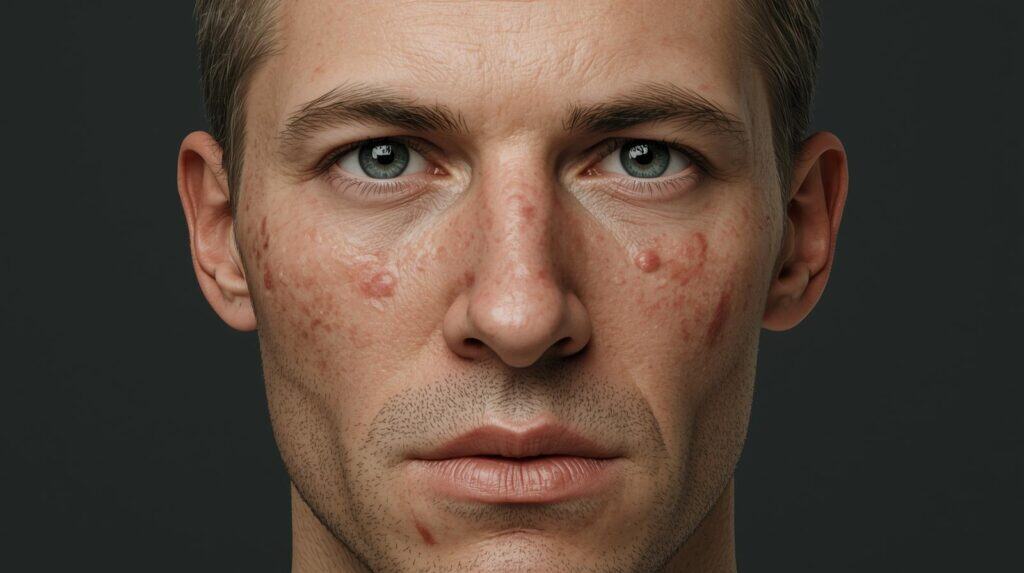
Additionally, you may want to avoid using aftershave every day.
Some common side effects of aftershave include irritated skin, a weakened skin barrier, or overly dry skin.
Overly Dry Skin
Common ingredients in aftershaves, like alcohol and witch hazel, can potentially dry out pimples.
However, they can also increase dryness for the rest of your skin.
As a result, overusing aftershave can lead to tight, flaky, and overly dry skin.
This is more likely when the formula is harsh, used too often, or layered with other drying products.
If dryness continues, switch to a gentler aftershave or stop using it rather than concentrating a harsh formula directly on pimples.
Unbalanced Skin Barrier
Frequent use of a harsh aftershave can contribute to dryness and compromise the skin barrier, particularly if it contains a lot of alcohol or fragrance.
If an alcohol-based formula feels too drying, consider a gentler balm or an aftershave with glycerin and fewer fragrance ingredients.
Glycerin-based aftershaves can help replenish moisture and hydration in the skin.
However, also limit how often you use aftershave weekly.
Irritation
You may notice an overall increase in skin irritation.
For example, aftershave can even heighten breakouts and pimples, increase redness, or inflame pores.
This may indicate that an ingredient in aftershave is not compatible with your skin type.
It’s crucial to use aftershave sparingly, especially those that are alcohol-based.
Also, ensure you have a daily hydrating skin regimen.
What To Look For In Aftershave
How can you pick the right aftershave?
Understanding your skin type and needs is crucial for selecting the right products.
For example, witch hazel is a common ingredient in aftershave that may benefit oilier skin more than sensitive skin.
Analysing the ingredients list will ensure you have the right product.
You can also consult a dermatologist or conduct a patch test to determine the best course of action.
Witch Hazel
We’ve mentioned how witch hazel is a common component in skincare and aftershave.
However, witch hazel has had a bad reputation for being overly harsh and ineffective.
In a well-formulated product, witch hazel may provide an astringent feel, but it should not be expected to treat pimples as reliably as dedicated acne ingredients.
Witch hazel may feel drying, so it can help oilier skin types.
Additionally, oily/acne-prone skin types need to moisturise and protect their skin to benefit from witch hazel fully.
Vitamin E
Vitamin E is an antioxidant and emollient ingredient that can appear in some aftershave formulas.
Additionally, vitamin E will provide soothing and nourishing properties that may help balance out any drying components in your aftershave.
Glycerin
Another great option is to choose an aftershave with glycerin.
Glycerin is a humectant that supports hydration, but it is not an acne treatment by itself.
Additionally, it will keep the skin hydrated and trap moisture in the outer layer of the skin.
Adequate hydration can support a comfortable skin barrier, which may make acne routines easier to tolerate.
It’s also less drying and irritating than other aftershave ingredients.
Who Should Avoid Using Aftershave On Pimples?
Aftershave isn’t the end-all, be-all treatment for acne, and not everyone will have a great experience.
Aftershave is not generally formulated to treat pimples, even if individual formulas contain ingredients that also appear in skincare.
Additionally, everyone’s skin reacts differently, so some individuals may find that their aftershave helps improve the appearance of their skin.
However, who should avoid using aftershave to treat breakouts?
Sensitive Skin
Those with reactive, sensitive, or vulnerable skin types may want to avoid aftershave.
Aftershave can contain a range of harsh ingredients, including alcohol and fragrances, that can hurt the skin.
It’s best for sensitive skin to slowly test aftershave or avoid it altogether and use skincare specifically designed for sensitive skin.
Intense Skin Conditions
Anyone with intense skin conditions like cystic acne, eczema, or psoriasis may not benefit from using aftershave on pimples.
These intense skin conditions require medical attention or the assistance of a dermatologist to receive proper treatment.
Some conditions, such as autoimmune diseases, are unlikely to improve with the use of aftershave.
If your skin is inflamed, painful, or highly reactive, keep the routine simple and avoid experimenting with fragranced or alcohol-heavy aftershaves on active acne.
Aftershave Alternatives
Are there any alternatives to aftershave?
You may find that a simple moisturizer or soothing gel works better than a traditional aftershave when your goal is post-shave comfort.
The skin is often irritated after shaving, so it needs nourishment.
However, you can also reach for a simple component rather than aftershave and still keep the skin clear.
Popular alternatives include aloe vera gel, a fragrance-free moisturizer, and glycerin-containing lotions. Coconut oil can feel too heavy or clogging for some acne-prone faces.
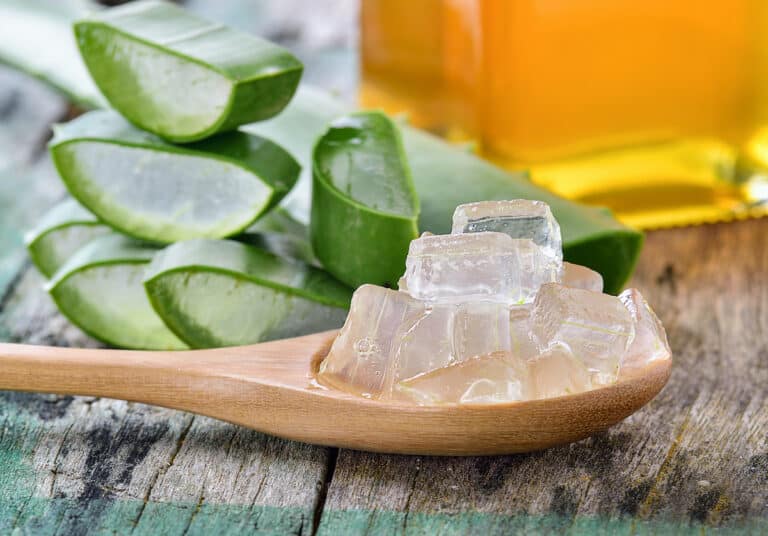
Aloe Vera
When you think of skin-soothing, what’s the first ingredient that comes to mind?
It’s most likely aloe vera.
Aloe vera gel can feel cooling and soothing on freshly shaved skin, especially when the formula is simple and fragrance-free.
It can support hydration and comfort, but it should not be expected to prevent acne on its own.
Aloe vera gel is also accessible, affordable, and effective.
Coconut Oil
Another versatile product is coconut oil.
It can work as an emollient for some body areas, but it is not ideal for everyone as a facial aftershave or shaving product, particularly if you are prone to clogged pores.
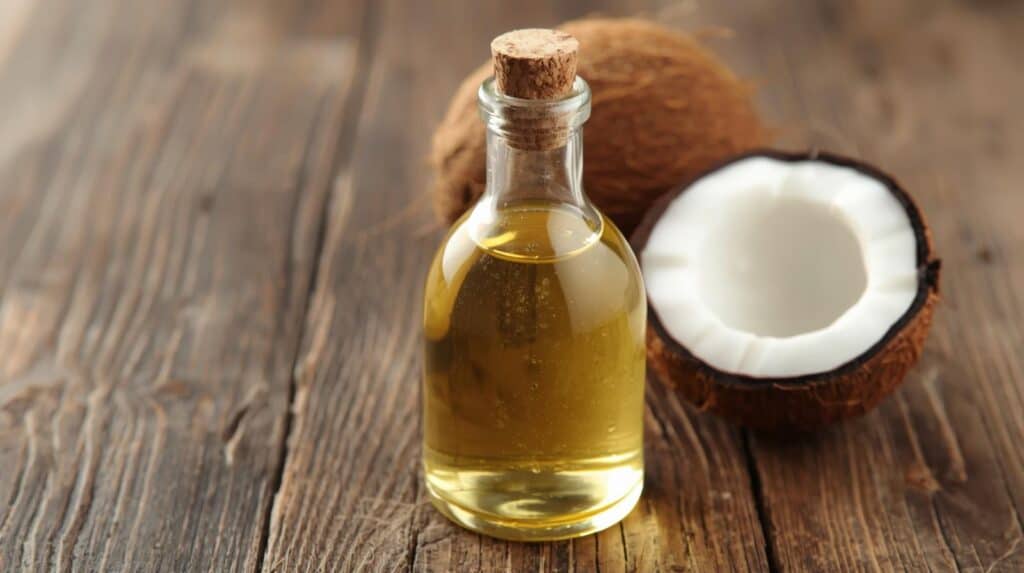
Coconut oil can provide an occlusive layer that reduces moisture loss, but stop using it if it seems to worsen facial congestion or breakouts.
Additionally, it can potentially maintain the integrity of the moisture barrier.
Even if you’re not a fan of coconut oil as an aftershave, you can use it for a plethora of other purposes.
Glycerin
Did you know you can purchase glycerin on its own?
Glycerin is useful in aftershaves and moisturizers, but it is usually easiest to use it in a finished skincare formula rather than applying concentrated glycerin by itself.
It provides hydration, locks in moisture, and soothes the skin.
Retaining a healthy skin barrier can help you reduce pimple breakouts.
Should You Use Aftershave To Heal Acne?
If your goal is to treat acne, aftershave is usually not the most direct or reliable option.
Alcohol-based aftershaves can be irritating on active pimples, while glycerin-based aftershaves may feel more comfortable because they support hydration.
Use aftershave according to the product directions and how your skin responds rather than following a fixed weekly schedule.
For acne, focus on a simple daily routine built around a gentle cleanser, moisturizer, sunscreen, and an acne treatment chosen for your skin.
Consult A Dermatologist
Before using aftershave on pimples, it’s advisable to consult a dermatologist.
A dermatologist can help you avoid any skin mishaps and create a personalised routine tailored to your skin’s specific needs.
They can also advise you on your aftershave journey, what to look out for, and any alternatives.
Takeaway
Aftershave may make freshly shaved skin feel more comfortable, but it should not be relied on to treat pimples.
Choosing the correct type of aftershave for your skin type is crucial, and integrating it into your regimen accordingly.
Aftershave can contain ingredients such as witch hazel, glycerin, or alcohol, but none of those automatically turns the product into an effective acne treatment.
If an aftershave irritates active acne, stop using it on those areas. For persistent, painful, or scarring acne, a dermatologist can help you choose a more appropriate treatment plan.
Aftershave And Pimples FAQs
Can Alcohol Aftershave Dry Out A Pimple?
It can make a pimple feel temporarily drier, but that does not mean it is treating the acne effectively. Alcohol can also irritate the surrounding skin and make redness or flaking worse.
Can Aftershave Cause Breakouts?
Yes. Fragrance, essential oils, heavy emollients, or repeated irritation can trigger breakouts or make acne-prone skin feel worse in some people.
Should You Put Aftershave On A Shaving Bump?
A gentle, fragrance-free aftershave balm may soothe freshly shaved skin, but an alcohol-heavy formula can sting and irritate an inflamed bump. For recurring ingrown hairs, focus on shaving technique and appropriate exfoliation rather than repeatedly drying the area.
What Is Better For Pimples: Aftershave Or Salicylic Acid?
A salicylic-acid product formulated for acne is the more direct choice for clogged pores and blackheads. Aftershave is designed for post-shave care, not acne treatment.
Related Articles
Does Salicylic Acid Make Acne Worse Before It Gets Better?
Peppermint Tea For Acne – Does It Work?
Does Toothpaste Get Rid of Blackheads?