
5 Best Silicone-Free Facial Moisturizers
Finding the right skincare routine often comes down to choosing a moisturiser that suits your skin type, texture preferences, and ingredient priorities.
If you prefer ingredient-conscious skincare, you may be looking more closely at whether your moisturiser contains silicones and what a silicone-free formula uses instead.
Fortunately, silicone-free facial moisturisers now come in everything from lightweight gels to richer creams, so avoiding silicones does not mean giving up hydration or a comfortable finish.
Silicones are common in beauty and skincare because they can improve slip, spreadability, smoothness, and the way a product sits on the skin.
Silicones are sometimes debated in “clean beauty” discussions, but that label does not determine whether an ingredient is safe, effective, or suitable for your skin.
Cosmetic silicones are manufactured ingredients derived from silicon-containing materials. In skincare, they are mainly used to improve slip, smoothness, spreadability, and moisture retention rather than to act as active treatment ingredients.
What are the best silicone-free facial moisturiser alternatives?
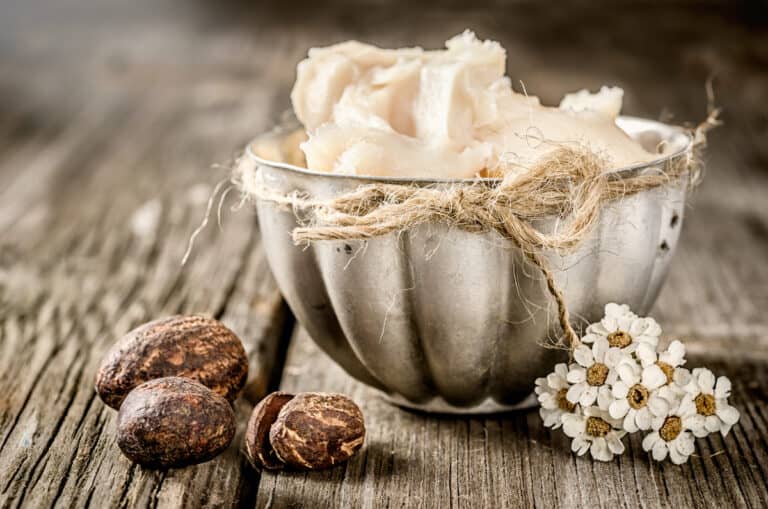
If you want a silicone-free facial moisturiser, look for formulas that use humectants, oils, butters, and other emollients to hydrate and soften the skin. Some products are labeled silicone-free, but the ingredient list is still the best place to confirm what is in the formula.
Silicones can appear under several ingredient names, including dimethicone and related silicone-based compounds, so check the current ingredient list instead of relying only on front-of-pack claims.
Below, we’ll explain what silicones actually do, why you might choose to avoid them, what to look for instead, and how the moisturisers in this guide differ.
What Are Silicones?
Silicones are synthetic polymers built around silicon and oxygen. Cosmetic examples include dimethicone, cyclopentasiloxane, and related ingredients.
They are popular in beauty and skincare products because they improve spreadability, reduce tackiness, create slip, and can help reduce moisture loss from the skin.
Silicones can temporarily smooth the feel of uneven texture by forming a flexible film across the skin surface.
That smoothing effect is mainly cosmetic and temporary, which is why silicone-heavy primers and moisturisers can make the skin feel noticeably silkier soon after application.
Some silicones also have occlusive or semi-occlusive properties, meaning they can help slow water loss by forming a light film on the surface of the skin.
Because they form a light film, some silicones can help reduce water loss. They do not create an impenetrable seal that stops all other skincare ingredients from working.
How To Check If A Moisturiser Is Silicone-Free
A “silicone-free” label is convenient, but the ingredient list gives you more detail. Dimethicone is one of the most recognizable cosmetic silicones, and there are other silicone-based ingredients with different names and textures.
If avoiding silicones is a firm preference, check the current label rather than relying on an old product description. Skincare formulas can be reformulated over time.
Also remember that silicone-free does not automatically mean lighter, more natural, non-comedogenic, or better for sensitive skin. Oils, waxes, butters, fragrance, and botanical extracts can all change how a moisturiser feels and how your skin responds.
Why Some People Prefer Silicone-Free Moisturisers
Silicones are generally well tolerated in skincare, but some people prefer silicone-free formulas because of texture preferences, layering habits, personal ingredient choices, or how a particular product feels on their skin.
If you have sensitive or rosacea-prone skin, silicone itself is not a universal irritant. Reactions are more likely to depend on the full formula, including fragrance, preservatives, botanical extracts, and other active ingredients.
Silicone-based moisturisers can leave a very smooth film on the skin. Some people love that silky finish, while others prefer a cream or gel that feels less coated.
That film can help reduce moisture loss without necessarily preventing later products from functioning. In practice, texture and layering compatibility matter more than the idea that silicone “blocks” skincare.
Silicones such as dimethicone are not inherently pore-clogging, although any complete moisturiser can feel too heavy or trigger breakouts for a particular person.
If you are breakout-prone, judge the entire formula and how your skin responds rather than assuming silicone itself will cause acne.
Silicones can reduce water loss from the skin, which is different from “repelling” all useful moisture from the outside.
Most silicone-containing skincare products can be removed with a normal facial cleanser. Heavy makeup or water-resistant sunscreen may need a more thorough cleanse, regardless of whether silicone is present.
An oil-based cleanser or double cleanse can be useful when removing makeup or water-resistant sunscreen, but it is not automatically required just because a product contains silicone.
Silicones are mainly functional and cosmetic ingredients rather than treatment actives. Their benefits are usually related to feel, spreadability, barrier support, and reduced moisture loss.
Once the product is removed, much of the immediate smoothing effect goes with it, although the formula may still have helped reduce moisture loss while it was on the skin.
What To Look For In A Moisturiser
When you are choosing a new silicone-free moisturiser, focus first on how well it hydrates, how comfortable it feels, and whether it works with the rest of your skincare routine.
However, introducing a new product can be worthwhile if your current moisturiser is not giving you enough hydration, comfort, or compatibility with the rest of your routine.
Below are key factors to keep in mind while you are on the hunt for your new facial moisturiser.
Ingredients
The ingredient list can tell you both whether the formula is silicone-free and how it plans to moisturise your skin instead.
Look for a balance of humectants that attract water, emollients that soften the skin, and ingredients that help reduce moisture loss. A good moisturiser does not need silicone to perform these basic jobs.
If you also want to address a specific concern such as dryness, uneven tone, or sensitivity, pay attention to the supporting ingredients rather than judging the formula only by what it leaves out.
It also helps to think about layering compatibility. Some richer creams sit beautifully over serums but may pill under certain sunscreens or makeup, while lighter gels can be easier to layer.
If a new moisturiser pills, stings, or feels too heavy, the issue may be the complete formula or the way products are layered rather than the absence of silicone itself.
Rather than avoiding entire ingredient categories by default, focus on formulas that are well tolerated and appropriate for your skin. Parabens and phthalates should not automatically be described as harmful simply because of their category names.
If your skin is sensitive or prone to breakouts, fragrance-free and non-comedogenic formulas may be useful starting points, although those labels cannot guarantee that a product will never irritate or clog your skin.
Skin Type
Your skin type is a more useful guide than a simple “silicone-free” label when deciding which moisturiser texture to choose.
If your skin is dry, you may want more emollient oils or butters. If it is oily, you may prefer a lightweight lotion or gel. Sensitive skin may benefit from a simpler, fragrance-free formula.
Combination skin may need a middle ground: enough hydration for drier areas without a finish that feels overly rich on the T-zone.
Pay attention to how your skin feels a few hours after application. Persistent tightness can suggest you need more hydration or occlusion, while a heavy, greasy feel may mean the texture is richer than you prefer.
Texture
Texture affects comfort just as much as the ingredient list. Drier skin types often prefer richer creams, while normal or combination skin may prefer lotions that balance hydration with a lighter finish.
Oily skin often prefers gel or lightweight lotion textures, especially under makeup, but some oily skin types still do well with richer creams if the formula is comfortable and non-greasy.
SPF
For daytime, it is incredibly important to have a broad-spectrum SPF to protect from sun damage.
A moisturiser with broad-spectrum SPF can serve as your sunscreen step if you apply enough to reach the labeled protection. You do not need to layer a separate sunscreen on top simply because the SPF is built into a moisturiser.
For your nighttime moisturiser, you can skip the SPF and opt for one without.
Best Silicone-Free Facial Moisturisers
| Rank | Product | Key Features |
|---|---|---|
| 1. | Embryolisse Lait-Crème Concentré | Plump, smooth skin; can be used as moisturizer or makeup primer; formulated with shea butter, aloe vera, beeswax, and soy proteins |
| 2. | Vichy Laboratories Aqualia Thermal | 48-hour hydration; strengthens skin’s moisture barrier; available in three formulas to suit different skin types |
| 3. | ELEMIS Superfood Day Cream | Antioxidant and superfood rich; provides fresh and glowing appearance; strengthens skin’s moisture barrier and overall appearance |
| 4. | Juice Beauty Oil-Free SPF 30 Moisturizer | Vegan and cruelty-free; hydrates and protects skin by offering SPF 30; oil-free formula is ideal for oily skin types |
| 5. | Boscia Chia Seed Moisture Cream | Vegan and cruelty-free; ideal for dry skin types; prevents against moisture loss and restores skin’s radiance |
The options below cover different textures and use cases, from richer creams to daytime moisturisers with SPF. Because formulas can change, check the current ingredient list before buying if avoiding silicone is essential to you.
1. Embryolisse Lait-Crème Concentré
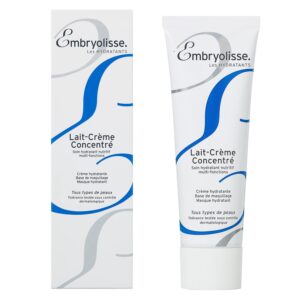
Best for: normal-to-dry skin and makeup prep. Embryolisse Lait-Crème Concentré is a rich moisturiser that is also commonly used as a smoothing base before makeup.
The Lait-Crème Concentré has a creamy, emollient feel that can leave dry or tight-feeling skin softer and more comfortable.
It has a rich, creamy texture that may suit normal-to-dry skin especially well. Very oily or fragrance-sensitive skin may prefer a lighter or more minimal formula.
Its richer finish can work well under makeup if you prefer a moisturised base, although very oily skin may find it heavier than necessary.
2. Vichy Laboratories Aqualia Thermal
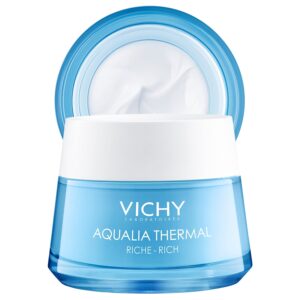
Best for: dehydrated skin that wants a lighter hydrating texture. Formulated with hyaluronic acid, Vichy Volcanic Water, and plant-derived sugars, this moisturiser is designed to support hydration and skin comfort. Treat “48-hour hydration” as a brand claim rather than a guaranteed result for every user.
Better hydration can make the skin look smoother and temporarily soften the appearance of fine dehydration lines.
The Aqualia Thermal is formulated in different textures to work best for your skin type:
A rich cream for dry skin, a lightweight gel for oily skin, and a fragrance-free option for sensitive skin.
3. ELEMIS Superfood Day Cream
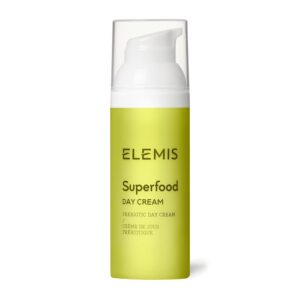
Best for: normal-to-dry skin that likes a botanical-rich day cream. This moisturiser combines antioxidant and vitamin-containing ingredients with emollients and humectants aimed at leaving the skin feeling hydrated and comfortable.
After applying this moisturiser, the skin is left looking fresh and glowing.
Matcha tea extract and goji berry extract contribute antioxidant compounds to the formula, although the overall moisturising effect depends on the full ingredient blend.
The oil-rich botanical ingredients are included to support softness and reduce dryness.
4. Juice Beauty Oil-Free SPF 30 Moisturiser
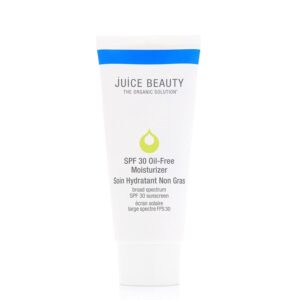
Best for: someone who wants moisturiser and SPF in one daytime step. This formula includes SPF 30. Apply enough product to achieve the labeled protection, and reapply when needed. “Reef-safe” is not a standardized regulatory term.
An oil-free formula may appeal to oily or acne-prone skin, although oil-free products are not automatically better for every skin type.
Another moisturiser rich in antioxidants and vitamins, along with hyaluronic acid.
This product combines moisturising ingredients with daytime sun protection in one step.
5. Boscia Chia Seed Moisture Cream
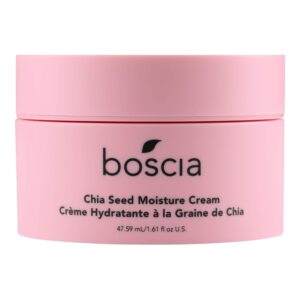
Best for: dry skin that prefers a richer cream. The rich texture is designed to cushion the skin with emollient ingredients rather than relying on a lightweight gel feel.
Chia seed oil contributes emollient fatty acids that can help soften the skin and reduce moisture loss.
The formula also contains antioxidant ingredients and water-based hydrators designed to support a softer, more comfortable finish.
Are Silicone-Free Moisturisers Worth It?
Silicones are not inherently bad for skin, so there is no need to avoid them unless you prefer the feel, finish, layering behaviour, or ingredient profile of silicone-free formulas.
If you prefer to avoid silicones, there are plenty of alternative moisturisers that use humectants, oils, butters, and other emollients to provide hydration and comfort.
The best choice is the moisturiser that keeps your skin comfortable, fits your routine, and has a texture you enjoy enough to use consistently. If silicone-free is important to you, recheck the ingredient list whenever you repurchase because formulas can change.
Silicone-Free Moisturiser FAQs
Are silicones bad for your skin?
No. Cosmetic silicones such as dimethicone are generally used for texture, slip, and moisture-loss reduction. Some people simply prefer the feel or layering behaviour of silicone-free formulas.
What can moisturise skin without silicone?
Silicone-free moisturisers can combine humectants, emollient oils, butters, fatty ingredients, and other film-forming ingredients to attract water, soften the skin, and reduce moisture loss.
Can silicone-free moisturiser work under makeup?
Yes. The key is compatibility between the moisturiser, sunscreen, primer, and foundation. Let each layer settle and use thin amounts if you notice pilling.
Is silicone-free better for acne-prone skin?
Not automatically. Silicone itself is not inherently pore-clogging. Acne-prone skin should evaluate the complete formula, texture, and individual response rather than choosing solely by a silicone-free label.
Related Articles
Best Silicone-Free Moisturisers
Best Moisturisers Without Hyaluronic Acid
Mixing Foundation With Moisturiser (What To Know)