The Ordinary Marine Hyaluronics VS. Hyaluronic Acid
Hydration matters when your skin feels tight, dull, or dehydrated, regardless of whether your skin type is dry, oily, combination, or somewhere in between.
A lightweight humectant serum can fit into both AM and PM routines, especially when you want extra water-based hydration without adding much richness or occlusion.
There are numerous products available, from a wide range of brands. One of the most popular lines out there is The Ordinary.
The Ordinary is known for affordable, ingredient-focused skincare, including Marine Hyaluronics and Hyaluronic Acid 2% + B5.
So, what’s the difference between marine hyaluronics vs hyaluronic acid?
Both The Ordinary’s Marine Hyaluronics and Hyaluronic Acid 2% + B5 are water-based hydration serums, but they use different humectant systems and have different textures. Marine Hyaluronics is very fluid and does not contain hyaluronic acid, while the current Hyaluronic Acid 2% + B5 formula combines several forms of HA with panthenol and ceramides.
If you are deciding between the two, the biggest differences are not simply “marine ingredients versus hyaluronic acid.” Texture, humectant blend, added barrier-support ingredients, and how each serum layers under the rest of your routine matter more.
We’ll compare the ingredients, texture, current sizes, skin-type fit, benefits, and how to use each one without overstating what a hydrating serum can do.
Qualities We’ll Compare
At first glance, both serums may seem interchangeable because they target the same basic concern: dehydration.
They overlap in purpose but feel noticeably different on the skin and use different ingredient systems. We’ll compare the following areas:
- Ingredients
- Amount In Standard Size
- Affordability
- Benefits
- Which Skin Types Would Benefit Most
- How To Use It
The comparison below focuses on what is most likely to affect real-world use rather than treating either serum as universally better.
Ingredients
Marine Hyaluronics
The current Marine Hyaluronics serum is a water-based formula built around glycerin, algae extracts, Pseudoalteromonas-derived ingredients, amino acids, PCA, sodium PCA, and sodium lactate. The Ordinary may update formulas over time, so check the ingredient list on your own bottle if you are comparing an older purchase.
The formula uses marine-derived and fermentation-derived humectant ingredients, alongside algae extracts and amino acids, to support surface hydration.
These ingredients help attract and hold water at the skin’s surface, which can make dehydrated skin feel softer, smoother, and more comfortable.
Despite the name, this serum does not contain hyaluronic acid. It is positioned as a lightweight alternative that uses other water-binding ingredients to target dehydration.
The current brand information lists Marine Hyaluronics as alcohol-free, oil-free, silicone-free, vegan, gluten-free, and cruelty-free. Packaging and formula details can change by region and over time.
That makes it especially useful for someone who wants a very lightweight humectant serum without HA itself or dislikes the more gel-like feel of many traditional hyaluronic acid serums.
Hyaluronic Acid 2% + B5 Hydrating Serum
The Ordinary has reformulated its Hyaluronic Acid 2% + B5 serum. The current version adds ceramides and several forms of hyaluronic acid, while the brand still lists an original formulation separately in some markets. Check the product name and ingredient list on the bottle or retailer page before comparing formulas.
In the current formula, the main hydration-focused ingredients include several forms of hyaluronic acid, panthenol or pro-vitamin B5, glycerin, and ceramide-supporting lipids.
The Ordinary describes the current serum as using low-, medium-, and high-molecular-weight HA, a crosspolymer, and hydrolyzed hyaluronic acid to hydrate different levels within the skin’s surface layers.
Panthenol helps support moisture retention and skin-barrier comfort. It is not the same as niacinamide and should not be expected to target uneven tone in the same way. Better hydration can temporarily make fine dehydration lines look less noticeable.
The updated formula also includes ceramides, which help support the skin’s moisture barrier and complement the water-binding effect of hyaluronic acid.
The current brand information lists the reformulated serum as alcohol-free, oil-free, silicone-free, vegan, gluten-free, and cruelty-free.
Amount In Standard Size
Marine Hyaluronics
Marine Hyaluronics is currently sold by The Ordinary in a 30 mL size. Packaging and regional availability can change, so check the current listing before purchasing.
Hyaluronic Acid 2% + B5 Hydrating Serum
The current Hyaluronic Acid 2% + B5 formula is available in 30 mL and 60 mL sizes in many markets.
Benefits
Marine Hyaluronics
This water-based serum is a particularly lightweight alternative for people who want humectant hydration without using hyaluronic acid itself.
By increasing surface hydration, it can make the skin feel softer and temporarily look smoother or a little plumper.
It may soften the look of fine dehydration lines and help dry-feeling areas look smoother, but it will not fill permanent wrinkles or reverse skin aging.
Follow it with a moisturizer if your skin needs more lasting moisture and barrier support, because a watery humectant serum does not replace the emollient or occlusive role of a moisturizer.
Hyaluronic Acid 2% + B5 Hydrating Serum
The Hyaluronic Acid 2% + B5 formula focuses on surface hydration and a plumper, smoother appearance. Different HA forms do not mean the serum moisturizes “to the base of your pores.”
The combination of HA and panthenol supports hydration, while the current formula’s ceramides add barrier support. It should still be viewed primarily as a hydration serum, not an acne-clearing, exfoliating, or pigmentation treatment.
It’s a water-based hydration serum aimed mainly at dehydration, dryness, and the appearance of fine dry lines.
The Ordinary positions the reformulated serum as providing immediate and longer-lasting hydration, while the added ceramides and panthenol support the moisture barrier. Results will still depend on the rest of your routine.
Compatible Skin Types
Marine Hyaluronics
The Ordinary lists Marine Hyaluronics as suitable for all skin types, with dehydration and dryness as its main targets.
Its very fluid, lightweight texture may appeal to oily or combination skin and to anyone who dislikes tacky or gel-like serums. Sensitive or acne-prone skin can still react to individual ingredients, so patch testing is sensible.
It can also be worth considering if you simply prefer to avoid hyaluronic acid, although a previous reaction to an HA serum may have been caused by another ingredient in that formula.
Its main practical advantage is texture: Marine Hyaluronics is extremely watery and lightweight, which can make it easy to layer under moisturizer, makeup, or sunscreen without adding much slip or tack.
The ingredient list contains salicylic acid and citric acid, but their presence does not mean this should be treated as an exfoliating acid serum. Their concentrations and formulation roles are not presented as the product’s primary exfoliating function.
If you have acne, choose this product for its lightweight hydration, not because it is expected to treat active breakouts.
Hyaluronic Acid 2% + B5 Hydrating Serum
A hyaluronic acid serum is optional rather than essential. It can be useful for dehydrated or dry-feeling skin, but a well-formulated moisturizer may already provide enough humectant hydration for a simple routine.
The Ordinary lists the serum for all skin types, but whether you need it depends more on dehydration, texture preference, and what your moisturizer already provides.
The original Hyaluronic Acid 2% + B5 was known for a richer, tackier texture. The current reformulation with ceramides is marketed as lighter and less tacky than the original.
It still has more body than Marine Hyaluronics, but texture preference is personal. Oily or acne-prone skin does not automatically need to avoid hyaluronic acid, and dry skin does not automatically need the richer of the two serums.
If you are buying the current ceramide version, expect a lighter finish than the older original formula. If you are buying the original version, expect a richer serum feel.
The current formula is specifically marketed as non-tacky, while the original formula has a richer texture. This distinction matters if finish is your main reason for choosing between them.
This HA treatment is primarily a hydration and barrier-support serum, not an exfoliant, retinoid, acne treatment, or pigment-correcting active.
If you want HA plus barrier-supporting ingredients, the current Hyaluronic Acid 2% + B5 with Ceramides is the more feature-rich option. If you want the thinnest possible feel, Marine Hyaluronics remains the lighter choice.
How To Use It
Marine Hyaluronics
Prior to use, here are some things to double-check:
- Patch-test before first use according to the brand’s current directions
- Check to ensure the serum is properly sealed
- Ensure you have no broken skin
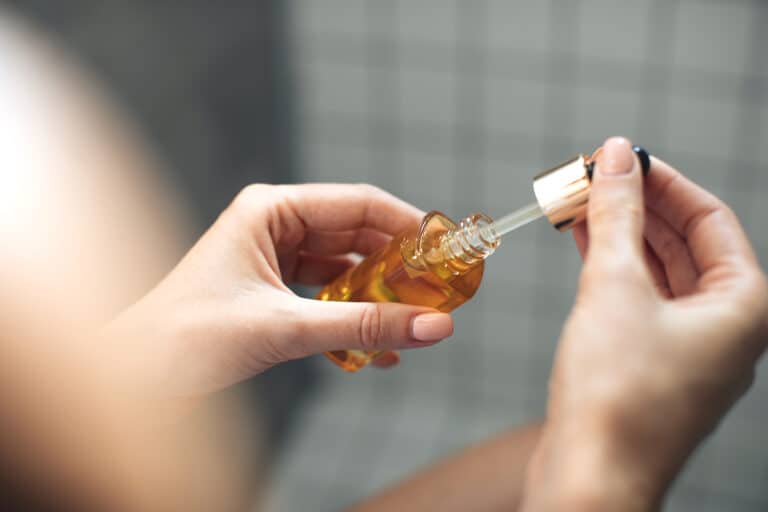
The Ordinary currently directs users to apply a few drops to the face in the morning and evening. It can be used after cleansing and before heavier creams or oils.
You do not have to apply it only to damp skin. Applying to slightly damp skin can feel pleasant, but pilling is more often influenced by how much product you use, how quickly you layer, and how the formulas in your routine interact.
Use a few drops, spread a thin layer over the face, and follow with moisturizer if your skin needs an emollient or occlusive layer.
If you notice persistent redness, stinging, itching, or irritation after use, stop using the product and simplify your routine until the skin settles.
Hyaluronic Acid 2% + B5 Hydrating Serum
Just like the Marine Hyaluronics serum, there are some things to double-check prior to using the product for the first time:
- Patch-test before first use according to the brand’s current directions
- Check to ensure the serum is properly sealed
- Ensure you have no broken skin
This serum is a treatment step after cleansing, not part of the cleansing step itself. The brand currently says to apply a few drops in the morning and evening.
Using hyaluronic acid on dry skin does not automatically dehydrate the skin. If the serum feels tight or pills, use less product, simplify the layers around it, and follow with an appropriate moisturizer.
A few drops are usually enough for the face. Spread it evenly, then follow with moisturizer if needed. There is no need to race before the serum “sets.”
If you notice persistent stinging, redness, itching, or irritation, discontinue use. This serum can be used in the AM and PM according to the brand’s current directions.
Summary
Here’s a table to break down all the comparisons we’ve made:
| Marine Hyaluronics | Hyaluronic Acid Serum | |
| Ingredients | Water-based formula with glycerin, algae extracts, Pseudoalteromonas-derived ingredients, amino acids, PCA and other humectants; no hyaluronic acid | Current formula: multiple forms of hyaluronic acid, panthenol, glycerin and ceramide-supporting lipids |
| Ingredient Callouts | Alcohol-free, oil-free, silicone-free, vegan, gluten-free and cruelty-free according to current brand information | Alcohol-free, oil-free, silicone-free, vegan, gluten-free and cruelty-free according to current brand information |
| Amount Of Product | 30mL | 30mL and 60mL in many markets |
| Benefits | Very lightweight hydration, softer feel, temporary plumping of dehydrated skin | Hydration, smoother appearance, temporary plumping and moisture-barrier support |
| Which Skin Types Benefit | All skin types; especially appealing if you prefer an ultra-light, watery texture | All skin types; especially useful if you want HA plus panthenol and ceramides |
| How To Use | Apply a few drops in the AM/PM after cleansing and before heavier creams or oils | Apply a few drops in the AM/PM after cleansing and before heavier creams or oils |
Now that you know the main difference, the choice is fairly simple: Marine Hyaluronics is the thinner, HA-free option, while Hyaluronic Acid 2% + B5 with Ceramides uses a more traditional HA-based hydration system with added barrier-support ingredients. Neither is automatically better or essential, so choose based on texture, ingredient preference, and what is missing from the rest of your routine.
Related Articles
Best Moisturizers Without Hyaluronic Acid
Best Aloe Vera Serums (And Why You Need One)