Touch Up Makeup Kit (The Essentials You Need)
A useful touch-up makeup kit solves the small problems you actually notice during the day, without turning your handbag into a second makeup drawer.
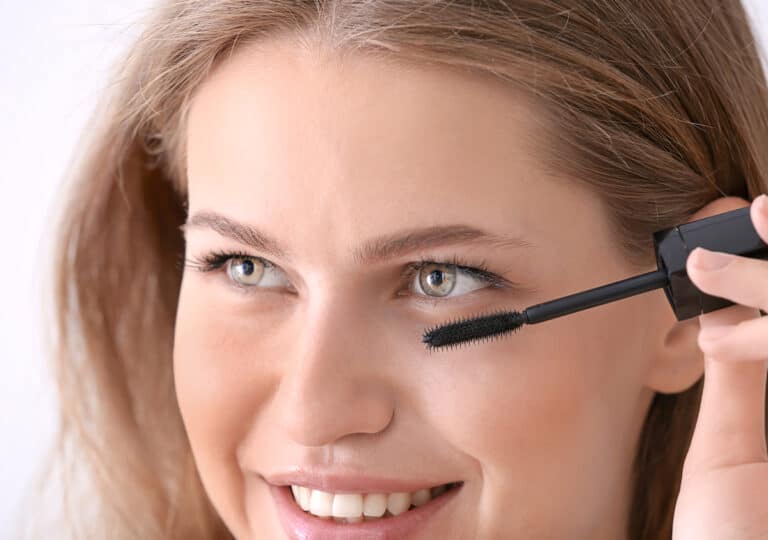
Mascara smudging, bleeding lipstick, or creases under the eyes can occur while we are out.
Having a touch-up kit handy can make small makeup fixes easier without carrying your entire routine.
A touch-up kit is also useful for makeup artists working on events, photography, TV, or film, where makeup may need frequent small corrections under lights or over long hours.
What essentials do you need in a touch-up makeup kit?
Start with a compact mirror, your lip color, tissues or blotting papers, and a few clean cotton swabs. Add powder if you get shiny, concealer if coverage fades, and one small brush or sponge. You do not need every item below; pack for your skin and the makeup you are wearing.
Touch-up makeup kits can be customized to your skin type and makeup style. You may also switch out your products depending on what event you’re attending or if you need a kit for daily use.
A well-chosen kit can help your makeup look more refreshed during long days without encouraging you to layer on unnecessary product.
A simple order helps: blot excess oil, smooth creases, replace only the coverage that has worn away, and add powder only where needed.
Why Have A Touch-Up Makeup Kit?
Not everyone needs a full kit. If only your lipstick fades, carrying that shade and a mirror may be enough.
This kit can be helpful for anyone who wears makeup on the go. It can help manage shine, fading, creasing, or smudging as the day goes on.

Choose a pouch that closes securely and is easy to wipe clean. Keep cotton swabs and applicators in their own clean compartment rather than loose beside leaking tubes.
When Can You Use A Touch-Up Makeup Kit?
A touch-up makeup kit can become an everyday item to reach for or be tailored for a special occasion.
Additionally, you can adapt or edit your kit to suit your makeup look of the day, or to make a quick transition from day to night.
Sometimes, makeup touch-up kits can be handy for weddings, photoshoots, events, and everyday use.
Daily Use
For daily use, start with a mirror, lip product, and blotting papers or tissues. Add a small powder compact and applicator only if shine bothers you. Dry skin may need less powder, not more.
Bridal Edition
For a wedding, pack the exact lip shade used in your look, tissues for tears, blotting papers, and any small correction products agreed with your makeup artist. Give the pouch to someone who can keep it nearby.
Test the kit at your makeup trial if you have one. Check how the lip color reapplies after eating and whether your powder looks right in photos.
For Special Events
For a special event, pack around the look you have chosen. A smoky eye may need cotton swabs for cleanup, while a bold lip may need matching liner and a precise lip brush.
A touch-up makeup kit can help clean up smudged liner or mascara and make small corrections during a special occasion.
For Photos/Film
For photoshoots, filming, and long days on set, touch-up kits are especially practical because camera makeup often needs more frequent maintenance than everyday makeup.
Keep a reference photo of the finished makeup so touch-ups stay consistent between takes. For professional work, use separate clean tools and hygienically dispensed products for each person.
Touch Up Makeup Kit Essentials
Use this list as a menu rather than a shopping checklist. Start with products you already know work over your usual makeup.
Blotting papers or plain tissues deserve a place beside your powder. Press gently over shiny areas and lift away instead of wiping, which can move the foundation underneath.
For combination skin, blot and powder only the oily areas. For dry skin, prioritize a clean blending tool and targeted concealer over repeated layers of powder.
Powder
Finely milled setting powders can be useful for reducing visible shine and setting selected areas without adding much extra coverage.
Blot first, then press a small amount of powder onto the areas that still look shiny. A pressed compact is usually less messy to carry than loose powder, although either can work.

A translucent powder can still leave a cast or change the finish. Check yours over your foundation in daylight and, for an event, in a flash photo before packing it.
Mirror
A compact with a regular mirror is usually enough. If your powder already has one, you can skip a separate mirror to save space.
A small, compact mirror makes quick touch-ups easier, especially for eyeliner, lips, or small areas of foundation.
Mini Brushes
Travel-size mini brushes can be handy to keep in your touch-up bag.
Choose the brush you will actually use: a small powder brush for shine, or a lip brush for detailed color corrections. A full travel brush set is optional.
Keep clean brushes covered and wash them regularly, allowing them to dry completely before packing. The FDA advises keeping cosmetic containers clean and not sharing makeup.
Mini Makeup Sponge
You can also keep a mini makeup sponge on hand if you prefer them over brushes.
If your sponge is designed for damp use, wet it with clean water and squeeze it out thoroughly before lightly pressing over a crease. It should not be dripping.
Use a light tapping motion. Dragging the sponge across your face can lift coverage and turn a small patch into a larger one.
Pack the sponge clean and dry, and avoid leaving it damp in a sealed pouch after use. Wash it when you get home and let it dry fully.
Facial Mist
A facial mist or setting spray can help refresh the finish. Facial mists mainly add light surface hydration, while setting sprays are formulated specifically to affect makeup wear or finish.
A setting spray may help makeup wear more evenly, but it will not replace missing coverage or remove excess oil. Use it after small corrections if the formula works with your makeup.
Follow the spray distance on the label, close your eyes, and let the mist settle. Drenching the face can make mascara or base makeup run.
Spoolies/Q-tips
Spoolies are useful for brushing brows or separating lashes once mascara is dry enough to avoid smearing.
Use a spoolie lightly on brows or lashes; do not tug through hardened mascara. For a midday refresh, cleaning up fallout is often easier than adding another coat.
Cotton swabs can help clean small makeup smudges around the eye or lip area, but they should not be inserted into the eye or used to remove something stuck on the eye surface.
Lip Products
You can always have a few lip products in your touch-up makeup kit. Lip glosses, liners, lipsticks, and balms can be helpful to keep on hand.
Before reapplying, blot away food residue and loose or uneven lip color with a tissue. Touch up the areas that have faded instead of building another thick layer everywhere.
If you use balm to soften dry lips, let it settle and blot excess before liner or lipstick. A very slippery layer can make color harder to place.
Sharpeners
A mini sharpener can keep pencil products looking their best. It can be quite challenging to apply lip liner, eyebrow pencils, or kohl with a dull point.
Choose a sharpener that fits your pencils and has a lid for shavings. Sharpening does not sterilize a pencil, so keep both the pencil and sharpener clean.
Makeup Removing Wipes
A remover is useful for a larger correction, such as taking off patchy lipstick before starting again. You may not need one for a tiny dry mascara fleck.
An individually wrapped wipe saves space and is less likely to dry out than an opened pack. Keep it as a backup rather than using it for every touch-up.
Makeup wipes can be convenient for targeted corrections, but avoid aggressive rubbing around the eyes and follow with proper cleansing when you are able.
Concealer
A concealer can add targeted coverage where foundation has faded or where you want to soften the appearance of a blemish or discoloration.
Choose a shade that matches the coverage you are repairing. A much lighter under-eye shade may stand out if used on a worn patch beside the nose.
Smooth or blot the area first, add a tiny amount of concealer, and blend the edges. Let it settle before deciding whether it needs powder.
Hand Sanitizer

Hand sanitizer can be useful when soap and water are unavailable and you need to touch your face or apply products with clean hands.
Use enough sanitizer to cover your hands and let them dry completely before handling makeup. Soap and water are still preferable when hands are visibly dirty or greasy.
Optional
You can incorporate additional products in your touch-up kit. For example, you may decide to switch up the products based on what eye or lip look you’re wearing.
A small blush can be useful if cheek color is the first thing to fade. Use the same formula as your original look and add a light layer only where needed.
Other helpful products include stain remover, mints, and lash glue.
Eye Products
A matching eyeliner can repair a small gap in a wing, but you rarely need an entire eyeshadow palette for a touch-up.
Whether it is a neon hue or a black smoky eye, carrying the products used in the original look can make small corrections easier.
Avoid repeatedly coating dry mascara if it makes your lashes clump. Keep eye corrections simple and never use a sharp object to separate lashes.
Stain Remover
Makeup can quickly stain fabrics. Therefore, it may be a good idea to have a stain remover on hand.
For example, a foundation can quickly transfer to neck collars, especially if you’re wearing a light-colored top. Or, you may smudge your lipstick by accident.
Check the garment’s care label and the remover’s directions first, especially for delicate or dry-clean-only fabrics. Keep stain remover separate from cosmetics; it is for clothing, not skin.
Mints or Gum
Mints or gum are optional extras if you like keeping personal-care items in the same bag as your makeup.
They are not makeup products, but they can be convenient during long events or travel.
Keep them wrapped or in a closed container so they do not pick up loose powder or product residue.
Lash Glue
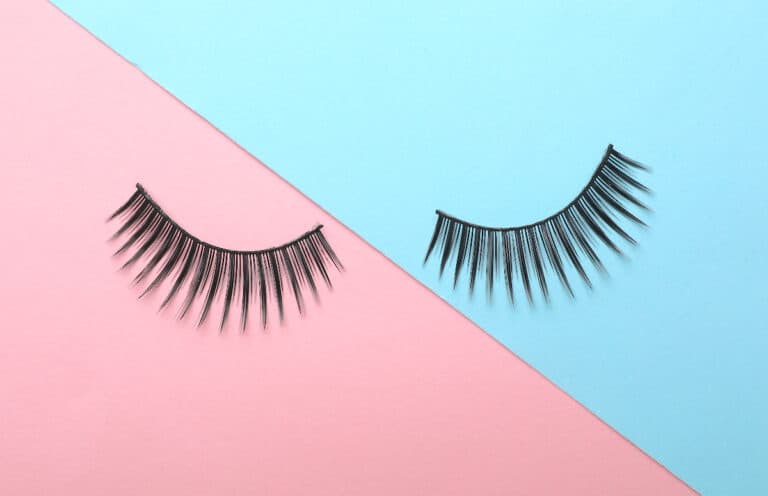
If you wear strip lashes, the inner or outer corner can sometimes lift after hours of wear.
Keeping a small tube of strip-lash adhesive in your kit can help with a lifted corner, but use only glue labeled for temporary false lashes and follow its directions.
Make lash adjustments while seated with a steady mirror, never in a moving vehicle. Keep clean tools away from the eye surface, and do not substitute professional extension adhesive for strip-lash glue.
Takeaway
Build your touch-up kit around the two or three things you most often fix. A mirror, lip color, blotting papers, and a clean applicator cover many everyday needs.
For outdoor days, plan sunscreen reapplication separately from makeup touch-ups. The American Academy of Dermatology recommends broad-spectrum, water-resistant SPF 30 or higher and reapplication about every two hours outdoors, or after swimming or sweating according to the label. A light dusting of makeup powder is not a substitute.
Likewise, you may love a full glam look and keep lash glue, liner, and eye products on hand.
After using the kit, remove used swabs, clean tools, check for leaks, and replace the products you used up. Keep it out of a hot car and direct sunlight.
The most useful kit is usually the smallest one that covers your most common touch-ups without adding unnecessary bulk.
Related Articles
Japanese Makeup Brushes (Complete Guide + What To Buy)
Benefits Of Airbrush Makeup (And The Drawbacks)
Makeup Tips For Senior Portraits