How Long Do Makeup Brushes Last?
Some people prefer using sponges, airbrushes, fingers, or makeup brushes, and each tool can create a different finish. Brushes are especially useful when you want controlled placement, blending, or detailed application.
Makeup brushes have a long history, but modern cosmetic brushes vary widely in materials, construction, shape, and durability.
Whether you own a few brushes or a large collection, it helps to know what actually determines when a makeup brush should be cleaned, repaired, or replaced.
A brush does not become unusable just because it is old. Its condition, cleanliness, construction, comfort, and performance are more useful replacement criteria than a fixed number of months or years.
So, how long do makeup brushes last?
Makeup brushes do not have a universal 1-to-3-year expiration date. A well-made brush can last for years when it is cleaned, dried, and stored properly. Replace it when the bristles, ferrule, handle, shape, or performance are clearly deteriorating, or when it can no longer be cleaned effectively.
Below, we’ll cover realistic brush lifespan, how to tell dirt from permanent wear, how often different brushes may need washing, and the care habits that can help them last longer.
The goal is simple: keep a brush while it can still be cleaned properly and performs well, and replace it when deterioration can no longer be corrected with normal care.
Makeup Brush Lifespan At A Glance
- No fixed expiration date: a well-made brush can last for years if the bristles, ferrule, handle, and performance remain in good condition.
- Clean it, do not replace it, when the main issue is ordinary makeup residue, staining, or temporary stiffness that washes out.
- Replace it for persistent mold or odor, sharp or cracked hardware, severe shedding, a loose ferrule that will not stay secure, or buildup that cannot be removed.
- Watch performance: permanently splayed or distorted bristles can make precise blending and placement harder even if the brush is technically clean.
- Care matters: gentle washing, complete drying, and storage that protects the bristles usually matter more than the brush’s age alone.
The Makeup Brush Lifespan
The lifespan of a makeup brush depends on several factors, including its construction, how often you use it, what products you use it with, and how you clean, dry, and store it.
Regular care matters most for brushes that frequently touch the face, eyes, creams, liquids, or oily products, because residue can build up faster in those situations.
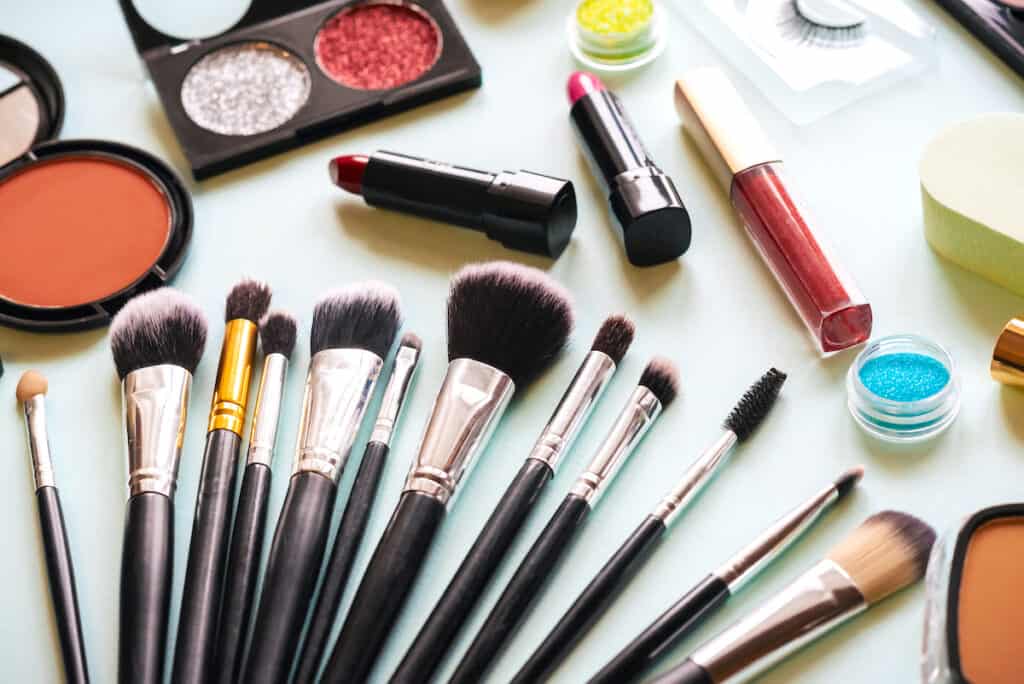
Care can extend the useful life of a brush, but it cannot fix loose ferrules, cracked handles, permanently distorted bristles, or other structural problems.
Budget Makeup Brushes
Price and branding do not reliably predict brush lifespan. A budget brush can last for years if it is well constructed and cared for, while an expensive brush can still fail early if the ferrule loosens, bristles shed, or the handle cracks.
What matters more is the actual construction: secure bristles, a tight ferrule, a solid handle, even shaping, and a texture that suits the product you plan to use.
A poorly constructed brush may fail quickly if the ferrule loosens, the handle cracks, the bristle bundle separates, or shedding becomes excessive.
On the other hand, an inexpensive brush that is well constructed and cared for can remain usable much longer.
Higher Quality Makeup Brushes
Good-quality makeup brushes do not necessarily need to be expensive.
Budget-friendly brands can offer brushes with solid construction and useful shapes, so compare the actual brush rather than assuming price determines performance.
Higher-priced brushes may use different fibers, handles, ferrules, or shaping techniques, but cost alone does not guarantee a longer lifespan or better hygiene.
When assessing quality, look for secure construction, well-shaped bristles, comfortable balance, and performance with the formulas you actually use.
Online brush sets can also be good value, but reviews and close-up product photos are more useful than brand reputation alone.
A reputable brand may offer better quality control or customer support, but individual brush performance can still vary.
Judge the brush by how it is built and how it holds up rather than by the logo alone.
Average Timeframe
There is no fixed replacement window for makeup brushes. Some heavily used brushes may wear out relatively quickly, while a well-made brush that is cleaned and stored properly can remain usable for many years.
Replace a brush based on condition, hygiene, comfort, and performance rather than its birthday.
Signs Of Poor Brush Quality
Whether you are buying an inexpensive brush or a premium one, inspect the ferrule, handle, bristle bundle, shape, shedding, and feel rather than judging quality by price alone.
Some quality issues are easier to inspect in person, but buying online is not inherently less safe. Clear photos, return policies, and reliable reviews can help when you cannot handle the brush before purchasing.
Here are some makeup brush red flags you shouldn’t ignore:
- Loose Ferrule Or Handle – The metal ferrule and handle should feel secure during normal use. Do not intentionally twist or pull a new brush with excessive force just to test it. If the ferrule wobbles or the handle separates during ordinary use, the brush is poorly constructed or damaged.
If you repair a loose handle, keep adhesive away from the bristles and ferrule opening.
- Excessive Shedding – A few loose fibers can appear on some new or older brushes, but repeated shedding or clumps of bristles coming out during normal washing and use are signs that the brush is deteriorating. Avoid deliberately yanking the bristles to test them.
- Unpleasant Or Inappropriate Texture – Bristles should feel suitable for their intended use. Stiffness alone does not always mean poor quality because some dense or specialty brushes are designed to be firmer, while residue from manufacturing or display handling can also affect feel.
- Irregular Shaping – Jagged, stray, or poorly finished fibers can indicate weak quality control. Keep in mind that some brush shapes are intentionally tapered, layered, angled, or uneven by design.
- Poor Performance – If a brush consistently applies product patchily, sheds into your makeup, or cannot blend the formulas it is intended for, it may not be the right brush for your routine. Performance also depends on the product formula and brush shape, not quality alone.
Clean It Or Replace It?
| Problem | Usually Clean Or Restore First | Usually Replace |
| Cosmetic staining | Yes, if the brush rinses clean and has no residue or odor | No, staining alone is not a hygiene failure |
| Temporary stiffness | Yes, wash out dried product and reshape | If the bristles remain hard, scratchy, or fused together |
| Loose ferrule | Minor handle separation may sometimes be repairable | If the ferrule wobbles badly, exposes sharp edges, or repeatedly separates |
| Shedding | A few loose fibers can happen | Repeated shedding, clumps, or a thinning brush head |
| Odor | Wash thoroughly and dry completely | Persistent sour or musty odor after proper cleaning |
| Mold | No | Discard the brush |
| Misshapen bristles | Wash, reshape, and dry correctly | If distortion is permanent and affects application |
Signs To Throw Your Makeup Brush Away
If you are sorting through an older brush collection, first decide whether each problem is temporary buildup that can be cleaned or permanent deterioration.
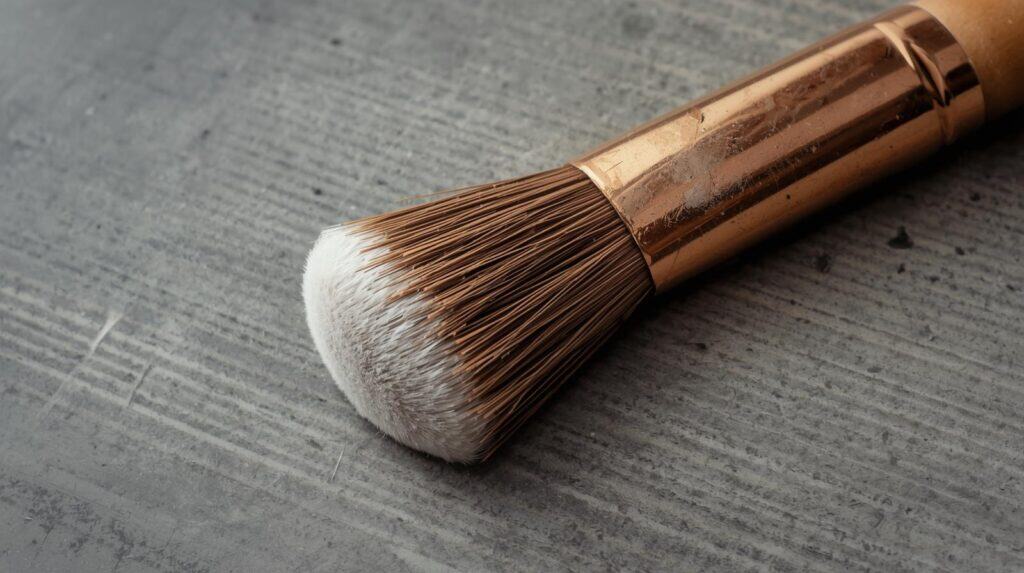
Many brush problems improve after a thorough wash and proper drying, but structural damage, persistent odor, mold, severe shedding, or residue that will not come out are stronger reasons to replace the tool.
- Permanent Change in Shape – Bristles can become misshapen from storage, washing, heat, or age. If gentle reshaping after washing and drying does not restore the original form and the brush no longer applies makeup evenly, replacement may be worthwhile.
- Physically Worn – Cracked handles, loose ferrules, exposed sharp edges, severe shedding, or permanently splayed bristles are practical signs that a brush may be ready for replacement.
- Persistent Strange Odor – A musty or sour smell can come from trapped moisture, old product, or microbial growth. Wash the brush thoroughly and let it dry completely. If the odor remains or the brush developed visible mold, discard it.
- Repeated Irritation – If one brush consistently causes redness, scratching, or discomfort even after a thorough cleaning, stop using it on your face.
Breakouts can have many causes, so a brush is not automatically responsible for acne, but dirty or rough tools can contribute to irritation.
- Can’t Be Cleaned Properly – Cosmetic staining can remain on light bristles even after a brush is hygienically clean, so discoloration alone is not a reason to throw it away. Replace the brush if sticky residue, odor, mold, or product buildup remains despite proper washing.
How To Improve The Longevity Of Your Brushes
Once you have removed brushes that are genuinely damaged, a consistent cleaning, drying, handling, and storage routine can help the remaining tools stay useful for longer.
The biggest longevity gains usually come from washing gently, keeping water out of the ferrule as much as possible, drying completely, and protecting the bristles from crushing.
Washing and storing brushes properly can reduce product buildup, help the bristles perform consistently, and lower the chance of avoidable irritation from dirty tools.
Good care can also help you get more use from brushes before they genuinely need replacing.
How Often Should You Clean Makeup Brushes?
There is no single cleaning interval that fits every brush, but frequency should increase with wetter products, eye-area use, heavy daily use, or shared application.
- Foundation and concealer brushes: clean regularly because creams and liquids build up quickly; weekly is a practical starting point for frequent personal use.
- Eye brushes: clean more often when switching between strong colors, using them on irritated eyes, or applying cream products.
- Powder, blush, and bronzer brushes: they may tolerate a little longer between deep washes if used only with dry powders, but visible buildup is a sign to clean them.
- Shared or professional brushes: personal-use schedules are not appropriate. Tools used on multiple people require stricter cleaning and sanitation practices between clients.
Washing Your Brushes
A weekly wash is a practical baseline for many frequently used personal face brushes, but cleaning frequency should increase when a brush is used with creams or liquids, around the eyes, on irritated skin, or by more than one person.
The best schedule is one that keeps visible product and oil from building up while still giving the brushes enough time to dry completely before the next use.
Brushes used with cream or liquid products, around the eyes, on irritated or breakout-prone areas, or for multiple people may need more frequent washing than brushes used only with dry powders. Bright pigments may also require extra cleaning to prevent color transfer.
Use a gentle brush cleanser, mild soap, or gentle shampoo that rinses clean without leaving a heavy residue. Very harsh degreasing cleansers can dry out natural hair and may shorten the useful life of delicate bristles.
Dampen the bristles with lukewarm water, add a small amount of cleanser, and gently work the bristles against your palm or a cleaning mat. Rinse until loosened product and cleanser are gone. Keep the brush angled so excess water does not run deeply into the ferrule, where repeated soaking can weaken adhesive or swell some handle materials.
How To Dry Makeup Brushes Properly
- Gently squeeze or blot excess water from the bristles without twisting the brush head.
- Reshape the bristles with your fingers while they are damp.
- Lay the brush flat or position it so the bristles angle slightly downward and air can circulate around them.
- Let the brush dry completely before storing it in a closed bag, cup with a lid, or brush roll.
- Avoid high heat from hair dryers, radiators, or direct heat sources, which can distort fibers or weaken glue.
When it comes to drying your brushes, we love this tutorial by Beauty Bit on YouTube:
Makeup Brush Hygiene Tips
- Do not share personal brushes casually, especially eye and lip brushes, unless they are cleaned and handled with appropriate hygiene practices.
- Do not store damp brushes in a sealed bag. Trapped moisture can contribute to odor and microbial growth.
- Spot cleaning is useful between deeper washes, but it does not always remove product from deep inside dense brush heads.
- Staining is not the same as dirt. A white brush can remain tinted by pigment after it is thoroughly cleaned.
- If a brush was used around an active eye infection or on broken skin, be more conservative about reuse and follow appropriate hygiene guidance rather than relying on an ordinary cosmetic wash alone.
Other Tips
Beyond washing, everyday handling and storage also influence how quickly brushes become misshapen, loose, or difficult to clean.
These habits are worth keeping in mind:
Using The Right Brush For Your Product
Using a brush for a different product does not automatically damage it, but some brush shapes and fibers perform better with certain formulas.
For example, a very fluffy powder brush may apply liquid foundation inefficiently and can become harder to clean, but that does not mean liquid foundation will necessarily ruin it.
Brush labels are useful guides rather than strict rules. If a brush gives you the finish you want and can be cleaned properly afterward, it can often be used in more than one way.
Experiment carefully, especially when switching between powders and oily or creamy products that may require deeper cleaning.
Being Gentle
Gentle handling helps preserve both the brush shape and the security of the bristle bundle.
Use only as much pressure as the technique requires. Repeatedly crushing, bending, or aggressively scrubbing the bristles can distort the shape and increase shedding over time.
Synthetic Vs Natural Hair Brushes
Makeup brushes are available with both natural hair and synthetic fibers, and each has different feel and care requirements.
Modern synthetic brushes can be durable, consistent, and easy to clean after liquid or cream formulas, but neither synthetic nor natural hair has a universal lifespan advantage.
Both natural and synthetic brushes can collect product, skin oils, and microbes if they are not cleaned and dried properly. Natural hair may need gentler cleansing and more careful handling, while synthetic fibers are often easier to clean after creams and liquids. Care needs still vary by the individual brush.
Storing Correctly
You do not need a special storage system, but brushes should be kept clean, fully dry, protected from crushing, and away from persistent dampness.
Store brushes clean and completely dry, ideally where the bristles are protected from dust, moisture, and crushing.
A makeup brush roll, covered cup, or clean dedicated bag or container can work well, provided the brushes are dry before they are enclosed.
After washing, avoid leaving wet brushes standing upright with the bristles pointing up.
Water can run into the ferrule and contribute to adhesive breakdown or swelling over time. Gently reshape the bristles, blot out excess water without twisting them, and dry the brush flat or with the bristles angled slightly downward.
Makeup Brush Lifespan FAQs
Do Makeup Brushes Expire?
Makeup brushes do not have a universal expiration date. Replace them when they can no longer be cleaned effectively, the structure is failing, the bristles are permanently damaged, or the brush no longer performs comfortably and predictably.
Can Makeup Brushes Last 10 Years?
Some well-made brushes can remain usable for many years, especially when they are not heavily abused and the ferrule, handle, bristles, and shape remain sound. Age alone is not proof that a brush is unsafe or ineffective.
How Do You Know If A Makeup Brush Is Dirty Or Ruined?
If washing restores softness, shape, smell, and performance, the problem was probably buildup. If the brush remains sour-smelling, moldy, sharply damaged, badly splayed, loose, or full of residue after proper cleaning, replacement is more appropriate.
Does Washing Makeup Brushes Too Often Ruin Them?
Frequent gentle washing is less of a problem than harsh washing, repeated soaking of the ferrule, twisting the bristles, or storing the brush damp. Clean as often as your use pattern requires, but use a mild technique and let the brush dry fully.
Should You Replace A Brush After A Breakout?
Not automatically. Breakouts have many possible causes. Clean the brush thoroughly and assess whether it is rough, difficult to clean, or repeatedly associated with irritation. Replace it if it cannot be cleaned properly or if it continues to cause discomfort.
Final Thoughts
To get the most out of a makeup brush, choose solid construction, clean it according to how you use it, dry it completely, and protect the bristles during storage.
Harsh cleaning, repeated soaking, rough handling, and damp storage can shorten the life of a brush regardless of how much it cost.
Rather than replacing brushes on a calendar, watch for changes in shape, shedding, odor, construction, comfort, and performance, and replace them when those problems can no longer be corrected with normal cleaning and care.
Related Articles
How Long Does Makeup Last On Your Face?
How Long Do Eyeshadow Palettes Last?
How Long Does Mascara Last Unopened?