
Keratin Lash Lift Vs. Regular Lash Lift
Trying a new lash treatment can be a fun way to simplify your routine, especially when the results last for several weeks.
Eyelash extensions add extra fibres to the natural lashes for more visible length and volume.
Lash lifts are another popular option, especially for people who want to enhance the lashes they already have instead of adding extensions.
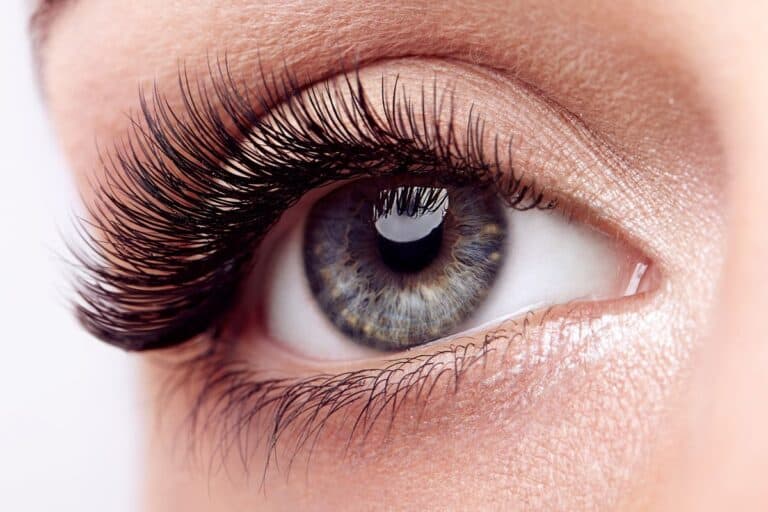
A lash lift treatment temporarily reshapes and lifts the natural lashes, making more of their existing length visible and creating a curled appearance.
Mascara can usually be worn after the recommended aftercare period, but some people find they use less because the lashes already look more lifted and defined.
If you want a lower-maintenance alternative to extensions, you may come across both keratin lash lifts and regular lash lifts when comparing salon services.
However, what is the difference between a keratin lash lift and a regular lash lift?
The two services are more similar than the names suggest. Both use chemical lifting and setting solutions to temporarily reshape the natural lashes. A treatment marketed as a “keratin lash lift” may also include keratin or other conditioning ingredients, but keratin itself is not what creates the curl.
Below, we explain what “keratin lash lift” usually means, how it compares with a regular lash lift, what the procedure involves, and which safety points are worth knowing.
What Is A Keratin Lash Lift?
A keratin lash lift is a salon lash-lifting service that uses chemical processing solutions to reshape the natural lashes and may include keratin or other conditioning ingredients as part of the system.
The term “keratin lash lift” is not completely standardized. Different brands use different lifting agents and conditioning steps, so it is more useful to ask which exact product system the salon uses.
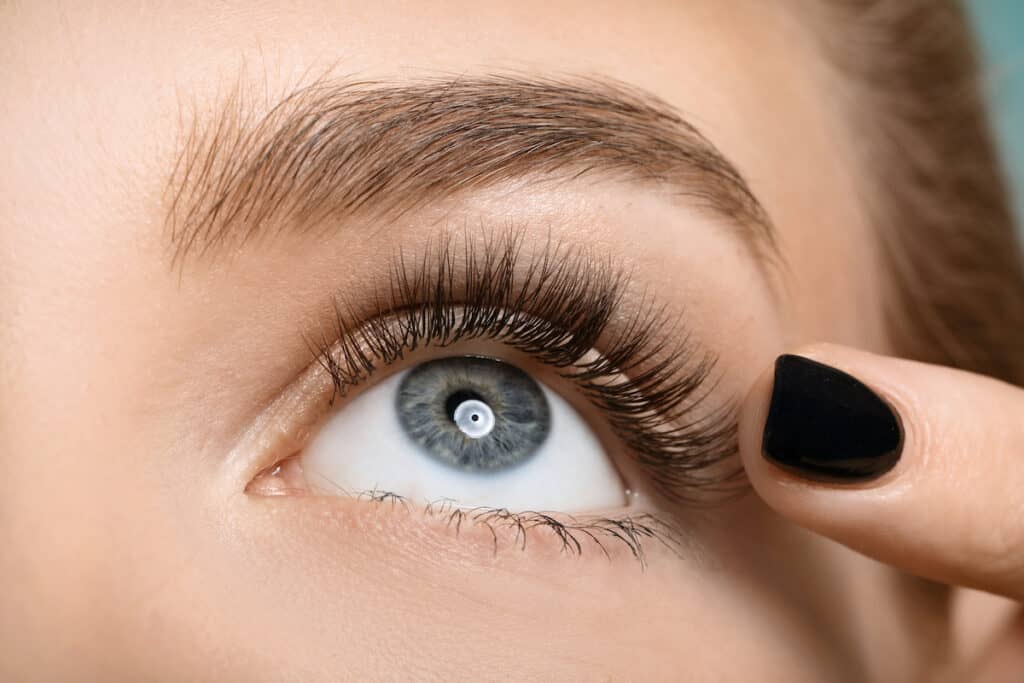
Keratin is a structural protein found naturally in hair and lashes, but adding keratin to a cosmetic formula does not mean the treatment is rebuilding the lash from the inside or making the chemical lifting step unnecessary.
Keratin is so beneficial for eyelashes that there are even keratin mascaras on the market.
Keratin Lash Lift Pros
One potential advantage of a keratin-labelled lash lift is that the system may include conditioning ingredients intended to help the lashes feel smoother after processing.
Keratin is naturally present in hair, but cosmetic keratin ingredients mainly act as conditioning or film-forming ingredients rather than permanently strengthening the lash shaft.
A keratin-containing step may help the lashes feel smoother or more conditioned, but it should not be described as delivering an “extra dose” of protein that permanently restores or lengthens them.
Like other lash lifts, the result can be customised by choosing a shield size and placement that suits the natural lash length, growth direction, eye shape, and desired curl.
A smaller or more curved shield can create a stronger-looking lift, while a larger shield may produce a softer result, although technique and lash length matter too.
Keratin lash lifts are often paired with a lash tint for darker-looking lashes and more definition.
Tinting changes the colour of the existing lashes but does not add extra hairs or actual density.
The treatment can make your natural lashes look longer and more noticeable because they are lifted upward, but it does not physically add length or fullness.
You can still use mascara after the specific aftercare period recommended for your product system.
Some systems advise waiting 24 to 48 hours before mascara or water exposure, while newer systems may have different guidance. Follow your technician and the manufacturer instructions for the products used.
An eyelash curler is usually unnecessary after a lift and can put extra mechanical stress on freshly processed lashes, so it is best avoided unless your technician specifically says otherwise.
A lash-lift appointment is usually shorter than a full set of extensions, but exact timing varies by salon, product system, lash condition, and whether tinting is included.
Adding a lash tint will usually extend the appointment slightly.
Your eyes should remain closed during the treatment. The procedure should not be painful, and any burning, stinging, or significant discomfort should be reported immediately.
Results usually last several weeks and gradually fade as treated lashes grow out and shed. Many people see visible results for around 6 to 8 weeks, but this varies.
Keratin Lash Lift Cons
A lash lift is often well tolerated, but irritation, allergy, over-processing, dryness, or breakage can occur.
People with sensitive eyes or a history of reactions to lash tints, adhesives, or hair-colour products should tell the technician before treatment and follow any patch-testing guidance from the product manufacturer.
Burning, strong stinging, significant swelling, or eye pain is not something to simply wait out. The product should be removed promptly and the eye area assessed if symptoms persist.
Your eyes must remain closed during processing to reduce the chance of solution entering the eye, where it can cause significant irritation or injury.
If you are used to the dramatic fullness of eyelash extensions, a lash lift will look much more natural because it only works with the lashes you already have.
A lash lift can make the lashes look more visible and curled, but it cannot create the same added volume as extensions.
The result generally lasts several weeks, fading as the natural lash cycle progresses.
You do not necessarily need to avoid all oils for the entire life of a lash lift. Some salons recommend limiting oily products during the initial aftercare period, especially if a tint is included, but oil does not simply “break down the keratin solution” once the lash has been chemically reshaped.
We recommend micellar water instead.
Avoid rubbing, pulling, or repeatedly curling the lashes because unnecessary mechanical stress can contribute to bending or breakage.
Keratin Lash Lift Procedure
The procedure for a keratin lash lift is similar to other lash-lift systems and should be performed carefully around the closed eye.
The session usually begins with a consultation about your desired result, natural lash condition, sensitivities, and whether you want to add a tint.
You can discuss how strong a lift you want, how you normally wear your makeup, and whether a tint makes sense for your natural lash colour.
A silicone shield or rod is placed on the eyelid, and the natural lashes are positioned against it so they can be processed in the desired shape.
The technician applies a lifting solution to the appropriate part of the lashes, followed by a setting or neutralising solution. A keratin or conditioning step may be included depending on the system.
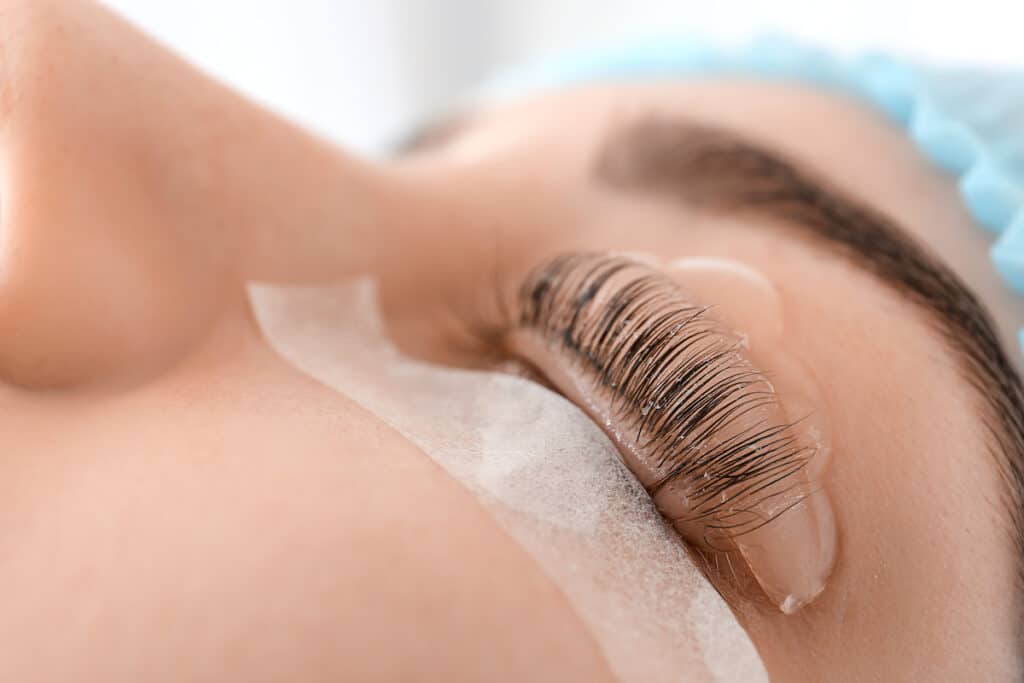
Shield size helps influence the finished curl, but the result also depends on lash length, growth direction, placement, and processing technique.
Processing time is not universally 10 minutes. It varies by product system and lash condition and should follow the manufacturer's instructions.
The eye area is cleansed and the lower lashes are isolated so they are not accidentally processed.
The lower lashes are usually secured with pads or tape while the technician works on the upper lashes.
If a tint is included, it is generally applied after the lifting and setting steps according to the tint manufacturer's directions.
The tint is applied carefully to the lash hairs while avoiding unnecessary contact with the eye and surrounding skin.
Tint processing time also varies by formula, so it should not be treated as a fixed 10-minute step.
Aftercare instructions vary by product system. Some recommend keeping the lashes dry and avoiding makeup for 24 to 48 hours, while others allow earlier water exposure. Follow the exact instructions given for your treatment.
Once the service is complete, the lashes should look more lifted and curled, with the final intensity depending on your natural lashes.
What Is A Regular Lash Lift?
A regular lash lift uses the same basic principle: chemical lifting and setting solutions temporarily reshape the natural lashes.
Different systems may use ingredients such as thioglycolates or cysteamine-based reducing agents, but the exact chemistry varies by brand. “Regular” does not automatically mean harsher than “keratin.”
A regular lash lift can produce very similar results and longevity because both treatments rely on chemical reshaping rather than on keratin itself.
What a salon offers often depends on the brands and systems its technicians are trained to use, so the service name alone does not tell you which formula is gentler or better.
Overall Similarities and Differences
Both treatments are generally quicker and lower-maintenance than eyelash extensions because no extra fibres are attached to the lashes.
Appointment length and price vary widely by location, salon, product system, and whether tinting or other add-ons are included.
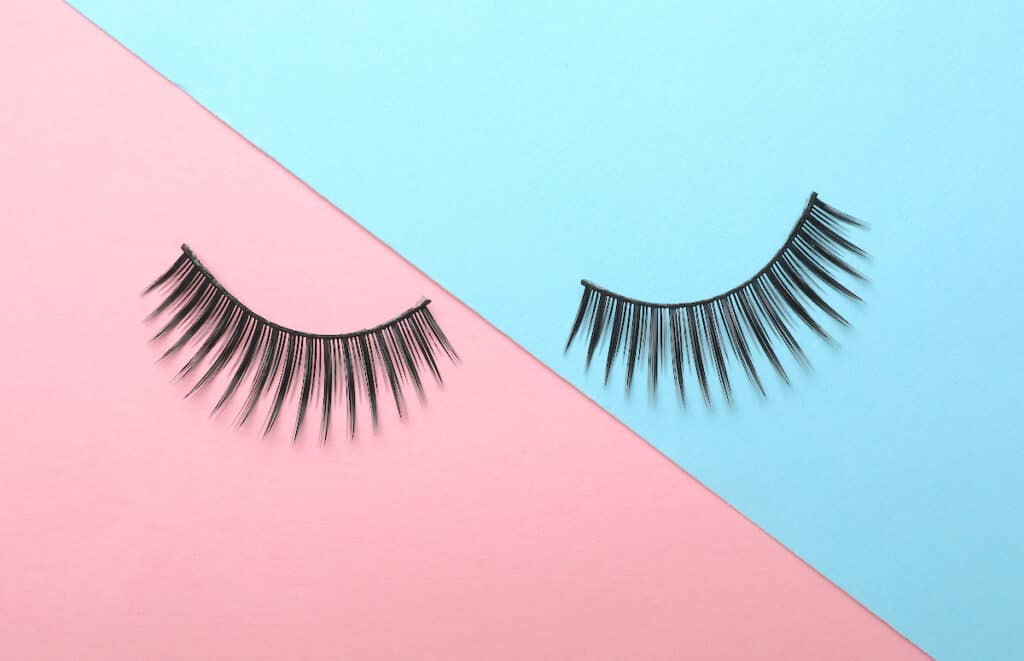
Both can create a lifted, curled appearance using the natural lashes you already have.
The treatment should not be painful. Sensitive eyes can become irritated, and strong stinging, burning, swelling, or vision symptoms should be taken seriously.
The biggest practical difference is usually the specific product system and conditioning steps, not the simple presence or absence of the word “keratin.”
A product marketed as a keratin lash lift may include keratin or conditioning ingredients, but the lift itself still comes from the chemical reshaping process.
A regular lash lift also uses chemical lifting and setting solutions, and those formulas vary significantly between brands.
Either type can cause dryness, over-processing, breakage, or irritation if the products are too strong, left on too long, or repeated too frequently.
To reduce over-processing, repeat treatments are commonly spaced around 6 to 8 weeks apart, although the technician should assess the condition of your lashes before processing them again.
A simple conditioning lash serum may improve feel and flexibility, but avoid products that make unsupported lash-growth claims unless they contain an evidence-based active ingredient.
Which Lash Lift Is Right For You?
A lash lift can be a good option if you want to enhance the appearance of your natural lashes without adding extensions.
If you are taking a break from extensions, a lash lift may give you a more natural-looking result, but your lashes should be healthy enough for another chemical service first.
A keratin-labelled system is not automatically the best option for previously stressed lashes, and it cannot “restore” protein lost from extension wear in a permanent way.
If your lashes are visibly broken, sparse, or irritated, it may be better to let them recover before booking another chemical treatment.
Do not assume keratin systems are universally preferred by salons or professionals. Availability depends on training, brand partnerships, and regional trends.
Whichever service you choose, research the salon and technician, ask which product system they use, and make sure they follow the manufacturer's safety and processing instructions.
Conclusion
If you want more lift and definition without the added fibres of extensions, a professionally performed lash lift may suit your routine.
The treatment can make your natural lashes appear more lifted, visible, and curled, while still keeping the overall result relatively subtle.
A regular lash lift and a keratin lash lift are both chemical reshaping treatments. The keratin version may add a conditioning step, but keratin is not what actually produces the curl.
The better choice is the product system your technician is trained to use safely and appropriately for your natural lashes, not simply the treatment with the more appealing name.
Related Articles
I Got My Lashes Wet After A Lash Lift – Are They Ruined?
Can You Wear Mascara With A Lash Lift?
Lash Lift Too Lifted – What You Can Do