
Can You Use Micellar Water To Clean Eyelash Extensions?
Cleaning your eyelash extensions is an important part of keeping them looking neat between fills.
Regularly cleaning your lash extensions can help remove makeup, oil, dust, and other buildup around the lash line while supporting better retention and everyday hygiene.
It can feel intimidating to clean lash extensions because you may worry that water or cleansing products could affect the adhesive.
However, a gentle cleanse with a lash-safe product, followed by careful drying and brushing, can help keep the lash line clean without unnecessary rubbing or tugging.
While a specialised lash cleanser is usually the simplest choice, some micellar waters may also work if their formula is compatible with eyelash extensions.
Can you use micellar water to clean eyelash extensions?
Yes, some micellar waters can be used to clean eyelash extensions. Choose a gentle, oil-free formula, avoid rubbing the lash line, and follow your lash technician’s aftercare instructions if they recommend a specific cleanser.
Micellar water formulas vary. Products that leave an oily or heavy residue may interfere with retention or make the lash line harder to keep clean, so checking the ingredient list matters.
An oil-free, water-based micellar water is generally a more extension-friendly option, although no cleanser can guarantee that retention will be unaffected.
So, is micellar water an effective cleansing option for lash extensions, and how can you incorporate it into your routine?
When the formula is suitable for extensions, micellar water can be a convenient way to remove light makeup and surface buildup around the eyes.
What Is Micellar Water?
Micellar water (we love this line from Bioderma) is a multipurpose skincare product that cleanses the skin, removes makeup, and gently removes dirt and debris.
Many formulas are designed to be gentle enough for facial cleansing, but the eye area is still delicate, so avoid getting the product directly into your eyes and stop using it if irritation occurs.
According to Healthline, “It’s made using purified water, moisturizers like glycerin, and mild surfactants, which are compounds used for cleansing.”
In other words, micellar water is a cleansing product, not plain water. Its surfactants help lift oil, makeup, and debris from the skin.
Can You Use Micellar Water To Cleanse Lash Extensions?
While eyelash extension cleansers are made specifically for cleaning the lash line, certain micellar waters can also be a practical alternative.
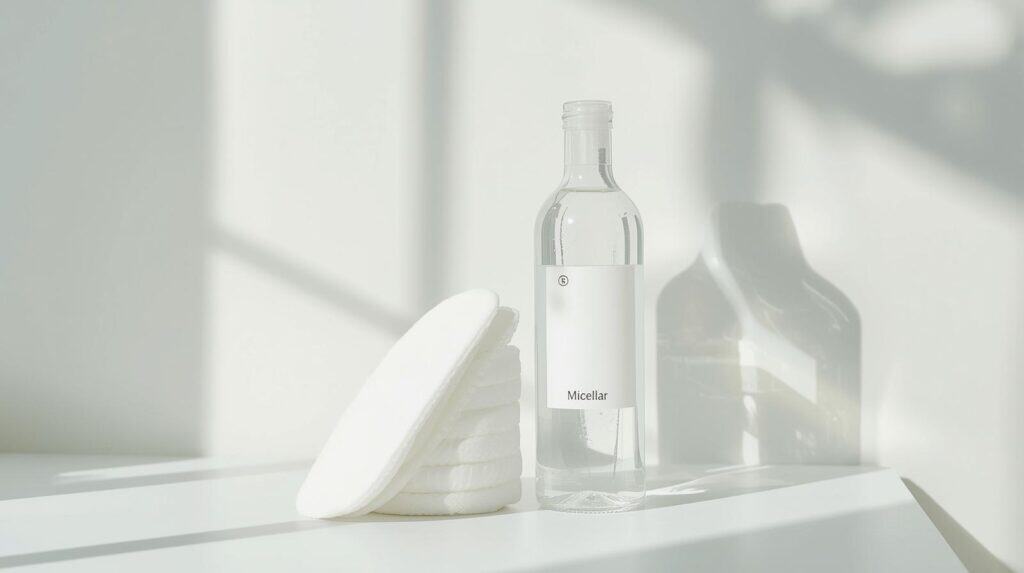
However, not all micellar waters are equally suitable. Look for an oil-free, water-based formula that does not leave a greasy film around the lash line.
A compatible water-based formula is less likely to leave oily residue around the adhesive bonds, but retention also depends on the adhesive used, your aftercare, natural lash shedding, and your technician’s recommendations.
Many micellar waters are marketed as no-rinse cleansers, but that does not mean every formula is irritation-free. Keep the product out of the eyes and rinse the eye area if the formula stings or leaves noticeable residue.
What Ingredients Should You Avoid In Micellar Water?
Before using micellar water on extensions, check the ingredient list and finish. The main concern is choosing a formula that will not leave a heavy or oily residue around the adhesive bonds.
As a general aftercare rule, oil-rich cleansers are often avoided around eyelash extensions, especially if your lash technician has advised you to keep oils away from the adhesive.
Some oily formulas can reduce retention or leave residue around the lash line, depending on the adhesive and the products used.
Some micellar waters contain an oil phase for removing stubborn eye makeup. For extensions, an oil-free, water-based formula is the more cautious choice unless your lash technician says otherwise.
Benefits Of Using Micellar Water On Lash Extensions
Micellar water can be a convenient alternative when you do not have a dedicated eyelash extension cleanser, provided the formula is compatible with your aftercare routine.
It’s a standard, practical skincare product you can use for multiple purposes beyond cleaning your lash extensions.
Its main advantages are convenience, accessibility, and easy makeup removal. Whether you should rinse afterward depends on the formula and the aftercare instructions you were given.
Micellar water can help lift light makeup, surface oil, dust, and debris from the skin around the eye area.
Gentle
Many micellar waters use relatively mild cleansing agents, although sensitivity varies from person to person.
As mentioned earlier, micellar water often contains ingredients such as glycerin and mild surfactants that help cleanse without the lather of a traditional face wash.
Formulas vary, so check the label if your eye area is sensitive to alcohol, fragrance, or other potentially irritating ingredients.
A suitable formula can provide a gentle cleanse around the eyes without vigorous rubbing, which is especially important when wearing extensions.
Also, please remember to avoid micellar waters with oils.
Cost Effective
Another benefit of micellar water is its cost-effectiveness.
Micellar water is widely available in different bottle sizes, and a small amount is usually enough for targeted cleansing around the eyes.
In addition, we’ve mentioned earlier that you can use micellar water for other things, like removing makeup or cleansing the skin.
Micellar water may be more affordable and accessible than specialized lash cleansers.
That makes it a practical multipurpose product, as long as the particular formula works with your lash extension aftercare.
No-Rinse
Finally, many people gravitate towards micellar water because it is quick and convenient to use.
Many formulas are sold as no-rinse products. However, water itself is not something you need to avoid indefinitely with properly cured extensions, and regular gentle cleansing is more important than trying to keep lashes completely dry.
After cleansing, allow the lashes to dry thoroughly and then gently brush them back into place with a clean spoolie.
If the formula leaves stickiness, film, or residue, it may not be the best choice for your extensions.
If you use too much, you can feel the product, but you can lightly dab away excess micellar water.
Is Micellar Water Effective For Cleaning Lash Extensions?
A water-based, oil-free micellar water can work for some lash extension routines, but a dedicated lash cleanser may still be preferable if your technician recommends one.
A gentle formula can help clean the lash line without heavy rubbing, but stop if you notice stinging, redness, swelling, or persistent irritation.
It can also help remove light makeup, oil, and daily buildup that can collect around the extensions.
For best results, follow the specific product directions and your lash technician’s aftercare advice rather than assuming every micellar water should be left on the lashes.
How To Use Micellar Water To Cleanse Eyelash Extensions
So, how can you incorporate micellar water into your lash-cleansing routine without rubbing or snagging the extensions?
The process is straightforward: remove surrounding makeup carefully, cleanse the lash line with a soft brush, remove any residue if needed, and let the extensions dry completely.
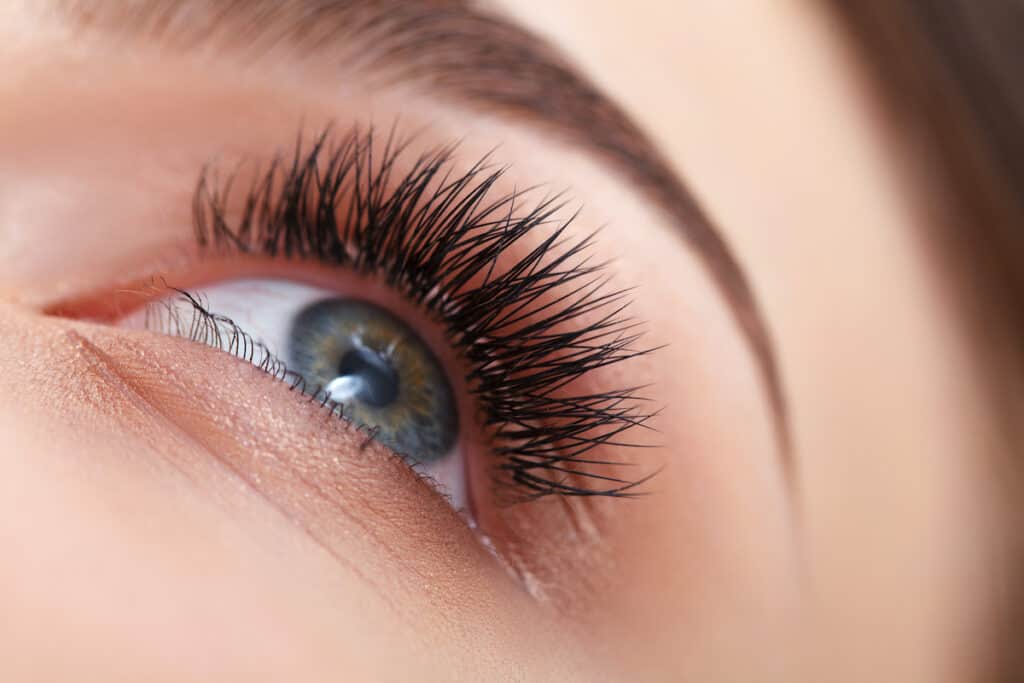
A soft, clean lash-cleansing brush can help distribute the product along the lash line without the lint or snagging that can come from wiping directly over extensions.
With a few gentle steps, you can remove buildup while keeping friction around the extension bonds to a minimum.
After cleansing, let the lashes dry fully before brushing them so the extensions separate neatly and keep their shape.
Use A Water-Based Micellar Water
The most significant step is using the correct micellar water.
Check the ingredient list and product directions before use. Choose a formula that is gentle around the eyes and unlikely to leave oily residue on your lash extensions.
Avoid micellar waters with oil-based ingredients.
Oil-rich products may affect retention or leave residue around the extension bonds, so they are usually not the first choice for lash aftercare.
So, stick to water-based micellar water.
Remove Makeup With A Cotton Pad
Before you cleanse your lashes, gently remove makeup, sunscreen, and surface dirt from the surrounding skin without rubbing across the extensions.
A cotton pad can be useful for the rest of the face, but avoid dragging cotton directly across the extensions because fibres can catch on the lashes or adhesive bonds.
Use the pad around the cheeks, forehead, and outer eye area, then switch to a soft lash brush for the extensions themselves. You can also use reusable cotton rounds on areas away from the lash line.
Use A Synthetic, Fluffy Brush For Eyelashes
Now you’ll need to find the right brush to help distribute micellar water and clean in between the lashes.
A soft, synthetic lash-cleansing brush is a practical option because it can reach the lash line without rough wiping.
You’ll need a tool that won’t shed hair or feel uncomfortable during application.
A soft brush can distribute micellar water evenly and help clean between the lashes and along the lash line.
It should feel gentle, and you should avoid applying pressure.
Dispense Micellar Water
Apply a small amount of micellar water to your clean lash brush rather than soaking the lashes.
Working in small sections makes it easier to control where to apply the micellar water and how much to use.
You can also find alternative methods for dispensing micellar water.
Avoid using more product than you need, especially if the formula tends to leave residue.
If the product leaves visible residue, follow its label directions and remove the excess gently. Avoid rubbing the extensions back and forth.
Gently Swirl To Cleanse
Once your brush and product are prepared, it’s time to get ready to clean.
Use the brush with small, gentle cleansing motions along the lash line, working carefully around the base of the extensions.
Avoid applying too much pressure, as it can loosen a few of your extensions.
The cleanser can help lift makeup, oil, dirt, and dust from around the lashes. Do not scrub if stubborn makeup remains.
Dab Excess Product/Residue
Continue gently until the visible buildup has lifted, keeping the pressure light around the lash line.
If you notice excess product or residue, remove it gently according to the cleanser’s directions. Avoid pressing, rubbing, or catching the extensions with a rough towel or cotton fibres.
This should clear out leftover micellar water.
Once all the product is gone, you can prepare the drying process for your eyelashes.
Drying your lashes carefully helps them separate neatly and keeps the lash line comfortable after cleansing.
Brush Your Lash Extensions
After cleansing, first allow the extensions to air dry or become mostly dry before combing them into place.
Then, gently comb the lashes into place using a clean mascara spoolie, avoiding force at the base of the extensions.
This helps separate the extensions and restore their shape after cleansing.
Brushing is mainly for separating and arranging the lashes. It should not replace cleansing at the lash line.
Dry Your Extensions
You can dry your lash extensions in a few ways.
First, you can let them air dry if you don’t want to irritate the extensions with a small gust of air.
If you want to speed things up, you can use a small fan on a gentle setting from a comfortable distance. Strong airflow is unnecessary.
Avoid hot air and direct heat around the extensions and delicate eye area.
Consult Your Lash Tech
If you are unsure which cleanser is compatible with your set, ask your lash technician, especially during the first few days after an appointment.
Eyelash extensions benefit from consistent, gentle aftercare, particularly around the lash line.
Ask your lash tech how often to cleanse, which products they recommend, and whether your particular adhesive has any special aftercare instructions.
They may also recommend a specific micellar water or dedicated lash cleanser that works well with the adhesive system they use.
If you want more info on the best practices for eyelash extensions, take a look at this video from Alysa Fullona on YouTube.
Wrap-Up
Micellar water can be a useful alternative to a lash cleanser when you choose a gentle, oil-free formula that is compatible with your extensions.
Many formulas contain mild surfactants and glycerin, but the ingredient list and finish still matter when you are using the product near extension adhesive.
The key is to clean eyelash extensions gently and consistently rather than avoiding cleansing out of fear that water alone will make them fall out.
Regular cleansing can help remove buildup around the lash line, while careful drying and brushing keep the extensions looking tidy between appointments.
If micellar water fits your routine, choose an oil-free, water-based formula and use it with a soft lash brush and minimal friction. If your technician recommends a dedicated cleanser instead, follow their aftercare advice.
Related Articles
What Are Wet Look Lash Extensions?
Best Eye Creams For Eyelash Extensions