
7 Best Oils for Human Hair Wigs
Human hair wigs can be worn for style, convenience, or as part of a protective styling routine, but the wig itself still needs regular care to stay soft, manageable, and polished.
Among the many wig options available, synthetic and human hair wigs are two of the most common categories, and they should not be maintained in exactly the same way.
Human hair wigs can look and move much like natural hair, but the strands no longer receive sebum from a scalp. That makes thoughtful cleansing, conditioning, detangling, storage, and styling especially important.
Because human hair wigs can be a significant investment, gentle maintenance can help preserve their appearance and reduce avoidable tangling, roughness, matting, and breakage.
A small amount of hair oil or serum can add slip, reduce friction, tame flyaways, and improve shine. Oil does not add water to the hair, so it works best as a finishing or sealing step alongside an appropriate conditioner or leave-in product when needed.
The right amount matters. Fine, straight, low-density, or silky wigs may need only a drop or a light mist, while coarser, curlier, denser, or heavily processed wigs may tolerate a little more.
What are the best oils for human hair wigs?
The best oil for a human hair wig depends on the wig’s texture, density, processing history, and the finish you want. Lightweight oils and oil-serum blends are often easier to control for daily styling, while heavier oils are better used sparingly or as part of a wash-day treatment.
Used carefully, oil can help a human hair wig feel smoother and look shinier without leaving it greasy, limp, sticky, or coated.
Below, we break down what to look for, how to avoid product buildup, and which oils and oil-based products may suit different human hair wig textures.
Why Use Oil On Wigs
Human hair wigs benefit from a consistent routine that protects the fibres from excess friction, repeated heat, rough detangling, overwashing, and product buildup.
Gentle washing, conditioning, careful storage, and conservative heat styling generally matter more for longevity than applying large amounts of oil or serum.
The type of wig matters, too. A product that works on human hair may not be appropriate for a synthetic fiber, so follow the wig manufacturer’s care instructions first.
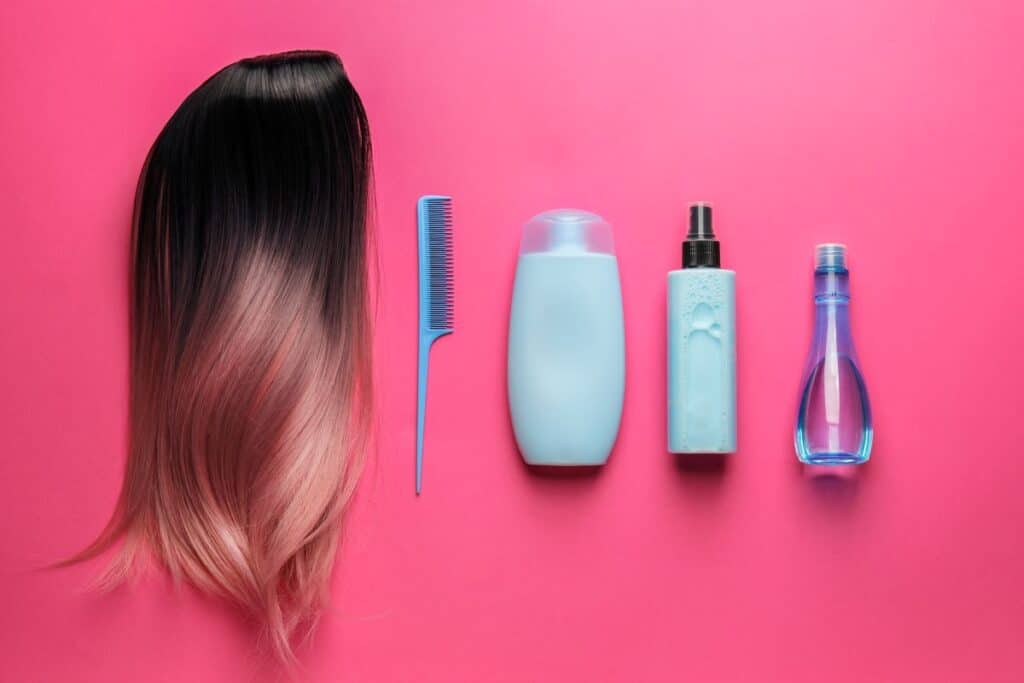
Human hair wigs can often tolerate many of the same product categories used on natural hair, but they have different needs because the strands are no longer attached to a scalp.
Conditioning is especially useful when a wig feels rough or tangles easily. Oil can then be used in a small amount to add slip and shine or to reduce friction through dry-looking mid-lengths and ends.
Many human hair wigs have also been coloured, lightened, textured, or otherwise processed before sale, which can affect porosity, softness, and how readily the hair tangles.
For that reason, a wig that feels dry or rough usually benefits from a balanced routine rather than repeated oiling alone.
Oil does not hydrate hair by itself, because it does not supply water. Instead, it can coat or lubricate the fibre, improve shine, reduce friction, and help the hair feel smoother and easier to detangle.
This can be useful on dry-looking ends, areas that rub against clothing, or sections that tangle frequently.
Oil is not a repair treatment, but reducing friction and making the hair easier to detangle may help limit unnecessary mechanical damage during brushing and styling.
Oils For Human Hair Wigs – Buyer’s Guide
The best product depends on the type of wig, its texture, density, processing history, and how you normally style it.
Synthetic wigs require different care, while human hair wigs can tolerate many products used on natural hair, provided they are suitable for the wig’s construction and processing.
When shopping for an oil or serum, focus on the product’s weight, finish, ingredients, application format, and how much buildup your human hair wig tends to develop.
Ingredients
The ingredients and texture of a product affect how heavy, glossy, slippery, or coated it feels on the hair. For daily styling, start with the lightest amount that gives the finish you want.
Common options include argan, jojoba, coconut, castor, and olive oils, along with silicone-based or oil-and-silicone serums. The overall formula matters more than the featured oil because two products built around the same ingredient can feel very different.
Coconut oil can feel heavy on fine or low-density wigs, so use it sparingly. If you use it before washing, start with a small amount on the mid-lengths and ends rather than saturating the hair or base.
Not all oils penetrate hair to the same degree, and penetration is not required for a product to be useful. Many oils work mainly by coating the surface, adding slip, and changing how the hair feels and reflects light.
Argan- and jojoba-based products can be convenient for finishing because many formulas spread easily in small amounts. Begin with one drop or a light mist and add more only if the wig still feels rough or looks dull.
Hair Style
Texture, density, length, porosity, and processing history all affect how much product a wig can tolerate before it looks coated, separates into greasy sections, or loses movement.
For curly human hair wigs, apply oil after a leave-in or curl product if needed, concentrating on the ends and high-friction areas. Too much heavy oil can reduce volume or make curl clumps look stringy.
For straight or fine human hair wigs, a serum or fine mist is often easier to control than a heavy pure oil. Apply it mainly from the mid-lengths to the ends and keep it away from the knots, lace, or base unless the manufacturer says otherwise.
Colour-treated or lightened wigs may feel drier, rougher, or more porous. Gentle cleansing, conditioning, reduced heat, and careful detangling are especially important for these pieces.
Do not assume that a plain oil is a heat protectant. If you use hot tools, choose a product specifically labelled for heat protection, follow its temperature guidance, and confirm that the wig itself is suitable for heat styling.
The Best Oils For Human Hair Wigs
These options range from lightweight finishing sprays and serums to heavier pure oils. Use the product type, texture, and your wig’s density and porosity, not just the featured ingredient name, to decide where it fits in your routine.
| Rank | Product | Key Features |
|---|---|---|
| 1. | SheaMoisture Wig & Weave Oil Shine Spray | Tea tree and borage seed oils with shea butter; high shine finish; easy spray bottle application; free of mineral oil, phthalates, sulfates, and parabens; works on human and synthetic hairs |
| 2. | The Hair Shop Revibe Silk Drops | Formulated with argan, macadamia, and safflower oils; color safe; thermal heat protection will leave a silky soft appearance; has multi-purpose use as leave-in treatment or daily styling oil |
| 3. | Molivera Organics 100% Pure Castor Oil | Cold pressed, high quality castor oil; deeply conditions the hair; vegan and fragrance-free; rich in fatty acids, antioxidants, and vitamin E |
| 4. | VoilàVe Organics Argan Oil | Cold-pressed, USDA certified organic argan oil; can be used on hair, skin, and nails; formulated without fillers or additives |
| 5. | Moroccan Argan Oil Silky Serum | Moroccan argan oil; eliminates frizz; protects hair against heat styling tools |
| 6. | OKAY Coconut Spray Mist Oil | Coconut oil in an easy spray mist bottle; repairs split ends and brittle strands; paraben-free; made for all hair types and textures |
| 7. | PATTERN Argan Oil Hair Serum | Blend of multiple oils, including argan, castor, and sweet almond oils; adds moisture and shine without leaving a residue; works for all types, but especially curly and textured hair |
1. SheaMoisture Wig & Weave Oil Shine Spray
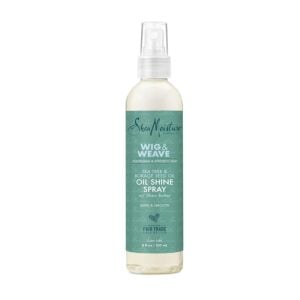
This oil shine spray is a convenient option if you want a light finishing product for human hair wigs, especially when a pure oil feels too heavy.
Because it is dispensed as a mist, it is easier to apply conservatively. Spray from a distance or into your hands first so you can control where the product lands and avoid oversaturating the base.
It is marketed for wigs and weaves. On finer pieces, start with very little product; on coarser or curlier wigs, add more only where the hair feels rough or looks dull.
The formula includes tea tree and borage seed oils. In a wig-care product, the practical benefit is primarily cosmetic: helping smooth flyaways, improve slip, and add shine.
It also contains conditioning ingredients such as shea butter and aloe, which may help the fibres feel softer and easier to manage.
This makes it most useful as a finishing spray rather than as a substitute for shampoo, conditioner, or careful detangling.
2. The Hair Shop Revibe Silk Drops
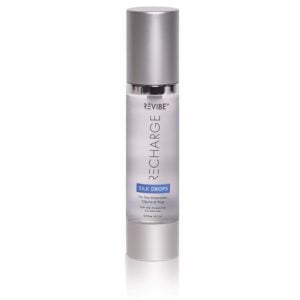
The Hair Shop Revibe Silk Drops is a concentrated finishing product designed for hair and extensions, making it a practical choice when you want shine and slip from a small amount of serum.
The formula is described as containing argan, macadamia, and safflower oils. Rather than relying on oil to “hydrate” the wig, use the drops to smooth the surface and improve shine after conditioning.
If you also use this product on your natural hair, follow its directions for that purpose. Cosmetic oils can condition hair and scalp, but they should not be presented as proven hair-growth treatments.
The serum can help smooth frizz and make frayed or fuzzy ends look neater, but it cannot permanently repair a split hair shaft.
A small amount can add slip for detangling and a glossy finish. Use less than you think you need at first, because concentrated serums can build up quickly and make a wig look stringy.
Safflower oil contributes emollient lipids to the blend, helping the product spread over the hair and improve softness and shine.
For a human hair wig, the relevant benefits are appearance, lubrication, and manageability. There is no living scalp or follicle in the wig for an oil to stimulate.
Use it as a leave-in finishing serum on the mid-lengths and ends, or apply a very small amount to smooth flyaways after styling.
The goal is a polished finish without making the wig feel oily or heavy.
3. Molivera Organics 100% Pure Castor Oil
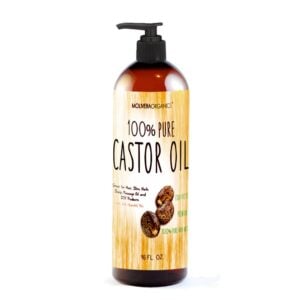
This option is a pure castor oil, which makes it very different from the lighter mists and serums in this roundup.
Because castor oil is thick and tacky, it is best used in tiny amounts on a human hair wig, particularly on coarse dry ends or as part of an occasional pre-wash treatment.
Castor oil is common in hair-care products because of its rich, occlusive feel, but that same heaviness can make a wig look greasy, sticky, or weighed down if overapplied.
This is a better fit for coarse, dense, textured, or very dry-feeling wigs than for fine or silky pieces that lose movement easily.
Its rich texture can coat the strands and reduce friction, but it should not be treated as a substitute for a dedicated UV or heat-protection product.
Use it for softness, slip, and shine rather than expecting it to restore damaged hair permanently.
For detangling, apply only enough to add slip, then work gently from the ends upward with an appropriate comb or brush.
4. VoilàVe Organics Argan Oil
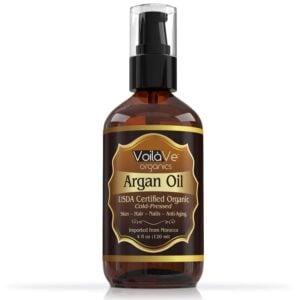
This argan oil is a simple, multipurpose option for people who prefer a pure oil rather than a more complex wig serum.
With a pure oil, the main advantage is control over how much you use. Start with a drop rubbed between your palms before smoothing it lightly over the lengths and ends.
Argan oil can add gloss and reduce the rough feel of dry ends. Like other oils, it does not add water to the hair, so pair it with conditioning care when the wig needs more than surface lubrication and shine.
Its multipurpose format may also appeal if you already use argan oil elsewhere in your beauty routine.
On a human hair wig, use it most sparingly on fine or straight textures and slightly more generously on coarse or highly textured hair if needed.
The most noticeable effect should be softness and shine rather than true “replenishment” of the hair fibre.
5. Moroccan Argan Oil Silky Serum
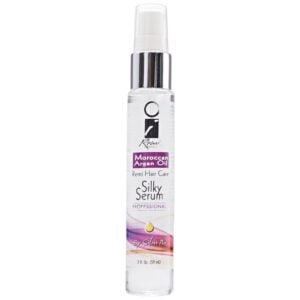
This argan oil serum is designed to give hair a smoother, silkier finish and can be easier to distribute evenly than a thick pure oil.
It is marketed for wigs and extensions, making it a practical finishing option for flyaways, dullness, and rough-feeling ends.
If you plan to use it before hot tools, check the current label for a specific heat-protection claim and temperature guidance. Do not assume every argan-oil serum provides adequate thermal protection.
6. OKAY Coconut Spray Mist Oil
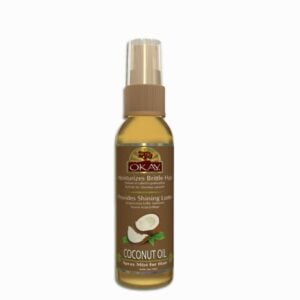
This coconut oil spray mist offers a more controlled application method than pouring pure coconut oil directly into your hands.
Its main appeal for wig care is convenience: a mist can help distribute a small amount more evenly over dull or dry-looking lengths and ends.
How it behaves will still depend on the wig. Fine hair may need only a brief mist, while coarser textures may tolerate more.
Spray conservatively and add more only if necessary, because there is no universal “perfect amount” for every wig.
It can make rough ends feel smoother and look shinier, but it cannot fuse split ends back together or reverse structural damage.
This can be useful when you want a quick finishing step, especially if heavier oils leave the wig flat.
7. PATTERN Argan Oil Hair Serum
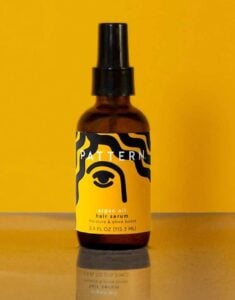
PATTERN offers an oil blend that can suit people who prefer a richer finishing product rather than a lightweight mist or single oil.
The blend contains multiple emollient oils. On a wig, these ingredients are most useful for slip, softness, and shine rather than permanently increasing the strength or elasticity of damaged fibres.
Because this is a multi-oil formula, start with a very small amount and watch for residue or loss of volume before applying more.
It may be especially appealing for curly or textured human hair wigs when the ends feel rough, but application amount should still be adjusted to density and curl pattern.
Conclusion
When choosing a hair oil for a human hair wig, focus on the finish you need: a mist for lightweight shine, a serum for smoothing and slip, or a heavier pure oil for occasional use on coarse or dry-feeling ends.
Argan, coconut, castor, jojoba, and blended serums can all have a place in wig care, but more product is not better. Use the smallest amount that improves manageability without leaving visible residue or reducing movement.
Also consider texture, density, porosity, colour processing, length, and styling habits. A long, lightened curly wig may need a very different routine from a short, silky straight one.
A hair oil is optional rather than essential. If your wig already feels smooth, moves well, and does not tangle excessively, adding more product may only create buildup.
If you use the same product on your natural hair, follow the instructions for scalp or hair use separately from your wig routine.
Several products above are multipurpose, but check the current label before assuming a formula intended for hair is also appropriate for the scalp, skin, or nails.
If you wear wigs as part of a protective styling routine, keep caring for the hair and scalp underneath as a separate priority.
A multipurpose oil can be convenient, but convenience should not replace the wig manufacturer’s care guidance or a routine that keeps the scalp clean and comfortable.
On natural hair or scalp, oils can improve lubrication and reduce dryness for some people, but they should not be described as proven treatments that stimulate or accelerate hair growth.
For the wig itself, the realistic goal is better slip, softness, shine, and easier detangling. Oil can improve the appearance of frizz, roughness, and flyaways, but it will not make a damaged wig permanently “healthy” again.
With a light hand and a balanced care routine, the right oil or serum can be a useful finishing step that helps a human hair wig look polished without unnecessary buildup or loss of movement.
Related Articles
How To Wash A Wig With Fabric Softener