Why Are My Nails Soft And Bendy?
Strong, comfortable nails can make everyday tasks easier and help manicures and natural length hold up better over time.
We use our nails for so many things: opening containers, picking up change, and scratching our pets’ ears.
And yet, many people deal with soft, bendy, peeling, or frequently breaking nails.
Soft and bendy nails can make it harder to maintain a manicure, protect the free edge, and grow the nails longer without splitting.
Frequent bending, peeling, or breaking can also make ordinary tasks frustrating and sometimes uncomfortable.
So, why are your nails soft and bendy?
Soft, bendy nails can be influenced by repeated water or chemical exposure, manicure habits, natural nail structure, and sometimes medical or nutritional factors. Gentle nail care can help many cases, but persistent or sudden changes are worth discussing with a healthcare professional rather than assuming they are purely cosmetic.
Below, we break down the most common causes, the habits that can make flexible nails worse, what strengthening products can and cannot do, and when persistent nail changes deserve medical evaluation.
Soft Bendy Nails At A Glance
- Common external causes: repeated wetting and drying, detergents, solvents, picking, over-filing, buffing, and forceful gel or acrylic removal.
- Natural variation: some people simply have thinner, more flexible nail plates.
- Helpful first steps: protect nails during wet work, moisturise the nail folds, stop peeling or scraping coatings, and keep nails shorter while damaged areas grow out.
- Strengtheners: they can provide a temporary protective film but do not cure nutritional, hormonal, inflammatory, or other medical causes.
- Get medical advice: if the change is sudden, affects many nails, persists despite gentle care, or comes with pain, colour change, pitting, thickening, separation, swelling, or other symptoms.
Paper-Thin Nail Causes
Many cases of soft, peeling, or flexible nails are related to repeated wetting and drying, detergents, solvents, friction, or manicure practices, but natural nail structure and medical factors can also play a role.
It can still be challenging to determine which factor is affecting your nails because several causes may overlap.
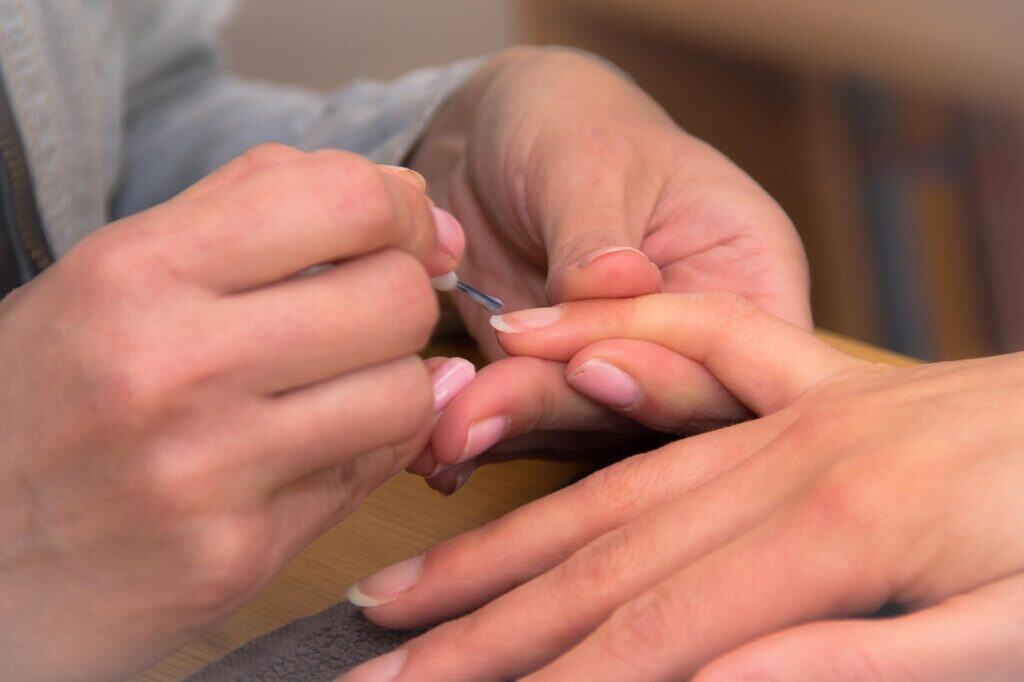
It may take some trial and error to identify avoidable triggers, but sudden nail changes, pain, discoloration, separation, or ongoing weakness despite gentle care deserve professional evaluation.
Here are the most common causes of paper-thin and soft nails:
Moisture And Chemical Exposure
One of the most practical causes to address is repeated wet work and chemical exposure.
Normal handwashing is important and usually not a problem by itself, although very frequent wetting and drying, harsh soaps, and prolonged hot-water exposure can contribute to dryness in some people.
The issue is usually repeated or prolonged exposure, especially when nails cycle between soaking, drying, detergents, solvents, and physical wear many times a day.
For example, if you’re working as a dishwasher at a restaurant and your hands are wet and covered in detergent for hours every day, that may very well be contributing to your weak nails.
Other activities that expose you to excessive moisture and chemicals include:
- Working on a boat
- Gardening or landscaping without gloves
- Washing clothes by hand
- Excessive hand sanitising, for example, if you work in healthcare
- Dry cleaning
- Creating art like pottery, painting, or metalsmithing
Occasional exposure is less likely to be a major factor than repeated or prolonged exposure, but there is no exact hourly cutoff that applies to everyone.
You do not need to avoid every activity involving water or soil. The goal is to reduce unnecessary exposure and protect the hands when the contact is prolonged or repetitive.
The risk generally rises with repeated wet work, detergents, solvents, and physical wear, especially when your hands do not have time to dry and recover between exposures.
If you spend a large part of the day with your hands in water, detergents, solvents, or other chemicals, reducing that exposure is a practical first step, although it may not be the only cause.
Manicure Damage
Manicures themselves do not have to damage the natural nail, but aggressive preparation, over-filing, picking, and forceful removal can.
The main concern is not the manicure itself but how aggressively the natural nail is prepared, filed, buffed, picked, or removed.
Professional application and removal can reduce unnecessary trauma, but technique, product type, allergic sensitivity, and how often the nail is filed or soaked still matter.
Some gel and enhancement systems use light surface preparation for adhesion, but the amount of filing should be minimal and product-specific rather than automatically removing visible layers of natural nail.
Polishing the nail does not inherently remove a layer of nail plate, but repeated or aggressive buffing and filing can thin it.
If the natural nail is repeatedly over-filed, it can become thinner, more flexible, tender, or prone to splitting until the affected portion grows out.
Gel manicures cure under UV-emitting lamps. The exposure from individual manicures is limited, but people who want to reduce cumulative skin exposure can use fingerless UV-protective gloves or broad-spectrum sunscreen on the hands before curing, while keeping sunscreen off the nail plate itself.
Removal is where much preventable damage happens. Gel polish and acrylic nails should be removed with a method appropriate to the product, and regular polish should be dissolved rather than scraped or peeled away.
Peeling a manicure off when it starts to chip can pull superficial layers from the nail plate, especially with gel or enhancement products.
Peeling off gel, dip, or enhancement products can remove superficial layers of the nail plate along with the coating, leaving the nail thinner and more flexible until the damaged portion grows out.
Lack Of Nutrients
Nutritional deficiencies can affect nails, but they are not the most likely explanation for every case of soft or bendy nails.
Deficiencies can still occur for many reasons, including restrictive diets, absorption problems, blood loss, illness, or increased nutritional needs.
However, a generally balanced diet often supplies the nutrients needed for normal nail growth, so supplements should not be assumed necessary without a reason.
Normal nail growth depends on adequate overall nutrition, including protein and micronutrients such as iron and zinc. Deficiencies in certain nutrients can affect nail appearance, but taking extra amounts above your needs does not automatically make nails stronger.
If you suspect a deficiency because of dietary restriction, fatigue, heavy menstrual bleeding, gastrointestinal issues, or other symptoms, testing is more useful than guessing.
If obvious external triggers do not explain your nail weakness, diet is only one possibility. Thyroid disorders, anemia, skin conditions, medications, aging, and other medical factors can also affect nails.
Nutrition can also affect hair and skin, although changes in several areas at once still do not identify a specific deficiency on their own.
If you notice hair loss, skin changes, fatigue, or other symptoms along with nail changes, consider discussing them with a healthcare professional.
If nutrition is involved, the goal is to correct the actual deficiency rather than take a broad range of supplements “just in case.”
Medical, Skin, Or Medication-Related Causes
When nail weakness is persistent or appears suddenly, external wear is not the only possibility. Nail changes can accompany thyroid disorders, iron-deficiency anaemia, inflammatory skin conditions, infections, ageing, certain medications, and other health issues.
These conditions cannot be identified from softness alone, and a nail technician or cosmetic product cannot diagnose them. If several nails change at once or you also notice fatigue, hair loss, rash, swelling, pain, or other symptoms, discuss the pattern with a healthcare professional.
Genetics
In some cases, thin or flexible nails are partly determined by natural nail structure and genetics.
If several family members have similarly thin, flexible nails, natural nail structure may be part of the picture.
Another way to tell is to reflect on your childhood and adolescence.
If your nails have always been on the thinner or more flexible side and have not suddenly changed, that may simply be your baseline rather than a sign of disease.
Even when flexibility is your natural baseline, protective habits can still reduce splitting and breakage.
You can still reduce breakage by protecting the nail plate, keeping the surrounding skin moisturized, and avoiding repeated trauma.
A balanced diet and certain protective nail products may help, but supplements are most useful when they correct a genuine deficiency.
How To Strengthen Soft Bendy Nails
Your nails may be soft or bendy because of more than one factor at the same time, such as wet work plus manicure damage or naturally thin nails plus frequent polish removal.
It can take time to identify the main trigger because fingernails grow slowly and damaged nail plate has to grow forward before the full improvement is visible.
Start with the lowest-risk changes that protect the nail plate and surrounding skin while new nail grows.
The steps below are reasonable starting points for many people, but the right approach still depends on the cause of the nail weakness:
A Simple Nail-Recovery Routine
- Keep nails at a practical length while they are splitting or bending easily.
- File rough edges gently rather than tearing or peeling them.
- Use gloves for prolonged washing, cleaning, gardening, hair dyeing, or solvent exposure.
- Apply hand cream, cuticle oil, or another moisturiser after washing whenever the skin and nail folds feel dry.
- Pause aggressive buffing, picking, and repeated enhancement removal until the damaged nail plate has grown forward.
- If you use a strengthener, stop if the nails become overly hard, dry, or prone to snapping.
Wear Gloves
Whenever you’re exposing your nails to water or chemicals for an extended period of time, you should wear gloves.
Whether you’re doing dishes, working at a dry cleaner’s, dyeing someone’s hair, or spending the day digging in your garden.
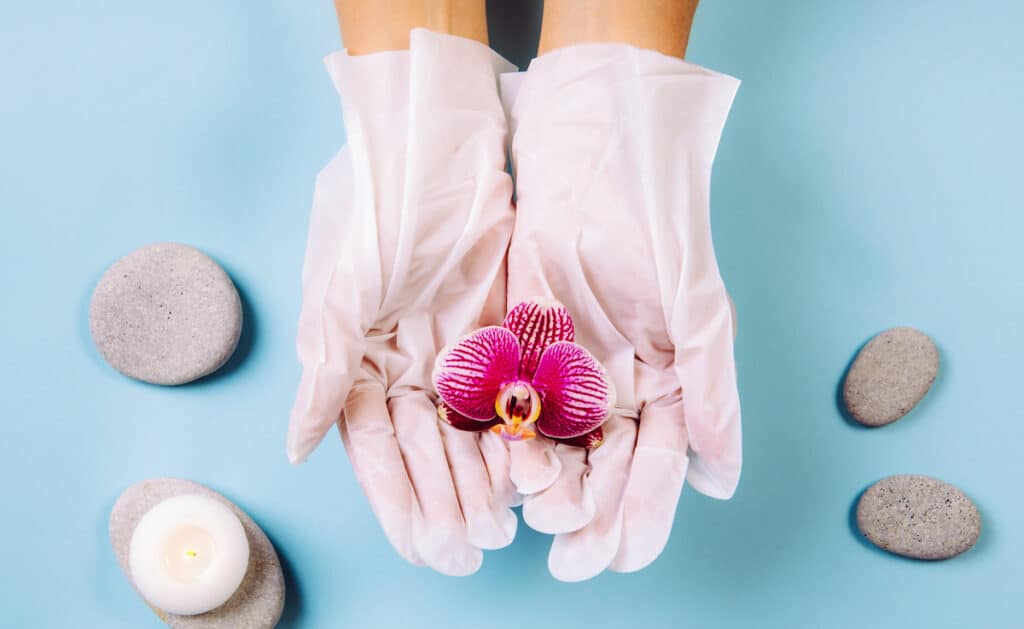
Wearing gloves will help protect your skin and nails from potential chemical exposure and excessive moisture.
Reusable household gloves are enough for many wet chores. If your hands sweat heavily inside them, cotton liners or short breaks can make prolonged use more comfortable.
Nail Strengthener
Nail strengtheners, similar to nail hardeners, are coatings designed to reduce bending, splitting, or surface wear while they are on the nail.
They can add a protective coating to the nail plate, which may make soft nails feel firmer and reduce some day-to-day mechanical wear.
Different nail strengtheners have different formulations.
Many formulas use resins or film-forming ingredients that leave a protective coating and temporarily reduce bending or surface wear.
Some formulas include vitamins, proteins, or minerals, but the visible nail plate is dead keratin and cannot be “healed from within” by a topical polish.
This Butter nail strengthener is one example of a reinforcing base coat and is marketed with ingredients such as biotin, vitamins, and calcium.
This one by OPI is another coating designed to reinforce the nail surface, with hydrolysed wheat protein among its ingredients.
Nail strengtheners can be useful for some soft or flexible nails, but they are not a treatment for every underlying cause.
If a hardening formula makes the nails overly rigid, dry, or prone to snapping, stop using it and switch to gentler protection.
If a nutritional deficiency is confirmed, correct it appropriately while continuing gentle external nail care.
Nutrition
Normal nail growth depends on overall health and adequate nutrition, but food or supplements cannot instantly change the part of the nail plate that has already grown out.
A varied diet that provides enough calories, protein, vitamins, and minerals supports normal nail growth.
Here are several nutrients involved in overall health, along with common food sources:
- Biotin – This is a type of B vitamin often found in beef, eggs, salmon, sweet potatoes, and sunflower seeds.
- B Vitamins – B vitamins support many normal metabolic functions. Sources include meat, fish, eggs, beans, peas, fortified grains, and other foods.
- Iron – Found in fortified cereals, beef, shellfish, dried fruit, beans (especially kidney beans), lentils, dark leafy greens, dark chocolate, quinoa, and mushrooms.
- Magnesium – Found in leafy greens, lentils, soybeans, chickpeas, nuts, seeds, whole grains, and potatoes.
- Protein is essential for many of your healthy bodily functions. Good sources of protein include eggs, fish, chicken, pork, beef, beans, lentils, dairy products, and quinoa.
- Vitamin C – Vitamin C is found in citrus fruits, sweet yellow peppers, kale, kiwis, broccoli, brussels sprouts, and strawberries.
- Zinc – A good source of zinc is oysters, pumpkin seeds, hemp seeds, lamb, chickpeas, lentils, cashews, yoghurt, mushrooms, spinach, avocado, and almonds.
- Omega-3 – Sources include fatty fish such as mackerel and salmon, algae, chia seeds, hemp seeds, walnuts, and some fortified foods. Omega-3 intake supports general nutrition, but it is not a proven standalone treatment for soft nails.
A varied diet can usually provide the protein and micronutrients needed for normal nail growth when there is no underlying deficiency or absorption problem.
A balanced eating pattern can include both whole and processed foods. Focus on variety, adequate protein and calories, and nutrient-dense choices rather than labeling all processed foods as nutrient-deficient.
Depending on your dietary preferences, protein and micronutrients can come from meat, fish, eggs, dairy, legumes, soy foods, vegetables, fruits, nuts, seeds, and whole grains.
A Mediterranean-style eating pattern is one example of a varied approach built around vegetables, legumes, whole grains, nuts, olive oil, fish, and other nutrient-dense foods, but it is not the only way to meet nutritional needs.
If your diet is restricted or you suspect a deficiency, consider discussing appropriate testing or supplementation with a healthcare professional.
Supplements
Many of the nutrients involved in normal nail growth are also sold as supplements, but taking them without a documented need does not guarantee stronger nails.
A multivitamin can fill certain dietary gaps, but more is not necessarily better and some nutrients, especially iron, should not be taken in high doses without a reason.
Collagen supplements are also marketed for hair, skin, and nail support, although they are optional rather than essential for most people.
Collagen is a structural protein made naturally in the body, but nails themselves are primarily made of keratin rather than collagen. Some small studies have explored collagen peptides for brittle nails, but the evidence is limited and supplementation is not required for normal nail growth.
If you choose to use collagen peptides, treat them as an optional supplement rather than a guaranteed nail-strengthening treatment.
This Vital Proteins collagen powder contains collagen peptides and additional ingredients, but product popularity does not guarantee stronger nails for every user.
Conventional collagen supplements are derived from animal sources, so they are not suitable for vegan diets.
Some vegan products are marketed as “collagen builders,” such as this Wild Fuel Vegan Collagen Builder, but they do not contain animal collagen and their effects depend on the nutrients included and whether you were deficient to begin with.
Hair, skin, and nail supplements such as the Viva Naturals Hair, Skin, and Nails formula may provide nutrients, but they are not automatically more effective than a balanced diet or a standard supplement chosen for a documented need.
Food can meet most nutritional needs for many people, while supplements can be useful in specific situations such as a diagnosed deficiency or restricted diet.
Aim for a balanced diet, and use supplements thoughtfully rather than assuming that higher doses will make nails grow faster or stronger.
Non-Acetone Nail Polish Remover
Polish removal can also affect how dry or worn the nails feel, so choose the remover and removal method based on the coating you are actually wearing.
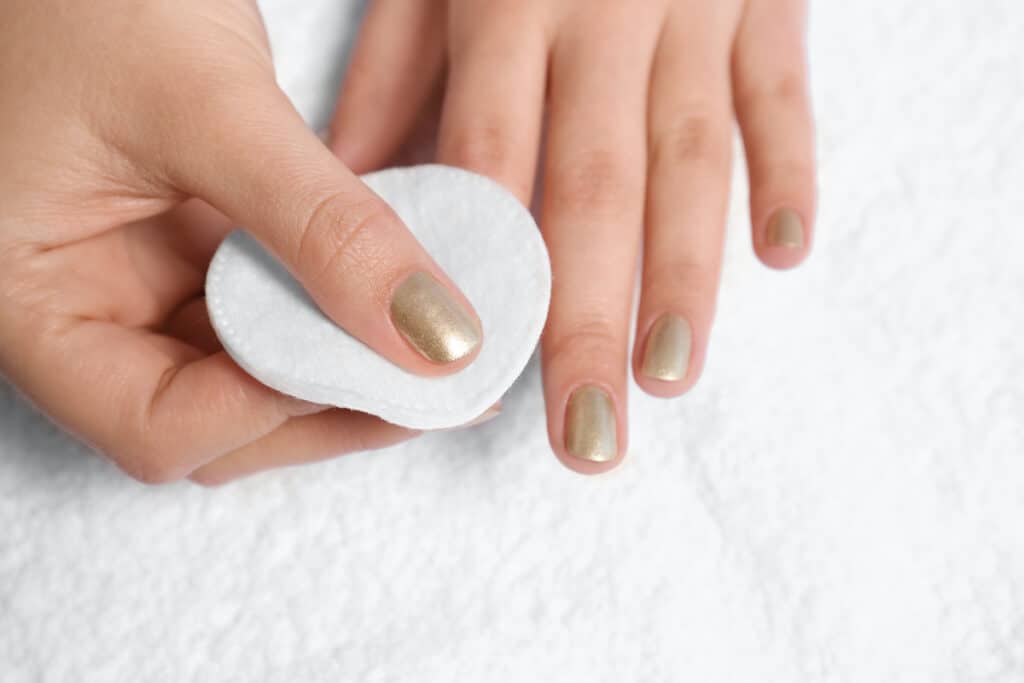
This includes choosing a polish-removal method that matches the product on your nails and minimizing unnecessary scraping or peeling.
When removing regular polish, both acetone and non-acetone removers are options. Acetone works quickly and can temporarily dry the nail plate and surrounding skin, while non-acetone formulas may require more rubbing or exposure time.
Acetone can temporarily remove surface oils and leave nails looking dry or chalky, but normal use does not automatically thin the nail plate.
If your nails are already dry or peeling, you may prefer a non-acetone remover for regular polish, but faster acetone removal can sometimes mean less rubbing overall.
Non-acetone removers work for many regular nail polishes, but they are usually not equivalent for removing soak-off gel, acrylic, dip powder, or strong nail glue.
Use the remover that is appropriate for the coating, minimize contact time, and moisturize the hands and cuticles afterward if they feel dry.
Some removers include oils or vitamin E to reduce the dry feel of the product, but these ingredients do not repair the nail plate from within.
Never Peel Your Nails
Repeated biting, picking, peeling, scraping, or aggressive buffing can thin or split the nail plate and make breakage more likely.
That means peeling, biting, and buffing are all activities you should minimise if you want stronger nails.
If nail biting or picking is habitual, focus first on reducing the repeated trauma rather than trying to compensate with more hardener or polish.
Use Cuticle Oil
The cuticle helps seal the space between the nail plate and surrounding skin, so keeping this area intact and moisturized supports a comfortable nail barrier.
Keeping the cuticle and surrounding nail folds moisturised can reduce cracking and dryness around the nail.
Use a cuticle oil or moisturizer to reduce dryness around the nail folds and improve flexibility of the nail plate surface. Apply it as often as needed rather than following a strict twice-daily rule.
Cold weather, frequent handwashing, or dry indoor air may make more frequent moisturising helpful.
This Cuccio Naturale Revitalising Cuticle Oil, contains emollient oils such as almond oil that can soften dry cuticles and the surrounding skin.
How Long Do Soft Nails Take To Improve?
Changes in nail care are not visible overnight because the damaged nail plate has to grow out from the matrix. Fingernails grow gradually, so you may notice less peeling or breakage before the entire nail has been replaced.
If the weakness came from over-filing, peeling enhancements, or repeated wet work, protect the new growth and judge progress over weeks to months rather than expecting a hardener or supplement to transform the existing nail immediately.
Soft Bendy Nails FAQs
Why Are My Nails Suddenly Soft And Bendy?
A sudden change can follow manicure damage, increased wet work, illness, medication changes, nutritional deficiency, or other health factors. If several nails change without an obvious external cause, or the change persists, consider medical evaluation rather than relying only on nail products.
Does Biotin Strengthen Soft Nails?
Biotin is necessary for normal metabolism, and limited research has explored high-dose biotin for brittle nails, but routine supplementation is not automatically needed when your diet is adequate. High-dose biotin can also interfere with some laboratory tests, so supplementation is worth discussing with a healthcare professional.
Is Acetone Bad For Soft Nails?
Acetone can temporarily dry the nail plate and surrounding skin, but it also removes many coatings quickly. For some manicures, a fast acetone removal can cause less mechanical damage than prolonged scraping or rubbing. Use the remover suited to the product and moisturise afterward if needed.
Should You Use A Nail Hardener On Bendy Nails?
A hardener or strengthener can reduce flexing while it is on the nail, but making an already brittle nail too rigid can increase snapping. Choose the product based on whether your nails are mainly soft and flexible or already dry and brittle.
Can Soft Nails Be A Sign Of Iron Deficiency?
Iron deficiency can affect nails, but softness alone does not diagnose it. If nail changes occur with fatigue, heavy menstrual bleeding, dietary restriction, gastrointestinal symptoms, or other signs of deficiency, testing is more useful than taking iron without a confirmed need.
Final Thoughts
Soft and bendy nails can have several causes, from repeated wet work and manicure trauma to natural nail structure, nutritional deficiencies, skin conditions, medications, or other health factors.
Gentle nail care cannot change genetics or treat an underlying medical condition, but it can reduce avoidable splitting and breakage while new nail grows from the matrix.
This can include protecting them from repeated wet work and trauma, moisturizing the nail folds, and maintaining adequate nutrition. Supplements are best reserved for situations where they are actually needed.
Even if your nails are naturally thinner or more flexible, protective habits can reduce breakage and help them stay more comfortable.
If your soft, bendy, or frequently breaking nails do not improve with gentler care, or if the change is sudden or accompanied by pain, colour changes, pitting, thickening, swelling, or nail separation, consider getting them professionally evaluated.
Related Articles
Paper Thin Nails After Acrylics – How To Strengthen Them
How To Take Off Acrylic Nails With Hot Water
Nail Hardener Vs. Nail Strengthener