
How To Heal Cuticles Overnight
When the weather gets colder and the air gets drier, the skin around your nails can start to feel rough and tight.
Those little flakes and snags are often what we mean when we talk about dry cuticles.
Technically, the cuticle is the thin layer of dead tissue attached to the nail at its base. The living skin bordering the nail is called the nail fold.
Both deserve gentle care. Picking or trimming this area can damage the protective seal around your nail.
Repeated wetting and drying, nail biting, and irritating nail products can leave the surrounding skin cracked or prone to hangnails.
Even a tiny split can catch on clothes or sting when you wash your hands.
It can also make an otherwise tidy manicure look rough around the edges.
So, can you actually heal cuticles overnight?
You may soften dry skin and make it feel more comfortable by morning, but cracks and torn skin need longer to heal.
The goal tonight is simple: moisturize, protect the area, and stop anything that keeps irritating it.
Wondering how to heal cuticles overnight?
You can improve dry cuticles overnight with a gentle wash, moisturizer, and a thin layer of petroleum jelly. Broken skin may take several days or longer to heal, and signs of infection need medical advice.
Here’s how to choose between cuticle oil, a protective dressing, and petroleum jelly, plus the habits that help keep dryness from coming back.
Moisturizing Is Key
Before choosing a treatment, check whether you’re dealing with simple dryness or something more irritated.
Dry cuticles often look flaky or rough, especially during cold weather or after lots of handwashing.
Common triggers include:
- Frequent contact with acetone or irritating nail products
- Nail biting or picking at the surrounding skin
- Repeated exposure to cleaning products
- Filing or buffing that rubs against the skin
- Frequent washing or sanitizing without moisturizing afterward
- Manual work that causes friction or small injuries
Some of these habits remove moisture; others physically tear the skin. Moisturizer helps with dryness, but you also need to avoid the trigger.
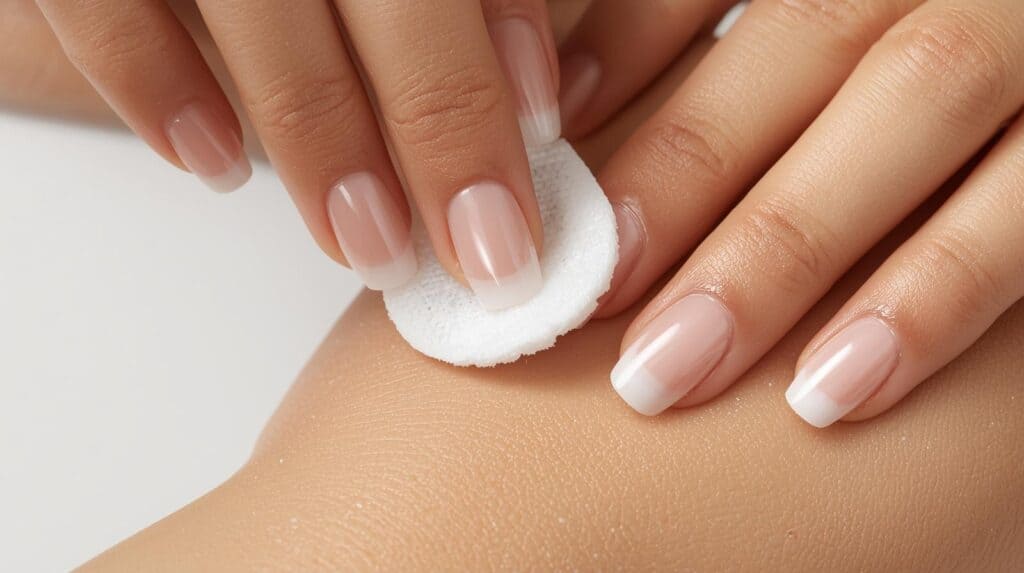
A thick, fragrance-free cream is a useful starting point. The American Academy of Dermatology recommends applying moisturizer after washing, while skin is still slightly damp.
Keep up necessary handwashing. Follow it with moisturizer instead of skipping hygiene to avoid dryness.
Don’t treat increasing pain, warmth, swelling, or pus as ordinary dry cuticles. The NHS identifies sore, red, swollen, warm skin around a nail as a possible sign of infection.
Get medical advice for those symptoms, and seek urgent care for spreading redness or fever. If you have diabetes, poor circulation, or a weakened immune system, seek advice promptly about broken or inflamed skin.
How To Repair Cuticles Overnight
For dry, uninfected cuticles, an overnight routine takes only a few minutes:
- Gently wash your hands and pat them dry
- Apply oil or moisturizing cream to intact, dry cuticles; choose a fragrance-free product if sensitive
- Protect small cracks with a suitable dressing; use optional cotton gloves over moisturizer on intact skin
By morning, dry skin may feel softer and less tight. A visible tear won’t necessarily have closed, so keep protecting it while it heals.
Choose oil and cotton gloves for intact, dry skin; a dressing for a small clean split; or petroleum jelly for a simple bedtime option.
Heal Cuticles Overnight: Cuticle Oil And Gloves Method
The cuticle oil and gloves method suits rough, intact skin that needs a little extra care at bedtime.
Skip cosmetic oils on open cuts, and stop using any product that causes stinging, itching, or redness.
Here’s what you’ll need:
- Lukewarm water, gentle cleanser, and a clean towel
- Cuticle oil
- Clean cotton moisturizing gloves, if desired
Start with your normal handwash using lukewarm water and a gentle cleanser.
You don’t need a long soak or to “open your pores.” Prolonged water exposure can make dry hands harder to manage.
Choose a cuticle oil you already tolerate, preferably without added fragrance if your skin is sensitive.
An oil’s main job here is to soften dry tissue. Added vitamins don’t make it an overnight wound treatment.
If you already use coconut oil, olive oil, or jojoba oil, reserve it for intact skin that tolerates it. Plain petroleum jelly or fragrance-free cream is a simpler choice for irritated areas.
If you don’t have oil, use a fragrance-free cuticle cream or hand cream. There’s no need to buy both.
Creams vary in texture. A thick cream can be easier to use during the day, while oil may leave more slip on your fingertips.
Gently pat your hands dry with a clean towel, including between your fingers.
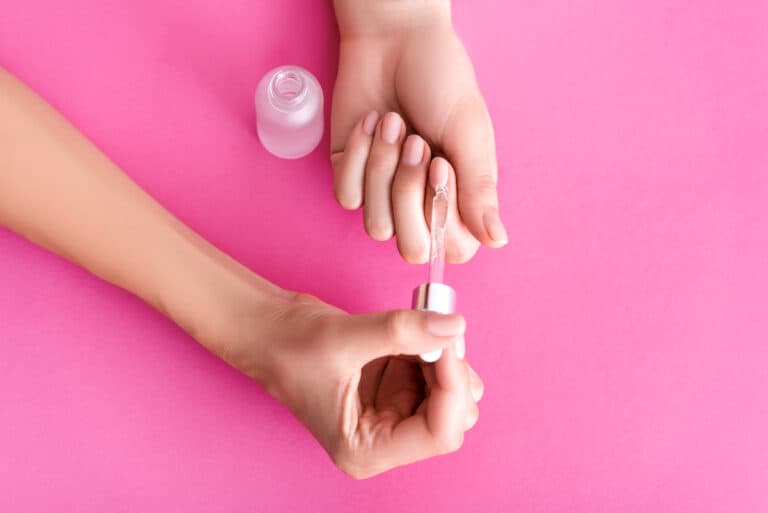
Apply a small drop of oil across each nail and the intact skin bordering it. Spread it gently without pressing into sore spots.
If your whole hand feels dry, apply hand cream too, paying attention to the fingertips.
A few seconds of gentle spreading is enough. Firm massage isn’t necessary and can hurt damaged skin.
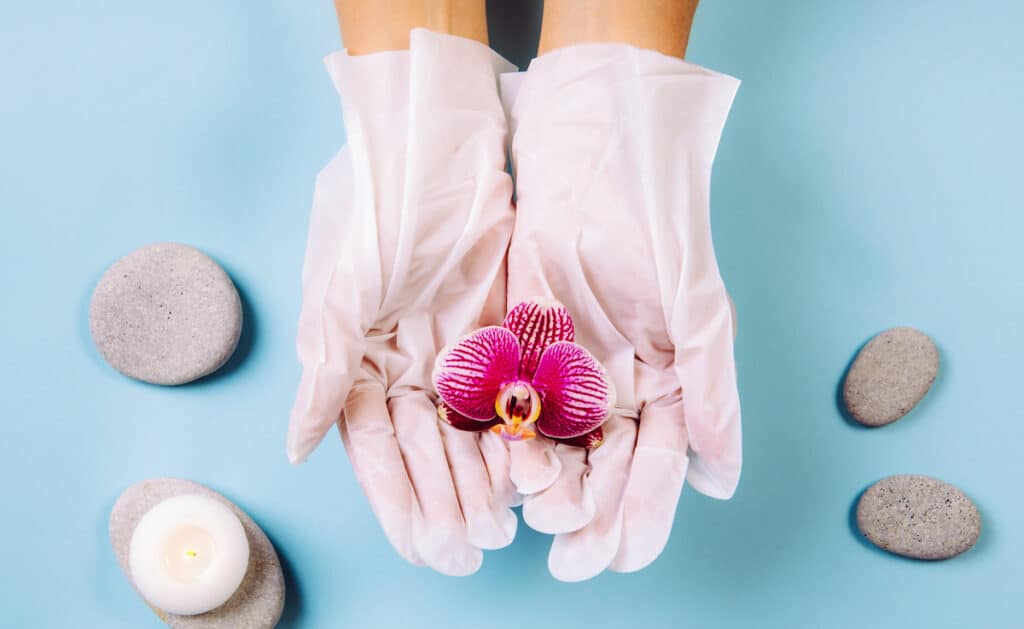
If you like, put on clean cotton moisturizing gloves before bed.
Choose clean, breathable cotton gloves that fit comfortably. They help keep greasy products off your bedding.
You’ll usually find cotton moisturizing gloves online or in the hand-care section of a pharmacy.
Avoid sleeping in latex, plastic, or waterproof cleaning gloves. If cotton gloves make your hands sweaty or uncomfortable, take them off.
Gloves are optional. A thin layer of product without gloves is still a practical bedtime routine.
In the morning, check for irritation and reapply cream after washing. Repeat gentle care rather than expecting one application to repair every crack.
Heal Cuticles Overnight: Band-Aid Method
The Band-Aid method is most useful for one small, clean crack or a spot where a hangnail has torn.
You don’t need to cover every fingernail. Focus on the area that catches on fabric or needs protection from friction.
This is basic care for a minor surface wound, not a way to treat a swollen or infected nail fold.
You’ll need:
- Mild soap, water, and a clean towel
- Plain petroleum jelly
- A small nonstick dressing for the affected area
Gently clean the small split with mild soap and water, then pat the surrounding skin dry.
If it’s bleeding, apply gentle pressure with clean gauze first. Seek medical help for a deep wound or bleeding that doesn’t stop.
Apply a thin layer of plain petroleum jelly to the clean minor wound. Avoid rubbing cosmetic cuticle oil or fragranced cream into broken skin.
Cover it with a small, clean, nonstick dressing. Keep the adhesive on intact surrounding skin and don’t wrap it tightly around your finger.
The pad should protect the split without sticking to it or restricting your finger.
Change the dressing daily, or sooner if it gets wet or dirty. The AAD’s nail-injury guidance also recommends petroleum jelly and a light protective dressing for minor injuries.
Check the skin in the morning. Increasing tenderness, swelling, or drainage calls for medical advice, not a thicker layer of product.
Heal Cuticles Overnight: Vaseline Method
The Vaseline method is a simple option if you already have plain petroleum jelly at home.
All you need is:
- Gentle cleanser, lukewarm water, and a clean towel
- A jar of Vaseline
Wash your hands normally before bed using lukewarm water.
Keep this routine plain, especially if the skin feels tender.
Skip essential oils, lemon juice, and fragranced soak additives on irritated skin.
There’s no need for a separate 10- or 15-minute soak.
If you’ve just showered, that’s a convenient time to moisturize; don’t spend extra time under hot water.
Pat dry with a clean towel. For intact, dry skin, you can apply fragrance-free cream first.
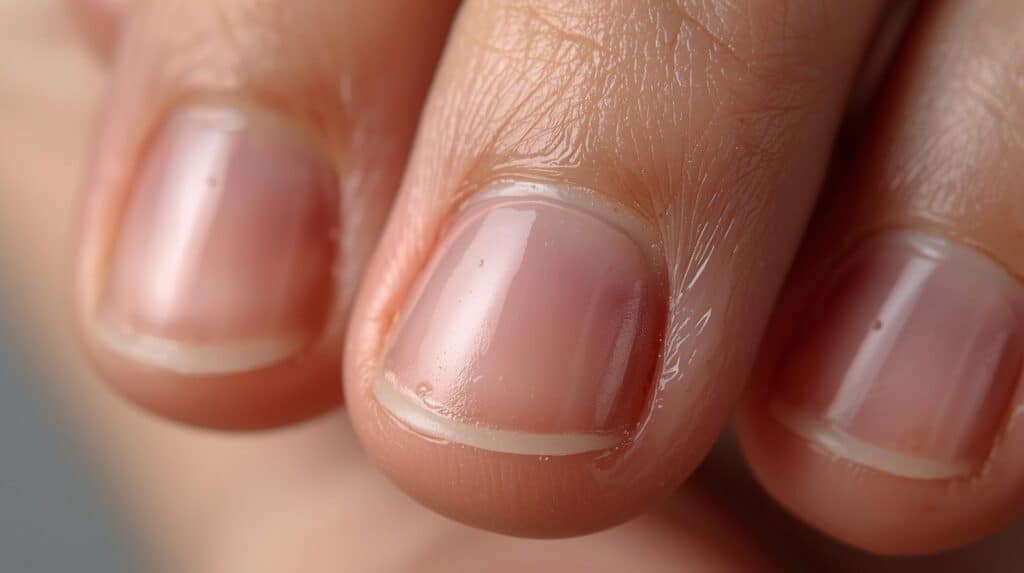
With clean hands, spread a small amount of petroleum jelly over each nail and the surrounding skin. A thin film is enough.
Use a light touch around tender areas and avoid pulling loose skin.
Petroleum jelly reduces moisture loss by forming a protective layer. It doesn’t disinfect the skin or cure an infection.
You can leave it at that, or add comfortable cotton gloves if you prefer.
The AAD recommends bedtime petroleum jelly or cuticle oil to soften rough, dry cuticles.
Use less product if it transfers heavily onto your sheets. More isn’t necessarily better.
Alternatives
You don’t need a full manicure kit to care for dry cuticles.
A product you already tolerate is often a better starting point than several new treatments at once.
Here’s what to know about common substitutes:
- Nail restorer: Check what the product actually is. A moisturizing cream may suit intact dry skin; a nail hardener or polish treatment is not a substitute for skin care.
- Plain ointment: Petroleum jelly can help protect a clean minor split. Ointments are not automatically antibacterial, and antibiotic ointment isn’t routinely needed unless a clinician recommends it.
- Cosmetic oils: Use only one you already tolerate on intact skin. Avoid essential oils and ingredients you’re allergic to; don’t assume every kitchen oil suits irritated cuticles.
- Hand cream: A thick, fragrance-free cream is a practical alternative to cuticle oil. Reapply after washing your hands.
- No gloves: You can still moisturize before bed. If you want a covering, choose clean cotton gloves rather than plastic, latex, or heavy winter gloves.
- Your normal shower: Apply moisturizer afterward. Keep the water comfortably warm and skip extra soaking time.
Keeping Your Cuticles Healthy
Overnight care can improve comfort, but daily habits make a bigger difference to recurring dryness.
Think about when the problem returns: after cleaning, polish removal, cold weather, or picking at a rough edge.
Keep a small tube of hand cream beside the sink so reapplying after washing is easy.
Clean nail tools regularly, avoid sharing them, and leave sore skin alone while it recovers.
Don’t Bite Your Nails
If you bite your nails or the skin around them, noticing when you do it is a useful first step.
Biting can leave small tears that sting and repeatedly reopen.
Saliva and repeated pulling can also irritate the surrounding skin.
Keep nail edges smooth so there’s less to catch your attention or tempt you to bite.
Biting can introduce bacteria into broken skin, increasing the risk of infection.
Try keeping your hands occupied when you tend to bite, such as while watching TV or working at a desk.
If biting or picking causes repeated injuries and feels hard to control, a healthcare professional can help you find strategies that fit your triggers.
Get Your Vitamins
Dry cuticles alone don’t tell you that you have a vitamin deficiency.
Biotin is a vitamin; collagen and keratin are proteins. None should be treated as an automatic fix for cracked skin around your nails.
Aim for varied meals that include protein, vegetables, fruit, whole grains, and sources of healthy fats.
If you’re concerned about your diet or have persistent nail changes, ask a healthcare professional before starting supplements.
Moisturize Every Night
Moisturize regularly, even after the rough edges begin to look better.
Make it easy: keep a fragrance-free cream by your bed and apply it after your last handwash of the evening.
Work a small amount around each nail, then use petroleum jelly on particularly dry spots if needed.
Fragrance isn’t necessary for a relaxing routine. If a product stings or leaves a rash, stop using it.
Don’t Push Back Damaged Cuticles
Leave damaged cuticles in place while they recover. Pushing or trimming them can reopen the area.
A visible cuticle isn’t something you need to remove for healthy nails.
The AAD advises against cutting or pushing back cuticles because they help protect the nail root.
Use moisturizer to soften a rough edge rather than scraping it with a tool.
At your next manicure, ask the technician to leave your cuticles alone, especially if the surrounding skin is tender.
Avoid Harsh Chemicals
Repeated contact with cleaning products can contribute to dry, irritated hands.
Dishwashing liquid, cleaning sprays, solvents, and nail polish removers are common culprits.
Wear suitable protective gloves for washing dishes and cleaning, following the product label. Keep the inside of your gloves dry.
Take them off when the task is finished, dry your hands gently, and moisturize. Cleaning gloves are for chores, not overnight wear.
Some nail products need acetone for removal, but your cuticles shouldn’t be scrubbed or scraped in the process.
Follow the removal instructions for the specific polish or enhancement. Don’t peel gel or acrylic products off to avoid using remover.
If manicures repeatedly leave you sore, itchy, or cracked, pause them and seek advice if symptoms persist. Repeated irritation can need more than extra oil.
Remove Hangnails
If a hangnail develops, resist the urge to bite, pull, or pick it off.
Pulling can tear attached skin and leave a larger sore spot.
Use clean, sharp clippers to trim only the loose, dead piece of skin. Don’t cut into attached skin or trim the cuticle along the nail base.
If a small break remains, gently clean it, apply plain petroleum jelly, and cover it if needed. Petroleum jelly protects the area but doesn’t kill bacteria.
Final Thoughts
Dry cuticles can feel softer overnight, but damaged skin needs time to heal.
Start with gentle cleansing, a simple moisturizer, and protection from picking or friction. Choose the method that matches your skin rather than layering every product you own.
If cracks keep returning or don’t start improving with gentle care, get them checked. Persistent itching, swelling, or pain deserves more attention than an overnight beauty treatment.
Related Articles
Best Oils For Cuticles – Buyer’s Guide
How To Stop Cutting Cuticles – The Best Way
Itchy Cuticles – Why It Happens And What To Do