
Can You Wear Primer Alone?
Primer and foundation are often used together, but primer can also be worn on its own when you want a smoother, more polished finish without adding coverage.
Primer can smooth the look of texture, reduce shine, add radiance, or create a more even-looking surface, depending on the formula. That makes it useful even on days when you skip foundation.
If you want to skip foundation, choose a primer based on the finish you want rather than trying to make one formula do everything.
Can you wear a primer alone?
Yes. Primer can be worn on its own if you like the finish it gives your skin. A radiant primer can add glow, a mattifying primer can tone down shine, and a blurring primer can soften the look of pores and texture without foundation.
Some primers include skincare ingredients or SPF, but not all do. If a primer contains sunscreen, use the labelled amount and do not assume a thin makeup-style layer provides enough protection. Below, we’ll cover how to choose, apply, and wear primer without foundation.
Can You Use Primer as Moisturiser?
A hydrating primer may add some moisture, but face primer is not automatically a substitute for moisturiser.
Primers come in gel, lotion, cream, serum-like, and silicone-rich textures, so the best choice depends on your skin and the finish you want.
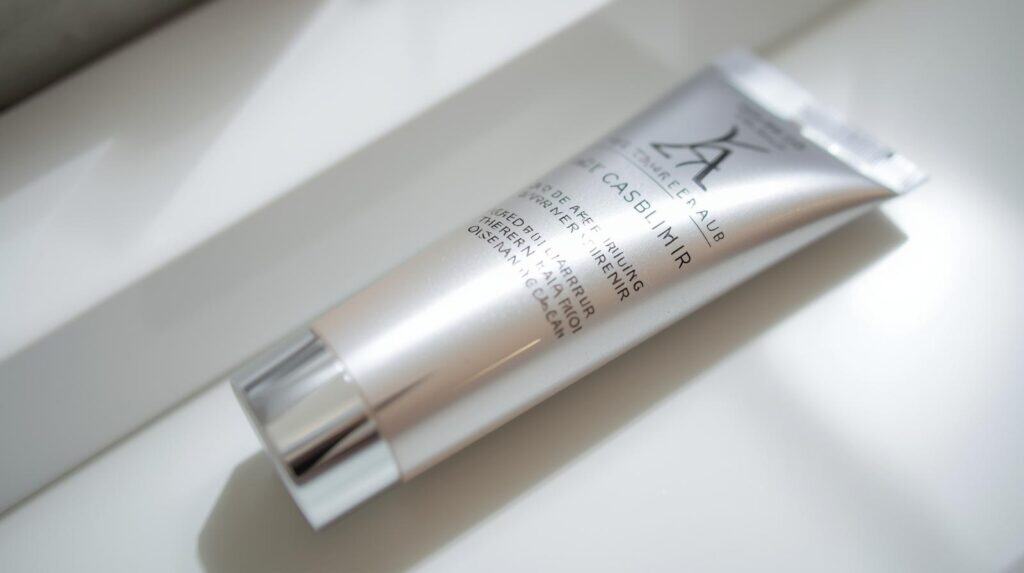
If your primer is genuinely moisturising and your skin feels comfortable with it, you may not need a separate moisturiser every time. Very dry skin will usually benefit from a dedicated moisturiser underneath.
Think of a hydrating primer as makeup prep that may also feel moisturising, not as an automatic replacement for a dedicated moisturiser.
Can You Wear Primer Daily?
You can wear primer daily if the formula suits your skin, feels comfortable, and is removed at the end of the day.
Pay more attention to the formula and your skin’s response than to brand prestige. If a primer consistently causes stinging, clogged pores, or breakouts, stop using it.
As a general rule, remove primer before bed just as you would other makeup.
Most primers are daytime cosmetics, not overnight skincare. If you want hydration while you sleep, use a moisturiser or overnight product formulated for that purpose instead.
Can You Wear Primer to Bed?
Primer is not automatically harmful, but sleeping in makeup can leave sweat, oil, and product residue on the skin overnight.
If a product is specifically designed and labelled as skincare as well as primer, follow its directions. Otherwise, cleanse before bed and switch to your usual moisturiser.
How to Use Primer Without Foundation
If you want to skip concealer and foundation, primer can still give the skin a more polished finish without adding traditional coverage or masking your natural skin.
Primers serve different purposes, so the best one to wear alone depends on what you want to change about the finish of your skin.
A primer can be hydrating, colour-correcting, mattifying, or radiant.
Choose your face primer based on both your skin type and the effect you want, such as less shine, more glow, smoother-looking pores, or extra hydration.
For instance, many silicone-rich primers create a smooth, slip-heavy surface that can visually blur pores and fine texture. They can work on oily, dry, or combination skin depending on the full formula.
Hydrating primers often contain humectants or emollients and may be water-based, silicone-based, or a combination of both.
They can give a more comfortable or radiant finish, which may be especially appealing on dry or dehydrated-looking skin.
If you are not into full coverage, wearing primer alone is a simple way to change your finish while still letting freckles, texture, and natural skin show through.
How to Apply Primer
Applying primer without foundation is simple because you do not need to worry about building coverage or matching a base shade.
You do not need special tools or advanced blending skills. Most primers look best when applied in a thin, even layer.
Applying primer is similar to applying moisturiser, but you usually need less product. A simple routine looks like this:
- First of all, apply moisturiser to freshly cleansed skin
Moisturiser supports skin comfort and hydration, while primer mainly changes how the surface looks and how makeup sits on top. You do not need both in every routine, but they serve different purposes.
- Wait for a few minutes, then apply your regular face primer.
After your moisturiser has had a little time to settle, you can begin priming your face.
Start where you need the primer most, often around the nose, centre of the forehead, or areas with visible pores or shine, then blend outward.
Apply a small amount of primer and spread it outward. Start with less than you think you need, then add a little more only where the skin needs extra smoothing, mattifying, or glow.
Keep the layer light. Too much primer can feel heavy, pill with skincare, or become more noticeable when there is no foundation on top to soften the finish.
- Give it some time to set, then proceed with your makeup routine.
Give your primer a moment to set. If you are wearing it alone, you can stop there or add concealer, blush, bronzer, powder, or any other makeup you want.
You can apply primer with clean fingers, a sponge, or a brush, depending on the texture and your preference.
Fingers work especially well for many primers because body warmth helps spread the product thinly. A sponge can be useful when you want a lighter layer.
Whichever tool you choose, use a light pressing or smoothing motion rather than piling on a thick coat.
For a visual demonstration, the Howcast video below shows how primer is spread over the face and discusses several common primer types.
Buyer’s Guide: The Best Makeup Primer
Every primer is made differently. You can find colour-correcting primers for visible redness or sallowness, hydrating primers for a dewier finish, mattifying primers for shine control, and blurring or illuminating formulas for smoothing and glow.
Primers are often discussed as water-based or silicone-based formulas, but many modern primers contain both water and silicones. It is more useful to look at the overall texture, finish, and ingredient list.
The terms can still be useful for describing texture, so here is what people usually mean when comparing them.
Water-based primer vs. Silicone-based primer
Silicone-rich primers tend to give the skin a smooth, soft, slip-heavy feel.
That smooth film can help makeup glide over texture more evenly and reduce the look of creasing in some areas.
Silicone-rich primers form a smooth film over the skin that can reduce friction and temporarily soften the look of texture. Whether the formula feels hydrating depends on its other ingredients.
Common silicones in primers include ingredients such as dimethicone, cyclopentasiloxane, and other names ending in -cone or -siloxane.
If water appears first on the ingredient list, that does not necessarily mean the primer is silicone-free. Check the full ingredient list if formula compatibility matters to you.
Water-heavy primers often feel lightweight, but they are not automatically more hydrating than silicone-rich formulas.
Some feel very fluid and fresh, while others still contain film-formers or powders that smooth the skin. Try different textures and judge them by how they wear on your skin and under your makeup.
The 3 Best Primers To Wear Alone (And Video Reviews!)
If you want a lighter makeup day, face primer alone can give you subtle smoothing, shine control, or glow without the coverage or colour correction of foundation.
The effect depends on the formula: some primers are hydrating and radiant, while others are matte or pore-blurring. These three options each create a different finish when worn alone.
1. Maybelline Baby Skin Instant Pore Eraser Primer
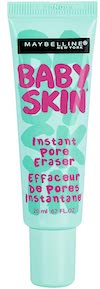
The Maybelline Instant Pore-Eraser Primer is designed to blur the appearance of pores and give the skin a smoother-looking surface.
This Maybelline primer is most useful if your main goal is a smoother-looking, more matte surface around visible pores.
It can soften the look of pores and leave the skin with a soft matte finish, though it does not physically change pore size.
The primer can be worn either under foundation or alone, depending on whether you want coverage on top.
Its smooth silicone texture makes it useful under makeup or on bare skin, but it should not automatically be treated as a substitute for moisturiser.
A thin layer can create a smoother-looking base for makeup, especially around areas where pores are more visible.
The finish is designed to look soft-focus and matte.
If you want an affordable silicone-rich primer with a very smooth, slip-heavy feel, this is a practical drugstore option to consider.
At the end of the day, remove your makeup and primer with your usual cleanser or a makeup remover such as Garnier Micellar Water.
It works as both a facial cleanser and makeup remover.
Choose the version that best suits your own skin, especially if you are sensitive to fragrance or cleansing ingredients.
Pros:
- Pore-blurring
- Natural, matte finish
- Can work across several skin types depending on preference
- Budget-friendly silicone-rich formula
- Very smooth, silicone-rich feel
- Non-comedogenic
- No traditional foundation coverage
Cons:
- Very slick texture may feel heavy on some skin types
Video Review:
If you are still deciding whether this formula suits you, the Nicole Guerriero review below begins at the section where she discusses the product.
2. Revlon Photoready Perfecting Primer
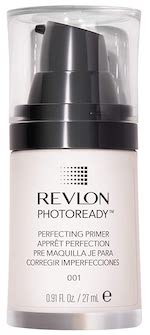
The Revlon PhotoReady Perfecting Primer is another option if you want a lightweight base with a softly brightening finish.
It is aimed at people who want a smoother, softly illuminated finish with or without foundation.
The primer has a lightweight texture that is easy to spread in a thin layer.
Its pink-tinted formula can add subtle brightness while visually softening the look of uneven texture.
It’s oil-free, fragrance-free, paraben-free, and talc-free.
The lightweight texture may suit a range of skin types, but wear time and comfort will vary depending on your skin and the makeup layered over it.
Start by applying it in the centre of your face, then blend outwards until the primer is invisible.
You can wear it both under foundation and on its own when you want brightness without adding foundation coverage.
Pros:
- Budget-friendly face primer
- Subtle brightening finish when worn alone
- Smooth base for makeup
Cons:
- May not suit every sensitive skin type
Video Review:
The video below from THE ACNE CHANNEL begins near the section where the Revlon primer is discussed.
3. e.l.f. Hydrating Face Primer
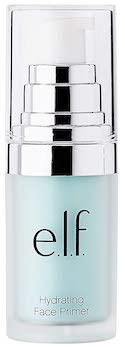
The third option is the e.l.f. Hydrating Face Primer, which is aimed at people who prefer a richer, more moisturised feel.
This primer is designed to create a smoother-feeling base for makeup while adding a more moisturised finish.
It includes grape-derived ingredients and vitamins E, C, and A and may appeal to people who want more slip and hydration before applying makeup.
Because the formula is richer than a typical mattifying primer, very oily skin may prefer a lighter option, while dry skin may appreciate the extra emollience.
Applied sparingly, the primer can make the skin feel smoother and more comfortable before makeup.
The brand markets this product as cruelty-free and free from several ingredients some shoppers prefer to avoid. Those claims may matter to your shopping preferences, but they do not determine whether the formula will suit your skin.
Pros:
- Affordable daily primer
- 100% vegan and cruelty-free
- It doesn’t contain phthalates, parabens, nonylphenol ethoxylates, triclosan, triclocarban, or hydroquinone.
- Hydrating, smoothing makeup base
- May suit dry skin that prefers a richer primer
Cons:
- Richer texture may feel too emollient for some oily skin types
Video Review:
If you have dry skin and want to see the texture and finish in use, the Diana Susma review below offers a closer look at the product.
Final Thoughts
Can you wear primer alone? Yes. Choose one based on the finish you want: radiant, matte, hydrating, colour-correcting, or pore-blurring.
If you are wearing primer without foundation, use a light layer, let it set, and judge it by how your skin looks and feels after a few hours rather than by marketing claims alone.
If you are deciding between formulas, focus on the finish, texture, ingredient list, and how the primer looks after several hours on your own skin.
Related Articles
The 5 Best Alternatives To Eyelash Glue