
How To Get Pink Lips With Toothpaste
If you want your lips to look smoother, healthier, and more naturally vibrant, it can be tempting to try quick DIY beauty hacks.
However, changing your natural lip color does not require piling on multiple products, and some household ingredients are better left out of your routine entirely.
Lip balms, tinted products, gentle exfoliation, and sun protection are usually safer and more predictable than harsh DIY treatments.
One popular hack is using toothpaste on the lips, but the temporary pinkness it can cause is usually a sign of irritation or increased surface blood flow rather than true brightening.
DIY lip scrubs can help remove loose flakes when used gently, but toothpaste is not formulated as a lip treatment and can dry, sting, or irritate the delicate skin.
How can you get pink lips with toothpaste?
Toothpaste is not a recommended way to get pink lips. Any temporary redness or “flush” is more likely to come from irritation, menthol, flavoring agents, or friction. For a healthier-looking lip tone, use a gentle lip balm, SPF, and mild exfoliation only when needed.
It may seem like an inexpensive beauty shortcut, but irritation can leave the lips drier, redder, or more uneven afterward.
If you have already tried toothpaste and your lips sting, burn, crack, or peel, rinse it off and switch to a simple fragrance-free balm.
There are safer ways to improve dryness, flaking, and dullness without intentionally irritating the lips.
Below, we explain why toothpaste can make lips look temporarily pink, why that effect is misleading, and what to use instead.
If your goal is a naturally healthy-looking lip color, focus on moisture, sun protection, and minimizing irritation rather than finding the strongest DIY recipe.
Why Toothpaste?
You may be wondering why toothpaste sometimes makes lips look pinker for a short time.
Toothpaste has appeared in many DIY beauty hacks, but that does not mean it is appropriate for facial skin or lips.
Some formulas contain menthol, peppermint flavoring, detergents, abrasives, or whitening ingredients that can sting or irritate delicate tissue.
That tingling sensation can feel similar to a plumping gloss, but irritation is not a skincare benefit.
Some lip-plumping products deliberately use ingredients that create temporary tingling, but they are formulated specifically for lip use.
Toothpaste is not designed with that same purpose or safety profile, so it should not be treated as a cheaper equivalent to a lip-plumping product.
Medical News Today notes that peppermint oil and menthol may temporarily affect blood flow and create a flushed appearance, but that does not mean toothpaste safely or permanently brightens the lips.
Any pinkness from that effect is likely to be temporary.
In other words, toothpaste may make the lips look redder or fuller briefly because of irritation or vasodilation, not because it improves pigmentation.
The effect is temporary and can come with dryness, burning, or peeling.
How To Make A Toothpaste Lip Mask
Rather than using toothpaste as a lip mask, it is safer to choose products formulated specifically for lips.
If you have already applied toothpaste, rinse it off promptly instead of intentionally leaving it on for 30 to 60 seconds to intensify the effect.
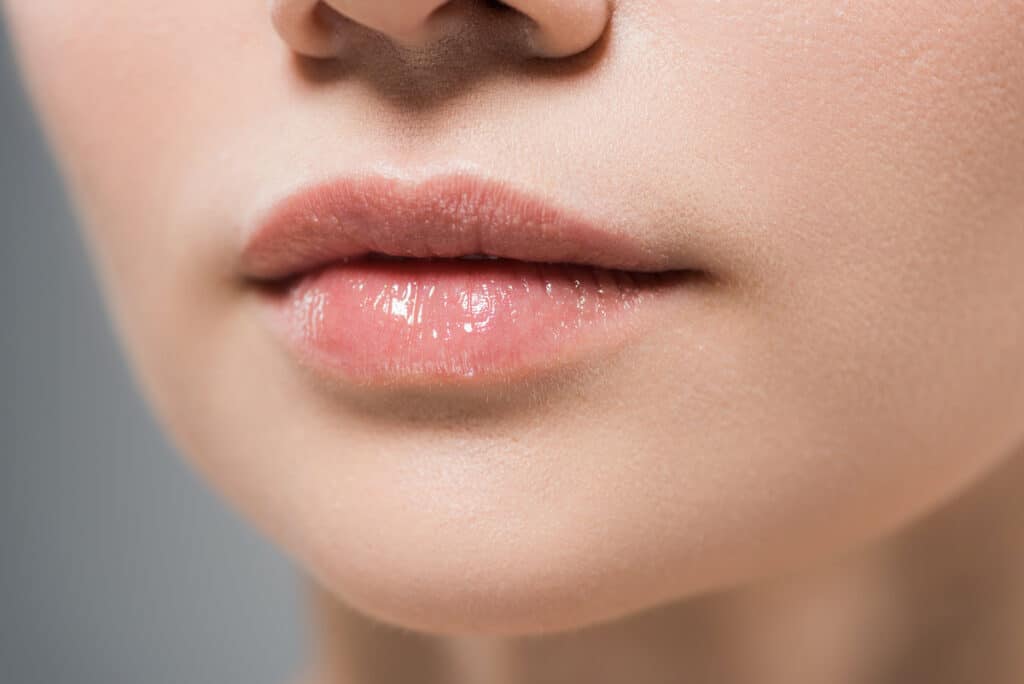
Toothpaste contains cleansing, flavoring, and abrasive ingredients that can dry or irritate the lips, especially if you are prone to chapping or sensitivity.
Using toothpaste alone or mixing it with other household ingredients does not turn it into a safer lip product.
Adding honey, sugar, oil, or petroleum jelly may change the texture, but it does not neutralize irritating toothpaste ingredients.
If your lips need exfoliation, hydration, or a smoother appearance, use a dedicated lip treatment designed for that purpose.
1. Toothpaste
The simplest advice is to skip toothpaste on the lips.
If you want a quick flushed look, a tinted balm, lip stain, or gloss gives you more control without relying on irritation.
If you accidentally get toothpaste on your lips while brushing, rinse it away rather than applying a pea-sized amount intentionally.
There is no evidence-based reason to leave toothpaste sitting on the lips for 30 to 60 seconds.
Follow with a bland lip balm if your lips feel dry after brushing or accidental contact.
2. Toothpaste And Honey
Honey can feel soothing and occlusive on dry skin, but mixing it with toothpaste does not make the toothpaste itself a recommended lip treatment.
Honey has a long history of use in skincare, but household honey is not a cure for cracked, infected, or inflamed lips.
If you like honey in a lip product, choose a formula made for the lips rather than mixing it with toothpaste.
There is no need to combine equal parts toothpaste and honey for hydration.
Avoid rubbing the mixture in with a toothbrush, which can add unnecessary friction and worsen irritation.
For dry lips, a simple balm or ointment is usually more predictable than a DIY toothpaste mixture.
Toothpaste does not provide a proven plumping benefit that outweighs the risk of irritation.
Toothpaste And Sugar
If your lips are dry or chapped, harsh exfoliation is more likely to make them sore than to improve their color.
Sugar can physically exfoliate loose flakes, but scrubbing too hard can cause micro-tears, irritation, or bleeding.
Lip scrubs are optional. Often, simply using a bland balm and allowing dry skin to shed naturally is gentler.
If you do exfoliate, use a product specifically formulated for lips and apply very light pressure.
A simple sugar-and-oil scrub can still be too abrasive for cracked or inflamed lips, so avoid it when the skin is already compromised.
Combining sugar with toothpaste adds both abrasion and potentially irritating toothpaste ingredients, so it is not a good choice for sensitive lips.
There is no ideal toothpaste-to-sugar ratio for lip care because the mixture is not recommended.
Do not scrub until the lips feel raw or noticeably tingly.
If you want more hydration, use a lip balm or a small amount of plain petroleum jelly instead.
Gentle application is enough. Avoid rubbing with a toothbrush or other abrasive tool.
3. Toothpaste And Petroleum Jelly
Petroleum jelly can be helpful for reducing moisture loss from dry lips, but it works best on its own or over a compatible lip moisturizer.
It can be especially useful in cold, dry, or windy weather.
Mixing petroleum jelly with toothpaste is unnecessary because the jelly does not cancel out toothpaste-related irritation.
Petroleum jelly is an effective occlusive that helps reduce water loss and protect the lips from friction and dry air.
It can leave a glossy finish and help cracked-feeling lips stay more comfortable while they recover.
For best results, apply petroleum jelly by itself to clean lips rather than mixing equal parts with toothpaste.
If toothpaste has already irritated your lips, rinse it off and use a bland ointment such as petroleum jelly until the area settles.
Additional Options
Avoid adding extra household ingredients to toothpaste in an attempt to treat lip discoloration.
Ingredients such as lemon juice can be especially irritating, while turmeric can stain the skin temporarily.
Neither ingredient is a reliable way to create evenly pink lips.
1. Lemon
Lemon juice is acidic and can sting, dry, or irritate the lips.
It should not be used as a DIY treatment for lip discoloration.
If pigmentation is persistent or changing, sun protection and a clinician-guided treatment plan are safer than lemon-based DIY recipes.
2. Turmeric
Turmeric contains plant compounds of interest in skincare, but household turmeric paste is not proven to even lip tone.
It can also leave a yellow stain that makes color changes harder to judge.
If you enjoy turmeric-based skincare, choose a properly formulated product and keep it away from cracked or irritated lips.
How To Use Toothpaste To Get Pink Lips
If you are wondering how to use toothpaste for pink lips, the safest answer is not to use it as a lip treatment.
There is no recommended “average” wear time because intentionally leaving toothpaste on the lips can increase dryness and irritation.
The same advice applies no matter which DIY recipe you were considering.
1. Honey & Petroleum
Adding honey or petroleum jelly does not make toothpaste safe to leave on the lips longer.
If your goal is hydration, use the honey-containing lip product or petroleum jelly without toothpaste.
Rinse off any toothpaste residue, then apply a bland lip balm or ointment if needed.
2. Toothpaste & Sugar
A sugar and toothpaste scrub combines two potential irritants: abrasive friction and toothpaste ingredients.
Do not massage it into the lips to deliberately increase redness.
Any redness produced this way is irritation, not a healthier or more even lip tone.
Use your fingers gently when applying lip products and avoid scrubbing with a toothbrush.
3. Toothpaste
If you want to keep things simple, skip toothpaste and use a lip balm or tint.
If toothpaste contacts your lips during brushing, rinse it away with water.
There is no need to wait 30 to 60 seconds before rinsing it off.
Keeping exposure brief is especially important if your lips are already dry, cracked, or sensitive.
Do not use a toothbrush to create more redness or “increase circulation.” Friction can irritate the lip surface.
Results
You should not expect toothpaste to leave you with a reliably pink, even pout.
Some people may see temporary redness, while others may experience dryness, burning, peeling, or no visible change at all.
If flaky skin is the issue, gentle moisturization often improves the appearance more safely than abrasive exfoliation.
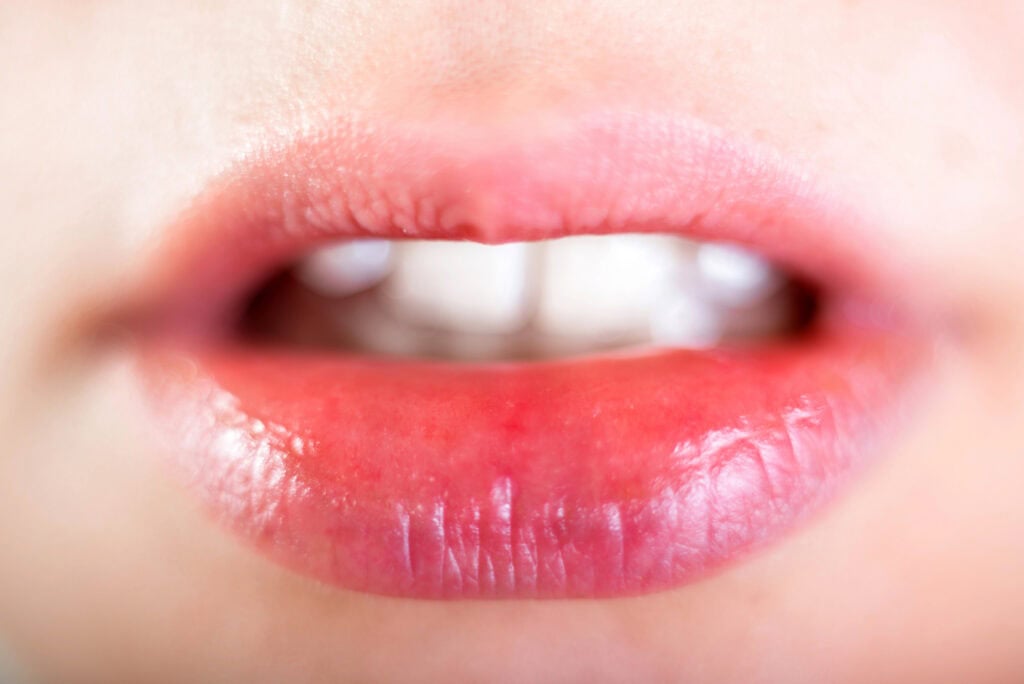
Results from toothpaste are unpredictable because the product is not designed for lip treatment.
Honey or a lip balm may make lips feel softer, but that does not validate toothpaste as part of the routine.
Toothpaste is not a reliable way to bring out pink tones, and repeated use may make the lips look worse if irritation develops.
After rinsing, a plain balm or gloss can improve comfort and appearance.
How Long Does It Last?
Any pinkness caused by toothpaste is likely to be brief and inconsistent.
The effect may come from temporary irritation or vasodilation rather than meaningful changes in lip pigmentation.
Menthol and peppermint flavoring can create a cooling or tingling sensation, but that does not guarantee a safe or attractive result.
There is no dependable timeframe such as “a few hours or a day.” Any redness may disappear quickly or be followed by dryness and irritation.
For a special event, use a tinted balm, stain, liner, or gloss instead of toothpaste.
Toothpaste is not a permanent treatment for lip color or pigmentation.
Because repeated use can irritate the lips, it is better not to make this a daily beauty habit.
Aftercare
If toothpaste has irritated your lips, focus on simple aftercare rather than trying another DIY recipe.
Avoid picking at flakes, scrubbing, or applying strongly flavored products while the lips are irritated.
Use a bland lip balm or ointment and protect the lips from sun exposure.
This gives the lip barrier time to recover without adding more potential irritants.
SPF Lip Balm
An SPF lip balm can help protect the lips from UV exposure, which can contribute to dryness and uneven pigmentation over time.
Do not combine harsh exfoliation with toothpaste in an attempt to intensify results.
If the lips are dry, use a moisturizing balm or ointment regularly instead.
Lips can burn in the sun, so regular SPF protection is useful regardless of whether you have tried a DIY treatment.
Stay Hydrated
Staying hydrated is important for general health, but drinking extra water will not directly make naturally darker lips turn pink.
Adequate fluid intake and regular moisturization can help lips feel more comfortable when dryness is part of the problem.
Healthy lips may look smoother and less dull, but natural lip color varies widely between people.
Implement Healthy Teeth Habits
Good oral hygiene supports dental and gum health, but it does not determine whether your lips are naturally pink.
Brush and floss according to standard dental guidance, using products that are comfortable for your mouth and surrounding skin.
Oral hygiene helps maintain healthy teeth and gums, but it is not a treatment for lip pigmentation.
Smoking can affect oral and skin health and may contribute to lip discoloration in some people.
If you want to improve overall lip appearance, avoiding smoking is more meaningful than trying to counter discoloration with toothpaste.
Toothpaste itself can also irritate the lip border in sensitive people, especially when left on the skin deliberately.
Precautions
What should you know before using toothpaste on the lips?
DIY beauty treatments can cause side effects, especially when the ingredient was not designed for that part of the body.
Toothpaste is formulated for cleaning teeth, not for use as a leave-on lip mask.
Because formulas differ, one person may tolerate brief contact while another develops irritation quickly.
Common toothpaste ingredients such as flavorings, detergents, abrasives, whitening agents, and menthol can irritate delicate lip skin.
Patch Test
A patch test is not a guarantee that toothpaste will be safe on the lips because lip tissue is more delicate than forearm skin.
If you are testing a dedicated lip product, patch testing may help. For toothpaste, the simpler option is to skip the DIY treatment.
No reaction on the arm does not guarantee that the lips will tolerate the product.
Side Effects
Possible side effects include redness, flaking, cracking, dryness, burning, swelling, and irritation.
Menthol, peppermint flavoring, detergents, and whitening ingredients can be especially uncomfortable on already cracked or sensitive lips.
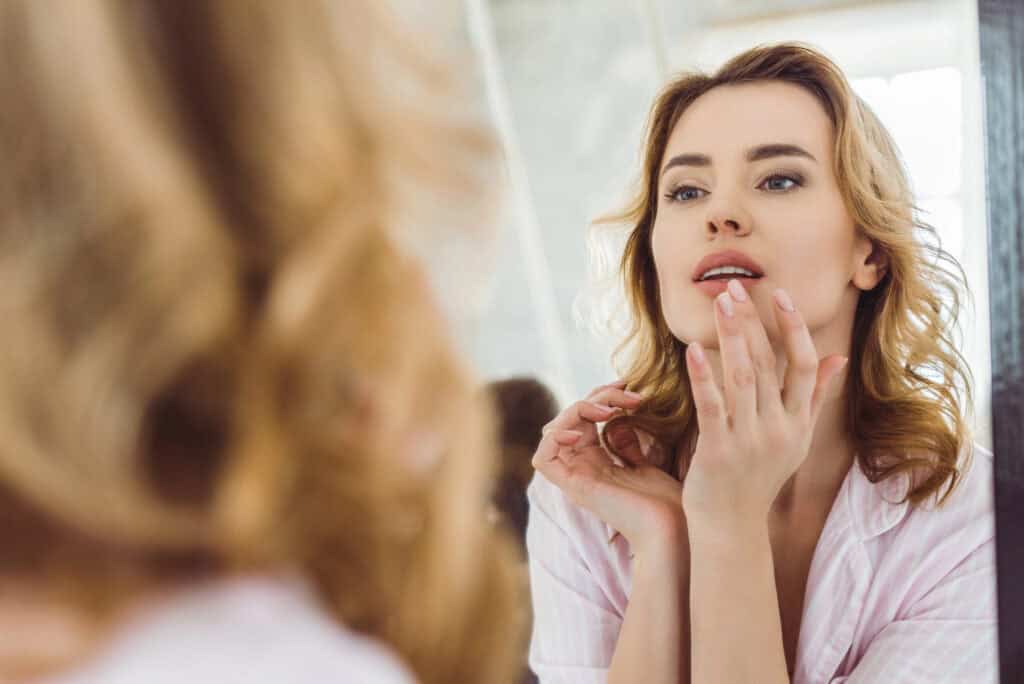
If itching, burning, swelling, or pain occurs after toothpaste contacts the lips, rinse it off immediately and stop using it.
Final Thoughts
You do not need toothpaste to make your lips look healthier or more vibrant.
Safer options include a tinted balm, lip stain, gentle moisturizer, and SPF lip product.
Natural lip color varies, and there is no need to force lips to become pink if that is not their natural tone.
If toothpaste makes the lips look pinker, the effect is temporary and may simply reflect irritation.
Follow with a plain lip balm or ointment if the lips feel dry.
Honey and petroleum jelly can be moisturizing in suitable formulations, while sugar exfoliation should be used sparingly and gently.
If your lips start burning or itching, rinse away the product immediately.
A patch test cannot make an unsuitable ingredient safe for the lips.
Watch for dryness, redness, flaking, cracking, swelling, or persistent discomfort.
Overall, toothpaste is better kept in your oral-care routine rather than used as a lip treatment.
For a quick pink effect, choose a tinted lip product rather than intentionally irritating the skin.
Toothpaste is affordable and accessible, but that does not make it an effective or appropriate cosmetic treatment for lip color.
If your lips are persistently discolored, cracked, painful, or changing in appearance, consider discussing it with a healthcare professional rather than relying on DIY brightening hacks.
Related Articles
Does Toothpaste Get Rid of Blackheads?
Eyeliner On Lower Lid Only (What To Do + What To Avoid)