Can I Dye My Hair With Dry Shampoo In It?
Dry shampoo can make oily roots look fresher between washes, but it also leaves absorbent powders and other formula ingredients behind on the hair and scalp.
How often you should wash depends on your scalp, hair texture, styling habits, and activity level. Daily washing is not automatically harmful if you use a gentle routine, and some oily or active scalps may benefit from more frequent cleansing.
That residue usually is not a problem in tiny amounts, but heavy dry-shampoo buildup can make a color service less predictable, especially when bleach or permanent color needs even contact at the roots.
Essentially, dry shampoo absorbs excess scalp oil while adding texture to your hair.
It is meant to be applied to dry roots, given time to absorb oil, then massaged or brushed through according to the product directions.
If you use dry shampoo frequently, residue can build up around the roots and scalp until it is removed with normal shampooing.
Can you dye your hair if it contains dry shampoo?
Yes, you can dye hair that has a small amount of dry shampoo in it. However, visible or heavy buildup is better washed out before coloring or bleaching because cleaner, product-light hair makes sectioning and saturation more predictable. Follow the prep directions for the exact dye or bleach system you are using.
This matters most for bleach, root touch-ups, and permanent color, where precise placement and even saturation are especially important. Color longevity still depends on the dye type, hair condition, application, and aftercare.
Below, we explain when dry shampoo residue is worth washing out, when freshly washed hair is not necessary, and how to use dry shampoo once your hair has been color-treated.
Quick Answer: Should You Wash Out Dry Shampoo Before Dyeing?
- Only a light amount of dry shampoo: color may still process normally, especially if there is no visible buildup and the product directions do not require freshly washed hair.
- Heavy, powdery, waxy, or layered buildup: wash it out before the color service so the stylist or dye can contact the hair more evenly.
- Bleach or precise root touch-up: cleaner, product-light roots are especially helpful because even placement matters.
- Direct or semi-permanent dye: follow that product’s instructions because some formulas perform best on freshly washed hair.
- Irritated or scratched scalp: postpone harsh chemical processing until the scalp is calm rather than trying to cover the irritation with oil or dry shampoo.
What Is Dry Shampoo?
Dry shampoo is a hair product that helps absorb scalp and root oils between washes.
It primarily absorbs excess oil at the roots and can make sweaty or greasy-looking hair appear fresher, but it does not actually wash away sweat, dirt, or scalp residue.
Dry shampoo can also add temporary texture and root volume while reducing the appearance of oiliness.
Dry shampoo is intended for dry hair and is left in between washes, but accumulated residue should still be removed with normal shampooing.
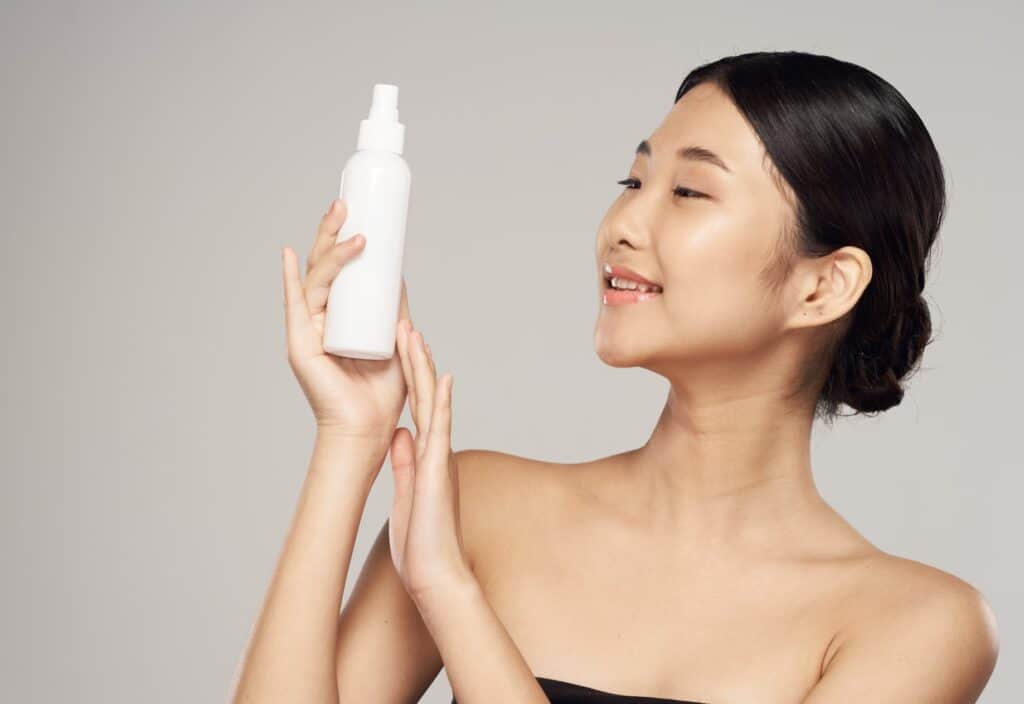
It is typically applied near the roots where oil is most visible. Avoid saturating the scalp unnecessarily, especially if you are prone to irritation or buildup.
Dry shampoos commonly use starches, silica, clays, or alcohol-based carriers to absorb oil and disperse the product. These ingredients reduce the look of grease but do not replace cleansing with shampoo and water.
Dry shampoo can make oily roots look fresher between washes and can add temporary volume and texture to fine or limp hair, but the effect is cosmetic rather than cleansing.
Can You Dye Your Hair With Dry Shampoo In It?
When you want to color your hair, the ideal starting condition depends on the exact product. Many permanent dyes and lighteners are used on dry, product-light hair, while some semi-permanent or direct dyes are specifically intended for freshly washed hair.
There is no universal rule that you must avoid dry shampoo for two full days. The practical goal is to arrive with minimal buildup and follow the color product or stylist’s prep instructions.
Visible or heavy product buildup is worth removing before applying dye or bleach because it can make saturation and sectioning less consistent.
A heavy coating of dry shampoo can interfere with even contact between the hair and color mixture, especially at the roots, but a light dusting does not automatically create a barrier that prevents dye from working.
Repeated dry-shampoo use can create enough buildup to make color application less even, particularly when residue is concentrated along the part, hairline, or root area.
Some dry shampoos include conditioning powders, oils, or wax-like ingredients that can leave a coating on the hair. Heavy residue may affect how evenly color spreads across the strand.
It is more accurate to say that heavy residue can interfere with consistent contact and saturation rather than completely preventing dye or bleach from entering the hair.
Uneven saturation can contribute to patchy or inconsistent color, especially with bleach or root touch-ups where precise application matters.
Dry-shampoo buildup can also make it harder to judge the true starting shade and texture of the roots before a color service.
If application is uneven, the final color may look lighter, darker, or patchier in certain areas depending on how much product reached the hair.
The bigger concern is usually buildup, uneven saturation, and scalp comfort rather than a predictable chemical reaction between ordinary dry shampoo and hair dye.
Bleach can damage hair on its own if it is overprocessed, and heavy residue can make application less controlled. Follow the bleach instructions carefully and avoid overlapping previously lightened areas unnecessarily.
If the scalp is already irritated from buildup, scratching, or another product, applying oxidative dye or bleach may sting more. Do not intentionally scratch or aggressively scrub the scalp immediately before a chemical service.
Should You Wash Your Hair Right Before Dyeing It?
There is no universal rule that hair must be freshly washed or deliberately dirty before every color service. The correct prep depends on whether you are using permanent color, bleach, a root touch-up, semi-permanent color, or a direct dye.
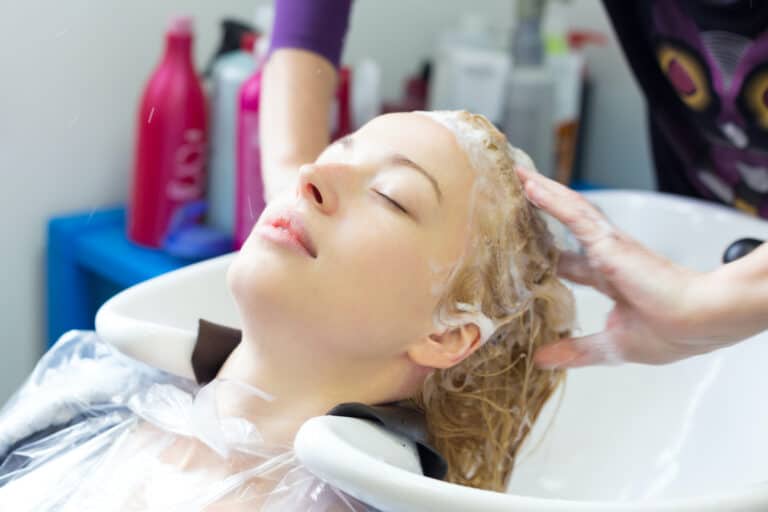
If you need to remove obvious dry-shampoo buildup, wash gently and avoid scratching the scalp. You usually do not need to scrub aggressively or intentionally leave several days of oil on the hair unless your stylist or product directions specifically ask for that preparation.
Best Methods For Dyeing Your Hair
For at-home hair dye, follow the timing in the manufacturer directions. For a salon color service, follow your stylist’s prep instructions rather than assuming every service requires washing 24 to 48 hours beforehand.
If you have used a lot of dry shampoo, wash away visible buildup before coloring unless the product or stylist gives different prep instructions.
Some stylists prefer hair that was not washed immediately before bleach or permanent color because a recently scrubbed or scratched scalp can feel more sensitive. That does not mean heavy oil, dry shampoo, or several days of buildup are needed for protection.
Many permanent dyes and lighteners are applied to dry hair, but some semi-permanent and direct dyes are used differently. Follow the directions for the exact product.
Before applying color, section the hair carefully into manageable smaller sections so you can saturate the intended hair more evenly.
If you are coloring your hair at home, make sure you have enough product for full saturation, especially with long, dense, or textured hair. Running out halfway through can create an uneven result.
Many at-home kits include basic accessories, but make sure you have the proper tools to apply dye or bleach precisely and enough product to complete the service without rushing.
A tint brush, suitable gloves, sectioning clips, and any applicator specified by the kit can make the process cleaner and more controlled.
Before applying hair color, detangle each section to ensure the color is applied evenly.
Application order depends on the service. Virgin all-over color, root touch-ups, bleach, and direct dyes can all require different placement. Do not automatically start at the roots unless the product instructions call for it.
After the hair dye is applied, process it for the exact time specified by the manufacturer or stylist.
Keep sections organized without tightly compressing the hair, especially if that would disturb even saturation or product placement.
It is also helpful to apply lotion or Vaseline to the hairline at the start of the application to help prevent the hair dye from staining the skin.
Once processing is complete, rinse and finish the hair according to the dye instructions. Color-safe shampoo and conditioner can be useful afterward if the formula recommends shampooing.
When To Use Dry Shampoo with Color-Treated Hair
If you have color-treated hair, you can still use dry shampoo between washes.
Before a fresh color application, reduce or skip dry shampoo if it leaves visible residue. You do not necessarily need a multi-day dry-shampoo break if the hair is clean and product-light.
Dry shampoo does not rinse color away the way shampooing with water can, but buildup, rubbing, and tinted powders can still affect how freshly colored hair looks or feels. Check the product label if your color is especially vivid or delicate.
There are many different types of dry shampoos to consider, and depending on your hair color, you can look for a product tinted to match.
Tinted dry shampoos work especially well for those with darker hair, as they help prevent the white cast that can sometimes appear with traditional dry shampoos.
Choose a dry shampoo based on your scalp oiliness, hair color, texture, sensitivity, and how much residue the formula leaves behind.
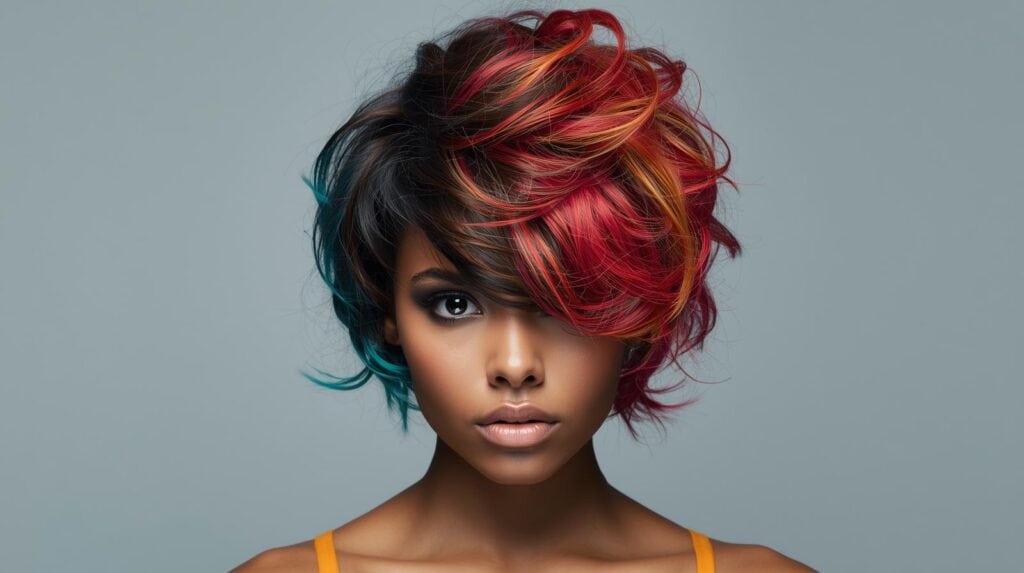
If you have textured or dry hair, use dry shampoo sparingly and focus it at oily roots. Dry shampoo is mainly oil-absorbing, so conditioner and leave-in products are better suited to adding softness to dry lengths.
When applying dry shampoo, section the hair and follow the product’s recommended spray distance rather than holding an aerosol directly against the scalp.
After applying dry shampoo, let it sit for the amount of time suggested on the label so the absorbent powders can take up excess oil.
After several minutes, you can massage the remaining product into your hair with your fingers or comb it through with a brush to evenly distribute it.
While dry shampoos can keep hair looking fresher between washes, they do not cleanse the scalp. Wash regularly enough for your scalp and styling routine to remove oil, sweat, and residue.
Dry Shampoo And Hair Dye FAQs
Will Dry Shampoo Stop Hair Dye From Working?
A small amount does not automatically stop dye from working. The bigger issue is heavy or uneven buildup, which can make saturation less consistent and complicate precise root application.
Can You Bleach Hair With Dry Shampoo In It?
It is better to remove obvious dry-shampoo buildup before bleaching because lightener needs careful, even placement. Follow the bleach manufacturer’s directions or your stylist’s preparation instructions.
How Long Before Coloring Should You Stop Using Dry Shampoo?
There is no universal 24- or 48-hour rule. What matters is whether the hair and roots are product-light enough for the planned color service. If buildup is visible, wash it out before the appointment or according to your stylist’s instructions.
Can You Use Dry Shampoo After Dyeing Your Hair?
Yes. Once the color service is complete, dry shampoo can be used between washes if your scalp tolerates it. Apply it mainly at oily roots and cleanse often enough to prevent repeated buildup.
Conclusion
Overall, dry shampoo is useful for making roots look fresher between washes, but it does not replace cleansing and should not be allowed to build up indefinitely.
Daily washing is not automatically harmful, but dry shampoo can be convenient if your scalp does not need to be cleansed every day.
Before a hair color treatment, the main issue is visible or heavy residue that could make sectioning, saturation, and assessment of the starting hair less consistent.
For the most predictable result, follow the dye or stylist’s prep directions and avoid obvious dry-shampoo buildup before coloring or bleaching.
Related Articles
Best Dry Shampoos For Sensitive Scalps
Best Dry Shampoos For Colored Hair