
11 Best Setting Powders For Acne Prone Skin
Setting powder can make a big difference when you are working around active breakouts, healing blemishes, texture, or excess shine. The right formula can help your base last longer and reduce unwanted shine, while too much powder can catch on dry patches and make raised spots look more noticeable.
For acne-prone skin, the goal is not simply to find the most mattifying powder. You want a formula that suits your skin type, sits well over blemishes, and does not encourage you to pile on heavy layers just to control shine.
What are the best setting powders for acne-prone skin?
Look for a lightweight powder that matches your skin type and preferred finish. A noncomedogenic label can be useful if you are prone to clogged pores, oil-absorbing formulas can help with shine, and tinted powders can visually soften redness or discoloration. Setting powder can improve the look and wear of makeup, but it does not treat acne unless it contains an approved acne active.
There is no single powder that works for every breakout-prone complexion. Oily skin may prefer targeted oil control, while dry or healing blemishes often look better with a lighter hand and a less aggressively matte finish.
Qualities Of The Best Setting Powders For Acne-Prone Skin
Before choosing a setting powder, think about where you get oily, where you get dry, how much coverage you wear, and whether your breakouts are raised, flaky, or mostly discoloration. Those details matter more than choosing a product simply because it is marketed for acne-prone skin.
Noncomedogenic
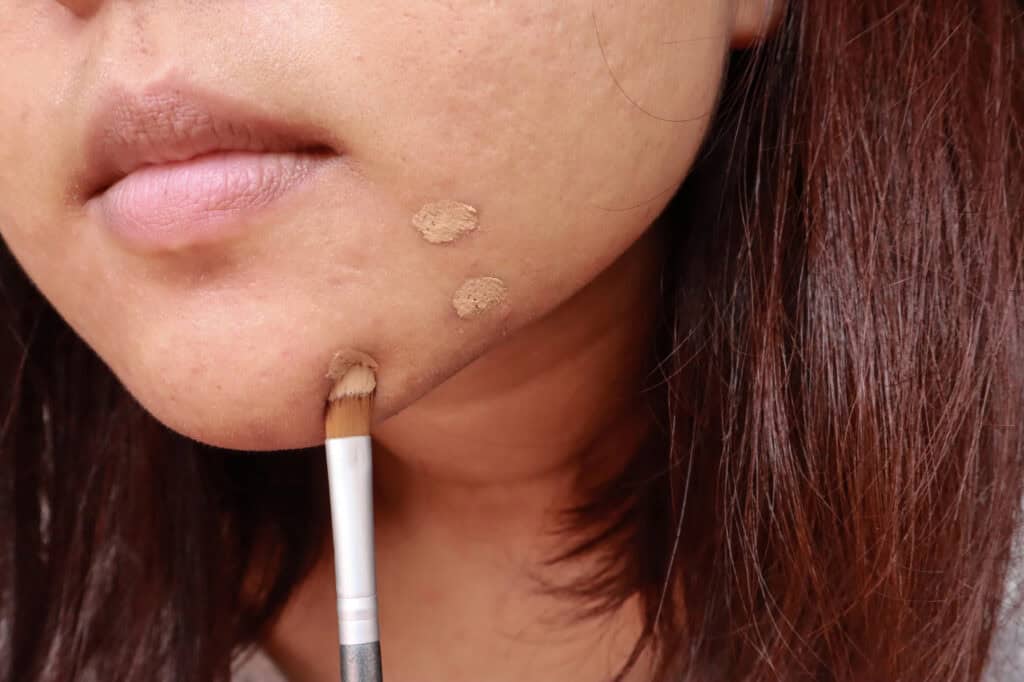
The term noncomedogenic is common on makeup and skincare labels, especially on products marketed to oily or breakout-prone skin.
Noncomedogenic generally means the product has been formulated with the goal of being less likely to clog pores. It is helpful language to look for, but testing standards and individual skin reactions can vary.
You’ll see this label on many products, but it does not guarantee that a formula will be irritation-free or suitable for every person.
For acne-prone skin, a noncomedogenic label can be a useful starting point, but it is not a guarantee. Your skin, the rest of your routine, how often you touch up, and how thoroughly you remove makeup at the end of the day all matter too.
Oil-Absorbing
You can have oily, dry, combination, or normal skin and still be acne-prone, so oil control should match your actual skin type rather than your acne alone.
If your skin gets shiny, a powder with oil-absorbing properties can help keep the finish looking fresher. If you are dry or flaky, however, too much mattifying powder can emphasize texture.
Acne is influenced by several factors, including oil production, clogged follicles, inflammation, and bacteria. Setting powder can manage visible shine, but it does not treat acne unless the product is specifically formulated with an approved acne-active ingredient.
Though oil-absorbing and mattifying are sometimes used interchangeably, there are minute differences you should be aware of.
Mattifying powders are designed to reduce visible shine and create a more matte finish. They can be useful through the T-zone, but a heavy layer over dry or healing blemishes can make texture stand out.
Oil-absorbing powders use ingredients that take up some surface oil, which can help makeup look less greasy as the day goes on. The terms “mattifying” and “oil-absorbing” often overlap in product marketing, so focus on the finish and how the formula behaves on your skin.
Color-Correcting
For some people, one of the most noticeable parts of a breakout is the red, pink, brown, purple, or blue-toned discoloration around the spot.
Depending on your skin tone and the color of the mark, a color corrector can reduce the amount of concealer or foundation you need.
When looking at a color wheel, you’ll see that red and green sit directly across from one another.
This means green pigment can visually neutralize red tones. A sheer green setting powder may help soften the look of redness, but the effect depends on your skin tone, the depth of the redness, and how much product you apply.
How To Apply Setting Powder Over Acne Without Looking Cakey
Application matters just as much as the formula. Acne-prone skin often has a mix of oiliness, raised texture, dry treatment patches, and healing spots, so covering the entire face with the same amount of powder can make the base look heavier than necessary.
- Let skincare and sunscreen settle first. Powder can clump if the products underneath are still very wet or tacky.
- Set only where you need it. Press a small amount through the T-zone or other shiny areas instead of automatically powdering every inch of the face.
- Use less over raised or flaky blemishes. Heavy powder can collect around texture and make healing spots look drier.
- Press rather than rub. A clean puff or soft brush can set the base without dragging concealer away from a spot you just covered.
- Keep tools clean. Wash reusable brushes and puffs regularly and avoid repeatedly touching active breakouts with a dirty applicator.
If you need a midday touch-up, blot obvious surface oil first and then add a thin layer of powder. Putting fresh powder directly over a very oily layer can create a thicker, patchier finish.
Best Setting Powders For Acne-Prone Skin
Below are several setting powders that may suit acne-prone skin, including options for oil control, color correction, touch-ups, and different finishes. If you know you react to a particular ingredient, check the current ingredient list before buying because cosmetic formulas can change.
| Rank | Product | Features | Where To Buy |
|---|---|---|---|
| 1 | THESAEM Saemmul Perfect Pore Pact | Sebum control, pressed pact, botanical extracts | See it on Amazon |
| 2 | ETUDE Zero Sebum Powder | 80% mineral ingredients, clean ingredients, sebum-controlling | See it on Amazon |
| 3 | NYX Mint Green Pressed Setting Powder | Photographs well, color-correcting, texture-reducing | See it on Amazon |
| 4 | CoverGirl Clean Matte Pressed Powder | Noncomedogenic, lightweight, comes in different finishes | See it on Amazon |
| 5 | Dermablend Loose Setting Powder | Good for all skin types, dermatologist-tested, noncomedogenic | See it on Amazon |
| 6 | Kokie Cosmetics Green Setting Powder | Loose powder, green tint, comes with powder puff | See it on Amazon |
| 7 | Clinique Redness Solutions Mineral Finishing Powder | Green-toned, neutralizes redness, fragrance-free, mineral base | See it on Amazon |
| 8 | Bellapierre Banana Setting Powder | Yellow tint, loose powder, talc-free, humidity-resistant | See it on Amazon |
| 9 | Jolie Invisible Pressed Oil Control Powder | Covers texture, blurring effect, oil control | See it on Amazon |
| 10 | Neutrogena Skin Clearing Mineral Powder | Prevents breakouts, microclear technology, different finishes | See it on Amazon |
| 11 | Revlon Colorstay Blot Face Powder | Great for oily skin, non-cakey, shielding from all aggressors | See it on Amazon |
1. THESAEM Saemmul Perfect Pore Pact

If your main problem is midday shine, a pressed powder is convenient because it is easy to apply precisely to the areas that need it without repowdering the whole face.
This pressed pact from THESAEM is aimed at controlling visible surface oil, which makes it most relevant for oily or combination skin that becomes shiny through the forehead, nose, or chin.
Because it is a pressed powder, it is easy to use for targeted touch-ups. Start with a thin layer over shiny areas and build only where needed so the finish does not become heavy over textured or healing spots.
The formula uses fine powder ingredients designed to absorb excess surface oil, so it makes the most sense if shine is your main concern. If you have flaky or healing spots, use less powder there and concentrate most of the product on smoother, oilier areas.
2. ETUDE Zero Sebum Powder
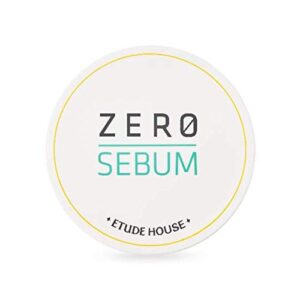
ETUDE is a Korean beauty brand with makeup and skincare products, and this powder is one of its options aimed at controlling visible shine.
This Zero Sebum Powder is a straightforward loose powder designed to help reduce the look of excess surface oil.
It’s a loose powder, but so finely milled that it sits extremely lightweight on the skin.
It also comes with a powder puff for easy application!
This powder can be used both immediately after skincare and as a setting powder for your makeup.
It can help reduce visible shine and set makeup, but it will not change how much oil your skin produces.
If avoiding certain ingredients matters to you, check the current packaging or ingredient list before buying, since cosmetic formulas and regional versions can change.
If vegan status matters to you, verify the current product claims for the exact version you are purchasing.
3. NYX Mint Green Pressed Setting Powder
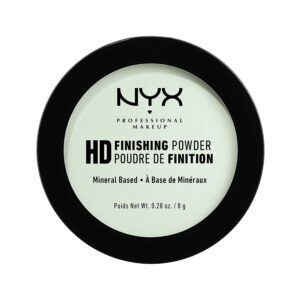
NYX offers a wide range of complexion products, and this option is useful when your main makeup concern is visible redness rather than oil control alone.
The pressed format is also easy to control, which helps when you only want a small amount of correcting pigment around blemishes.
This pressed setting powder is especially useful if redness is one of the main things you want your makeup to visually soften.
Its mint-green tint can visually neutralize red tones, including redness around blemishes. It does not treat irritation or acne itself.
Although the tint may look intimidating, it is designed to apply sheerly. Start with a light layer, especially on deeper skin tones, to avoid an ashy cast.
Its soft-focus finish can also make pores and uneven texture look less obvious, although any powder can emphasize dry or raised areas if too much is applied.
4. CoverGirl Clean Matte Pressed Powder
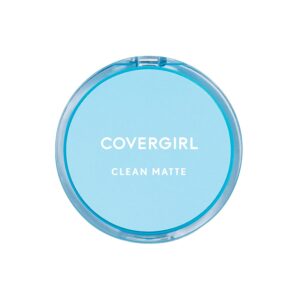
If you prefer a straightforward pressed powder for your makeup bag, this is one of the simpler options on the list.
This matte pressed powder from CoverGirl is a practical option if you want a portable powder for shine control and touch-ups.
The formula is marketed as oil-free, which may appeal to people who prefer oil-free complexion products. Check the current label if that claim is important to you.
An oil-free formula can feel appealing if you are shine-prone, although dry or flaky skin may still prefer a lighter application.
The powder has a mattifying finish and can help absorb surface oil as it appears, but it does not reduce your skin’s actual oil production.
For touch-ups, press a small amount onto shiny areas rather than layering heavily across the entire face, which helps reduce the risk of a cakey finish.
Because the powder has a skin-toned tint, it can add a little visible coverage compared with a completely translucent powder. It is still lighter coverage than a typical foundation.
CoverGirl also makes several face-powder formulas, so check the exact product label if you have sensitive skin or specific ingredient concerns.
One note on the link: shades and packaging can vary by listing, so make sure you select the shade and version you actually want before purchasing.
5. Dermablend Loose Setting Powder
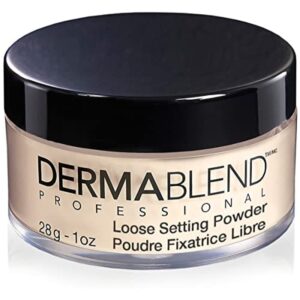
Dermablend is best known for complexion products designed to work with fuller-coverage makeup, and this loose powder is intended to help set that kind of base.
This loose setting powder is worth considering if you want to set concealer or foundation with a more polished matte finish.
A loose format also makes it easy to control the amount with a brush or puff, which is useful if you want heavier setting through oily areas and less powder over active blemishes.
The brand markets this type of powder for extended wear, but actual wear time will depend on your skin, climate, base products, and how much powder you apply.
This product comes in a variety of shades, which can be useful if you want a powder that blends more naturally with your complexion instead of relying on a single universal tone.
If you are specifically shopping for noncomedogenic makeup, confirm that claim on the current packaging for your shade and regional version.
Dermatologist-tested or allergy-tested claims can be useful context, but they do not guarantee that a product will never irritate your skin. Patch-test or discontinue use if you notice stinging, itching, or a new rash.
6. Kokie Cosmetics Green Setting Powder
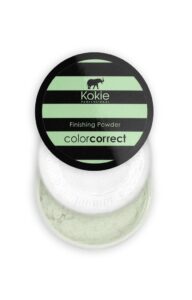
If redness is a major concern, including redness around blemishes or from rosacea, a tinted powder can help visually even the look of the skin.
This tinted setting powder from Kokie Cosmetics is aimed at people who want setting and color correction in one step.
Because it is a loose color-correcting powder, you can use a very light veil across broader areas of redness instead of spot-correcting every patch individually.
A powder corrector can feel easier to layer than a cream if you dislike the thickness of traditional color-correcting products.
The goal is to soften the appearance of redness while adding a matte, soft-focus finish. Keep the layer light over raised or flaky blemishes so texture is not emphasized.
It has a matte finish and can be worn over makeup or on bare skin when you want to tone down visible redness. It will not treat the underlying irritation.
7. Clinique Redness Solutions Mineral Finishing Powder

If redness still shows through after foundation or concealer, a sheer correcting powder can add another light layer of visual neutralization without much extra coverage.
This pressed mineral powder from Clinique has a green-toned tint designed to visually soften red areas. Because the correcting effect is sheer, it can work as a finishing step when you do not want another thick layer of concealer.
A fragrance-free powder may appeal to reactive skin, but rosacea and irritation can be sensitive to many triggers. Stop using the product if it causes burning, itching, or worsening redness.
This type of green-toned powder makes the most sense when your main makeup concern is visible redness rather than heavy oil control.
8. Bellapierre Banana Setting Powder

Breakouts and post-blemish marks can show up in different colors depending on your skin tone, inflammation, bruising, and post-inflammatory discoloration.
Green corrector is mainly used for red tones. A yellow or peach-toned powder may work better on some blue or purple areas, but the best correcting shade depends on your undertone and depth of skin.
This loose banana powder from Bellapierre has a soft yellow tint that can add warmth and brightness while setting the base. Use a small amount first, since yellow powders can look too warm or ashy on some complexions.
You can also use a banana powder for baking if that is part of your routine, although heavy baking may emphasize dryness or texture around healing blemishes and the under-eye area.
9. Jolie Invisible Pressed Oil Control Powder
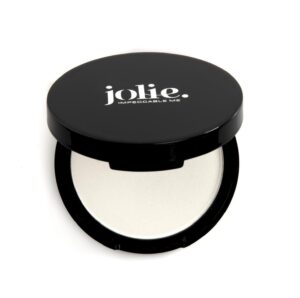
One challenge with powder on acne-prone skin is balancing makeup longevity with texture. Too much powder can make raised or dry areas look more obvious.
That is why a lightweight touch-up powder can be more useful than repeatedly adding thick layers throughout the day.
This pressed powder from Jolie is designed to reduce shine and give the skin a softer-focus look.
A lightweight, translucent powder can be useful for touch-ups because it adds less visible color than a tinted face powder. Apply sparingly over raised texture.
You can wear it on its own or over foundation. For acne-prone skin, press it onto shiny areas with a clean puff or brush instead of rubbing it over active spots.
10. Neutrogena Skin Clearing Mineral Powder
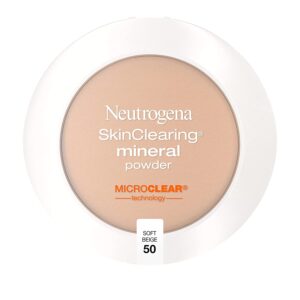
If you want a complexion powder that also includes an acne-focused active ingredient, this Neutrogena option is different from the purely cosmetic powders above.
It is especially relevant if you already know your skin tolerates salicylic acid and you want light complexion coverage in the same step.
This mineral powder comes in several shades and is positioned as a complexion product for people who want makeup coverage alongside an acne-focused active ingredient.
The formula is marketed with salicylic acid, an ingredient commonly used in acne products because it can help exfoliate inside pores. Follow the current label directions, especially if you already use other salicylic acid, retinoids, or exfoliating acids in your routine.
Neutrogena markets this acne-focused formula under its MicroClear technology branding. Treat it as makeup with an acne active rather than a substitute for a complete acne-treatment plan.
11. Revlon Colorstay Blot Face Powder
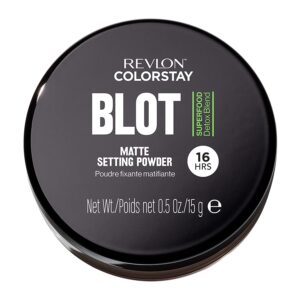
This face powder from Revlon is another portable option if your main goal is blotting shine and softening the look of pores or uneven texture during the day.
This powder is mattifying, oil-absorbing, and blurring, so it can reduce visible shine and soften the look of pores. Wear time will vary with your skin, climate, and base products.
Setting powder does not create a protective shield against bacteria or pollution, so its main job here is cosmetic: controlling shine and helping makeup stay in place.
The formula also includes several plant-derived ingredients. Their presence does not automatically make a powder gentler or more effective for acne-prone skin, so your own tolerance matters more than the “superfood” label.
Frequently Asked Questions
What should I look for in a setting powder for acne-prone skin?
Look for a lightweight powder that suits your skin type. A noncomedogenic label can be helpful if you clog easily, oil-absorbing ingredients are useful for shiny areas, and color-correcting pigments can visually soften redness or discoloration. None of these features guarantees that the powder will prevent breakouts.
What does noncomedogenic actually mean?
It means the product is formulated with the goal of being less likely to clog pores. It is a useful label for acne-prone skin, but it is not a guarantee that a product will never cause irritation or a breakout for you personally.
What is the difference between a mattifying powder and an oil-absorbing one?
The terms overlap. “Mattifying” describes the finish, while “oil-absorbing” describes how ingredients take up some surface oil. Many powders do both, and either type may need touch-ups depending on your skin and environment.
Why do green setting powders work on acne redness?
Red and green sit opposite one another on the color wheel, so green pigment can visually soften red tones. A sheer green powder may reduce the look of redness, but it will not make acne disappear or treat the breakout itself.
What color powder should I use on purple or blue breakouts?
Green is mainly used for red tones. Yellow, peach, orange, or other correcting shades may work better on blue or purple discoloration depending on your skin tone and undertone, so test a small amount before setting the whole area.
Related Articles