
How Often Should You Exfoliate Acne Prone Skin?
Managing acne-prone skin can take time, especially when breakouts respond differently to products, hormones, stress, and other factors.
Genetics, hormones, lifestyle, medications, and skincare can all influence acne, and triggers vary from person to person.
Exfoliation can be useful in an acne routine, but more exfoliation does not automatically mean clearer skin.
It can feel satisfying to remove surface buildup, but aggressive scrubbing can make already inflamed or sensitive skin feel worse.
Exfoliation is best used carefully and consistently, with frequency based on the product, your skin’s tolerance, and the rest of your routine.
Using exfoliants too often can irritate the skin barrier, increase dryness, and make stinging, redness, or sensitivity more noticeable.
So, how often should you exfoliate acne-prone skin, and which type of exfoliant makes the most sense?
You may be wondering, How often should you exfoliate acne-prone skin?
There is no single exfoliation schedule that works for everyone. A cautious starting point is often once a week, then increasing only if your skin stays comfortable. Some acne-prone skin may tolerate exfoliation two or three times weekly, while sensitive or irritated skin may need less.
Another important factor is the type and strength of exfoliant you use.
Exfoliants are generally divided into physical and chemical options, and they affect the skin differently.
When introducing a new acne or exfoliating product, add it gradually so you can judge how your skin responds before increasing frequency.
Balancing exfoliation with gentle cleansing, moisturizer, and daily sunscreen can also help support the skin barrier.
What Is Acne-Prone Skin?
Acne-prone skin can develop both inflammatory and non-inflammatory breakouts.
This may include whiteheads, blackheads, papules, pustules, nodules, or cysts. Acne can be influenced by factors such as hormones, genetics, oil production, clogged pores, and certain medications or products.
Treatment can range from over-the-counter products to prescription topical or oral medications, depending on the type and severity of acne.
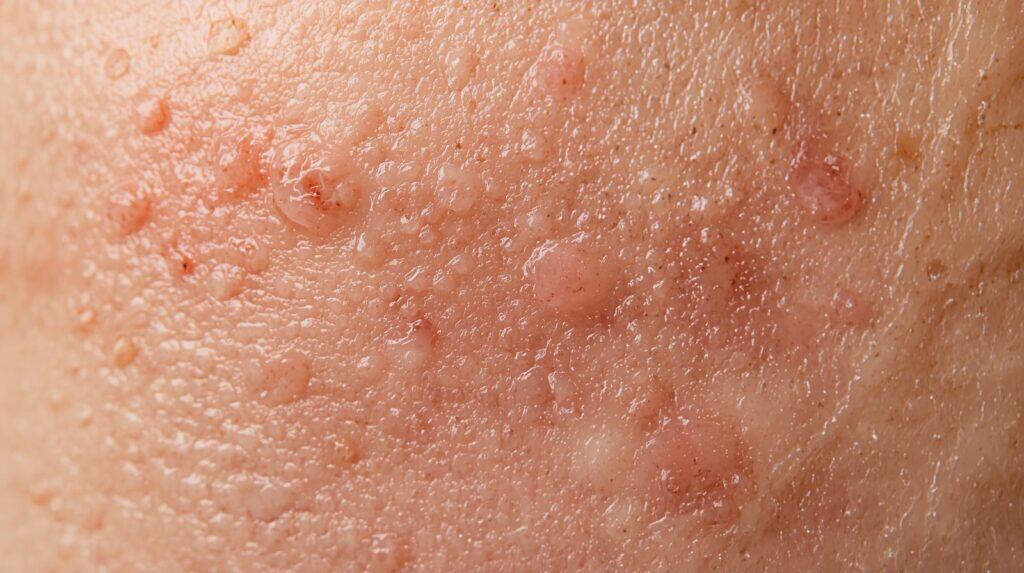
The most appropriate routine depends on the severity and type of acne, as well as how sensitive your skin is.
If acne is painful, scarring, persistent, or not improving with over-the-counter care, a dermatologist can help build a more targeted treatment plan.
Can All Skin Types Have Acne?
Acne can occur with any skin type. Oily skin is common with acne, but it is not the only pattern.
You can have dry skin and acne at the same time.
You may also be sensitive and acne-prone, which makes gentle product selection especially important.
Skin and acne patterns can change throughout life, including during puberty, pregnancy, menstrual changes, or changes in hormonal medication.
Why Should You Exfoliate The Skin?
Exfoliation is optional rather than essential. Some people benefit from it, while others do better with a simpler routine.
Certain exfoliating ingredients can help remove surface buildup, reduce clogged pores, and smooth uneven texture when used appropriately.
You can choose a mild exfoliant, such as this option from La Roche-Posay, although inflamed acne often responds better to gentle leave-on acne treatments than to frequent scrubbing.
Types Of Exfoliants
When many people think of exfoliation, they picture a face scrub that manually buffs away surface buildup.
However, there are two primary types of exfoliants, which include physical and chemical.
Physical exfoliants use friction to remove surface buildup, while chemical exfoliants use ingredients such as salicylic acid or glycolic acid.
Chemical
According to Healthline, chemical exfoliants use acids to help loosen and remove dead surface skin cells.
They come in different strengths and formulations, so how often you use them should depend on the specific product and your skin’s tolerance.
Salicylic acid is especially useful for acne-prone skin because it is oil-soluble and can work inside clogged pores. Glycolic acid is another exfoliating acid, while azelaic acid is an acne and pigmentation treatment that works differently and is not usually classified as a primary exfoliant.
Physical
Physical exfoliation removes surface buildup through manual friction.
This is the category where most typical face scrubs fall into.
They mainly affect the surface of the skin. Scrubs with rough particles or aggressive pressure can irritate inflamed acne, so gentler techniques are usually preferable.
Both physical and chemical exfoliants can cause irritation if they are too strong, used too often, or combined with other irritating products.
How Frequently Should You Exfoliate Acne-Prone Skin?
Some acne-prone skin can benefit from carefully chosen exfoliation, particularly when clogged pores are a concern.
However, how often should you exfoliate?
Healthline notes that some skin types may tolerate exfoliation two or three times a week, but tolerance varies.
For acne-prone skin, salicylic acid is often a practical option because it is oil-soluble and can help with clogged pores.
If you are sensitive or new to exfoliating acids, starting once weekly may be more comfortable. There is no need to increase frequency if your skin is already doing well.
Can You Exfoliate Too Much?
You can definitely over-exfoliate. Whether daily use is appropriate depends on the ingredient and formulation, but using multiple strong exfoliants every day can easily become irritating.
Your skin barrier needs enough time and support to remain comfortable between potentially irritating treatments.
Too much exfoliation can lead to dryness, burning, redness, peeling, or increased sensitivity.
Should You Exfoliate More If Acne Is Severe?
If you are dealing with severe, painful, cystic, or scarring acne, see a dermatologist rather than trying to compensate by exfoliating more often.
Treating acne is not one-size-fits-all, and receiving personalised care is crucial.
You may benefit from prescription acne treatment or a combination plan that targets the cause more directly than exfoliation alone.
If your skin is already inflamed or sore, increasing exfoliation can make it worse. Consider pausing potentially irritating actives and getting a professional opinion.
Signs Of Over-Exfoliation
How can you tell if you’ve over-exfoliated your skin?
You may notice various symptoms, including redness, inflammation, or tenderness.

This is more likely when several strong actives are used together or the routine does not include enough moisturizer and barrier support.
Flaky Skin
Peeling is not automatically a sign that an exfoliant is working well.
However, sometimes dry and flaky skin can be an adverse reaction.
If your skin becomes flaky, scale back irritating products and support the barrier with a gentle moisturizer containing ingredients such as ceramides.
Also, avoid picking or peeling off flaky skin as it could trigger other signs of irritation or hinder the skin from healing.
Increased Sebum Production
If your skin suddenly feels oilier than usual while also feeling tight or irritated, your routine may be too harsh.
Dryness and oiliness can occur at the same time, but excess oil is not a reliable sign that the skin is “compensating” for exfoliation.
If you notice this pattern, simplify the routine, reduce exfoliation, and focus on a gentle cleanser and moisturizer.
Redness
Persistent or worsening redness after exfoliating can be a sign that the product is too strong or being used too often.
Chemical exfoliants can irritate the skin when overused, and some exfoliating acids can also make sun protection especially important.
Redness can also signify other skin conditions like rosacea, psoriasis, or eczema.
Inflammation
Exfoliation should leave the skin feeling smoother, not persistently sore or inflamed.
However, if your skin looks inflamed, it may be wise to stop or limit how often you exfoliate.
Sometimes an exfoliant can be too harsh or have a high concentration.
Tenderness
Your face may feel tender, tight, or raw when an exfoliating routine is too aggressive. That is a sign to stop and give the skin barrier time to recover.
Some products may even sting upon application.
This can accompany other signs of over-exfoliation, like redness or inflammation.
How To Incorporate Exfoliation In Your Skincare Routine
So how can you properly and effectively exfoliate your acne-prone skin?
Remember that acne treatment takes time, and exfoliation is only one part of the routine. Consistency matters more than increasing frequency quickly.
Helpful habits include introducing one exfoliating product at a time, starting slowly, moisturizing consistently, and avoiding unnecessary overlap with other irritating actives.
You may also want to contact a dermatologist.
Exfoliate At Night
Many people prefer to use chemical exfoliants at night, although the correct timing depends on the product instructions.
Some exfoliating acids can make the skin more vulnerable to sun-related irritation or discoloration.
Regardless of when you exfoliate, daily SPF is important.
If you use your exfoliant at night, pair it with a gentle routine and use sunscreen the next morning.
Don’t Skip Moisturizer
Do not skip moisturizer simply because your skin is oily or acne-prone. A lightweight moisturizer can help reduce dryness and improve tolerance to acne treatments.
Moisturizers support the skin barrier and can reduce the tight, dry feeling that sometimes comes with exfoliating or acne treatments. Choose a texture that works for your skin type.
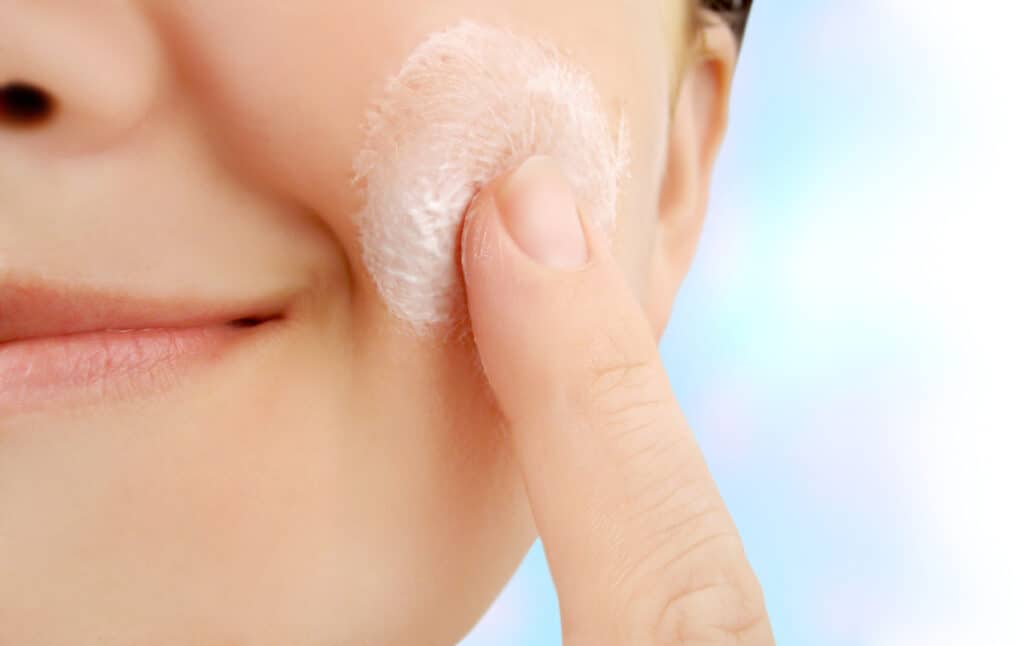
A moisturizer can help balance an active routine and keep the skin from becoming excessively dry or uncomfortable.
Invest In Barrier Repairing Products
You may also decide to focus on barrier-repairing ingredients.
Useful ingredients can include humectants such as glycerin to attract water and ceramides to support the skin barrier.
You do not necessarily need separate products for each ingredient. A simple moisturizer may already contain several barrier-supporting ingredients.
You can find these components in moisturizers and serums.
Wear SPF Every Morning
One thing that is recommended to use consistently in your skincare routine is SPF.
Sunscreen helps protect the skin from UV damage, which is especially important when your routine includes exfoliating acids or other potentially irritating actives.
It can also help prevent post-acne marks from becoming darker with sun exposure.
Use a broad-spectrum SPF 30 or higher daily and reapply according to the sunscreen directions, especially during prolonged outdoor exposure.
Acne and post-acne marks usually improve gradually, so give a well-tolerated routine enough time before judging it.
When To See A Dermatologist
Acne-prone skin can be challenging to treat. Consider seeing a dermatologist if your acne is persistent, painful, scarring, or affecting your confidence.
This is especially important for deep nodules, cysts, or acne that is leaving scars.
A dermatologist can prescribe proven acne treatments and help decide whether an exfoliating acid belongs in your routine at all.
Takeaway
Some acne-prone skin may tolerate exfoliation two or three times a week, but that should not be treated as a universal target.
A safer approach is to start slowly and increase only if your skin remains comfortable and the product directions allow it.
You can choose a physical or chemical exfoliant, although inflamed or sensitive acne often benefits from avoiding aggressive scrubbing.
Salicylic acid is a useful exfoliating ingredient for acne-prone skin because it can help clear clogged pores. Azelaic acid can also help acne and post-acne discoloration, but it works differently and is not primarily an exfoliant.
If you are unsure how an exfoliant fits with prescription acne treatments or other strong actives, check with a dermatologist. Patch testing a new product can also help you spot obvious irritation before using it more widely.
Exfoliating Acne-Prone Skin FAQs
Should You Exfoliate Active Pimples?
Avoid aggressively scrubbing inflamed pimples, cysts, or broken skin. If you use a chemical exfoliant for acne, apply it according to the product directions rather than rubbing individual blemishes harder.
Can You Use Salicylic Acid Every Day?
Some products are formulated for daily use, while stronger formulas may be better used less often. Start according to the label directions and reduce frequency if you develop persistent dryness, burning, peeling, or redness.
Can You Exfoliate While Using Retinoids?
Retinoids can already make the skin dry or sensitive, so adding exfoliating acids or scrubs may increase irritation. If you use a prescription retinoid or a strong over-the-counter retinol product, ask your dermatologist or follow the product guidance before combining it with additional exfoliation.
How Long Should You Stop Exfoliating If Your Skin Is Irritated?
Pause exfoliation until the skin no longer feels raw, tight, burning, or unusually sensitive. During that time, keep the routine simple with gentle cleansing, moisturizer, and sunscreen. If irritation is severe or does not improve, seek professional advice.
Related Articles
How Long After Glycolic Acid Can I Moisturize?