
9 Best Toners With Lactic Acid
If your skin looks dull, rough, or uneven, a lactic acid toner can be a practical way to add gentle chemical exfoliation to your routine.
The key is choosing a formula that matches your skin type, acid tolerance, and current routine rather than simply reaching for the highest percentage.
These toners use lactic acid, an alpha hydroxy acid that helps loosen dead surface cells and can gradually improve rough texture, dullness, and uneven-looking tone when your skin tolerates it well.
Modern toners vary widely. Some are mostly hydrating, while others act more like leave-on exfoliating treatments. A lactic acid toner can still cause dryness, stinging, or irritation if the formula is too strong or used too often.
So, what are the best toners with lactic acid?
The best lactic acid toner for you depends on the acid concentration, overall formula, frequency of use, and your skin’s tolerance. Helpful supporting ingredients can include humectants, ceramides, niacinamide, aloe, or other soothing ingredients.
Below, we break down what lactic acid actually does, how to compare concentrations and supporting ingredients, and which formulas may make sense for different routines.
What Exactly Does Lactic Acid Do?
Lactic acid is an alpha hydroxy acid used in skincare for chemical exfoliation. Commercial lactic acid can be produced through fermentation or other manufacturing processes, so the finished ingredient is not automatically dairy-derived.
If vegan sourcing matters to you, check the finished product or brand guidance rather than assuming the source from the ingredient name alone.
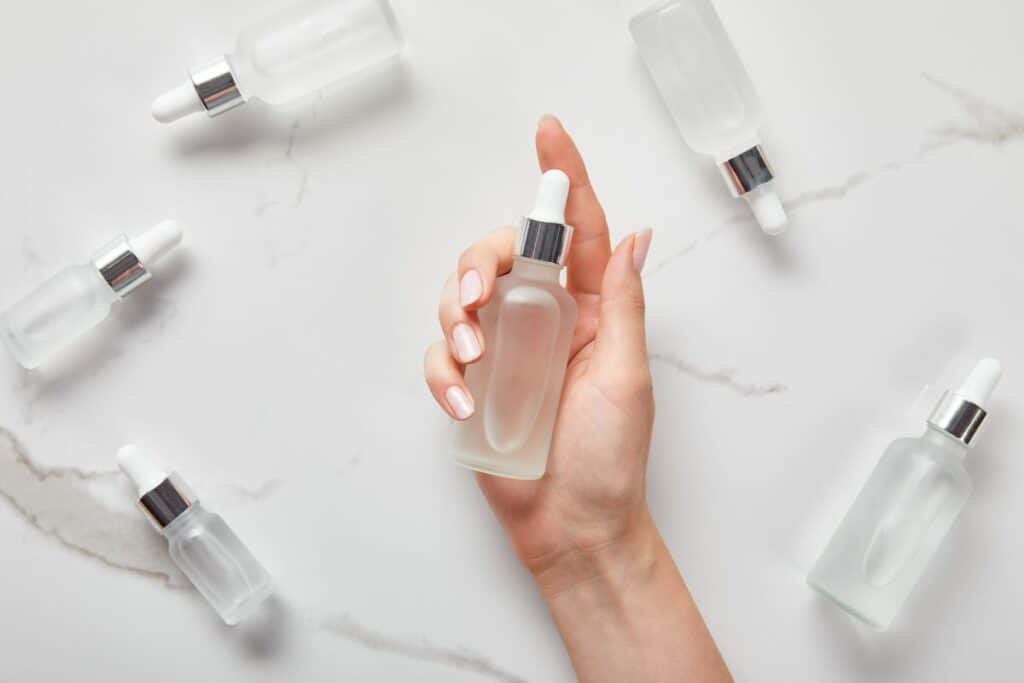
Regardless of its source, lactic acid can be an effective skincare ingredient when the concentration, pH, and frequency suit your skin.
It is a type of alpha hydroxy acid (AHA), which helps exfoliate by loosening bonds between dead surface skin cells. Unlike salicylic acid, lactic acid is not usually the first choice for exfoliating deep inside oily pores.
With consistent use, this can make skin feel smoother and may improve the appearance of dullness or superficial discoloration.
Unlike some exfoliating acids, lactic acid also has humectant properties, which is one reason it is often chosen for formulas aimed at exfoliating without leaving skin feeling overly stripped.
If stronger exfoliants have left you dry or uncomfortable, a lower-strength lactic acid formula may be easier to work with, although it can still irritate sensitive or compromised skin.
Research on appropriately formulated leave-on AHAs suggests they can improve some visible signs of photoaging over time, but they should not be described as literally reversing ageing or sagging.
In practical terms, lactic acid may help skin look smoother, brighter, and more even, while some formulas can also support hydration.
What’s Not To Love?
Lactic acid is often added to various skincare products, from creams to serums and everything in between.
A toner can be a convenient format because it spreads easily over the face, but the word toner does not tell you how gentle the formula is. Because lactic acid is an AHA, it can still irritate sensitive skin.
Using lactic acid in a toner does not automatically make it gentler. Some toners are mild, while others contain fairly high acid concentrations, so check the formula rather than the product category alone.
Lactic acid toners can still irritate the skin, especially if you combine them with other exfoliants or use them more often than your skin can tolerate.
Who Is A Lactic Acid Toner Best For?
A lactic acid toner is most useful when your main goals are smoother texture, less visible flaking, brighter-looking skin, or gradual improvement in superficial discoloration.
It may be less appropriate when your skin is already burning, peeling, sunburned, freshly shaved, or irritated from another active product. In those situations, focus on gentle cleansing, moisturising, and barrier recovery before adding exfoliation.
If you are mainly dealing with blackheads or oily clogged pores, a salicylic acid product may be a more targeted choice. If you want both, introduce one exfoliant first instead of starting several acids at once.
Buyer’s Guide
When looking for a toner with lactic acid, be aware of a few factors that can affect how well the product works for your skin.
Dosage
Different toners use different concentrations of lactic acid. When the percentage is disclosed, use it as one clue alongside pH, supporting ingredients, and the brand's directions.
For example, a leave-on formula around 10% to 12% lactic acid is relatively strong and usually makes more sense for experienced acid users than for someone starting an exfoliating routine.
A stronger lactic acid product may produce more noticeable exfoliation, but concentration alone does not guarantee firmer skin or complete fading of age spots.
Around 5% lactic acid is a common middle ground in leave-on products, but irritation is still possible depending on pH, frequency, the rest of the formula, and your skin barrier.
If you have very sensitive skin, a lower-strength formula may be easier to tolerate, but even low percentages can sting compromised or reactive skin.
For beginners, it is usually more sensible to start with a lower-strength product and increase frequency only if your skin remains comfortable.
pH Balance
The skin surface is naturally mildly acidic, commonly sitting somewhere around the mid-4s to mid-5s rather than at one exact number for everyone.
The skin surface is mildly acidic, but that is not the sole reason lactic acid and other AHAs work as exfoliants.
Acid products are intentionally formulated at a lower pH so the exfoliating acid can function, but lower pH can also increase sting and irritation. More acidic is not automatically better.
Lactic acid toners can vary widely in pH and acid strength, so two products with similar percentages may still feel very different on the skin.
There is no universal rule that every lactic acid toner must have a pH of 3.5 or higher. Effectiveness and irritation depend on both pH and acid concentration, so follow the brand’s directions rather than judging safety from pH alone.
Soothing Ingredients
Most toners contain much more than the headline acid.
Pay attention to the full ingredient list, especially if your skin is dry or reactive.
Because lactic acid is a chemical exfoliant, ingredients such as glycerin, panthenol, ceramides, hyaluronic acid, or niacinamide can add hydration or barrier support. Botanical extracts can be helpful in some formulas, but they are not automatically soothing for sensitive skin.
If clogged pores or acne are your main concern, remember that salicylic acid is oil-soluble and is often a more targeted exfoliant for inside pores. You do not need to stack several acids in the same routine to get results.
Best Toners With Lactic Acid
| Rank | Product | Key Features |
|---|---|---|
| 1. | Clarity Rx Brighten It 10% Lactic Acid Solution | Pure lactic acid and water, pharmaceutical |
| 2. | REN Clean Skincare Glow Tonic | Gentle, hydrating, good for sensitive skin |
| 3. | PCA Skin Nutrient Toner | Antioxidants, softening and brightening |
| 4. | Youth To The People + 11% AHA Exfoliation Power Toner | Citrus bioflavanoids, cruelty-free |
| 5. | Gallinée Face Vinegar | Prebiotics, pH balancing, restoring |
| 6. | Pestle and Mortar NMF Lactic Acid Facial Toner | Ideal for sensitive skin, radiant complexion |
| 7. | Lactic Rescue Toner | Great for acne-prone skin, witch hazel |
| 8. | Herbloom Kombucha Plant Biome Toner | Triple hyaluronic acid, kombucha, probiotics |
| 9. | Moon Juice Acid Potion | Glycolic and salicylic acid, citrus, daily use |
1. Clarity Rx Brighten It 10% Lactic Acid Solution
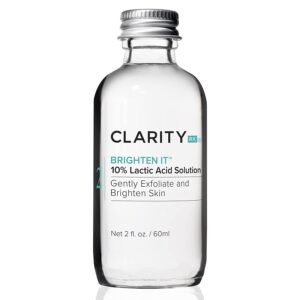
While not technically a toner, this 10% lactic acid solution fits the same leave-on exfoliation role for readers who prefer a simple treatment step.
Its 10% lactic acid concentration puts it toward the stronger end of this roundup.
It makes more sense for people who already know their skin tolerates leave-on acids than for complete beginners.
If your skin is reactive, actively irritated, or dealing with a compromised barrier, a lower-strength or non-exfoliating toner is the safer place to start.
The appeal here is the straightforward, treatment-focused approach. Even a short ingredient list can be irritating when the acid strength is high, so simplicity should not be confused with gentleness.
Reviews often mention smoother texture and a brighter-looking complexion, but dark spots typically fade gradually and may need additional targeted care.
The product is marketed as a high-strength lactic acid solution. Regardless of marketing terms such as “pharmaceutical-grade,” treat it as a potent leave-on exfoliant and follow the directions carefully.
A short ingredient list can make the formula easier to understand, but a simple formula can still be irritating if the acid strength is too high for your skin.
2. REN Clean Skincare Glow Tonic
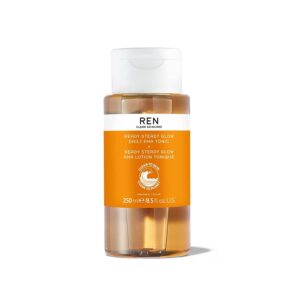
If you want a lower-strength exfoliating toner, this is one option to consider, but sensitive skin may still need less-than-daily use.
The REN Clean Skincare Glow Tonic combines the power of three brightening ingredients in small concentrations:
4% lactic acid, salicin, and an azelaic acid precursor.
Together, these ingredients are intended to support exfoliation and a more even-looking tone, although visible fading of dark marks takes time.
It is marketed for regular use, but no acid toner can guarantee irritation-free daily use for everyone.
The formula also includes hydrating ingredients, which may make it more comfortable for some dry skin types than a very basic acid solution.
With a lower acid percentage than several options here, this may be a more approachable starting point for some users. Sensitive skin can still react, so introduce it gradually rather than assuming it will be irritation-free.
3. PCA Skin Nutrient Toner
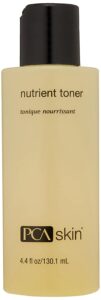
The PCA Skin Nutrient Toner takes a different approach from the high-strength acid formulas in this list.
Its formula centers on pumpkin-derived ingredients, vitamins, and antioxidant support.
The result is a toner aimed at light exfoliation and a refreshed skin feel rather than aggressive resurfacing.
It has a pumpkin-derived formula and provides gentle exfoliation, which may leave the skin looking smoother and more refreshed.
This can be a useful option for mature skin that tolerates exfoliation, particularly if rough texture or dullness is a concern.
For people who tolerate the formula well, that combination may leave the skin feeling softer and smoother after use.
Some reviewers report a smoother-looking surface and more glow, which can temporarily make fine lines appear less noticeable.
The antioxidants and vitamins provide topical support, while the lactic acid works mainly at the skin surface to exfoliate.
If you are considering it, focus on the formula and your skin’s tolerance rather than assuming a product will work the same way for everyone.
If fine surface texture and dullness are concerns, this is one option to compare, but it should not be treated as a wrinkle treatment.
4. Youth To The People + 11% AHA Exfoliation Power Toner
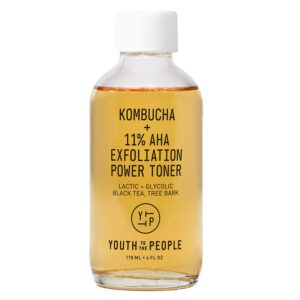
This power toner combines 8% lactic acid and 3% glycolic acid with black tea kombucha, creating a relatively strong multi-acid formula.
Because this formula combines multiple exfoliating acids, start less often and increase only if your skin tolerates it. The ideal frequency varies by person.
In addition to its exfoliating acids, this toner contains citrus bioflavonoids, which are included mainly for antioxidant support.
The goal is smoother texture and a brighter-looking complexion. Pores can appear less noticeable, but skincare does not permanently shrink their physical size.
This is a better fit for skin that already tolerates exfoliating acids than for reactive or easily irritated skin. If cruelty-free status or ingredient exclusions matter to you, verify the current brand policy before buying.
If ingredient exclusions matter to you, check the current product label and brand policy. Terms such as “harmful ingredients” are too broad to describe entire ingredient categories accurately.
5. Gallinée Face Vinegar
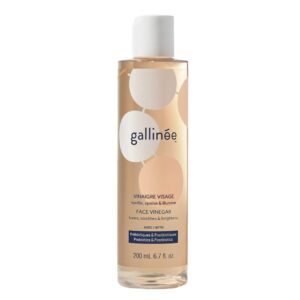
Don’t let the name fool you, this product is so much more than vinegar.
A blend of lactic acid, hibiscus, and apple cider vinegar, this toner is designed to exfoliate lightly and support the skin with prebiotic ingredients.
People with oily skin may like its lightweight feel, but it should not be assumed to reduce sebum production for everyone.
The lactic acid can help smooth the skin surface and may gradually improve the appearance of post-blemish marks, but it cannot erase true scars or permanently shrink pores.
The formula is positioned around microbiome-friendly skincare, but “healing the microbiome” is too strong a claim for a cosmetic toner.
This may appeal to oily or breakout-prone skin that tolerates mild acids, but the presence of lactic acid and vinegar means sensitive skin should still introduce it cautiously.
6. Pestle and Mortar NMF Lactic Acid Facial Toner
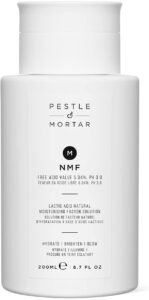
Pestle and Mortar’s toner sits around the middle of the strength range in this roundup.
This product features 5.34% lactic acid and a pH of 3.8. That may be moderate for an experienced acid user, but sensitive skin may still need gradual introduction rather than daily use.
User reviews often mention a smoother, brighter-looking finish, but no acid toner can be expected to work equally well across every skin type.
Like other lactic acid toners, it is intended to exfoliate dead surface cells and may gradually improve the appearance of dullness, uneven tone, and fine surface texture.
NMF stands for natural moisturising factor, which naturally occurs on the skin to keep it hydrated and protected.
Natural moisturizing factors can change with age and skin condition, and formulas with humectants or barrier-supporting ingredients may help reduce dryness.
Age alone does not determine whether this toner is appropriate. It may suit adults who want mild exfoliation and hydration support, provided their skin tolerates acids.
7. Lactic Rescue Toner
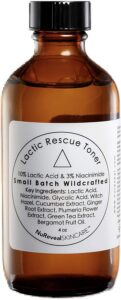
This toner is marketed as being made in small batches and combines multiple exfoliating and botanical ingredients.
It has many positive user reviews, but its relatively strong acid blend still deserves a cautious introduction.
Crafted with 10% lactic acid, niacinamide, glycolic acid, and a blend of botanicals.
This toner may appeal to some acne-prone skin types, but strong AHAs and essential oils can also irritate reactive or inflamed skin.
The formula also includes witch hazel, cucumber, aloe vera, ginger, green tea, orchid, and bergamot. Some of these may feel soothing, while fragrant essential-oil components such as bergamot can be irritating for some skin types.
Because of its high acid concentration, this is not a natural first choice for sensitive skin. Added botanicals do not guarantee that they will offset irritation from the exfoliating acids.
If you prefer formulas that combine acids with botanical extracts, this is one option to compare, but the acid strength should remain the main consideration.
8. Herbloom Kombucha Plant Biome Toner
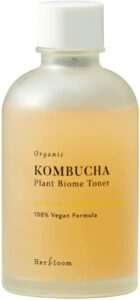
If hydration is a priority alongside mild exfoliation, the Herbloom Kombucha blend is one of the more hydration-focused options in this list.
It combines multiple forms of hyaluronic acid with lactic acid, pairing humectant support with surface exfoliation.
That can make the overall routine feel less one-dimensional than using a basic acid solution alone.
The toner is marketed as containing a high percentage of green tea kombucha, which contributes fermented and antioxidant-rich components to the formula.
Fermented ingredients and hyaluronic acid may support hydration, while lactic acid provides exfoliation. Claims about directly strengthening the skin microbiome are harder to establish from a cosmetic toner alone.
Like other AHA toners, its main role is to exfoliate dead surface cells and support a smoother, more even-looking complexion over time.
Fruit and floral extracts may feel soothing for some users, but sensitive skin can still react to botanical ingredients or acids, so irritation is still possible.
Dry skin may appreciate the hydrating ingredients, but sensitive skin should still patch test and introduce the toner gradually because the formula contains both acids and botanical extracts.
9. Moon Juice Acid Potion
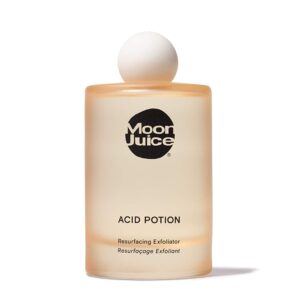
This powerful toner combines several exfoliating acids, including glycolic, phytic, lactic, salicylic, and citric, at a total concentration of 25%.
This is one of the stronger exfoliating options in the roundup and is better suited to experienced acid users than beginners.
User reviews often mention concerns such as clogged pores, breakouts, and dark marks, but individual results vary considerably.
Some users report smoother, brighter-looking skin, but no exfoliating toner should be treated as a miracle treatment for acne or pigmentation.
Because the total acid concentration is high, the full acid blend matters more than the 5% lactic acid figure alone. This is not a formula to assume is appropriate for daily use.
This may suit experienced users who want strong exfoliation and are targeting rough texture, clogged pores, or uneven tone.
The glycolic acid contributes additional surface exfoliation, while salicylic acid can be more relevant to clogged pores because it is oil-soluble.
Tips For Using Lactic Acid Toners
Regardless of which toner you choose, a simple routine and gradual introduction usually matter more than trying to use the product as often as possible.
Unless the product directions say otherwise, apply an exfoliating toner after cleansing and before moisturiser. Using it on dry skin can make it easier to judge how much product you are applying.
You do not need to wait a fixed number of minutes before the next step. Once the toner has absorbed, follow with a simple moisturiser. When you are new to acids, avoid layering the same routine with another strong exfoliant, a gritty scrub, or a retinoid until you know how your skin responds.
- Avoid unnecessary sun exposure and use broad-spectrum sunscreen on exposed skin
- Patch test a new acid product before using it across your face, especially if your skin is reactive or you have not used that strength before
- Many people prefer exfoliating acids at night, but whenever you use them, apply broad-spectrum sunscreen during the day
- First-time users should start gradually, often once or twice a week, then increase only if the skin remains comfortable.
- Mild brief tingling can happen, but burning, strong stinging, or persistent redness is a sign to rinse and stop using the product
- If redness or irritation persists, stop using the product until your skin recovers rather than simply pushing through at a lower frequency
- Daily use is not required for good results; use the lowest frequency that gives you benefits without irritation
There are plenty of lactic acid toners at different strengths, but the strongest formula is rarely the smartest default. A product you can use consistently without irritation is more useful than one that leaves your skin repeatedly red or peeling.
If your goals include smoother texture, brighter-looking skin, and gradual improvement in superficial discoloration, a well-tolerated lactic acid toner can be useful. Start slowly, moisturise afterward, and use broad-spectrum sunscreen during the day.
Related Articles
Shampoo To Get Rid of Grey Hair – Does It Exist?
Best Shampoo Bars For Colour-Treated Hair