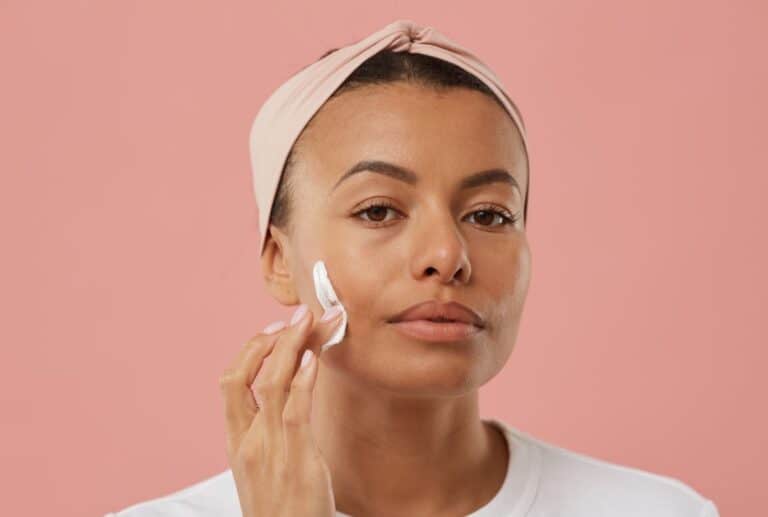

9 Best Occlusive Moisturizers
If your skin still feels tight soon after moisturising, a formula that reduces water loss from the surface may help. That’s where an occlusive moisturiser can be useful.
You’ll often see three terms on skincare guides: occlusive, emollient, and humectant. These describe ingredient functions, not three completely separate kinds of moisturiser.
Humectants attract and hold water, emollients soften roughness, and occlusives slow transepidermal water loss. Many creams combine all three functions, and some ingredients contribute to more than one.
For dry or flaky skin, that combination can be more useful than simply choosing the thickest or greasiest product on the shelf.
Occlusive moisturisers range from everyday creams to rich ointments.
They leave a water-resistant layer that reduces moisture loss. A cream can hydrate, soften, and occlude at the same time, while a plain ointment mainly helps retain moisture already present in the skin.
You might prefer a richer product in winter or use a little ointment only on patches that become dry.
If your skin is dry year-round, a cream with occlusive ingredients may earn a regular place in your routine.
The choice depends on where you need it, how much shine you can tolerate, and whether your skin reacts to fragrance or other ingredients.
A simple petroleum jelly and a luxury face cream serve different preferences. A higher price does not automatically mean stronger occlusion, better barrier support, or better results for dry skin.
So, what’s the best occlusive moisturiser for your skin?
For a rich final layer, consider an ointment such as CeraVe Healing Ointment. For a cream or balm texture, compare options such as Cicaplast Balm B5+ or DRMTLGY Soothe and Recovery. Choose by texture, ingredients, fragrance, and skin tolerance rather than expecting one formula to suit everyone.
Below, we compare nine options, including who each may suit and the trade-offs to check before buying.
Occlusive Moisturiser Buyer’s Guide
A useful occlusive moisturiser should reduce moisture loss while still feeling comfortable enough that you will actually use it consistently.
The strongest seal is not always the most practical choice for daytime makeup, humid weather, oily areas, or skin that dislikes heavy layers.
Here are the main criteria to compare: occlusive ingredients, supporting ingredients, texture, and value.
Occlusive Type
Occlusive ingredients help reduce water loss from the skin’s surface. As DermNet explains, a moisturiser can combine occlusives with humectants and emollients.
Ingredients you may see in richer moisturisers include:
- Petrolatum, also called petroleum jelly: a highly occlusive ingredient widely used in ointments and skin protectants
- Dimethicone: a silicone that helps reduce moisture loss and protect the surface with a lighter feel than petrolatum in many formulas
- Beeswax: a wax used to add structure and a protective film
- Shea butter: an emollient butter that also contributes to moisture retention
- Squalane: primarily an emollient, so its presence alone does not make a formula strongly occlusive
The finished formula matters more than any single ingredient. You cannot reliably rank two moisturisers by thickness, price, or by spotting one familiar oil or butter on the label.
Petrolatum does not need botanical extracts or luxury additives to be useful. A short ingredient list can be a practical advantage when you are trying to avoid fragrance or known contact allergens.
Supporting Ingredients
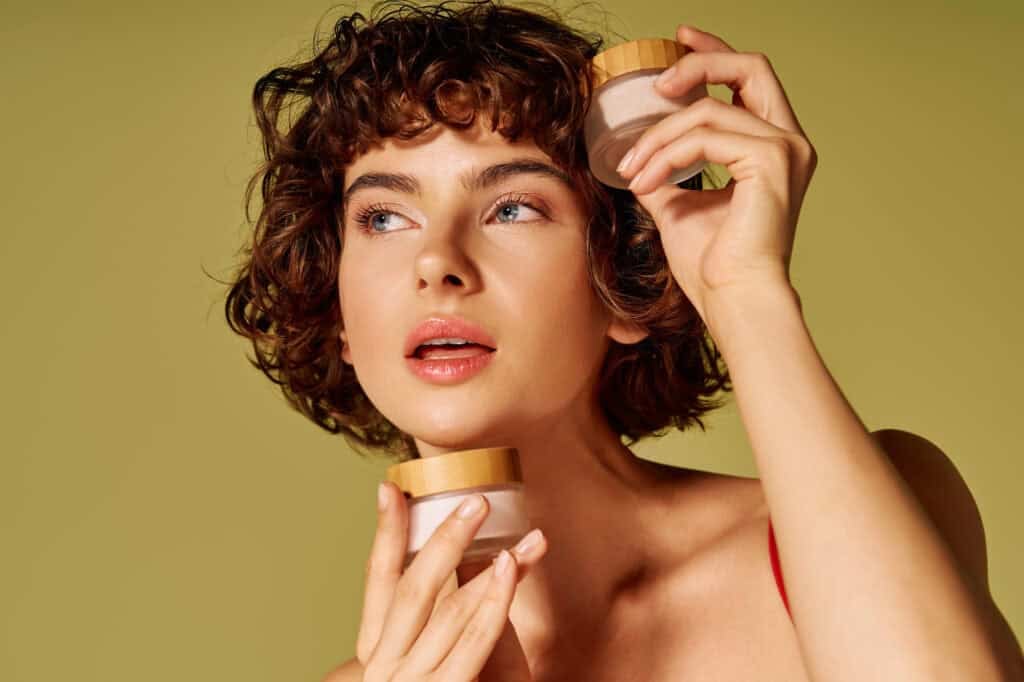
Supporting ingredients can make a cream more convenient than layering a serum, moisturiser, and ointment separately.
If you want one daily product, look for a balance of hydration, emollience, and moisture retention rather than a long list of anti-ageing or repair claims.
Useful supporting ingredients include:
- Glycerin or hyaluronic acid: humectants that help hold water in the outer skin layers
- Ceramides: lipids used to support the skin’s moisture barrier
- Panthenol: a moisturising ingredient often included in soothing formulas
- Allantoin: a skin-conditioning ingredient found in products for dry or uncomfortable skin
- Emollient oils and fatty alcohols: ingredients that help soften roughness and improve the cream’s feel
You may instead prefer a simple ointment over a moisturiser you already like. Avoid assuming it is helpful to seal in every active treatment, especially exfoliating acids, retinoids, or prescription products.
For easily irritated skin, fragrance-free formulas are a sensible starting point. Check for your own allergens, including lanolin and botanical fragrance components, rather than treating “natural,” “dermatologist tested,” or “hypoallergenic” as guarantees.
Texture
An ointment usually feels richer and leaves more shine than a cream. That can be a fair trade-off on dry hands at bedtime, but less welcome under foundation.
Creams blend water and oily ingredients, so they can combine hydration with a finish that is easier to wear during the day.
Think about the area: a small dry patch may need only a dab, while an all-over face product has to feel comfortable across your whole complexion.
If you are oily or acne-prone, start with a lighter cream and reserve heavier ointments for genuinely dry areas. A non-comedogenic label can help narrow options, but it cannot guarantee that a product will never contribute to congestion or breakouts for you.
For a night-time ointment layer, aim for a thin film. More product usually means more shine and transfer onto pillows, not automatically better moisture retention.
Price
Compare the price per ounce or millilitre, not just the price of the jar.
Also consider how you will use it. A small tube for occasional dry patches may last longer than a premium cream used over the face and neck twice daily.
You do not need a luxury product for basic moisture retention. Pay extra only for a formula or finish that suits your preferences and budget.
Best Occlusive Moisturisers For Dry Skin
This is an ingredient- and intended-use comparison, not a hands-on test or clinical ranking. The list includes both true ointment-style occlusives and creams that combine occlusive, humectant, and emollient ingredients. Check the exact label you buy because formulas can vary by region and change over time.
| Rank | Product | Key Features | Where To Buy |
|---|---|---|---|
| 1. | Embryolisse Lait-Crème Concentré | Powerful occlusive ingredients with a light and wearable texture perfect for daytime | See it on Amazon |
| 2. | La Roche-Posay Cicaplast Balm B5+ | Dimethicone protectant with panthenol and madecassoside; seals without feeling heavy | See it on Amazon |
| 3. | Weleda Skin Food Original Ultra-Rich Cream | Plant oils, beeswax and lanolin form a thick barrier for very dry skin | See it on Amazon |
| 4. | URIAGE Thermal Rich Water Cream | Shea butter based occlusive with thermal water from teh Alps | See it on Amazon |
| 5. | Tatcha The Dewy Skin Cream | Rich, dewy cream with hyaluronic acid and Japanese purple rice | See it on Amazon |
| 6. | DRMTLGY Soothe and Recovery Cream | Soothing occlusive cream featuring allantoin, for hydration, softness, and brightening | See it on Amazon |
| 7. | CeraVe Healing Ointment | Ceramide ointment that seals and soothes cracked, chafed skin | See it on Amazon |
| 8. | Welmedix Fragile Skin Protective Ointment | Hospital-level occlusive, ideal for damaged, burned, or extra-dry skin | See it on Amazon |
| 9. | TD Naturals Healthy Jelly | Plant-based beeswax jelly; free of petroleum, lanolin and fragrance | See it on Amazon |
1. Embryolisse Lait-Crème Concentré
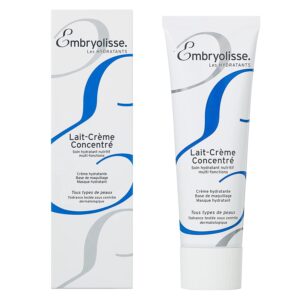
Best for: a moisturising base under makeup, if you tolerate fragrance. Embryolisse Lait-Crème Concentré is a rich cream rather than a highly occlusive petroleum-jelly-style finishing layer.
Its appeal is versatility: the brand describes it as both a moisturiser and makeup base. That may suit you if one comfortable daytime product is the goal.
The listed formula includes mineral oil, beeswax, shea butter, aloe, and hydrolysed soy protein. The mineral oil, wax, and shea butter help explain its richer, more emollient and protective feel.
It contains fragrance, so it would not be the first option to shortlist if scented skincare tends to sting or trigger a rash.
Start with a small amount and allow it to settle before sunscreen and makeup. The final sheen, pilling risk, and how well foundation sits will depend on your skin and the other products in your routine.
2. La Roche-Posay Cicaplast Balm B5+
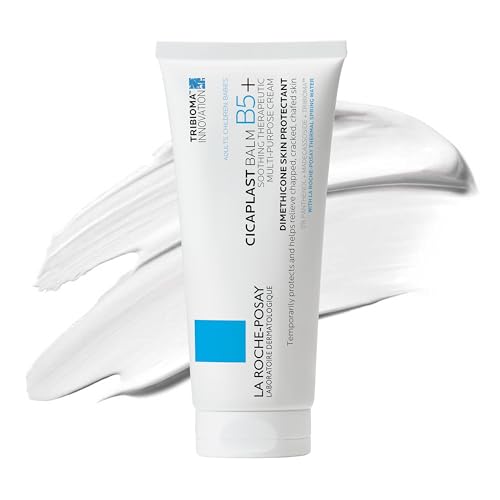
Best for: dry or irritated-feeling patches when you prefer a balm to a petrolatum ointment. Cicaplast Balm B5+ uses dimethicone as a skin protectant within a rich cream-like formula.
The US formula also includes panthenol, madecassoside, glycerin, and shea butter. It is fragrance-free, which may make it easier to shortlist when fragrance is one of your known triggers.
Use a small amount on the areas that need it rather than assuming your whole face needs a thick coat. A rich balm can still feel heavy or affect how other products layer.
The trade-off: a soothing balm should not be used to push through persistent burning from retinoids or acids. Pause irritating products and seek advice if soreness, swelling, or a rash persists. Follow the balm’s label for suitable application areas.
3. Weleda Skin Food Original Ultra-Rich Cream

Best for: a rich cream on rough, dry body areas. Weleda Skin Food Original Ultra-Rich Cream is worth considering if a light lotion leaves elbows, hands, or shins feeling dry again too quickly.
Its ingredient list includes sunflower oil, lanolin, beeswax, and sweet almond oil, plus botanical extracts. It is not a vegan formula.
The rich texture is a better fit for someone who enjoys a noticeable moisturising layer. Apply a small amount and spread gently rather than repeatedly rubbing tender skin.
The trade-off: it contains fragrance and lanolin. Skip it if either is a known trigger for you, and do not assume that botanical extracts make it a safer choice for eczema-prone or reactive skin.
4. URIAGE Thermal Rich Water Cream
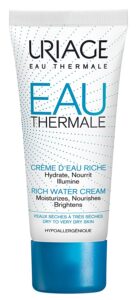
Best for: dry skin that wants a richer everyday face cream. Uriage Rich Water Cream combines humectant, emollient, and occlusive ingredients in a conventional cream texture.
The brand’s published formula includes dimethicone, glycerin, and squalane. These have complementary roles in retaining moisture, hydrating, and softening.
The thermal-water story is not a reason to expect minerals alone to repair a damaged barrier. Judge the complete formula, fragrance content, and how your skin actually tolerates it.
Despite “Water Cream” in the name, this is the Rich version. Do not confuse it with the brand’s lighter cream or an SPF version.
It is a practical option to compare if you want a conventional moisturiser instead of an extra ointment step.
Apply a modest amount and give it time to settle before layering other products.
A cream may feel easier to wear than an ointment, but there is no guarantee that it will look matte on every skin type.
The trade-off: the published ingredient list includes fragrance. Choose a different option if you specifically need fragrance-free skincare.
5. Tatcha The Dewy Skin Cream
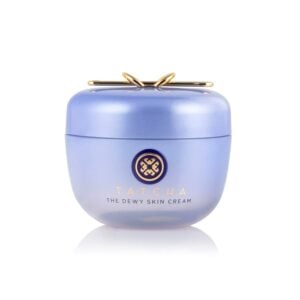
Best for: dry skin and a deliberately dewy finish. Tatcha The Dewy Skin Cream is a luxury moisturiser rather than the most economical route to strong occlusion.
The appeal is its rich cream texture and luminous finish. If you want a matte base, that glow may be the wrong match.
The formula combines ingredients with different jobs: dimethicone contributes to moisture retention, glycerin is a humectant, and squalane is mainly an emollient.
Tatcha also highlights hyaluronic acid, red algae, and Japanese purple rice in its product information.
That combination is designed to leave skin hydrated and smoother-looking. It does not mean the cream permanently rebuilds the skin or changes its structure beyond its cosmetic and moisturising effects.
Use a clean spatula or clean fingers to take product from the jar, then replace the lid.
Try a small amount before deciding whether you need more. Dry skin and oily skin can respond very differently to the same rich finish.
The trade-off: you are paying for the overall formula, finish, and brand experience, not proof of stronger moisture retention than an inexpensive ointment. A sample or smaller size can help you judge the texture before committing.
6. DRMTLGY Soothe and Recovery Cream
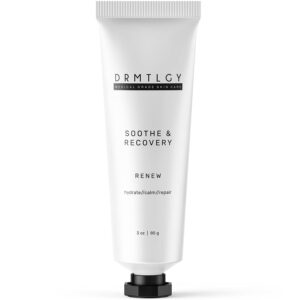
Best for: a daily cream with humectants and barrier-supporting lipids. DRMTLGY Soothe and Recovery is an option for someone who does not want an ointment texture.
The useful details are its ingredients, texture, and how it fits your routine rather than a “medical-grade” marketing label, which is not a standard category of over-the-counter moisturiser performance.
The brand describes it as light and easily absorbed. Treat that as a guide to the intended finish, since the amount applied and your skin will affect how it wears.
The current ingredient list includes dimethicone, glycerin, three ceramides, cholesterol, panthenol, and allantoin, with no added fragrance listed.
Glycerin contributes hydration; it is not an occlusive. Dimethicone and the emollient base help complement that moisture-holding effect.
Allantoin is included for skin conditioning. This is a moisturiser, not an exfoliating treatment or a substitute for medical treatment when skin is persistently inflamed.
The trade-off: it is a daily moisturiser rather than an ointment-strength final layer. If skin remains painful, persistently itchy, cracked, or inflamed despite simplifying your routine, investigate the cause rather than simply adding more cream.
7. CeraVe Healing Ointment
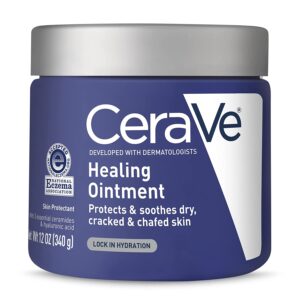
Best for: a rich final layer on very dry areas. CeraVe Healing Ointment contains 46.5% petrolatum in its US formula, making it a more directly occlusive option than the everyday creams above.
Expect an ointment texture and visible sheen, particularly if you apply more than a thin film.
Unlike plain petroleum jelly, the formula contains additional ingredients, including ceramides and hyaluronic acid.
It is intended for dry, chafed, or chapped skin. Targeting patches can be more comfortable than coating areas that already feel oily.
Its main role is helping keep moisture from escaping, not adding large amounts of water to dry skin or replacing every other moisturising step.
For ordinary dryness, a thin layer over a simple moisturiser can be useful at night. Avoid automatically sealing it over strong retinoids, acids, or prescription treatments unless that approach has been recommended for you.
The brand lists it as fragrance-free and lanolin-free, helpful distinctions if you avoid those ingredients.
The trade-off: heavy facial occlusion may feel uncomfortable or contribute to congestion for some acne-prone users. Deep cracks, bleeding, weeping, or persistent inflammation need assessment rather than a promise that any ointment will fix them.
8. Welmedix Fragile Skin Protective Ointment
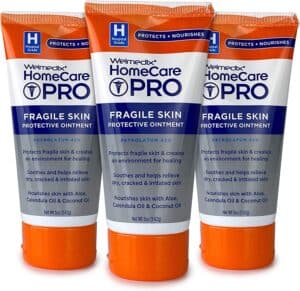
Best for: an ointment-style skin protectant used according to its label. Welmedix Fragile Skin Protective Ointment contains petrolatum and a broader blend of moisturising ingredients.
Its labelled uses include temporarily protecting minor cuts, scrapes, and burns, and relieving chapped or cracked skin. That does not make it appropriate for deep wounds, infected skin, or every unexplained rash.
The published label lists 42% petrolatum, plus ingredients including dimethicone, glycerin, lanolin, aloe, and calendula extract.
The trade-off: lanolin is an important difference from CeraVe Healing Ointment. Avoid it if you have a known lanolin allergy, and remember that more botanical ingredients do not guarantee greater comfort or lower irritation risk.
Follow the label’s warnings, especially for wounds or symptoms that persist. Do not choose it simply because the original marketing sounds more medical than a standard moisturiser.
9. TD Naturals Healthy Jelly

Best for: someone who prefers a non-petrolatum jelly. TD Naturals Healthy Jelly combines castor oil, coconut oil, beeswax, and vitamin E. Because it contains beeswax, it is not vegan and should not be described as entirely plant-derived.
The manufacturer describes it as unscented. A short ingredient list may be appealing, but it does not prove that the formula is less allergenic, better for reactive skin, or equally occlusive to petrolatum.
Try a little on intact dry skin or cuticles according to the label. Do not assume a cosmetic jelly has the same wound-care uses as a labelled skin-protectant medicine.
The trade-off: this is a preference-based alternative, not a proven upgrade over petroleum jelly. Check how your skin tolerates the oils before applying it across the face.
How To Use An Occlusive Moisturiser
For everyday dryness, apply your moisturiser after gentle cleansing while skin is still slightly damp, unless the product directs otherwise. If you want an ointment on top, use only a thin layer on the areas that need extra occlusion. The American Academy of Dermatology recommends creams or ointments for dry skin and choosing fragrance-free products.
A cream with humectants, emollients, and occlusives may be enough on its own. You do not have to add a serum and an ointment just because they appear in someone else’s routine. In the morning, follow with appropriate sunscreen; these moisturisers do not replace it.
Can You Use An Occlusive Every Night?
You can use a well-tolerated moisturiser regularly if it meets your skin’s needs. A heavy ointment layer is optional: start on a small dry area and adjust if it feels greasy, causes congestion, traps heat, or makes skin uncomfortable. Stop using a product that causes a rash or persistent burning.
Should You Slug Over Retinol Or Exfoliating Acids?
Avoid adding a heavy ointment over retinoids, exfoliating acids, or prescription treatments unless your clinician recommends it. Occlusion can increase penetration of some topical ingredients and may worsen irritation. Cleveland Clinic’s slugging guidance also notes that this technique can worsen acne. A standard moisturiser used alongside a treatment is different from sealing that treatment under a thick ointment.
Which Option Should You Choose?
For a rich finishing layer, compare petrolatum-based ointments such as CeraVe and Welmedix, paying attention to lanolin and other allergens. For a cream or balm texture, Cicaplast B5+ or DRMTLGY may be easier to fit into a daily routine. If you enjoy fragrance or a dewy finish, the other creams offer different textures and price points. Choose the formula you tolerate and will use consistently, not the longest list of promises.
Related Articles
Best Glycerin-Free Moisturisers
Best Silicone-Free Facial Moisturisers
Best Moisturisers Without Hyaluronic Acid