
Natural Eye Lightening
Eye color is one of the most noticeable facial features, and even small changes in makeup, lighting, or surrounding colors can make the iris appear brighter or more contrasted.
Brown, blue, green, hazel, gray, and mixed shades can all look different depending on lighting and contrast, even though the underlying iris pigment has not changed.
If your goal is to make your eyes look lighter or brighter, there are temporary ways to change their appearance without trying to alter the natural pigment of the iris.
Cosmetic eye-color procedures do exist, but changing a healthy iris for appearance alone is very different from using eye surgery to treat a medical problem.
Some clinics market laser iris depigmentation, cosmetic iris implants, or corneal pigmentation as ways to change eye color.
These procedures can carry serious eye risks. Cosmetic iris implants in particular have been associated with complications such as glaucoma, inflammation, corneal damage, cataracts, and reduced vision.
Because the eye is delicate and vision-threatening complications are possible, cosmetic eye-color procedures should only be discussed with a qualified ophthalmologist who can explain the specific technique, evidence, alternatives, and risks.
However, does natural eye lightening exist?
There is no proven food, supplement, massage, or home remedy that naturally lightens the pigment of a healthy iris. What you can change safely is how light or bright your eyes appear by using makeup, reducing the look of surrounding redness or darkness, or wearing properly fitted colored contact lenses.
These appearance-based methods are temporary, so your natural iris color stays the same.
Makeup is the easiest option to experiment with at home. Colored contacts require more care because they are medical devices and need proper fitting, cleaning, storage, and replacement.
How To Make Your Eyes Naturally Lighter
The good news is that there are several ways to make your eyes appear brighter or more contrasted without trying to alter the iris itself.
The best method depends on whether you want more contrast, a brighter-looking eye area, or a temporary change in apparent iris color.
The safest options focus on optical contrast and the surrounding eye area rather than unproven home remedies or cosmetic eye surgery.
If you ever notice a new or unexplained change in the actual color of one or both eyes, especially with pain, redness, or vision changes, have it assessed by an eye-care professional rather than assuming it is cosmetic.
For purely cosmetic changes, focus on contrast, brightness around the eyes, and properly fitted colored lenses rather than trying to alter iris pigment at home.
1. Makeup
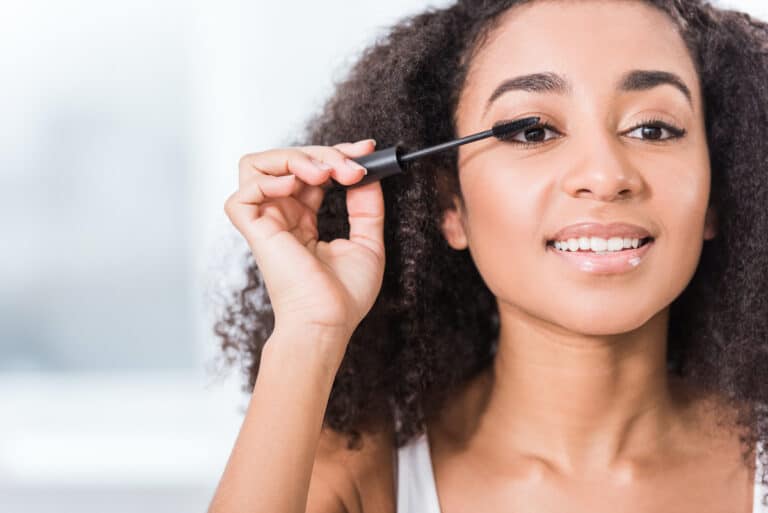
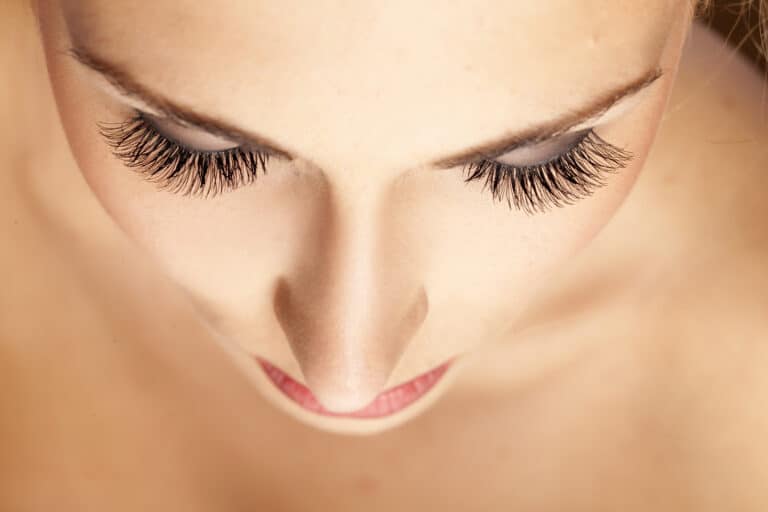
Makeup is one of the simplest ways to create the illusion of lighter or brighter eyes because contrast can make certain tones in the iris stand out.
Makeup also gives you plenty of control because different colors, finishes, and placement can change how your iris appears by contrast.
So, how can you make your eyes look lighter with makeup products?
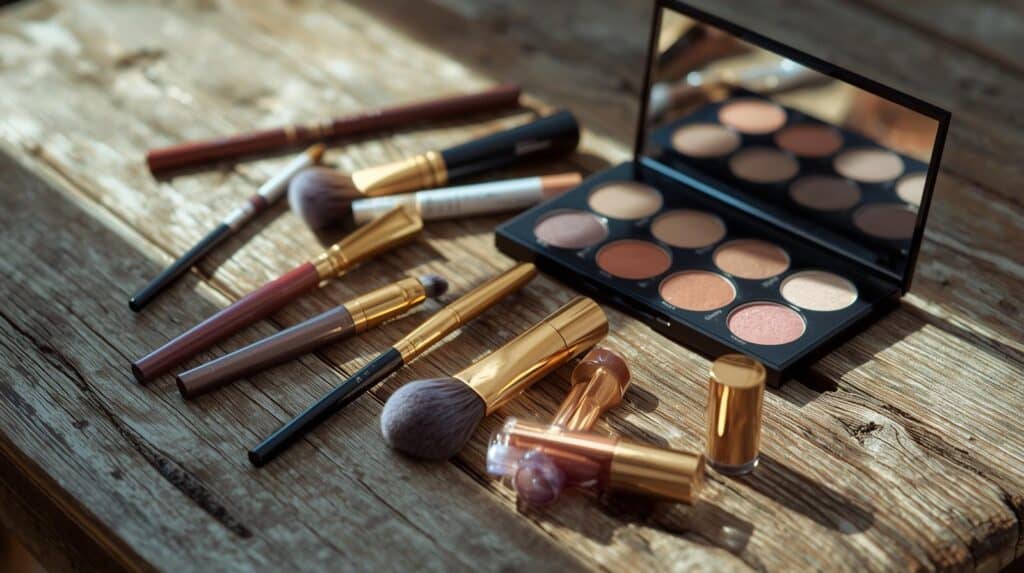
First, you’ll want to focus on your natural eye color.
Your natural eye color can guide you toward eyeshadow, liner, and mascara shades that create either contrast or harmony, depending on the effect you want.
Concealer can brighten the surrounding skin and reduce the appearance of under-eye darkness, which may make the eyes look fresher overall.
2. Eyeshadow
Choosing the correct eyeshadow color that complements your natural iris shade can make your eyes appear lighter.
For example, blue eyes can look brighter beside warm browns, bronze, copper, and peach tones because the contrast emphasizes the cool color of the iris.
3. Beige Eye Pencil
Another makeup option is a beige or nude eyeliner pencil. If the product is specifically labeled for use on the waterline, it can make the visible eye area look more open and bright.
A nude liner does not change iris pigment, but it can reduce the visual contrast of a red-looking waterline and make the eyes appear clearer.
4. Concealer
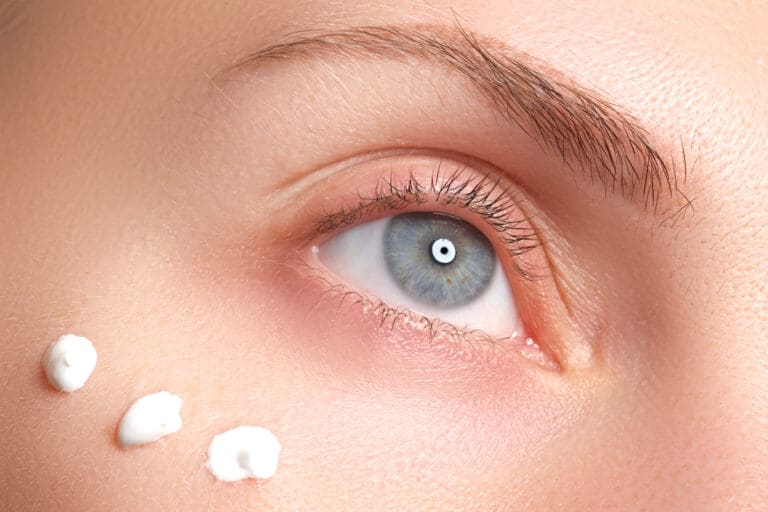
Concealer can make the eye area look more awake by reducing the appearance of shadows or discoloration around it.
You can opt for a color-correcting concealer for dark circles, or lightly tap a full-coverage concealer onto your under-eye area to create the illusion that your eyes look brighter.
Use only as much as you need, since heavy concealer can crease or emphasize dryness around the delicate under-eye area.
5. Sleep & Diet
Sleep and a balanced diet can support general wellbeing and the appearance of the skin around the eyes, but they do not lighten iris pigment.
Getting enough rest may help reduce a tired-looking eye area for some people, while balanced nutrition supports overall eye and skin health.
The visible benefit is more likely to come from looking rested than from any change in the color of the iris itself.
Sleep supports general wellbeing and may help the eye area look less tired, but it does not make the iris itself lighter.
Consistent sleep may reduce the tired look around the eyes for some people, although dark circles have many causes and do not always disappear with more sleep.
Staying adequately hydrated can support normal skin appearance, but drinking extra water does not change iris color.
Nutrition can also support general eye health.
A balanced diet that includes foods such as leafy greens, colorful vegetables, nuts, and fish can provide nutrients important for general eye health.
However, eating these foods will not lighten the melanin in a healthy iris. Any change is more likely to be in how rested or healthy the surrounding eye area looks.
Think of nutrition as supporting eye health rather than as a natural eye-color treatment.
6. Colored Contact Lenses
Colored contact lenses can temporarily change how your iris looks, but they are not risk-free. Like corrective contacts, decorative lenses are medical devices and can cause corneal scratches, infection, reduced vision, or other complications when fitted or used incorrectly.
These types of contact lenses are available in various colors.
Contact lenses are worn safely by many people, but decorative lenses need the same care standards as corrective lenses.
Whether contacts are comfortable enough for regular wear depends on the fit, lens material, tear film, and your eye-care professional’s advice.
Colored lenses come in subtle enhancement tints as well as more dramatic fashion shades.
Even if you do not need vision correction, colored contacts still require the same attention to fit, hygiene, and eye health.
Do not buy colored contacts simply because they are available from a beauty shop, costume store, marketplace, or seller that does not require proper fitting or a prescription where required.
Get an eye exam and proper contact-lens fitting, then buy lenses from a legitimate source that follows the prescription and regulatory requirements in your country.
Follow your eye-care professional’s wear schedule and the manufacturer’s cleaning, disinfection, replacement, and storage directions. Never share lenses.
Colored contacts are available in natural-looking shades as well as fashion colors such as purple, gray, or vivid blue.
The final effect depends on your natural iris color, the opacity and diameter of the lens design, and how the lens sits on your eye.
Remove the lenses according to the prescribed wear schedule. If you develop eye pain, redness, light sensitivity, discharge, or reduced vision, remove them and seek prompt eye care.
7. Wear Sunglasses & SPF
Sun protection is important for the eyes and surrounding skin, although it will not lighten your natural iris color.
Sleep, diet, hydration, and sun protection do not significantly change healthy iris pigment. Their value is in general wellbeing, eye comfort, and protecting the skin around the eyes.
Use sunscreen on exposed skin around the eyes when appropriate, taking care to avoid getting the product into the eyes.
Sunscreen helps reduce UV-related skin damage when used correctly, while sunglasses help protect the eyes from ultraviolet radiation and reduce squinting.

You can also find tinted sunscreens formulated for the eye area.
A tinted sunscreen formulated for use around the eyes can combine UV protection with cosmetic brightening, as long as you apply enough product and avoid getting it into the eyes.
This can be a convenient option if the formula does not sting your eyes or irritate the surrounding skin.
UV-protective sunglasses are another useful part of sun protection.
Choose sunglasses that provide UV protection. They can reduce UV exposure to the eyes and surrounding skin and may also reduce squinting in bright light.
For eye health, the useful feature is UV protection rather than how dark or fashionable the lenses look.
Sunglasses can help protect the eyes and the skin around them from UV exposure, but they do not make the iris itself lighter.
8. Face Yoga & Massage
Face yoga and facial massage do not change iris pigment. Gentle massage may temporarily reduce the look of mild puffiness for some people, which can make the eye area look more awake.
If you enjoy facial exercises or massage, treat them as a relaxation or cosmetic routine rather than a proven way to lighten the iris or permanently change the eye area.
If you spend long periods at a computer, regular screen breaks, blinking, and appropriate treatment for dryness are more relevant to eye comfort than trying to increase facial blood flow.
Massage may temporarily change puffiness or skin tone, but evidence for reversing facial aging is limited.
Face yoga is popular as a wellness practice, but its cosmetic effects are not established enough to promise meaningful changes around the eyes.
Facial exercises do not make eye pigment more vibrant. Any visible change would come from the surrounding facial expression or skin rather than the iris.
If you use Gua Sha around the eye area, keep pressure very light and stay on the surrounding facial bones rather than pressing on the eyeball.
Gua Sha may temporarily reduce mild puffiness or feel soothing, but it should not be expected to erase wrinkles, dark circles, sagging eyelids, or change iris pigment.
Any visible effect comes from the surrounding skin and soft tissue, not from lightening the iris.
You do not need a special facial massage tool. If you massage the area, use clean hands and gentle pressure and avoid techniques that pull aggressively on the eyelids.
Facial circulation does not naturally lighten iris pigment.
Final Thoughts
Overall, there are several ways to make your eyes look brighter or lighter by contrast, but there is no proven natural method for safely reducing pigment in a healthy iris.
Makeup can change how your eye color is perceived through contrast without actually altering the iris.
A healthy, balanced lifestyle supports general eye and skin health, but it should not be promoted as a way to lighten eye color.
Getting enough sleep, eating well, staying hydrated, and using appropriate sun protection may help you look more rested and protect long-term eye and skin health.
Gentle facial massage may temporarily reduce mild puffiness for some people, but it does not change eye color.
If you enjoy face yoga, keep expectations modest and stop any movement that causes pain, eye pressure, or skin irritation.
For a temporary color change, professionally fitted colored contact lenses are a more established option than attempting to alter the iris with unproven home remedies. They still require correct fitting, hygiene, replacement, storage, and wear practices.
The safest takeaway is simple: change the appearance around the eyes or use properly prescribed cosmetic contacts, rather than trying to chemically, nutritionally, or mechanically lighten the iris itself.
Related Articles
Dupes For Becca Under Eye Brightening Corrector