
How Often Should You Replace Makeup Brushes?
Makeup brushes touch your face daily, which is why it’s so important to use high-quality brushes and to clean them regularly.
But even with a proper cleaning routine, makeup brushes don’t last forever.
Depending on the quality of the materials and how you care for your brushes, their lifespan may vary significantly.
So, how often should you replace your makeup brushes?
There is no fixed replacement date for makeup brushes. Well-cared-for brushes can last several years, but replace them sooner if they shed heavily, lose their shape, stay rough after washing, or develop a persistent odour. Reusable sponges need replacing more often: Beautyblender recommends every three months, or sooner if damaged.
In this post, we will go over different types of makeup brushes and how long they last.
We will also give you a few tips on cleaning and storing your brushes to help extend their lifespan.
How Often Should You Clean Your Makeup Brushes?
When we talk about how often you should replace your makeup brushes, we can’t ignore the most significant factor that affects them: cleaning.
For a general cleaning schedule, the American Academy of Dermatology recommends washing makeup brushes every 7 to 10 days. A weekly routine is easy to remember.
We’re talking eyeshadow brushes, bronzer brushes, blush brushes, powder brushes, and foundation brushes.
Wash more often when product builds up quickly. For brushes used with liquid foundation, gel eyeliner, or lipstick, cleaning after use helps prevent residue from hardening.
If you use a reusable makeup sponge, wash it after every use and let it dry completely before storing it.
Sponges can hold on to makeup, skin oils, and moisture, so a quick rinse may not remove all the residue.
Dirty makeup tools can contribute to skin irritation and spread bacteria. Regular washing helps, but it does not make a tool sterile.
Avoid sharing your brushes and sponges, even if they look clean.
How Often Should You Replace Your Makeup Brushes?
Cleaning helps your brushes stay soft and apply makeup evenly, but it cannot repair worn bristles or failing glue.
However, even with proper cleaning, brushes don’t last forever.
Bristles that remain stiff, scratchy, or misshapen after washing and drying are a reason to consider replacement.
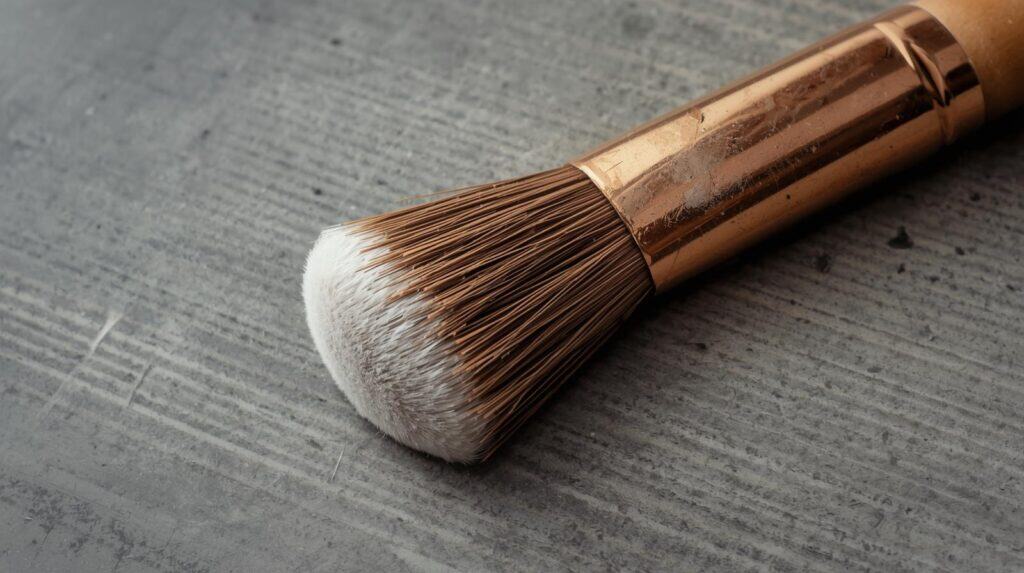
Persistent heavy shedding, a loose metal ferrule, or a cracked handle are other signs of wear. The ferrule is the metal part that holds the bristles.
A little product buildup can mimic damage. Wash the brush gently, let it dry, and check its texture and shape again before deciding.
IT Cosmetics notes that many brushes need replacing after three to five years, but that is a general guide, not an expiry date or a guarantee.
The useful lifespan depends on construction, how often you use the brush, and how you wash and store it. Here is what to check for each type:
Synthetic Makeup Brushes
Synthetic makeup brushes are made out of artificial materials, such as nylon or polyester.
They are available at a range of prices, from basic sets to professional tools. Price alone does not tell you how long a brush will last.
Their shape, density, and softness affect how they pick up and blend makeup.
You’ll find great synthetic brushes for foundation, eyeshadow, and bronzer applications.
Many synthetic brushes are easy to use with liquids and creams because their fibres absorb relatively little product.
That does not make them resistant to contamination. Makeup residue and skin oils still collect between the bristles.
Wash synthetic brushes regularly and follow any care instructions supplied with the brush.
Look for securely attached bristles, a firm ferrule, and a handle that remains intact through normal cleaning.
A synthetic brush may last for years if it stays clean, soft, and structurally sound.
Replace it if persistent shedding, a damaged head, or a rough texture makes application uncomfortable or uneven.
There is no need to discard an otherwise sound brush simply because it has reached its third birthday. Equally, do not keep a damaged one just because it is newer.
Natural Makeup Brushes
Natural makeup brushes have bristles that are made of animal hair, such as goats, squirrels, or sables.
Their texture varies with the type of hair and the way the brush is made.
Natural bristles are often used for powder products such as blush and eyeshadow. Check the maker’s instructions before using them with creams or liquids.
Natural brushes can last several years with gentle care, but animal hair does not automatically mean better construction or a longer lifespan than synthetic fibres.
If you want to avoid animal-hair bristles, choose a brush labelled synthetic. Check the brand’s separate vegan or cruelty-free claims if those matter to you.
Gentle cleaning is especially useful for keeping delicate hairs from becoming rough or breaking.
Use a cleanser suitable for the brush and avoid scrubbing, twisting, or pulling the bristles.
Choose a cleanser whose current instructions confirm it is suitable for your brush’s bristles, and rinse it out thoroughly.
Replace a natural-hair brush if the bristles remain scratchy or distorted after cleaning, or if shedding becomes persistent.
A lingering unpleasant smell after washing and full drying is also a reason to stop using and replace it. A five-year estimate should never override those signs.
Makeup Sponges
As we mentioned above, makeup sponges should be replaced much more frequently than makeup brushes.
The important distinction is whether a sponge is labelled disposable or reusable. Its price or pack size does not establish that.
Discard a sponge labelled single-use after one use, following the packaging instructions.
Do not try to extend the life of a disposable sponge by washing it.
For a reusable sponge, follow the manufacturer’s cleaning and replacement guidance.
Beautyblender recommends replacing its sponge every three months. Other brands may specify a different interval.
Do not assume reusable foam has antimicrobial properties. Even a product with an antimicrobial claim still needs routine cleaning and drying.
Replace a sponge earlier if it tears, crumbles, loses its bounce, or develops an unpleasant smell.
A sponge that no longer rinses clean or blends makeup evenly may also be ready for replacement.
Make a note of when you first use it so the manufacturer’s recommended replacement date is easy to track.
Wash after each use, squeeze gently, and leave it in a clean, well-ventilated spot to dry. Avoid wringing or digging your nails into the foam.
Some makeup can leave a lasting stain, so discolouration alone does not prove there is mould.
However, discard a sponge with suspicious new spots, visible mould, or a musty smell. Do not keep using it to see whether the problem goes away.
Eyeliner And Lip Brushes
Eyeliner, eyebrow, and lip brushes often handle waxy or creamy formulas that cling to the bristles.
Gel liner, brow pomade, and lipstick can dry into the brush head and affect its precision.
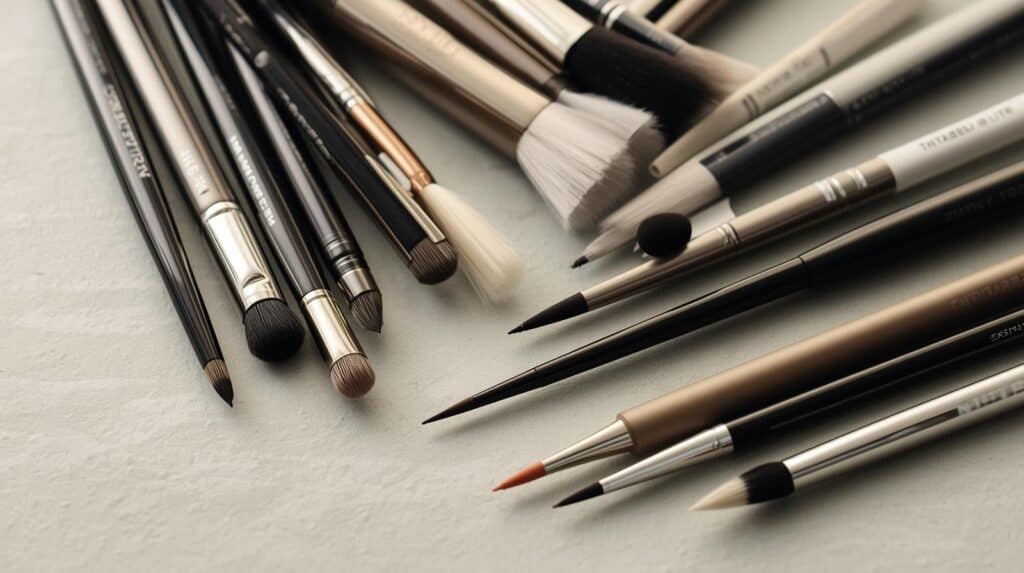
Cleaning promptly after use makes that residue easier to remove.
Use a suitable brush cleanser, rinse thoroughly, and reshape the tip gently. Avoid pulling at dried product or scraping it off the bristles.
These brushes do not have a universal lifespan of less than a year. Replace them when their tips fray, they lose precision, or residue and stiffness remain after proper cleaning.
A fine liner brush that can no longer make a controlled line may need replacing even if its handle still looks new.
Tips For Making Your Makeup Brushes Last Longer
A few simple habits can help your brushes stay in good condition:
- Use a brush-appropriate cleanser, especially for delicate natural bristles. Follow the brush maker’s instructions.
- A small amount of gentle shampoo can be an option if the brush’s care instructions allow it. Rinse away all residue.
- Use lukewarm water and gently work cleanser through the bristles without scrubbing or tugging.
- Gently press out excess water with a clean towel and reshape the bristles.
- Lay brushes flat with their tips extending over a clean counter edge to air-dry. Avoid drying them upright with wet bristles pointing up.
- Leave reusable sponges in a clean, ventilated holder with room for air to circulate.
- Avoid soaking the ferrule or handle. Prolonged water exposure can weaken the adhesive that secures the brush head.
- Let brushes dry fully before putting them in a makeup bag or travel case.
- Store dry brushes in a clean cup, roll, or protective case that does not bend the bristles. Keep the holder clean, too.
- Do not seal a damp sponge in an airtight container. Let it dry completely before packing it away.
Final Thoughts
Makeup brushes can last you a long time if they are made with high-quality materials.
Clean regularly, let tools dry fully, and store them somewhere clean without crushing the bristles.
Both synthetic and natural brushes can last several years. Their condition is more useful than a fixed age limit when deciding whether to replace them.
Check for persistent shedding, roughness, misshapen tips, loose parts, and an unpleasant smell that remains after cleaning.
For reusable sponges, follow the brand’s schedule. Beautyblender’s guidance is every three months, with earlier replacement for damage or hygiene concerns.
You do not need to replace your whole brush set at once. Retire individual tools as they wear out, and keep caring for the ones that still work well.
Related Articles
How Long Do Makeup Brushes Last?
Can Eyeshadow Be Used As Blush?