
How To Remove Lip Stain – 5 Effective Methods
To remove lip stain, start with a makeup remover labelled for use on lips, let it loosen the surface product, and wipe gently with a soft, damp pad. A cleansing balm, cleansing oil, or lip-safe micellar water can help, depending on the formula.
If a faint tint remains after the makeup has lifted, you do not have to scrub your lips back to their natural colour. Some stains leave residual colour that fades gradually.
Liquid lipsticks are often chosen for high-impact, long-wearing colour, while lip stains can leave a lighter-looking tint that remains visible as the surface product fades.
Whether you like full-on colour or not, removing long-wearing lip products at the end of the day can be difficult.
Lip stains are designed to leave pigment behind on the surface of the lips, so a quick wipe may not remove every trace of colour.
The key is to loosen the pigment gently instead of repeatedly rubbing or scrubbing the lips until the colour disappears.
So, how do you remove lip stain?
Use a lip-safe remover, give it a brief moment to work according to its directions, and gently lift the colour away. Rinse as directed and finish with a plain lip balm. Stop if your lips sting or feel tender, even if some tint remains.
Below are five common removal options, including their limits. You only need one method that works comfortably; this is not a five-step routine.
Whichever method you choose, avoid hard rubbing, picking, or repeated exfoliation. If your lips feel sore, cracked, or raw, stop and switch to a bland lip balm until the skin settles.
What Is A Lip Stain?
Lip stains are another type of lip colour, but their finish and wear can differ from traditional lipstick or liquid lipstick.
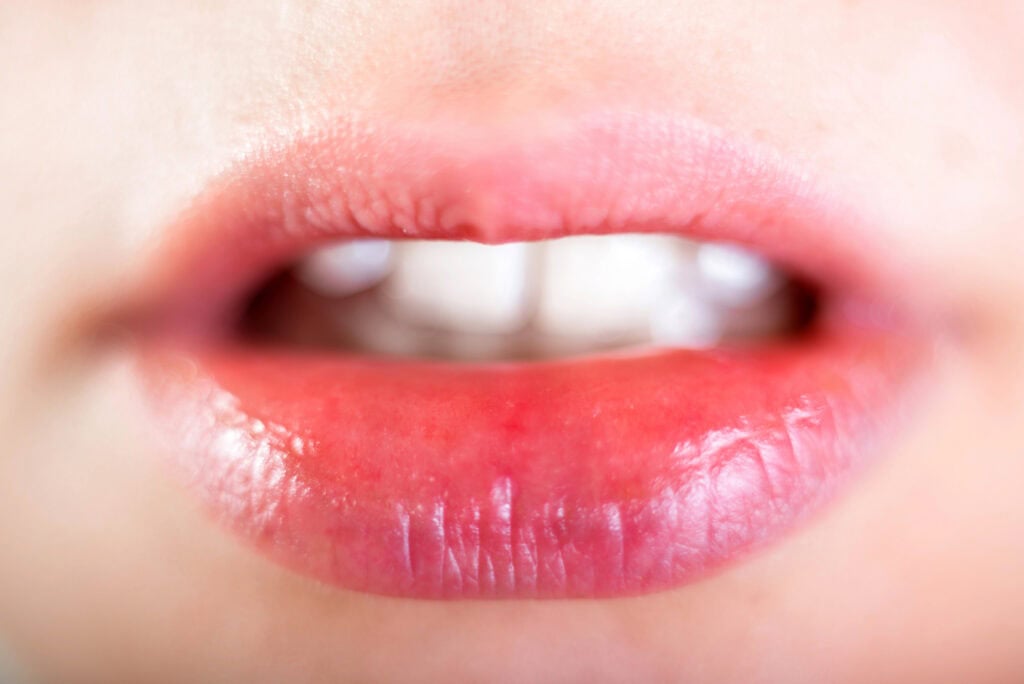
They are meant to be long-wearing and leave behind a tint of colour on your lips.
Rather than relying only on a thick layer of product sitting on top of the lips, many lip stains use dyes and pigments that cling to the upper surface, which is why some colour can remain after the glossy or creamy layer wears away.
Lip stains are available in a variety of textures.
Traditional lip stains give the appearance of colour on your natural lip, while there are also versions that have a glossier finish.
As the glossy layer wears away, a tint can remain. Removing the shine and removing that last trace of colour are not always the same job.
Ultimately, lip stains are designed to provide a low-maintenance wash of colour, although wear time and the need for touch-ups vary by formula, shade, meals, and the condition of your lips.
Some formulas are more transfer-resistant than ordinary lipstick, but no lip stain is automatically smudge-proof or guaranteed to last all day. Oil-rich foods, rubbing, and very dry lips can all shorten wear.
How To Prep Your Lips For Lip Stain
Most lip stains apply more evenly to clean lips, but that does not mean your lips should be dehydrated. Comfortable wear starts with lips that are smooth, intact, and not coated in a heavy layer of balm.
Since the product is meant to last for hours, you want to ensure your lips are well-hydrated.
If you have loose, flaky skin, soften it with a plain balm rather than picking it off. Postpone stain when your lips are split or sore, since it can make the texture more noticeable.
If your lips are healthy but have a little surface flaking, you can use a lip exfoliator such as this lip scrub from Sara Happ very gently. Skip scrubs on actively chapped, split, or irritated lips, where friction can make discomfort worse.
Exfoliation is optional. If your lips already feel smooth, skip it rather than adding friction just because you plan to wear stain.
Because stains can emphasise texture, starting with an even surface may help reduce patchy-looking colour.
Avoid scrubbing both before application and again during removal. A little lingering colour is a better reason to pause than to repeat exfoliation.
If you exfoliate beforehand, follow with a plain moisturising lip balm and give it time to soften the lips before applying colour.
Apply a light coat of lip balm early in your routine and let it sit. Before applying the stain, blot away any heavy residue if the formula needs a clean, relatively dry surface.
Once you have blotted excess balm, apply a thin, even layer of stain as directed. Balm does not need to disappear completely into the skin; the goal is to avoid a slippery coating that interferes with application.
Lip stains can be applied directly to the lips, eliminating the need for additional lip products for a quick and easy application.
A lip liner can define the lip shape and may improve wear around the edges, although it can also change the soft, diffused finish that many people choose a stain for.
For a softer gradient effect, you can tap the lip stain onto the centre of the lips and diffuse it towards the edges with a clean finger or applicator, following the product directions.
How To Remove Lip Stain
There is no single remover that works best for every stain, but oil-based cleansers are a useful first choice for many long-wearing lip formulas.
Because the lip skin is delicate, use the least friction possible when removing long-wearing products.
Avoid hard tugging, repeated wiping, or picking at dry skin. Let the remover sit against the colour briefly so it has time to loosen the formula before you wipe.
Check that the remover’s directions include lip makeup. A face cleanser, shower oil, or product marketed as “natural” is not automatically suitable for the lips. Keep cleanser inside the lip border and out of your mouth.
If your lips are dry or sensitive, choose a remover that feels comfortable and does not sting. An oil-based or balm cleanser is often less reliant on rubbing than a dry cloth alone.
For stubborn surface product, start with a lip-safe balm or oil. For a small correction, use a little remover on a soft pad or cotton bud. Treat scrubs as optional texture care, not a required stain-removal step.
1. Makeup Remover Wipes For Quick Cleanup
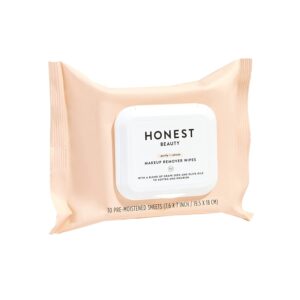
Makeup remover wipes can be convenient for quick cleanup, travel, or correcting the edges of a lip look.
They can lift some lip colour, but a wipe may not be enough for a deeply pigmented stain and can become irritating if you keep rubbing the same area.
For a small mistake, fold a fresh corner of the wipe and clean only the edge you need. Broad wiping can spread colour onto the skin around your mouth and disturb foundation.
Use a wipe that is still well moistened and suitable for lip makeup. Press it gently against closed lips, then sweep lightly, turning to a clean section as colour transfers. Avoid back-and-forth scrubbing.
If colour is still left behind, switch to a cleansing balm or oil rather than continuing to rub. Follow with lip balm if your lips feel dry.
2. Makeup Cleansing Balm
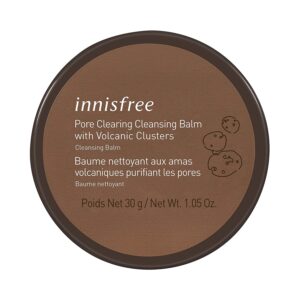
Makeup cleansing balms can loosen long-wearing surface makeup with less rubbing. Check the exact product’s instructions before using it on lips, particularly with formulas marketed for pore clearing or oil control.
Many cleansing balms combine emollient oils with cleansing ingredients that help loosen pigments, waxes, and film-forming makeup.
Most cleansing balms are worked onto dry skin first, then emulsified or removed according to the product instructions. For lip stain, massage gently and give the balm a moment to break down the colour before wiping.
A cleansing balm can be one of the better first steps after hours of wearing a stain because it reduces the need for aggressive friction.
Once the surface makeup lifts, check whether the remaining colour is simply a tint in the lips. More balm or harder massage may not remove that tint. Finish with a plain lip balm after rinsing.
If the instructions call for wiping, use a soft cloth dampened with lukewarm water, not a rough or dry towel. If they call for emulsifying and rinsing, follow those steps rather than leaving cleanser residue behind.
3. Lip Exfoliator Scrub, Used Sparingly
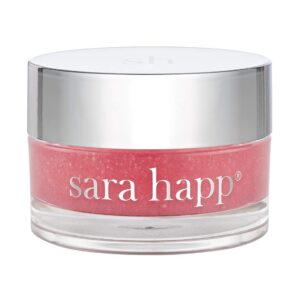
As mentioned earlier, lip scrubs can smooth loose flakes when your lips are healthy and intact.
A lip scrub is not a necessary stain remover. It works through friction and may lift some stained surface flakes, but it cannot reliably remove all colour. If your lips are already clean and only a tint remains, leave it to fade.
If long-wearing lip products have left your lips dry, repeated exfoliation can make them feel worse. It is usually better to moisturise peeling or irritated lips and let loose skin shed naturally.
If you choose to use a lip scrub on intact lips, follow its directions and use minimal pressure. Do not substitute a toothbrush or a homemade mixture of sugar and lemon juice to attack stubborn colour.
Follow with a hydrating lip balm afterwards to reduce tightness and support a comfortable lip surface.
Skip the scrub entirely if you have already wiped several times or your lips feel sensitive. Smoothness should not come at the cost of soreness.
4. Makeup Remover Oil
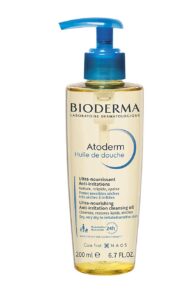
A makeup-removing cleansing oil labelled for lip use can help loosen long-wearing colour. The linked Bioderma Atoderm Shower Oil, however, is a rinse-off face and body wash, not a dedicated lip-makeup remover. Do not use its “oil” name as a reason to apply it to dry lips.
Products called cleansing oils are not all used the same way. Bioderma describes Atoderm Shower Oil as a daily rinse-off cleanser for face and body. For the method below, choose an oil specifically intended to remove lip makeup.
If your lip-safe remover’s instructions specify dry application, use a small amount on dry lips, massage lightly, then emulsify or remove as directed. Only repeat if surface product remains and your lips still feel comfortable.
Many makeup remover oils emulsify when mixed with water, which helps the loosened makeup rinse away cleanly.
If you are removing a full face of makeup, you can follow with your usual face cleanser. On the lips themselves, avoid unnecessary extra cleansing if the stain is already gone.
If your goal is simply to remove the stain, use the cleansing oil on its own first. Combining oil with a scrub adds friction and usually is not necessary.
5. Micellar Water & Cloth
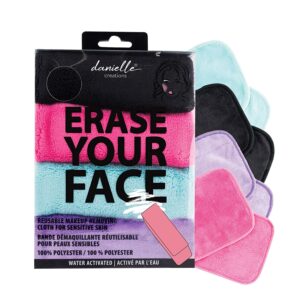
Using a reusable makeup remover towel can reduce reliance on disposable makeup wipes.
For lips, the cloth’s softness matters more than its size. Avoid textured edges or seams that catch on dry skin.
A small reusable round works well for targeted cleanup around the lip border.
If you use a larger towel, fold it to expose a clean section rather than spreading removed pigment back over your lips.
Because you can wash and reuse them multiple times, they may be more cost-effective over time. Wash them regularly so you are not repeatedly putting old makeup and residue back against your lips.
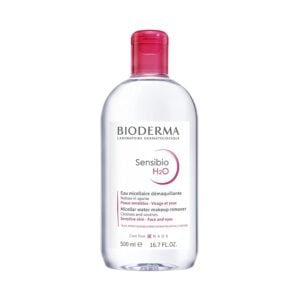
Some makeup removal towels can remove light makeup with water alone, but stubborn lip stain usually comes off more easily when the cloth is paired with an appropriate remover.
Wet the cloth as its instructions require, then add your lip-safe remover. Do not use the cloth dry to buff away remaining colour.
Micellar water uses surfactant-based micelles to lift oil, dirt, and makeup. It can work well for lighter stains or for pigment that remains after an oil-based first cleanse.
Moisten a soft pad with lip-safe micellar water, press briefly against closed lips, then wipe gently with a clean part of the pad. Follow the label’s rinsing instructions. If it stings, stop and rinse it off with water even if the product normally requires no rinsing.
Frequently Asked Questions
What If Lip Stain Will Not Come Off Completely?
If a faint tint remains after gentle cleansing, do not keep scrubbing. Some stains are designed to fade gradually. Apply lip balm, leave the area alone, and try another gentle cleanse later if needed.
Can Oil Remove Lip Stain?
An oil-based cleanser can help loosen many long-wearing lip products, especially formulas that contain waxes, oils, or film-forming ingredients. Massage gently, let it sit briefly, and remove it according to the cleanser instructions.
What Should You Do If Your Lips Feel Sore After Removal?
Stop using the remover, rinse off residue, and avoid exfoliation or more lip colour while the area is sore. The American Academy of Dermatology recommends non-irritating lip care and suggests plain white petroleum jelly for very dry, cracked lips. Seek medical advice for blistering, marked swelling, or persistent pain; trouble breathing or sudden tongue or throat swelling needs emergency help.
Conclusion
The easiest way to remove a long-wearing lip stain is usually to soften and dissolve the formula before wiping, rather than trying to scrub the pigment away.
Lip products can add anything from a subtle tint to a bold pop of colour, and a comfortable removal routine makes it easier to enjoy long-wearing formulas without leaving your lips feeling raw.
Choose one lip-safe remover, use light pressure, and finish with plain lip balm. If a faint tint remains, let it fade rather than cycling through wipes, oil, and scrubs in the same session.
Related Articles
Best Lipsticks For Older Women
How To Make Your Lips Look Smaller