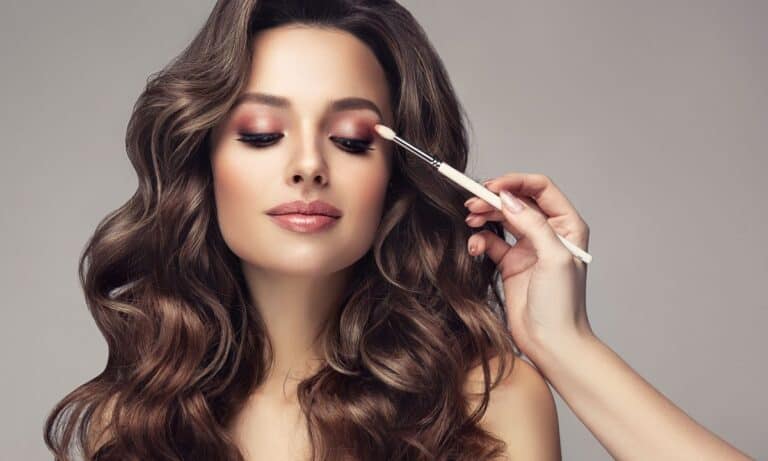

Eyeshadow Vs Eyeliner
Feeling overwhelmed at the makeup section of the store? You’re not alone. If you’re new to makeup, the world of pencils, palettes, gels, and brushes can feel like a lot.
It can be challenging to work out which products you actually need for a specific eye look, especially when several products can create similar effects.
That is especially true when you’re looking at polished makeup photos where eyeshadow, eyeliner, mascara, and brow products may all have been layered together.
If lipsticks are relatively straightforward, then eye makeup is a whole other ballgame. There are eyeshadows, eye pencils, eyeliners, eye gels, liquid liners, brow gels, brow markers, and the list goes on and on…
But you do not need every option in the aisle. A few versatile eye makeup products can cover everything from a quick everyday look to a more defined smoky eye.
The products we’re talking about are eyeshadow and eyeliner. They serve different purposes, but with the right formula and tool, one can sometimes mimic the effect of the other.
That said, each has its own unique features and is often used alongside the other. You can also wear either one by itself.
So, what are the differences between eyeshadow and eyeliner?
The main difference is that eyeliner is typically used along the lash line for definition and shape, while eyeshadow is blended over the eyelid to add colour, depth, dimension, or shimmer.
Things are not always that simple, however. Eyeliner can be smudged over the lid for a smoky effect, while a dark eyeshadow applied with a small angled brush can create a softer version of eyeliner.
To clear up any confusion, we’ll dive into the features of both products, so you can understand how they can be used together and on their own, and refine your makeup routine.
Eyeshadow Vs Eyeliner
The key difference between eyeshadow and eyeliner is placement and purpose. Eyeshadow is generally designed to be blended across the eyelids, while eyeliner is designed to create a more precise line along the lashes or around the eye.
Applicator Types
This difference becomes especially clear when you look at the applicators and textures used for each product.
Eyeliner often comes with a more precise applicator, which can draw a thin, distinct line on your skin.
Think of a pencil, liquid liner with a fine brush or felt tip, a gel used with an angled brush, or an eyeliner marker.
Eyeshadow, on the other hand, is usually designed to cover a larger surface area. Pigmentation varies widely, from sheer washes to highly saturated formulas, but eyeshadow is generally made to blend more easily than eyeliner.
Most eyeshadow comes in pressed-powder form. A fluffy brush works well for diffused colour, while a smaller flat or pencil brush gives you more control for precise placement.
Some eyeshadows come in a cream or liquid form. These may come in pots, sticks, or tubes with doe-foot applicators, depending on the formula.
Of course, as with all makeup, the rules can be broken. A creamy eyeliner pencil can be smudged over part of the lid for a smoky shadow effect, provided the product is intended for use in that area.
However, their designs still reflect their traditional uses: eyeliner prioritizes precision and definition, while eyeshadow prioritizes blendability and coverage across the lid.
Colors
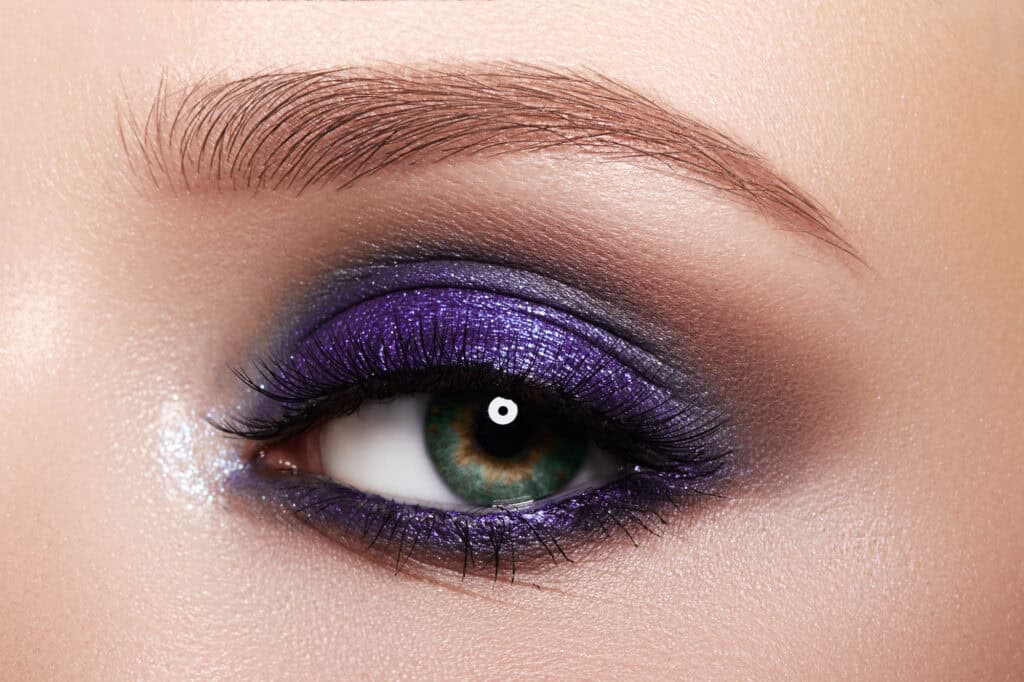
These days, both eyeliners and eyeshadows come in a wide range of colors.
However, traditionally, eyeliners have featured dark, earthy tones (such as brown, black, navy, plum, and burgundy), while eyeshadows have been available in a wide range of colors.
This is partly because traditional eyeliner shades were chosen to create visible contrast along the lash line.
Dark shades can also make the lash line look denser, which is why black, brown, navy, and plum remain common choices.
As makeup trends change, colourful liner has become an everyday option too. You can now find eyeliner in bright blues, yellows, greens, purples, metallics, pastels, and many other shades.
However, many everyday eyeliners still lean darker because deeper shades create stronger definition around the eyes.
Eyeshadows can be almost any colour. You can keep things neutral, match your eyeshadow to an outfit, or choose pink, blue, yellow, metallic, or glitter finishes for a more noticeable look.
You can wear eyeshadow that is matte or pearlescent. Alternatively, you can opt for more subdued, smoky colors to add a touch of drama to the eyes.
A simple way to think about it is that eyeliner adds structure and definition, while eyeshadow adds colour, depth, dimension, or shimmer.
Texture
Another key difference between the two products is texture. Eyeliners can be waxy, creamy, gel-based, or liquid, and many are formulated for precision and longer wear.
Long-wear formulas can help eyeliner stay defined near the lash line, although smudging still depends on the formula, skin type, eye shape, and whether the product is water-resistant.
Powder eyeshadow usually has a drier texture, while cream, stick, and liquid shadows can feel richer or more emollient. Some formulas set quickly for long wear, while others stay soft enough to blend for longer.
Eyeshadow is generally formulated to blend and spread easily over the eyelid, although you can also use it in sharply defined shapes with a small brush or damp application.
Quick Eyeshadow Vs Eyeliner Comparison
- Use eyeliner when: you want a defined lash line, a wing, a cat eye, or a precise graphic shape.
- Use eyeshadow when: you want blended colour, a smoky effect, soft contour around the eye, or shimmer across the lid.
- Use both when: you want the depth and colour of shadow with the sharper definition of liner.
- Use eyeshadow as liner when: you want a softer edge. Apply a deeper shadow close to the lashes with a small angled or pencil brush.
How To Use Eyeshadow Vs Eyeliner
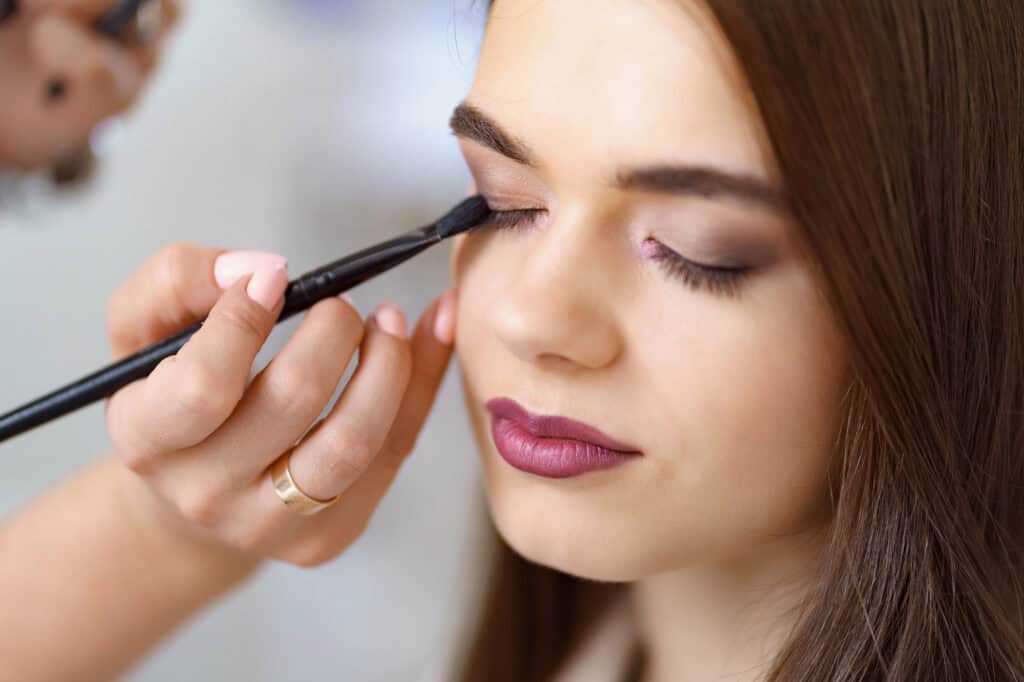
If you’re a beginner, the easiest starting point is eyeshadow over the lid and eyeliner close to the lash line. You can use them together or separately, and neither product is required for the other to work.
Using them together can create more definition and dimension, but either product works perfectly well on its own for daytime or evening makeup.
Once you understand the basic placement, you can change it to suit your eye shape and style. There are no rules requiring you to wear both products, and a one-product look can be just as polished.
Here is a simple way to apply eyeliner and eyeshadow together:
- Start with eyeshadow if you are using both products. Applying shadow first usually keeps powder from falling over a finished liner. Then choose an eyeliner pencil in a shade that gives you the level of contrast you want. Brown and black are classic beginner-friendly choices.
- If you want to line the waterline, use a pencil that the manufacturer specifically labels as safe for waterline use. Keep your hands clean, avoid tugging hard on the eyelid, and skip tightlining if your eyes are irritated or very sensitive.
- Pick a neutral powder eyeshadow tone such as mauve, taupe, or brown and use a soft brush to pick up a small amount. Tap off excess product before applying it to the lid.
- Gently brush the eyeshadow over your upper eyelid. Place deeper colour where you want more definition, then blend the edges with small circular or back-and-forth motions until there are no obvious harsh lines.
- You can blend the edge of the eyeshadow upward toward the brow bone, keeping the highest point softer and lighter if you want a more lifted gradient.
- For a pop of brightness, use a lighter shade of eyeshadow (beige or champagne) and carefully buff it onto the top eyelid, starting at the inner corner and working towards the middle.
Blend the two colours together so that there isn’t a stark line separating them. - Finish off with a bit of mascara on your lashes if you want to add a little more definition.
The technique above creates a soft, blended eye look that you can make more natural or smoky depending on shade depth.
Depending on the depth of colours you choose for your eyeliner and eyeshadow, you can create a look as dramatic or as neutral as you want.
Once you’re comfortable with this technique, you can begin to experiment with other colours. For example, you can use brighter eyeshadow colours to match your outfit.
A common approach is to place a deeper shade toward the outer corner and a lighter shade toward the inner lid, but you can reverse or change that placement depending on the eye shape and effect you want.
You can add more shades if you want, as long as you leave enough space to blend each colour cleanly.
With time, you can also start experimenting with eyeliner colours. Blue, plum, green, copper, or burgundy can all create different kinds of contrast depending on your eye colour and the rest of your makeup.
You can also place eyeliner along the upper lash line to make the lash base look more defined, or extend the outer edge into a “cat eye” shape.
You can try liquid eyeliner when you want a sharper line. Pencil or shadow liner is usually easier to soften or correct while you are learning.
Most liquid eyeliners are meant for the skin above the lash line, not the waterline. Only use a product on the waterline if the manufacturer specifically says it is safe for that area.
Liquid liner can create a crisp, defined line and works especially well for wings and cat-eye shapes when you want a sharper finish.
Here’s a classic cat eye tutorial with eyeshadow and eyeliner from Giorgina Juanita on YouTube.
Which One Should You Wear?
Choose based on the effect you want. Eyeliner is useful for crisp definition, while eyeshadow is better for blended colour and dimension. Wearing them together or separately is completely optional.
Many people prefer to wear just eyeliner during their day-to-day life to add a subtle definition to their eyes. Others might use a little eyeshadow with no liner if they prefer that look.
Many people keep both on hand and use them together when they want more definition, depth, or colour.
If you want to learn both techniques, start with simple formulas and practise one skill at a time. You do not need an expensive palette or several types of liner to get comfortable with the basics.
When you’re first starting out, a soft pencil eyeliner and a blendable powder eyeshadow are often forgiving options to practise with.
If you want an easy starting point, try familiar neutrals such as brown or black eyeliner and taupe, beige, mauve, or brown eyeshadow. Brighter colours are just as valid if that is the look you want.
Neutral shades are popular because small application mistakes tend to be less obvious and they pair easily with many makeup looks.
With time, you’ll begin to feel more comfortable with these products, and you might start experimenting with more colours and shapes.
Use tutorials for new ideas, and don’t be afraid to experiment beyond traditional placement. Just make sure any product you place close to the eye is intended for that area, and avoid sharing eye makeup to reduce the chance of contamination.
Related Questions
Can You Use Eyeshadow As Eyeliner?
Yes. A dark eyeshadow applied close to the lashes with a small angled or pencil brush can create a soft liner effect. A dry application usually looks diffused, while some shadows become more intense with a damp brush. Check the product directions first, because not every formula is designed to be used wet.
Do You Need Eyeliner If You Wear Eyeshadow?
No. Eyeshadow can be worn completely on its own. You can keep the edges soft for a natural look or press a deeper shade near the lashes when you want extra definition without a separate liner.
Does Eyeshadow Or Eyeliner Go On First?
For most looks, eyeshadow first and eyeliner second is the easiest order. It lets you blend shadow freely without covering a finished line with powder. If you are creating a deliberately smudged look, you can apply pencil first and blend shadow over it.
Related Articles
Eyeshadow Without Eyeliner – Do or Don’t?
How Long Do Eyeshadow Palettes Last?
Best Grayscale Eyeshadow Palettes