
How To Make Matte Lipstick Creamy?
Matte lipstick can look polished and long-wearing, but some formulas can feel dry, tight, or uncomfortable after a few hours.
If that sounds familiar, there are a few ways to make matte lipstick feel creamier and more comfortable without completely giving up the finish you like.
Traditional lipstick formulas commonly use a mix of pigments, waxes, oils, emollients, and film-forming ingredients.
The balance of those ingredients, plus the way the formula dries or sets, helps determine whether a lipstick looks glossy, satin, cream, or matte.
Many matte lipsticks use less shine-producing emollient, more pigment, or fast-setting film formers to create a flatter finish and longer wear. The exact formula varies by product.
That lower-shine, fast-setting finish can make some matte formulas feel drier than cream or satin lipsticks.
Dry or flaky lips can also make matte colour catch on texture or emphasize lip lines.
A thin layer of lip balm, used at the right stage of your routine, can make the finish feel much more comfortable.
Below, you will find practical ways to soften the feel of matte lipstick, choose a compatible balm, and adjust the finish without making the colour patchy.
The goal is not to force every matte formula to behave like a cream lipstick. Instead, the right prep can reduce flaking and tightness while helping the colour apply more evenly.
Quick Routine For A Creamier Matte Lip
- Start with comfortable lips: if they are visibly flaky, gently soften and remove only loose skin. Skip scrubbing if your lips are cracked or sore.
- Apply a thin layer of balm: give it a moment to settle, then blot away the excess so the lipstick still has something to grip.
- Use thin layers of lipstick: one or two light coats usually look smoother than one heavy coat.
- Adjust the finish: leave it alone for the most matte result, or tap a tiny amount of clear balm or gloss onto the centre of the lips for extra comfort and softness.
How To Make Matte Lipstick Creamier Without Making It Sticky
If you want your matte lipstick to feel creamier, start with lip prep rather than adding a thick layer of product on top.
Apply a thin layer of lip balm to clean lips, give it a moment to settle, then blot off obvious excess before applying lipstick. This leaves some conditioning behind without making the lipstick slide around as easily.
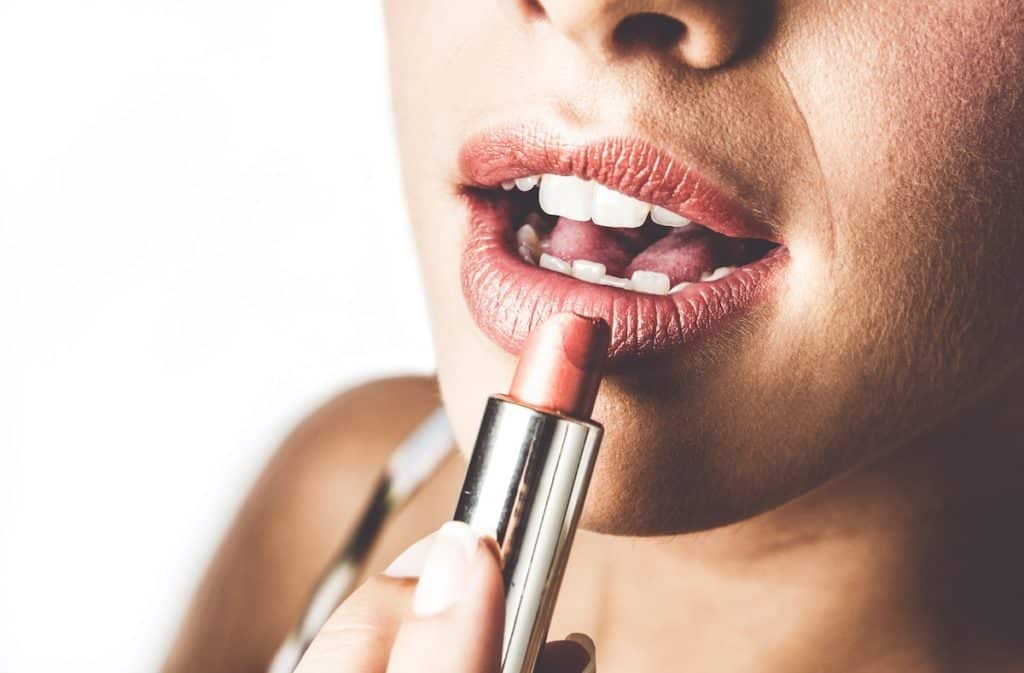
If you add balm over the lipstick instead, use only a small amount and press it on rather than rubbing. This creates a creamier or satin effect, but it can soften the colour and reduce transfer resistance.
Some balms are completely clear, while tinted or opaque balms can alter the lipstick shade. Test the combination on the back of your hand if colour accuracy matters.
For comfortable wear, look for a lip balm with emollient or occlusive ingredients such as beeswax, shea butter, cocoa butter, kokum butter, petrolatum, or compatible plant oils. The best choice is simply one that does not sting or irritate your lips.
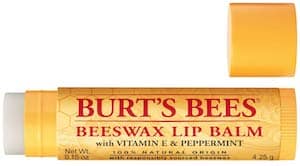
These are some of the balm ingredients that can make matte lipstick feel more comfortable:
Beeswax can give lip balm structure and leave a light protective film that helps reduce moisture loss from the lip surface.
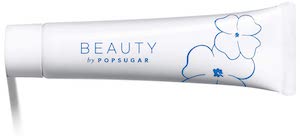
Shea butter is an emollient that can make dry lips feel softer and smoother. A fragrance-free formula may be more comfortable if your lips are easily irritated.
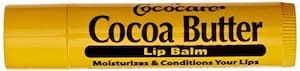
Cocoa butter is a creamy emollient that can soften the lip surface and reduce the rough feel of dryness.
It is often combined with waxes and oils in balms to create a richer, more cushioning texture.
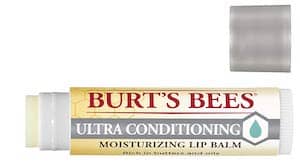
Kokum butter is another emollient butter that can help dry lips feel smoother.
Its richer texture can work well underneath matte lipstick when you apply a thin layer and blot before adding colour.
Extra tip: If your priority is reducing transfer rather than adding creaminess, a very light dusting of cosmetic translucent powder can help set some traditional lipsticks. Powder makes the finish drier and more matte, so skip this step if comfort is the main goal.
The powder absorbs some surface emollient and can reduce shine.
That may reduce transfer, although it can also make already-dry lips feel tighter.
Use a clean, small brush to apply only a tiny amount of cosmetic translucent powder that is intended for facial use.
Press it on lightly rather than rubbing. One thin layer is usually enough.
A translucent formula is less likely to noticeably change the lipstick colour than a tinted powder.
Avoid substituting baby powder or other non-cosmetic powders around the mouth. Use a product formulated and labelled for cosmetic use instead.
How to Make Matte Lipstick Glossy?
To make matte lipstick glossy, apply your lipstick as usual, then add a small amount of clear lip gloss or Vaseline over the top.
Tap on a thin layer of Vaseline or clear lip gloss and build only if you want more shine. A thicker layer can make the colour move or transfer more easily.
How to Prevent Matte Lipstick from Cracking
Even a comfortable matte formula can emphasize existing dryness. The following prep steps can help reduce flaking and cracking without promising to eliminate dryness completely:
- Exfoliate your lips
As we stated before, matte lipsticks tend to settle into the cracks and imperfections of lips.
This is partly because many matte formulas have less slip and set more firmly than cream lipsticks.
You can make cracking less noticeable by preparing the lips and removing only loose flakes before applying colour.
If your lips are flaky but not split or sore, use a gentle lip exfoliant occasionally. There is no need to scrub on a strict schedule.
You can also soften flakes with balm and gently wipe them away with a damp washcloth. Avoid aggressive scrubbing, especially when lips are cracked, bleeding, or irritated.
Afterward, pat the lips dry and apply a bland balm. A smoother surface can help matte colour apply more evenly.
- Apply moisture
Lip prep should not strip moisture from your lips. After gentle exfoliation, apply a comfortable lip balm and allow it to settle before adding colour.
A regular lip balm is usually the easiest option. Some people also like plant oils, but a formulated balm tends to stay in place better and may provide a more useful protective film.
You do not need to avoid glycerin or hyaluronic acid. Both are humectants that attract water and are commonly used in lip products.
For very dry lips, humectants can work especially well when the formula also contains emollient or occlusive ingredients that help reduce water loss.
- Don’t apply too much moisture.
You don’t want to overdo moisture. Otherwise, you will compromise the matte effect.
A lip primer is optional, but it can create a smoother-feeling base and improve the way some lipsticks apply.
Apply primer before lipstick if you find that it improves grip or evens out the surface. Not every matte formula needs one.
These steps can reduce visible flaking and cracking, but the result still depends on the lipstick formula and the condition of your lips.
The final step is applying the lipstick in thin, even layers, letting each layer settle before deciding whether you need more colour.
If your lipstick still looks uneven or feels uncomfortable after basic prep, the following tips can help with application and touch-ups.
The tutorial below demonstrates a lighter-handed matte lipstick application that can help the finish look less heavy.
- Utilise a lip liner
A lip liner can be useful before matte lipstick if you want a cleaner outline or extra control around the edges.
Lip liner can define the edges, reduce feathering with some formulas, and give you a guide for cleaner application.
It does not directly prevent dryness or cracking, so keep lip prep separate from liner application.
- Maintain your look
Long-wear matte lipstick may still need touch-ups after eating or drinking. If the lips start to feel dry, press on a small amount of balm and reapply colour only where needed. Keep in mind that balm can increase transfer and may shorten wear time.
How to Soften Dry Lipstick?
If lipstick feels dry while you are wearing it, press a small amount of your favourite lip balm over the lips. For the next application, try balm underneath the lipstick and blot the excess first.
There is no need to avoid glycerin simply because it is a humectant. Instead, stop using any balm that personally causes stinging, irritation, or worsening dryness.
Why is Matte Lipstick so Dry?
Matte lipsticks are designed to reflect less light and often use lower-shine emollients, more pigment, absorbent powders, or film-forming ingredients to create that effect.
Those choices can create rich colour and long wear, depending on the formula.
The trade-off is that some matte formulas have less slip and can feel drier or tighter than creamier lipsticks.
How Can I Make My Lipstick Matte?
If you prefer the shade of an existing cream or satin lipstick, you can make the finish look more matte without buying a separate formula.
A simple method is to blot with tissue and use a very small amount of cosmetic translucent powder.
You can also blot the lipstick with tissue and use a small amount of cosmetic mattifying or translucent powder to reduce shine. Avoid using baby powder around the mouth.
These techniques can make a cream lipstick look more matte and may reduce transfer, although they can also make the lips feel drier.
How Do You Keep Matte Lipstick From Drying Out?
If you like the matte look but dislike a very dry feel, look for formulas described as soft matte, velvet matte, mousse, or satin-matte rather than assuming a liquid matte will be more comfortable.
Liquid matte formulas can be especially long-wearing, but some are also among the driest. Comfort varies significantly from one product to another.
If a lipstick feels too dry, avoid adding oil directly into the tube or bottle. Altering the product can change its texture, wear, preservation system, and stability.
Instead, apply a small amount of balm or lip-safe oil to your lips first, blot the excess, and then apply the lipstick.
If you want to mix textures creatively, place a little lipstick on a clean palette and combine that single-use portion with balm rather than modifying the whole product.
Any added balm or oil can change the finish and lasting power, so expect more slip, shine, or transfer as you make a matte formula creamier.
The benefit is improved comfort, but the trade-off is usually a softer matte effect.
Apply a thin layer of lip balm before your matte lipstick, then blot away excess so the colour still grips well.
This can help the lips feel smoother and more comfortable, especially when the lipstick itself has very little slip.
To reduce feathering, blot away excess balm before lipstick and consider using a compatible lip liner around the edges.
If your lips remain painfully cracked, swollen, blistered, or irritated even without lipstick, stop using the triggering products and consider medical advice if the problem persists.
Frequently Asked Questions
Should Lip Balm Go Before Or After Matte Lipstick?
Use balm before lipstick when you want to keep the finish as matte as possible. Apply a thin layer, let it settle, and blot the excess. Use balm after lipstick when comfort matters more than a perfectly matte finish, because it can add shine and increase transfer.
Can You Add Oil Directly To Matte Lipstick?
It is better not to add oil directly to the tube or bottle. Changing the formula can affect texture, wear, stability, and preservation. If you want a creamier texture, mix a small amount of lipstick with balm on a clean palette for that application only.
Why Does Matte Lipstick Look Cracked?
Matte lipstick can emphasize flakes and lip lines because it usually has less slip and a flatter finish than cream lipstick. Dry lips, too much product, repeated touch-ups, and very long-wear formulas can make cracking more noticeable.
Wrap Up
The easiest way to make matte lipstick feel creamier is to adjust your lip prep and the amount of balm you use rather than changing the lipstick formula itself.
A thin layer of lip balm underneath the lipstick gives the most matte-looking result. A tiny amount tapped over the lipstick creates a softer, creamier finish.
Whichever method you choose, remember that more balm generally means more comfort but also more shine and transfer.
Applying balm before matte lipstick, then blotting the excess, is the better choice when you want to preserve a matte appearance.
If you wear matte lipstick regularly, the best routine is usually the one that balances the finish you like with the amount of comfort and transfer you can live with.
Related Articles
Can You Put PolyGel Over Acrylic?
13 Best Setting Powders For Dry Skin Of 2025
Eyeliner On Lower Lid Only (What To Do + What To Avoid)