What Is A Japanese Manicure? (+ At-Home Guide)
A Japanese manicure gives your own nails a glossy finish without colored polish or extensions. The classic P.Shine method uses a polishing paste, a finishing powder, and separate buffers. It can suit someone who likes the look of bare nails but wants a little more shine.
The important catch: a glossy surface does not prove that a damaged nail has healed. Buffing is still a physical treatment, and doing too much can make nails thinner. Choose the method for its finish, rather than a promise that it will repair peeling nails or make them grow faster.
Below, we’ll look at the different kits, the basic routine, and what to ask before booking a salon appointment.
As an Amazon Associate, we earn from qualifying purchases.
What Is A Japanese Manicure?
In this guide, “Japanese manicure” means a natural-nail buff-and-shine treatment, usually associated with P.Shine. The company sells both a paste and a separate powder as refills for its classic kit. The paste is worked over the nail surface with one buffer; the powder is used with another to finish the shine.
The result follows the shape and color of the nail you already have. It doesn’t add length, build a new apex, or give every nail the same pink shade. You can ask a salon what products and preparation it includes, because the name alone doesn’t tell you the full service.
A kit sold as “Japanese nail care” may use a multi-sided buffer and serum instead of paste and powder. That can give a polished look too, but the products and instructions are different. Don’t replace one kit’s steps with another kit’s routine.
The existing CrystalNailsTv demonstration below shows the paste-and-powder style. Use your own kit’s directions for amounts and handling; the video isn’t a reason to copy aggressive surface filing or cuticle work.
Benefits And Limits
- A neat, shiny finish while keeping your own nail length and color.
- No colored coating or extensions to remove afterward.
- A simple choice for someone who prefers the appearance of bare nails.
The finish gradually dulls rather than chipping like a painted layer. However, “natural” does not mean chemical-free, allergy-free, or impossible to damage. Check the actual ingredients and the buffer material instead of assuming every kit contains the same vitamins, minerals, or animal-derived components.
Skip surface buffing when nails are very thin or sore. Onsen’s own buffer guidance warns that overuse can make nails thin or weak. More sessions aren’t automatically better.
Japanese Manicures Vs Regular Manicures
| Finish | What to expect |
|---|---|
| Japanese paste-and-powder manicure | Shine on your existing nails, without adding length or an opaque color. |
| Regular nail polish | A painted coating. It air-dries and needs remover when you change it. |
| Gel polish | A colored coating cured under a lamp, with a separate removal process. |
| Acrylic or other extensions | Added structure or length, followed by maintenance and removal. |
A regular polish manicure does not require a curing lamp. Gel polish does, so it isn’t accurate to describe all other manicures as UV treatments. A Japanese manicure also isn’t the same as a Russian manicure, which describes a different approach to nail and cuticle preparation.
Choose by the result you want: a bare-nail shine, a changeable color, or extra length. If you’re comparing painted finishes, our gel overlay versus gel polish guide explains that distinction.
Which Kit Should You Buy?
Start with the method, then check the exact contents. The product listings below were checked on October 11, 2026. Seller, pack contents, availability and prices can change. These are product comparisons, not hands-on test results.
For separate paste and powder: the P.Shine Japanese Manicure Kit listing describes a paste-and-powder system with buffing tools. Check the seller, sealed packaging and included instructions. P.Shine also publishes an official distributor directory if you want to check a source. A refill alone is not a complete starter kit.
For a broader buffer-and-care set: the Onsen Ultimate Nail Reboot Kit currently lists a buffer with replacement pads, a file, cuticle serum, nail oil and hand cream. It is an alternative care routine, rather than the classic two-stage P.Shine method. Check the exact pack before buying; smaller Onsen sets contain different items.
For a cream-and-leather-buffer method: the previously featured Joligel listing describes a 50g buffing cream, a leather buffer and a polisher. Its directions differ again, including a warning that the polished surface can reduce nail-polish adhesion. Don’t treat that cream as an interchangeable P.Shine powder refill.
Buy one coherent system with readable instructions. Mixing a coarse buffer, an unrelated buffing cream and disposable polish-remover wipes does not recreate the traditional kit. If avoiding leather matters to you, check the material of every included buffer.
What You’ll Need At Home
- Your chosen kit, including the correct buffers and its instructions.
- A clean nail file for shaping the free edge. A ceramic file is not a universal requirement.
- A clean towel and whatever cleaning supplies your tools require.
- Hand cream or cuticle oil for aftercare.
If your kit already includes oil, there’s no need to buy a duplicate. Otherwise, Sally Hansen Vitamin E Nail & Cuticle Oil is a separate aftercare option for conditioning dry nails and cuticles. It is not a substitute for polishing paste or finishing powder.
How To Do A Japanese Manicure At Home
Read the supplied instructions before starting. The outline below is for the paste-and-powder method; a buffer-and-serum kit has its own sequence.
- Start clean and dry. Remove existing polish using its proper removal method. Don’t peel off gel or extensions to prepare for buffing.
- Shape the nail edge. Work on the free edge with your file. Don’t use a shaping file to grind down the whole nail surface.
- Leave the cuticles intact. Don’t cut them or force them backward. The American Academy of Dermatology advises against cutting or forcefully pushing back cuticles because this can allow infection.
- Apply the paste with its designated buffer. Follow the kit’s amount and technique. There is no single paste amount that works for every product.
- Finish with the powder and its separate buffer. Use light pressure and the kit’s directions. Stop if friction feels hot or painful; repeatedly polishing the same spot is not a way to improve the result.
- Finish your aftercare. Wipe residue as directed, then use your chosen hand cream or cuticle oil. Clean and store tools according to their instructions.
Keep the paste buffer and powder buffer separate so you don’t mix the stages. Avoid treating a rough shaping surface as a shine surface. If you’re unsure which side or product to use, pause and check the instructions instead of working harder until the nail looks glossy.
How Long Does A Japanese Manicure Last?
Expect the shine to fade with wear. The current P.Shine Amazon listing advertises up to two weeks, but that is a seller claim, not a guarantee for your nails. Handwashing, cleaning and the particular finish will affect how it looks.
Don’t redo a full abrasive routine every time the shine dulls. Follow your kit’s schedule and take the condition of your nails into account. You can keep up ordinary moisturizing without repeating the buffing steps.
Want to add colored polish later? Check the kit’s instructions first. Oily residue or a very slick surface can interfere with adhesion, and a universal “wait one day” rule won’t cover every system.
How Much Is A Japanese Manicure?
Ask your salon for a current quote and what it includes. A basic shape-and-shine service, cuticle preparation and added hand care may be priced differently. One price range won’t cover every location.
For home use, compare the full starter kit with the cost of replacement paste, powder or pads. A cheap refill may need buffers you don’t own, while a larger care set may include products you already have. Check the current price and delivery cost before deciding.
Is A Japanese Manicure Good For Your Nails?
A Japanese manicure is a cosmetic finish, not a treatment plan for damaged nails. Promises that a paste strengthens nails “from the inside” or that repeated buffing is risk-free are not a sound reason to buy a kit.
If nails are painful, lifting, unusually discolored, or persistently peeling, get advice from a dermatologist before covering or buffing the problem. Keep cuticles intact and choose moisturizing care rather than trying to polish damage away.
Before You Book A Salon Appointment
- Ask whether it is a paste-and-powder service or a different buff-and-care routine.
- Ask how the tools are cleaned and whether porous buffers are personal or disposable.
- Say if you have thin nails, irritation, an ingredient sensitivity or a preference about leather tools.
- Ask what preparation, aftercare and repeat schedule the quoted price includes.
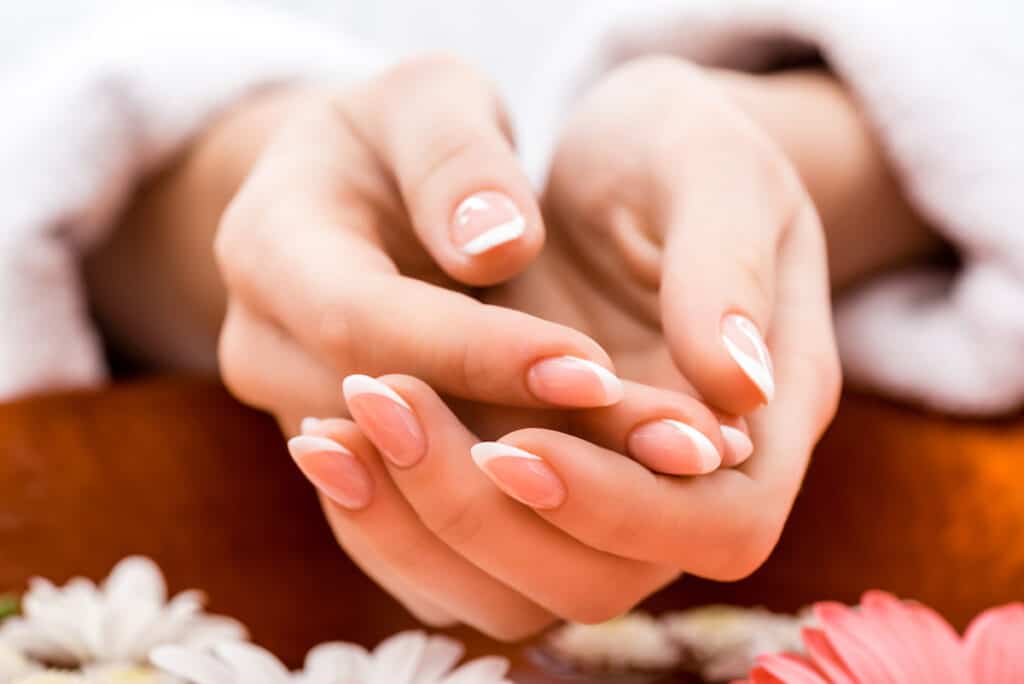
The best reason to choose this manicure is that you like a clean, glossy bare-nail look. A clear explanation of the products and a gentle technique matter more than promises about “detoxing” or repairing nails.
The existing video below offers another demonstration. Check its routine against the directions for the products you actually own.
Related Articles