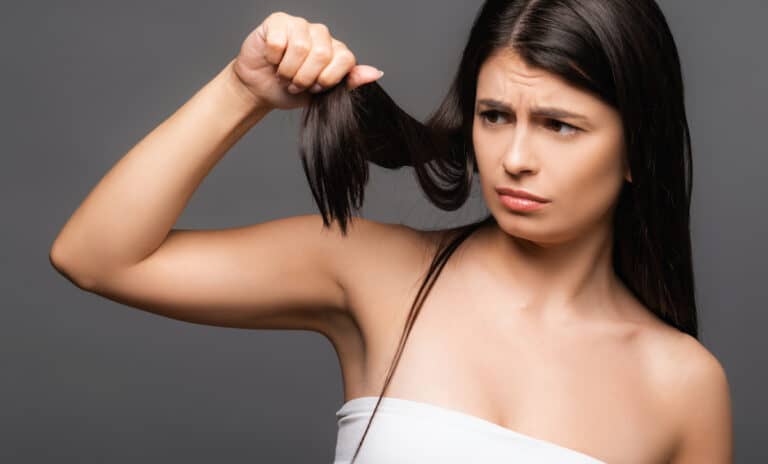

What Color Covers Orange Hair – And How To Fix It
Changing your hair colour can completely shift your look, but correcting an unwanted shade takes more planning than simply layering another dye on top.
An unwanted orange result can happen after bleaching, fading, colour removal, or a dye job that did not reach the shade you expected.
Some hair colours can fade warmer over time, revealing orange or brassy undertones that were already present in the hair.
Orange hair can be intentional, but when it appears unexpectedly it usually means warm underlying pigment is still visible.
You can choose to dye your hair orange on purpose, or orange can appear when lightening exposes warm underlying pigment or when an existing colour fades unevenly.
The safest correction depends on whether you want to neutralise the orange, cover it with a darker shade, or lighten past it.
Orange is a warm tone. When it appears unintentionally in blonde or lightened hair, it is often described as brassiness.
During lightening, darker hair often passes through red and orange stages before reaching yellow or pale blonde, so an orange result may simply mean the hair has not lifted as far as expected.
If the hair is already dry, stretchy, weak, or heavily processed, the safest correction may need to happen in stages rather than in one session.
So, what colours cover orange hair?
True orange is most directly neutralised by blue. Purple is better for yellow or very pale yellow-orange. If the hair is already at the depth you want, use a compatible blue-based toner, toning product, or cool shade. If it is still too dark because it stopped lifting at orange, toner will not make it lighter, and further lightening should only be considered if the hair can safely tolerate it.
Depending on your goal, options include blue toners, blue-pigmented shampoos or conditioners, a compatible ash or cool-toned colour, or a deeper neutral/cool brunette shade.
The most important step is matching the correction to both the undertone and the level of the hair rather than choosing a product simply because it says “ash” or “purple.”
What Covers Orange Hair At A Glance?
- True orange at the level you want: use a compatible blue-based toner or blue-depositing product.
- Pale yellow-orange: purple or blue-violet may be enough, depending on which tone is more visible.
- Orange hair that is still too dark for your target blonde: toner cannot make it lighter. Further lightening may be needed only if the hair is healthy enough.
- Orange hair you want to take brunette: a neutral or cool brown at the same depth or darker can provide more reliable coverage than trying to force the hair lighter.
- Very light, porous hair going much darker: a filler may be needed so the darker result does not look hollow, khaki, or uneven.
- Stretchy, gummy, snapping, or severely dry hair: pause bleach and strong oxidative colour until the hair has been professionally assessed.
How Does Hair Become Orange?
Before you fix orange strands, identify whether the warmth came from under-lifting, fading, previous dye, colour removal, or an intentional fashion shade.
That distinction matters because a toner can refine unwanted warmth, while it cannot replace the lightening that would be needed to reach a much paler level.
Common routes to an orange result include the following:
Orange hair can arise in several different ways, and the cause matters when choosing a correction.
For example, a previous colour can fade and reveal the warmer pigment underneath.
It can also be the result of bleaching.
If you are lightening darker hair toward blonde, the hair may stop at an orange stage before it reaches the target level.

Some people will see orange or red-orange undertones during the lightening process, especially when starting from a darker natural or previously coloured base.
Bleach can weaken the hair fibre, especially with repeated or overlapping applications, so another lightening session should only be considered if the hair is in good enough condition.
Lastly, you may have orange hair because you purposely dyed it orange.
Orange fashion colour can also be intentional, so first decide whether you want to remove it, tone it, or simply shift it to another shade.
Tone, Cover, Or Lighten: Which Do You Actually Need?
Before choosing a product, decide whether the problem is tone or level. This is the difference between correcting an orange cast and trying to make the hair significantly lighter.
- Tone it: choose this route when the hair is already light enough and you only want to reduce orange or yellow-orange warmth.
- Cover it: choose a compatible neutral or cool shade at the same depth or darker when you are happy to go brunette or deepen the colour.
- Lighten it further: consider this only when the orange means the hair stopped lifting below your target level and the hair can safely tolerate more lightening.
- Rest the hair: if the hair is gummy, snapping, very rough, or losing elasticity, postpone more bleach and strong oxidative colour rather than trying to correct everything immediately.
What Products Can Help Eliminate Orange Hair?
The best product depends on whether you need temporary toning, a stronger tonal correction, darker coverage, or simply better conditioning while the hair rests.
Before buying another dye, compare the current hair level with the level you actually want and assess how much chemical processing the hair has already had.
Hair colour can cover orange when the target shade is the same depth or darker and contains enough cool pigment to balance the warmth.
Hair colour can cover or redirect an unwanted orange result, but only if the new shade is dark enough and formulated with the right counteracting undertone.
Before another oxidative colour or bleach service, assess for breakage, excessive elasticity when wet, roughness, and scalp irritation.
Other common products that can conceal hair colours are toners, masks, and colour-depositing shampoos and conditioners.
Most of these products can be used at home and become a part of your hair care routine.
Hair Dye
If the hair is in good condition, you can choose a new colour that is appropriate for the current level and your target shade.
If your goal is to reduce orange rather than preserve warmth, look for a formula with enough blue or cool pigment to neutralise the unwanted undertone without going dramatically lighter than the current base.
A filler colour may be relevant when very light, porous hair is being taken significantly darker.
A filler is usually used when going significantly darker and the lightened hair is missing the warm pigments needed for a balanced brunette or darker result.
A filler can help restore missing underlying warmth before a darker colour is applied, but it is not automatically necessary for every orange-hair correction.
Toners
Toners deposit corrective pigment to refine unwanted undertones. They are mainly for adjusting tone, not for lifting dark orange hair into a much lighter blonde.
On blonde or lightened hair, toner can shift yellow, yellow-orange, or orange tones when the corrective pigment matches the undertone and the hair is already light enough for the target result.
Purple toner is best suited to yellow or yellow-blonde tones, while blue toner is generally more effective on true orange.
At-home toner frequency should follow the product instructions and your hair’s condition rather than a fixed every-couple-of-weeks schedule, because too much pigment can make porous hair look dull or overly cool.
If the hair is clearly orange rather than yellow, a blue-based correction is usually more relevant than a standard purple toner.
Masks
Another option is using a colour-depositing hair mask.
A conditioning colour-depositing mask may be useful when you want temporary toning plus slip and softness without another oxidative colour service.
It can deposit corrective pigment while conditioning the hair surface, although it does not repair severe structural damage inside the strand.
Hair masks can also have toning properties.
You can opt for one that deposits a natural hair colour like a cool brown, or you can opt for a toning mask with purple or blue pigments.
Leave a colour-depositing mask on only for the timing specified on the label, because porous hair can grab pigment quickly.
Using a hair mask is an easy 2-in-1 step you can do at home.
Shampoo & Conditioner
A shampoo and conditioner can support the condition of colour-treated hair, while a blue-pigmented formula can also provide gradual tonal maintenance.
Shampoo and conditioner should suit your scalp, hair texture, colour treatment, and current level of dryness or damage.
Better-conditioned hair may behave more predictably during styling, but severely damaged hair may still need time away from chemical services.
Also, you can opt for colour-depositing shampoos and conditioners.
Colour-depositing shampoos and conditioners can add small amounts of corrective pigment over repeated use, but they are usually less precise than a dedicated toner or professional colour formula.
A gentle cleansing and conditioning routine can help reduce dryness and friction between colour services.
Conditioning products can improve softness and reduce breakage, but they cannot restore chemically damaged hair to its untouched state. Colour-safe formulas may also help slow visible fading.
Which Colours Cover Orange Hair?
Orange can be stubborn because it may represent exposed underlying pigment rather than a superficial stain that simply washes away.
The correction may involve toning, darker coverage, fading an existing fashion colour, or further lightening if the hair is healthy enough and the target is substantially lighter.
You can sometimes lighten past orange with another bleach service, but that is only appropriate when the hair can tolerate more lightening and the previous application did not already compromise it.
The exact correcting shade should match the warmth you actually see rather than the shade name on the previous dye.
Basic colour theory gives you a useful starting point:
Blue and orange sit opposite each other on the colour wheel, which is why blue pigment is commonly used to neutralise visible orange.
If the hair is already at the correct level, a blue toner or blue-depositing product can help reduce visible orange.
Other options depend on whether the warmth leans more yellow, whether you are going darker, and how porous the hair is.
Match The Corrector To The Undertone
- Yellow: violet or purple is the classic correction.
- Yellow-orange: blue-violet or a formula designed for brassy blonde may be more suitable than pure purple alone.
- True orange: blue is the most direct complementary pigment.
- Very deep red-orange: simple purple shampoo is unlikely to do enough. A professional colour correction or a darker compatible target shade may be more realistic.
Highly porous sections can grab cool pigment faster than stronger sections, so always reassess frequently and use a strand test when the formula is stronger than a maintenance shampoo or conditioner.
Blue
Blue and orange sit opposite each other on the colour wheel, which is why blue is the most direct correction for true orange.
A blue toner can reduce orange warmth, but using too much on highly porous hair can leave the result overly cool, dull, or muddy.
A blue toner can help refine orange that remains after lightening when the hair is already at the level you want.
Toner is mainly for adjusting tone, not preparing the hair structurally for another bleach service.
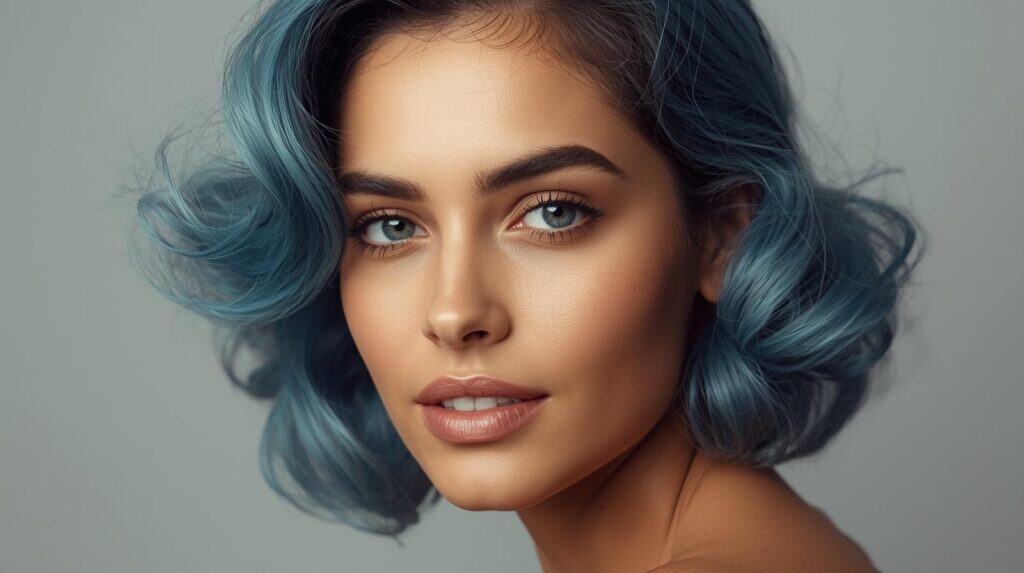
Overall, blue pigment is the most direct colour-correction choice for true orange, but the formula strength and the hair’s porosity still matter.
Always perform a test strand if you’re not sure how a blue product will affect your hair.
Purple
Purple is best for yellow. It may help when the unwanted warmth is very light and leans yellow-orange, but it is usually not strong enough for a saturated true orange.
Purple is the opposite of yellow on the colour wheel, so it may be more effective on light orange or yellowish hair.
A purple toner can refine yellow or yellow-orange tones after bleaching or fading, while stronger orange usually calls for more blue-based correction.
Whether the hair is ready for another chemical service depends on its condition, not on whether toner was used first.
Ash Blonde
An ash blonde can neutralise warmth only when the starting hair is already light enough for that blonde level.
An ash blonde can help only when the hair is already light enough for that shade. Hair colour generally cannot lift heavily orange, previously coloured hair and neutralise it at the same time without limitations.
Ash shades contain cool pigments that can reduce warmth, but choosing a shade that is too light or too cool can produce weak coverage, muddiness, or an overly grey result.
Neutral Or Cool Brown
A neutral or cool-toned brown is often more practical when you want to go darker rather than keep chasing a lighter blonde result.
A neutral or cool brown can cover orange if it is dark enough and properly formulated, although some warmth may still be needed in very porous blonde hair to prevent a hollow or khaki result.
You can also opt for a cool brown colour-depositing shampoo.
How Long Do You Need To Wait To Fix Orange Hair?
Whether you need to wait before recolouring depends on the previous service, scalp comfort, and the current strength, elasticity, and porosity of the hair.
Repeated bleach and oxidative colour can weaken the hair fibre, increase porosity, and reduce elasticity.
For example, bleaching your hair frequently and improperly can turn it into a brittle, straw-like texture.
Severely over-processed hair may feel gummy, overly stretchy, or weak when wet, which is a warning sign to avoid more bleach.
There is no single waiting period that makes damaged hair safe for another bleach application.
Condition matters more than the calendar.
There is no universal 2-8 week recovery window. Hair that is already damaged does not truly heal with time because the fibre is not living tissue, although gentler care can reduce further breakage while new hair grows.
For overly processed hair, avoid another bleach service until a professional has assessed whether the hair can safely tolerate it. Waiting a fixed number of weeks does not guarantee that compromised lengths become bleach-ready.
A deposit-only colour may be less stressful than bleach or high-lift colour, but timing should still be based on scalp comfort, hair condition, and the product instructions rather than a fixed interval.
How To Fix Orange Hair With Box Dye?
A box dye can sometimes cover orange hair, especially when the target shade is the same depth or darker, but the result depends on the current level, colour history, porosity, and undertone of the chosen shade.
Choose a shade with enough blue or ash pigment to counter the orange, but avoid going so cool that porous sections turn muddy or grey.
If your hair is long or very dense, make sure you have enough product for complete, even saturation rather than stretching one kit too far.
Conduct a strand test first because orange hair can absorb cool pigment unevenly, especially if it has been bleached.
A filler is usually relevant when going much darker on very light, porous hair. It is not a universal step for neutralising orange.
Follow the box dye instructions, including allergy testing, mixing, timing, and application guidance.
Most permanent kits combine colour with developer, which means they are an oxidative chemical service rather than a simple deposit-only toner.
Leave the colour on only for the required processing time, then rinse and condition according to the product instructions.
Will Light Ash Blonde Cover Orange Brassy Hair?
Light ash blonde can only neutralise orange effectively if the hair is already light enough for that shade. It will not reliably cover a dark orange base simply because the shade name says “ash.”
Cool or ash pigments can reduce warmth, but the shade level still has to be realistic for the current base.
If the hair is already at a light blonde level with mild orange-yellow warmth, a light ash blonde or appropriate toner may help refine the tone.
However, you may need to maintain your hair after colouring it with light ash blonde.
Hair colour still fades with time, and it’s possible that brassiness can return.
You can choose to use a toner for maintenance or seek help from a professional stylist.
Purple Dye Over Orange Bleached Hair
Purple dye over orange hair is not the same as using a purple toner on yellow blonde hair.
A vivid purple dye deposits much more visible colour than a corrective purple toner.
A dye is intended to create a broader colour change, while a toner is generally used to refine unwanted undertones on already-lightened hair.
A purple toner may reduce yellow-orange warmth, but true orange usually requires a more blue-based correction.
However, it depends on how light the hair is after bleaching.
Putting purple dye over orange can produce burgundy, brownish, or muddy results depending on the exact shades involved.
Addressing the varying shades of orange in your hair can determine if purple dye can work for you.
If the warmth is very light and close to yellow, purple may help shift it cooler, but the result is less predictable with a full purple dye than with a toner designed for the starting level.
Always perform a test strand to ensure a purple dye is suitable for your orange hair.
Blue Dye Over Orange Hair
Blue dye also behaves differently from a blue toner.
Layering a strong blue fashion dye over orange can produce teal, greenish, brownish, or muddy results depending on the pigment balance and starting depth.
A blue toner is designed to refine orange warmth, while a vivid blue dye is designed to make the hair visibly blue.
A blue toner is designed to adjust unwanted orange undertones without necessarily creating a vivid blue result.
A blue dye deposits much more visible colour, so layering it over orange can create teal, greenish, or muddy tones rather than a neutral blonde or brunette.
Performing a test strand is a great way to see if the blue dye will be effective for your hair.
How To Get Rid Of Orange Hair Safely
Before a chemical colour correction, it is useful to understand the difference between an allergy alert test and a strand test.
A strand test previews the colour result and can reveal obvious breakage risk on a small section, while an allergy alert test is intended to screen for possible skin reactions to oxidative hair colour.
Testing helps reduce surprises, especially when the hair has uneven porosity or a complicated colour history.
Patch Test
You should conduct a patch test if you’re worried about how the dye or hair product will affect your skin.
For example, sometimes colours can irritate your scalp and surrounding skin.
Hair dye can cause skin irritation or, in some people, a serious allergic reaction. Breakage is a separate risk related to the hair fibre and chemical processing.
For oxidative hair dye, follow the manufacturer’s allergy alert test instructions exactly.
Do not substitute a generic DIY patch-test method if the product label provides a specific allergy testing protocol.
Many permanent hair colours specify testing about 48 hours before each use, but the exact preparation, location, and timing should come from the product instructions.
Passing an allergy alert test does not guarantee that a reaction cannot occur, so stop and seek appropriate care if you develop swelling, hives, breathing difficulty, or a severe burning reaction.
Test Strand
A test strand will be a crucial step in fixing orange hair.
Colour correction can behave unpredictably on porous or previously processed sections, which is why a small test section is so useful.
A strand test can reduce surprises, but it cannot guarantee that the full head will process identically if porosity and previous colour vary.
First, mix your desired hair colour.
Then, you’ll want to section off a small area of hair on the back of your head.
Next, apply the colour to that one section and allow it to process.
Finally, rinse and see if you are happy with your results!
Strand tests can help you judge processing and colour response on a small area before committing to the full head.
Best Products That Help Eliminate Orange Hair
What products can you use to eliminate orange hair?
We mentioned earlier that it’s great to invest in a shampoo/conditioner, a deep conditioning mask, and a toning product.
You can even opt to use a cool-toned hair colour to conceal the orange.
The products below serve different purposes, so choose by whether you need toning, colour, conditioning, or routine cleansing rather than treating all four as interchangeable.
Which Product Type Fits Which Goal?
- Redken Brownlights: best matched to gradual blue toning and brass maintenance.
- Clairol 8A Light Cool Blonde: a permanent colour option only when the starting level is appropriate for a light cool blonde result.
- Kenra Nourishing Masque: conditioning support for dry or processed hair, not a direct orange neutraliser.
- Colour Wow Colour Security Shampoo: colour-safe cleansing and maintenance, not a blue toning treatment.
1. Redken Colour Extend Brownlights Blue Conditioner
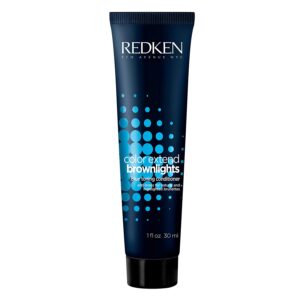
Redken Colour Extend Brownlights Blue Conditioner is the most directly toning-focused product in this list.
The Redken Colour Extend Brownlights Blue Conditioner deposits blue pigment to help reduce visible orange warmth, especially in brunette or highlighted hair.
This can be useful for maintaining a cooler tone between colour appointments, although brassiness can still return as deposited pigment fades.
Brassiness can return as deposited cool pigment fades and warmer underlying tones become more visible again.
This colour-depositing conditioner can visually soften orange warmth over one or more uses, depending on how porous the hair is and how strong the brassiness is.
It is a sulfate-free formula with conditioning ingredients that may leave the hair feeling softer while adding blue pigment.
Regular toning may help you go longer before you feel the need for another colour-refresh appointment.
Follow the current Redken timing directions and reassess the tone before repeating, especially on very porous or pale sections.
Rinse thoroughly and reassess the tone before repeating, because porous sections can take on blue pigment faster than others.
2. Clairol Professional Permanent Creme Hair Colour 8A Light Cool Blonde
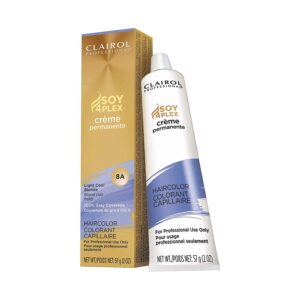
If you want to move from orange toward a cooler blonde, a permanent cool-toned colour is one option to consider when the starting level is appropriate.
A cool-toned permanent colour can be useful when the current base and target level are compatible.
Clairol’s Professional Permanent Creme Hair Colour deposits cool pigment, but the result depends heavily on your starting level, previous colour, and developer choice.
8A Light Cool Blonde is relevant only when the starting hair is already light enough for that level and a permanent colour service is appropriate.
This shade may help when the hair is already light enough for an 8A result. It will not reliably lift darker orange hair to a clean light ash blonde in every situation.
The formula includes a soy complex, but permanent colour is still a chemical service and should not be treated as a repair treatment for damaged hair.
Conditioning ingredients may improve the feel of the hair after colouring, but they do not undo structural damage from previous bleach or dye.
The Professional Hair Colour Creme has a thick consistency designed for controlled application, while shine and softness will vary with the condition of the hair.
Follow the directions for the best results and to see how much developer or colour is required.
3. Kenra Nourishing Masque Deep Conditioning Treatment
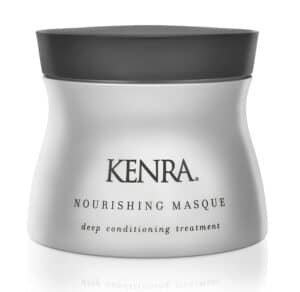
A deep conditioning mask can be useful if bleached or colour-treated hair feels dry, rough, or difficult to detangle.
A mask can improve softness and manageability between colour services, but it cannot guarantee that compromised hair becomes strong enough for another bleach session.
Kenra’s Nourishing Masque Deep Conditioning Treatment is designed to condition dry or damaged-feeling hair and improve slip.
This type of mask is aimed at softness, slip, and manageability rather than directly neutralising orange pigment.
After the recommended processing time, the hair may feel smoother and easier to detangle, although that cosmetic improvement does not mean structural damage has been reversed.
This can help improve softness and reduce friction over time, which may make fragile hair easier to manage.
Although it is marketed broadly, heavier conditioning masks may suit some hair textures better than others.
4. Color Wow Color Security Shampoo
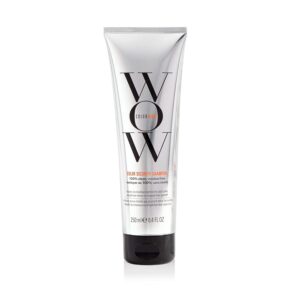
Colour Wow Colour Security Shampoo is a maintenance cleanser rather than a toning product.
The Colour Wow Colour Security Shampoo is marketed as a colour-safe cleanser designed to remove oil and buildup without intentionally depositing corrective pigment.
It can support a colour-maintenance routine, but it does not directly neutralise orange the way a blue toning product does.
Colour Wow markets the shampoo as residue-free. “Clean” is not a standardized safety or performance category for haircare.
It is marketed for multiple hair types, including colour-treated hair, but individual scalp and hair needs still vary.
A colour-safe shampoo may help slow unnecessary fading compared with harsher cleansing routines, but no shampoo can completely prevent colour change.
The Colour Security Shampoo is designed to cleanse without leaving heavy residue. Effects on frizz and volume will depend on the rest of the routine and hair type.
Lather it in wet hair and rinse according to the label. A second shampoo is optional rather than necessary for everyone.
It may suit people looking for a regular colour-safe shampoo between toning sessions.
When To See A Hairdresser To Fix Orange Hair
Colour corrections can be unpredictable because previous dye, bleach history, porosity, and uneven undertones all affect the result.
At-home correction is most predictable when the problem is mild, the hair is in good condition, and you are making a small tonal change rather than a major level change.
If the colour is still patchy after one careful attempt, or you are unsure whether the hair can tolerate another chemical service, stop and see a stylist.
If repeated at-home attempts are making the colour patchier or the hair feels weaker, stop adding chemicals and see a stylist before trying another correction.
A professional can assess the starting level, remaining undertones, porosity, elasticity, and previous colour history before choosing the next step.
Also, a colour correction can take multiple sessions until you reach your desired hair colour.
However, a stylist can be with you every step of the way and even curate a healthy hair care routine at home.
Orange Hair Correction FAQs
Can Blue Shampoo Fix Orange Hair?
Blue shampoo can gradually reduce mild orange brassiness because blue neutralises orange. It is most useful for maintenance rather than major colour correction, and very porous hair can pick up blue unevenly if it is overused.
Will Purple Shampoo Cover Orange Hair?
Usually not if the hair is strongly orange. Purple is designed to neutralise yellow, so it works better on pale yellow or yellow-orange warmth than on a saturated orange base.
Can Ash Brown Cover Orange Hair?
A neutral or cool brown can cover orange when it is dark enough and properly formulated for the starting level. Very light, porous hair may need warmth restored before going much darker, so a strand test is especially important.
Can You Tone Orange Hair Without Bleaching Again?
Yes, if the hair is already light enough and you only need to change the undertone. Toner deposits corrective pigment but does not make an under-lifted orange base significantly lighter.
Why Is My Hair Still Orange After Ash Dye?
The ash shade may have been too light, too weak, or unable to overcome the amount of warmth in the starting base. Previously coloured hair may also resist lift, and highly porous sections can take the cool pigment differently from stronger sections.
Can You Put Dark Brown Or Black Over Orange Hair?
Darker shades can cover orange more easily than a much lighter blonde, but going very dark is a larger commitment and can be difficult to reverse later. On very light porous hair, the formula may also need appropriate underlying warmth for an even result.
Takeaway
Overall, the right way to cover or correct orange hair depends on whether you need toning, darker coverage, or additional lightening.
If your hair is strong enough and still needs to be lighter, another professional lightening session may be considered. If the level is already right, a blue-based toner or appropriately cool shade may be enough.
No single correction guarantees that all warmth will disappear evenly, especially on porous or previously coloured hair.
For maintenance, a blue toner, blue shampoo, blue conditioner, or colour-depositing mask can help keep orange warmth from becoming as visible between colour services.
These products can deposit corrective pigment while some formulas also condition the hair surface.
However, if you are ever in doubt, perform a test strand or see a hairdresser.
Related Articles:
Can You Use Fabric Dye On Hair?
Can I Dye My Hair Twice In One Week?
Best Platinum Blonde Hair Dyes