
Coffee Soap Benefits
For many people, coffee is a staple part of the morning, thanks in large part to caffeine’s stimulating effect.
For plenty of us, reaching for the coffee maker is almost automatic, especially when we want a familiar morning pick-me-up.
Coffee also appears in plenty of skin and body care products, especially soaps and scrubs that use coffee grounds for texture or coffee-derived ingredients for their cosmetic appeal.
That same ingredient also shows up in skin and body care, where it may be used for texture, scent, or cosmetic conditioning.
That does not make coffee a cure-all, though. Its usefulness depends on how the product is formulated, whether it contains abrasive grounds, and how well your skin tolerates the other ingredients.
Topical coffee products also work very differently from drinking coffee. A rinse-off soap will not give you the same caffeine effect as a cup of coffee.
Depending on the formula, coffee-based products may offer gentle exfoliation, a temporary refreshed look, or an enjoyable scent, but results are usually modest and cosmetic rather than dramatic.
Coffee is now used in many skin and body care products, including soap, scrubs, lotions, and eye products.
In soap, its role is usually tied to cleansing, scent, and physical exfoliation rather than treating a skin condition.
Many plant-derived and familiar ingredients are incorporated into soaps for their texture, scent, appearance, or conditioning feel.
Coffee is especially popular in body soaps and scrubs because the scent feels energising and the grounds can provide a scrub-like texture.
Depending on the product, that may come from coffee seed oil, coffee extract, fragrance, or finely dispersed coffee grounds.
So, while coffee is best known as a drink, it can also appear in a topical body-care routine in very different forms.
So, what are the benefits of coffee soap?
Coffee soap can be useful if you enjoy a scrubby bar with a rich scent. Products made with coffee grounds may provide physical exfoliation, while other formulas simply use coffee-derived ingredients for fragrance or skin feel. The exact benefits depend on the formula, and coarse grounds can be too abrasive for sensitive or facial skin.
Below, we’ll look at what coffee soap can realistically do, what to watch for, and who may want to skip a heavily exfoliating bar.
Below, we will break down what coffee soap is, what it can realistically do, how to use it, and when a gentler cleanser may be a better fit.
What Is Coffee Soap?
Essentially, coffee soap, such as this bar from Aspen Kay Naturals, is exactly what the name suggests: soap formulated with coffee-derived ingredients or coffee grounds.
Coffee can be added to soap in several forms, including grounds, oil, extract, or fragrance. How gentle the finished bar feels depends on the entire formula, not the coffee alone.
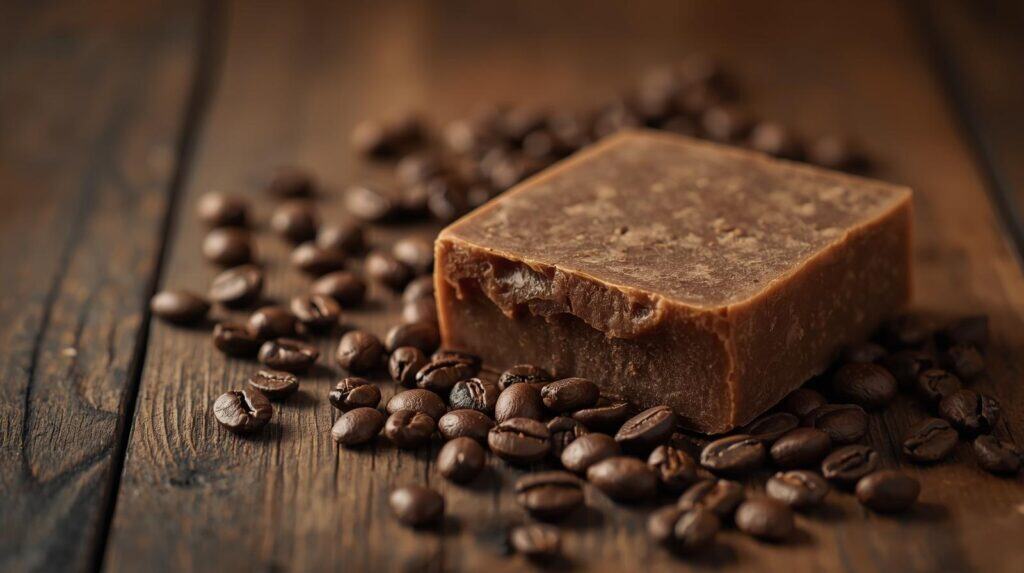
Some coffee soaps use coffee seed oil as part of the formula, while others rely more on coffee grounds, extracts, or fragrance.
Coffee seed oil is pressed or extracted from coffee seeds and can contribute to the bar’s conditioning feel and characteristic aroma, depending on how much is used.
It is also often made with coffee grounds that can be dispersed throughout the soap, offering exfoliating properties for the skin.
Although coffee is a natural stimulant, using coffee soap will not work the same way as coffee that is being consumed.
Topical coffee-infused products can make skin feel refreshed, but a rinse-off soap has limited contact time. Any brightening or de-puffing effect should be viewed as temporary and cosmetic.
As a bonus, the rich coffee scent can make a morning shower feel more enjoyable if you like roasted, warm fragrances.
If you enjoy coffee scents, using the soap in the morning can make your shower feel a little more energising, even though it does not provide the stimulant effect of drinking coffee.
The Benefits Of Coffee Soap
Coffee can play a useful role in body care, but its most dependable benefits in soap come from cleansing, scent, and exfoliation when grounds are present.
When coffee is included in soap, the result depends on whether the formula contains grounds, coffee oil, extract, fragrance, or a combination of these.
Some leave-on skincare products use caffeine or coffee extract for a temporary tightening or de-puffing effect, but soap is a rinse-off product and should not be expected to perform like a targeted serum or eye cream.
In a soap, the more noticeable benefit is usually the clean, refreshed feel after rinsing rather than a lasting change in puffiness or inflammation.
Caffeine is sometimes used in leave-on eye products for temporary de-puffing, but a coffee soap should not be used around the eyes or relied on to treat dark circles.
Coffee-derived ingredients also contain antioxidant compounds, although that does not make a rinse-off soap an anti-ageing treatment.
Regular cleansing and gentle exfoliation can make dull surface buildup look smoother and brighter, but coffee soap will not reliably fade hyperpigmentation or dark spots.
When coffee grounds are included, they act as a physical exfoliant that can help lift away surface flakes on areas such as the arms, legs, or torso.
If you are acne-prone, be cautious with coarse coffee grounds. Physical scrubbing can irritate active breakouts, and coffee soap should not be treated as an acne treatment.
For body care, massage and exfoliation may make skin look temporarily smoother. Coffee soap does not permanently reduce cellulite, although a freshly exfoliated surface can look more even for a short time.
Coffee contains antioxidant compounds, but how much benefit they provide from a rinse-off soap depends on the formula and contact time.
Do not confuse coffee itself with a dedicated niacinamide or vitamin B3 skincare product; a coffee soap is not a substitute for a leave-on treatment formulated with a measured amount of niacinamide.
Who Can Use Coffee Soap?
Coffee soap can suit many skin types, but it is not automatically ideal for everyone. Sensitive, very dry, eczema-prone, or acne-inflamed skin may react poorly to fragrance, a high-pH soap base, or coarse exfoliating grounds.
Whether a bar feels gentle or drying depends on its surfactants, oils, fragrance, and exfoliating particles. If your skin feels tight, itchy, or irritated after washing, use it less often or switch to a milder cleanser.
Coffee-derived ingredients also appear in serums, moisturisers, scrubs, lotions, and eye products, where the formula and contact time may be very different from a rinse-off soap.
If puffiness or uneven tone is your main concern, a purpose-made leave-on product is generally more appropriate than relying on coffee soap alone.
How Is Coffee Used In Skincare?
Coffee is incorporated into skincare products in various ways, depending on the specific product and the concern it aims to address.
While coffee soap is one popular product featuring this hero ingredient, coffee is also often found in various serums, moisturisers, lotions, and eye creams.
Different coffee-derived ingredients are used for different purposes, so a coffee scrub, caffeine eye cream, and coffee-scented lotion should not be expected to behave the same way.
In skin care, caffeine is commonly found in some eye creams and serums.
These products are usually marketed for temporary de-puffing and a more refreshed appearance around the eyes.
The moisturising base of an eye product matters just as much as the caffeine. Results also vary, especially for dark circles caused by genetics, pigmentation, or facial structure.
Coffee extracts also appear in some moisturisers, often alongside other antioxidant and conditioning ingredients.
For persistent sun spots or discolouration, sunscreen and proven leave-on brightening ingredients are more important than coffee-based products alone.
If you are looking to use a body care product that has coffee as a main ingredient, it is commonly found in various body scrubs.
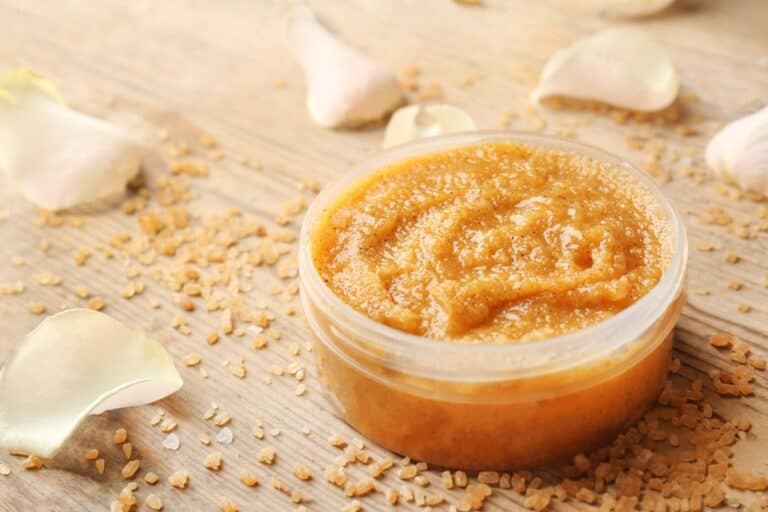
Coffee grounds can act as a physical exfoliant because of their texture. Finer particles and lighter pressure are generally less irritating than coarse grounds and aggressive scrubbing.
Not only will the scrub slough off any dead skin cells to reveal a brighter, smoother, and more even appearance,
The massage involved in scrubbing may temporarily make skin look smoother, but it should not be expected to permanently change cellulite.
Coffee scrubs and exfoliating bars are also popular, especially for body care, but particle size and pressure matter more than the ingredient name alone.
Do not assume coffee grounds are automatically suitable for the face. Many are too coarse for delicate facial skin and can aggravate sensitivity or active breakouts, so a gentler facial exfoliant may be a better choice.
Along with being a stimulating facial exfoliator, coffee is also a common ingredient that can be found in a variety of… face masks as well.
A coffee face mask may feel refreshing, but coffee is not an established acne treatment. Oily or acne-prone skin should look for formulas that are non-irritating and appropriate for blemish-prone skin.
If you are trying to fade post-acne dark marks, be especially careful not to over-scrub the area.
Daily sun protection and well-studied brightening ingredients are more dependable choices for discoloration than coffee alone.
While coffee appears in many types of skincare, remember that coffee soap is primarily a cleanser, and any exfoliating benefit comes from the grounds or other scrub particles in the bar.
How To Use Coffee Soap
Coffee soap is straightforward to use, but the best routine depends on whether the bar is smooth or contains noticeable exfoliating grounds.
The scent can feel invigorating, while the cleansing and exfoliating effect depends on the soap base and whether the bar contains grounds.
The fresh-brewed scent can make a morning shower feel more enjoyable, particularly if you already like warm, roasted fragrances.
If your coffee soap contains grounds, start by using it only a few times a week on the body and reduce frequency if you notice dryness, stinging, or irritation.
For the body, gentle exfoliation can leave the surface feeling smoother. For the face, a coarse coffee soap is often unnecessarily abrasive, especially on sensitive or acne-prone skin.
As with other soaps that contain household ingredients, there is also the possibility of creating your own customised coffee soap at home if you want to venture into the soap-making process.
Many DIY recipes add coffee grounds throughout the soap so the exfoliating particles are more evenly dispersed.
That can give the finished coffee soap a scrubby texture, but the grounds should be fine enough that they do not feel sharp or overly abrasive on the skin.
Whether you are making a DIY version of coffee soap or are purchasing one that is already made, there are a few ingredients that are commonly found paired with the star ingredient.
Essential oils are sometimes added to coffee soap for fragrance. They do not automatically make a soap more hydrating and can irritate fragrance-sensitive skin.
Coconut oil is also common in soap making because, once properly formulated and saponified, it can contribute to cleansing and lather. A high-coconut-oil bar may still feel drying on some skin, so the full recipe matters.
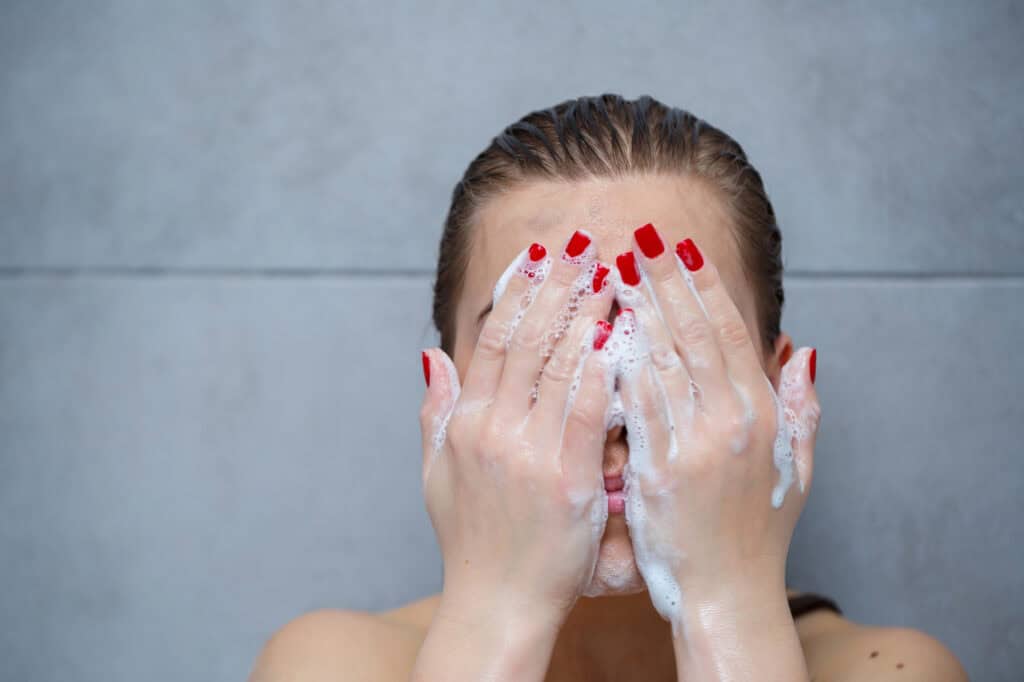
Along with coffee soap, if you are looking at coffee as a general skin care ingredient, a common combination is often found paired with vitamin C.
Vitamin C and coffee-derived ingredients can appear in the same routine, but a rinse-off coffee soap should not be expected to provide the same brightening effect as a properly formulated leave-on vitamin C product.
Other common ingredients to find paired with coffee soap are rosehip oil, green tea, or other ingredients that are rich in antioxidants.
Rosehip oil can contribute to the conditioning feel of a formula, while coffee grounds, when present, add physical exfoliation.
Green tea is another antioxidant-rich ingredient commonly used in cosmetics, although the overall benefit still depends on the complete formula and whether the product is rinsed off or left on.
Coffee soap can be a pleasant body cleanser if you enjoy the scent and your skin tolerates the formula without tightness, stinging, or excessive dryness.
If you have a specific concern such as acne, eczema, persistent dryness, or pigmentation, use targeted products designed for that concern rather than expecting the soap to do everything.
If you want to learn how to make coffee soap on your own, take a look at this tutorial from Sara’s Soap on YouTube.
Conclusion
Coffee is a popular ingredient in skin and body care, but its most realistic benefits in soap are relatively simple: cleansing, fragrance, and physical exfoliation when grounds are included.
Whether coffee soap suits you depends on your skin type, sensitivity, and the rest of the formula.
When used as a soap, coffee grounds can help lift away surface flakes and leave the body feeling smoother and freshly cleansed.
A coffee soap with grounds can be a noticeable physical exfoliator, which is why gentle pressure matters. More scrubbing is not necessarily better.
Some people tolerate that texture well, while others find it drying or irritating. Sensitive or compromised skin may do better with a smoother, fragrance-free cleanser.
Used gently, exfoliating coffee soap can temporarily make rough body skin feel smoother.
Leave-on caffeine and coffee-extract products are used for different reasons than coffee soap, so avoid assuming all coffee-based products provide the same results.
In particular, eye products formulated with caffeine are designed for the eye area, whereas soap should be kept away from the eyes.
The main takeaway is that how coffee is formulated matters. Drinking coffee, using a caffeine eye serum, and washing with coffee soap are completely different uses.
For many people, the biggest appeal is simply the coffee scent and the fresh, scrubbed feeling after a shower.
If your coffee soap contains noticeable grounds, you may prefer to use it occasionally rather than daily.
Use the coffee grounds mainly as a body exfoliant, and avoid leaving regular soap on the face as a mask. If your facial skin is sensitive or acne-prone, choose a purpose-made facial cleanser instead.
When making or buying a coffee soap, look at the full ingredient list and choose a formula that suits your skin. Remember that natural ingredients and essential oils can still cause irritation.
Overall, coffee may be a familiar everyday ingredient, but in soap its value is mostly practical and sensory rather than transformational.
If you enjoy the scent and texture, coffee soap can be a fun addition to a body-care routine. Use it gently, keep coarse grounds away from irritated skin and the eye area, and moisturise afterward if your skin feels dry.
Related Articles
I Drank Coffee Before Microblading – Should You Worry?
How Long Does It Take For Water To Clear Skin?