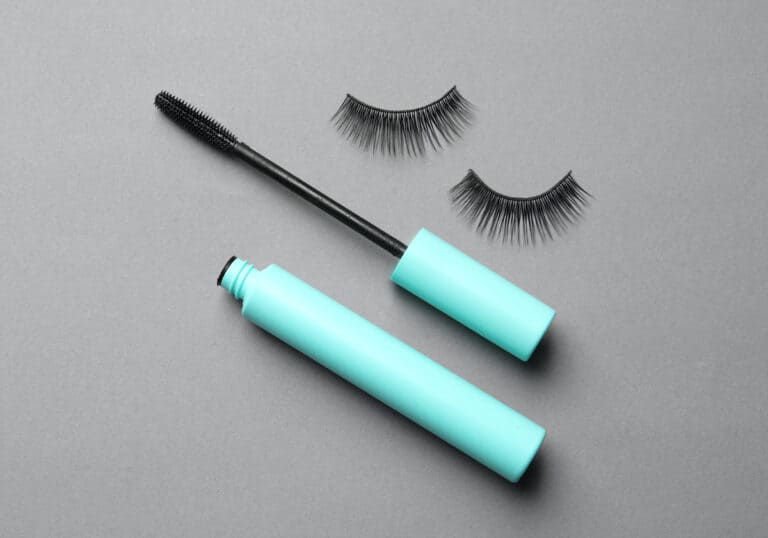

Brown Vs Black Mascara
Brown mascara usually gives softer definition, while black mascara creates a deeper, more noticeable lash line. Neither is reserved for a particular eye colour or skin tone; the right choice depends on the contrast you want.
If black feels too intense with your everyday makeup, brown is worth trying. If brown disappears against your lashes or smoky eyeshadow, black may give you the definition you’re missing.
Mascara is one of the most approachable eye products to start with because it can make a noticeable difference in just a few swipes.
Depending on the formula and wand, it can lengthen, add volume, define, separate, and deepen the colour of your lashes.
However, the wrong formula can be unflattering, flaky, runny, and give a raccoon eye effect.
Another characteristic most people don’t consider when choosing mascara is the color.
Most mascaras are black, but they are available in a wide variety of shades. Mascara can be brown, blue, purple, green, and more.
So, what’s the difference between brown and black mascara?
The main difference is colour intensity: brown tends to look softer, black tends to look bolder, and brown-black falls between them. Your natural lashes, brows, and eye colour affect the overall look. Length, volume, smudging, and wear depend mainly on the formula and brush, not the shade alone.
While colourful mascara often gets more attention, brown mascara is an easy way to soften a lash look without giving up definition.
Black mascara is a classic, but some people prefer less contrast around the eyes, especially for daytime or no-makeup-makeup looks.
Keep reading to compare how brown and black mascara differ in finish, contrast, versatility, and the kinds of makeup looks they create.
Brown And Black Mascara – Comparison
Black Mascara
Black mascara is one of the most commonly used mascaras.
It’s used to give length to your lashes, add volume, and saturate your lashes with color.
Choose black when you want your lashes to stand out against liner, a smoky eye, or a bare lid.
One light coat can still look understated. A dark shade does not require a thick, dramatic application.
For a softer result, remove excess product from the wand at the tube opening and start with a thin coat rather than loading up the tips.

However, you should choose the right formula and brush.
Black mascara can smudge or flake if the formula does not suit your lashes, and waterproof formulas can take more effort to remove.
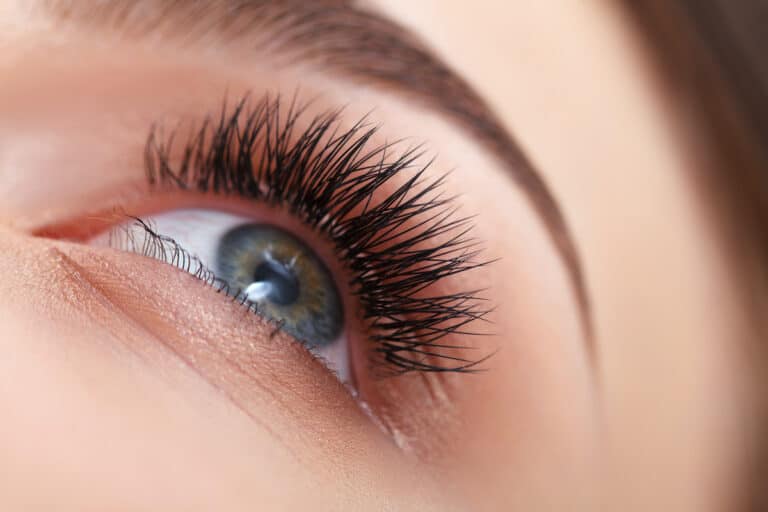
Black mascara offers intense pigment and saturation.
If you prefer a bold black lash look, you can compare the formula and brush of this striking black mascara.
For fair lashes, black mascara can coat your eyelashes to provide a bold finish.
On very fair lashes or with very soft makeup, black mascara creates stronger contrast, which can look dramatic if you were aiming for a more understated finish.
That doesn’t mean you can never wear it.
Black mascara can still look beautiful on lighter eyes and lashes. The main difference is that it creates a more defined, higher-contrast effect than brown.
This is especially true if you have light eyebrows and don’t darken them while wearing dark mascara.
Black mascara works across skin tones. It adds contrast to fair lashes and can help dark lashes remain visible alongside deeper eye makeup.
Even on dark lashes, black mascara can deepen the appearance of the tips as well as add definition. Strip lashes and salon extensions need different handling, so check the guidance on wearing mascara with lash extensions before applying it over extensions.
Overall, black mascara is the more dramatic and universally familiar option.
However, if you don’t think it’s flattering or natural-looking when paired with your own features, this may be a great time to try brown mascara.
Brown Mascara
Brown mascara is an easy option when you want definition without the full intensity of black.
Unlike bright coloured mascara, brown usually makes a subtle change to the overall makeup look. The difference can be most noticeable in daylight.
It is less commonly treated as the default, but it can be just as useful depending on the finish you want.
Brown mascara can soften the lash line on its own or blend beautifully with neutral, warm, and understated eye makeup.
There are so many shades of brown.
For example, if you love neutral tones, opting for a neutral brown mascara can complement your look.
Likewise, if you are warmer in tone or love warm-toned colors, you can choose a more reddish-brown mascara.
The various shades of brown mascara that are on the market allow you to customise your look completely. Brown mascara isn’t as intense as black mascara.
It is especially popular for soft everyday looks, including makeup paired with lighter lashes, warm hair colours, or low-contrast eye makeup.
Brown mascara can also work beautifully on deeper skin tones, dark hair, and dark eyes when you want a softer lash effect instead of maximum contrast.
Because brown comes in everything from soft taupe-brown to deep espresso, there is plenty of room to experiment.
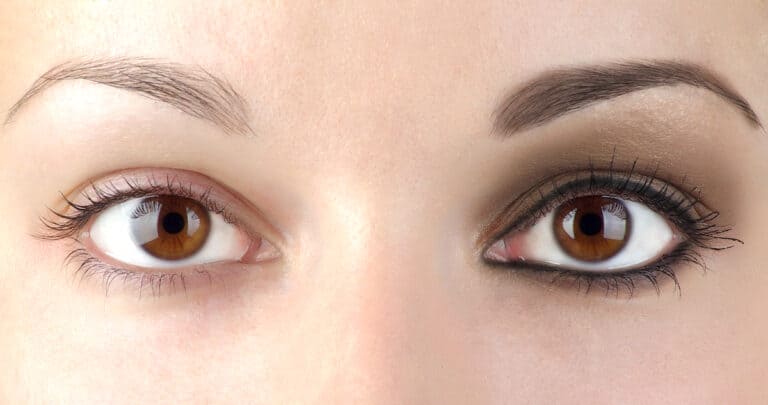
To compare fairly, try brown on one eye and black on the other with the same number of coats, ideally in the same mascara range. Check in natural light, both close up and at normal conversational distance.
If you want to change shades, removing the first coat gently and starting again gives a clearer comparison than repeatedly coating dry lashes.
If you’re considering test-driving brown mascara, this cocoa-colored pick is one option to compare. Check the current shade and formula details before buying, particularly if you prefer a cool brown over a warm cocoa tone.
Which One Is Best?
Eye Color
Your eye colour is a styling cue, not a rule. The same blue, green, hazel, or brown eyes can look striking with black mascara and softer with brown.
For blue eyes, a warm brown can create a pleasing colour contrast. For green or hazel eyes, reddish-brown tones may complement the warmer flecks in the iris. These are visual effects, not changes to your eye colour.
For brown eyes, espresso mascara can give gentle definition, while black creates a darker frame. Light brown mascara may be harder to notice if your lashes are already very dark.
If you are unsure, choose based on your lashes and brows first. Their colour often makes the difference between brown and black more obvious than the colour of your iris does.
Finish
Colour intensity and lash volume are separate choices. A volumising brown mascara can look fuller and heavier than a single coat of a separating black formula.
Choose black for a crisp lash line, stronger definition, or makeup where you want the lashes to be a focal point. Choose brown when you want the lash colour to blend more softly with the rest of your face.
The brush matters too. Look for a shape you can comfortably use at the roots and on shorter lashes without touching your eyelid. Build gradually rather than assuming extra coats will improve separation.
If you already love how a mascara wears, trying its brown version is a useful starting point. The shade can still behave slightly differently, so compare the finish as well as the colour.
Brown does not automatically smudge less than black. Choose the formula for your routine and follow its removal instructions; colour alone does not determine water resistance or flaking.
Eyelash And Eyebrow Color
Next is eyelash and eyebrow color.
Many people have blonde, red, grey, or light brown eyelashes and eyebrows, which can make mascara colour especially noticeable.
Those who have darker lashes usually use mascara for lengthening, volumising, or defining them.

Light eyelashes can be a struggle when they’re so light that they look like they don’t even exist in certain lighting.
Because of this, those with fair lashes often look for color saturation in their preferred mascara so that their lashes will show up.
Mascara can also help blend your natural lashes into fake strip lashes.
Black mascara will coat your lashes to match the fake ones if you have blonde lashes.
If your lashes become very dark while your brows stay much lighter, the look can feel more contrast-heavy than you intended.
If your lashes are naturally light and you prefer a softer finish, brown mascara can be a good option.
Especially if you want a natural or no-makeup-makeup look, or you prefer to leave your eyebrows light.
Brown mascara can still coat your lashes in a darker hue without needing extra eye makeup to balance out your look.
Even if you have extremely dark eyelashes, you can still get some use out of brown mascara.
On very dark lashes, brown mascara may read more subtly, especially on the lower lashes or when used for a softer daytime look.
Or you can just wear it on your bottom lashes. So, even naturally dark lashes shouldn’t shy away from brown mascara.
For the most natural result, make sure pale lash roots are coated as well as the tips, while keeping the wand off your skin.
Skin Tone
Both shades can work on fair, medium, deep, and dark skin. Think about how the mascara looks beside your natural lashes and brows rather than matching it to a skin-tone category.
On fair skin with pale lashes, brown often gives a gentler transition. Black makes a more visible statement, which may be exactly what you want.
On deeper skin or naturally dark lashes, a very light brown may look less defined or show as a warmer tint. Deep espresso or brown-black is a useful starting point if you want softness without losing too much depth.
Undertone is another way to refine the choice. Warm cocoa or reddish-brown can suit bronze makeup; a neutral or cooler brown can sit more quietly beside taupe shadow. You do not need to match every product to your skin’s undertone.
Check the result in daylight before deciding that a shade is too warm, too light, or too dark.
Eyeshadow Look
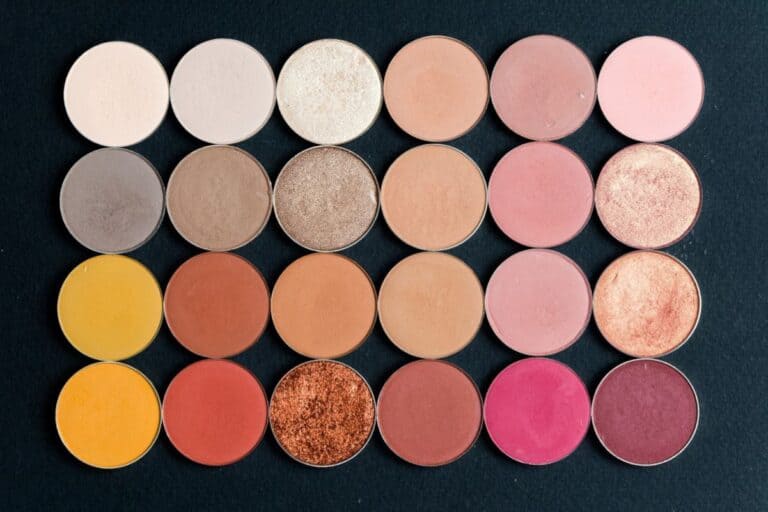
Pair brown mascara with taupe, beige, bronze, peach, or soft brown shadow for an understated look. A brown pencil close to the upper lashes can add definition without switching to black mascara.
For a brown smoky eye, espresso mascara keeps the palette cohesive. With green, blue, or purple eyeshadow, brown can soften the frame around the colour.
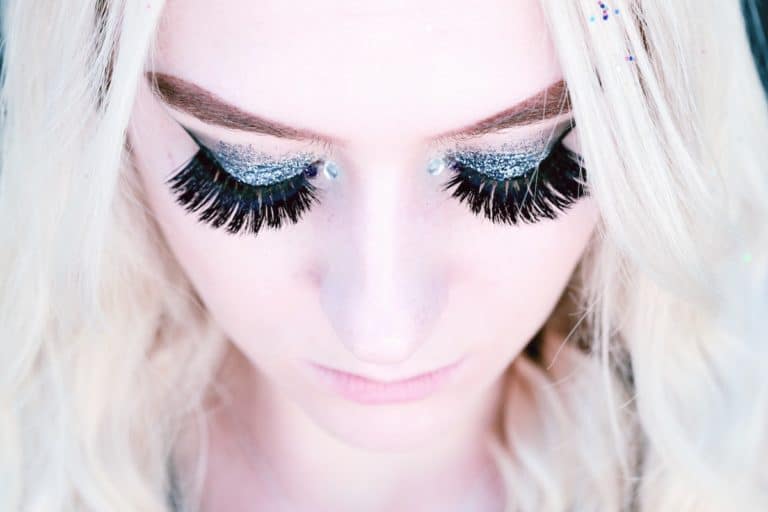
Very dark liner or shadow can make softer brown lashes less noticeable. Use black if you want the lashes to stand out more clearly, or keep brown if you prefer a gentler finish.
Black mascara pairs easily with black winged liner, charcoal shadow, and deeper smoky looks. It can also be the only eye product you wear with a light base and lip colour.
For an in-between option, use black on the upper lashes and brown on the lower lashes. This keeps definition at the top while making the lower lash line less prominent. Use a light hand on short lower lashes.
Black And Brown Mascara – Similarities
Both colours coat the lashes to add visible definition. Depending on the formula and wand, either can make lashes appear longer, fuller, or more separated.
Neither shade guarantees a clump-free or smudge-free finish. Application amount, the condition of the product, and how it wears on you matter more than whether the pigment is brown or black.
Removal depends on the formula. Follow the product’s directions: waterproof mascara may need a suitable eye-makeup remover, while tubing formulas often have their own warm-water removal method. Avoid scrubbing or pulling at the lashes.
Keep hygiene the same whichever colour you choose. The FDA’s eye-cosmetic safety guidance advises against sharing eye cosmetics or adding water or saliva to mascara. Stop using a product if it irritates your eyes.
Brown-Black Mascara
Brown-black mascara is a useful middle ground if brown feels too light but black feels too intense. It usually gives more depth than a soft brown without the same look as an inky black.
Shade names vary by brand. “Black brown”, “brownish black”, and “espresso” can be close in one range and noticeably different in another, so compare shade images rather than relying only on the name.
A ready-made brown-black formula is simpler than trying to blend two shades on your lashes. Layering black over brown may mostly cover the brown rather than create a predictable new colour.
If you do layer mascaras, keep the coats light and follow each formula’s application instructions. Do not mix products inside their tubes or swap wands between them.

For a first experiment, try brown-black on both lash lines. If it still feels too strong below the eyes, use less product there or leave the lower lashes bare.
Final Thoughts
Choose brown for softer definition, black for a deeper lash line, or brown-black for something in between. Eye colour and skin tone can guide the look, but neither limits your options.
For naturally pale lashes, one coat of brown is an easy starting point for everyday makeup. For dark lashes, try espresso or brown-black if lighter brown does not show the way you hoped.
If you love bold liner or want your lashes to stand out in a smoky eye, black is a practical choice. If you want a softer result, adjusting the number of coats can matter as much as changing the colour.
You do not need several tubes to get it right. Start with the shade that suits the look you wear most often, then prioritise a formula and brush you enjoy using.
Related Articles