
How To Make Your Eyelashes Grow Overnight
Long, full lashes can make a soft everyday look feel a little more polished. But if you’re hoping to grow your eyelashes overnight, it helps to separate true lash growth from temporary ways to make existing lashes look longer or fuller.
Mascara, a gentle curl, or strip lashes can change how your lashes look right away. Growing longer natural lashes takes weeks to months because each lash follows its own growth cycle.
You don’t need a complicated routine to start looking after them. Gentle makeup removal, avoiding tugging, and reducing unnecessary friction can help protect the length you already have.
Before adding an oil or serum, here’s what each option can realistically do, along with the habits that may be causing unnecessary breakage.
Can you make your eyelashes grow overnight?
No product or home remedy can produce visibly longer natural lashes overnight. Lash growth takes weeks to months. Gentle care can reduce breakage, while prescription treatment may help suitable patients grow longer lashes over time.
For a fuller look tomorrow, remove tonight’s makeup carefully, then use a clean curler before mascara in the morning. Skip curling, strip lashes, or new eye products if your lids are sore, swollen, or irritated.
Preventing Lash Loss
Preventing avoidable breakage starts with how you handle your lashes. A few small changes to application, cleansing, and removal can make your routine gentler without promising faster follicle growth.
Normal shedding is part of the lash growth cycle, so finding an occasional loose lash does not necessarily mean you have damaged your lashes.
Use the tips below to spot avoidable pulling, friction, and buildup. If you develop new gaps, one-sided loss, or persistent shedding, do not assume your makeup routine is the only cause.
1. Lash Extensions
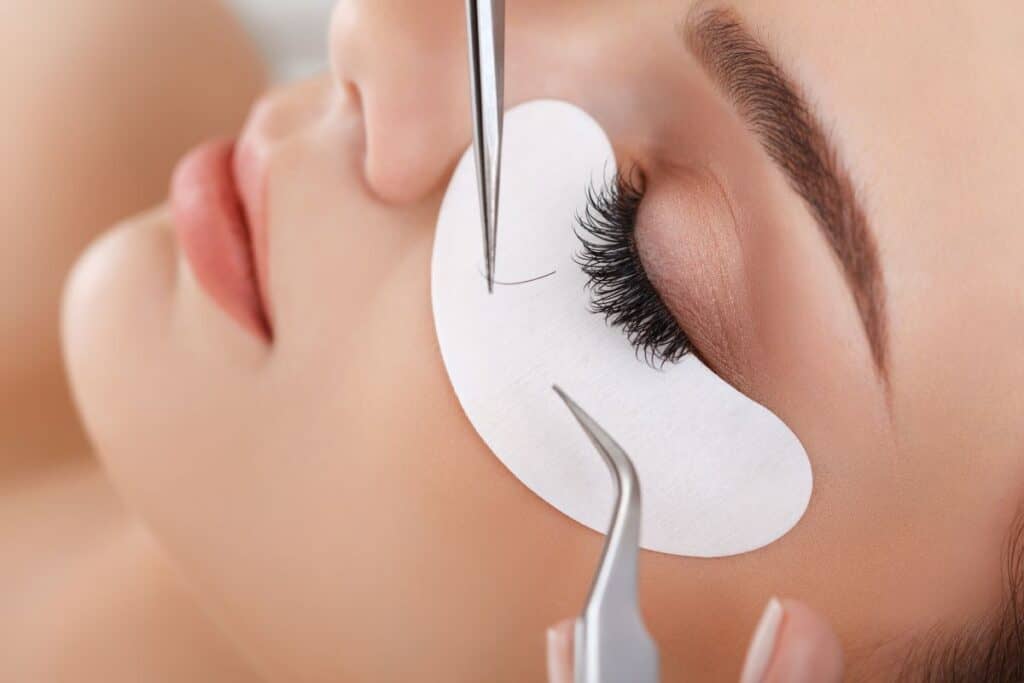
Lash extensions add visible length and fullness without daily mascara, but they don’t make your natural lashes grow.
Their weight, placement, adhesive, isolation, and aftercare all matter. Extensions that pull, pinch, or feel persistently uncomfortable need attention.
Before booking, ask how the technician chooses a suitable length and weight for your natural lashes.
Choose a trained technician who follows local licensing requirements, uses clean tools, and can explain how the length and weight of the set were chosen for your natural lashes.
Reviews can help you assess communication and aftercare, but photos of a beautiful set alone don’t tell you whether the application is suitable for your eyes.
Tell the technician about previous reactions to lash glue or eye products. If your lids are already inflamed, postpone the appointment.
Pain, burning, or significant irritation should not be treated as a normal part of getting extensions.
Even at your first appointment, you shouldn’t have to tolerate ongoing redness. Contact the technician about the application and seek medical advice for persistent symptoms.
Get urgent eye care for vision changes, severe pain, or difficulty opening your eye. Don’t try to pull extensions off to relieve the problem.
Once your set is in place, follow the aftercare instructions for the products used.
Clean your lashes as directed and avoid picking, twisting, or pulling at the bonds. Good aftercare helps reduce buildup and unnecessary traction, but it cannot correct an unsuitable application.
Don’t pull off salon extensions at home. They are bonded to natural lashes, so tugging can take those lashes with them.
Avoid scrubbing the lash line or trying to dissolve professional adhesive with improvised household products.
Extensions gradually shed with the natural lashes they are attached to. The timing varies, and you shouldn’t force remaining extensions off.
If the set becomes patchy or uncomfortable, ask your technician whether removal is appropriate.
Professional removal can reduce the pulling involved, although no removal method guarantees that every natural lash will remain intact.
2. Strip Lashes
Strip lashes can give you an immediate fuller look for an occasion. Careful placement, comfortable fit, and gentle removal matter more than choosing the boldest style.
Apply traditional strip lashes to the eyelid skin just above the natural lash line, following the adhesive instructions.
Keep glue out of your eyes and off the waterline. Use only adhesive intended for the type of false lashes you’re wearing.
Never yank off a strip that is still firmly attached. Pulling can irritate your lid and break or remove natural lashes caught in the glue.
Use the remover recommended for your lash adhesive. If using an eye makeup remover, check that it is suitable for the eye area and compatible with the glue.
With the eye closed, gently hold a dampened pad against the band for the time directed. Give the remover time to soften the adhesive.
Lift the loosened band carefully rather than dragging the pad across your lashes.
If it resists, stop and soften the adhesive again. Remove ordinary daily-wear strip lashes before bed.
3. Eyelash Curlers
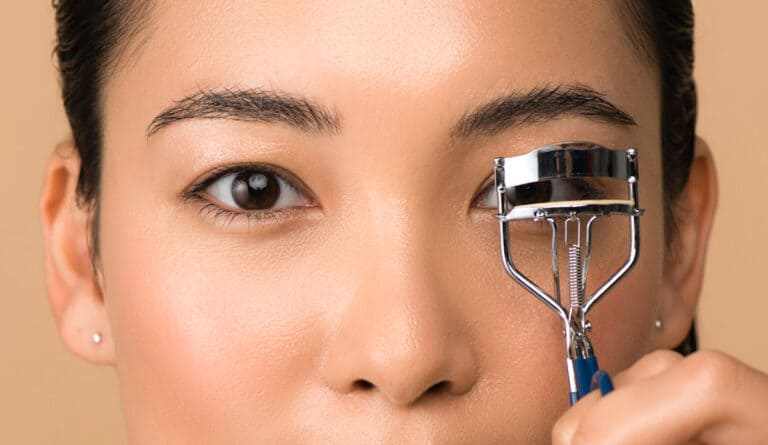
An eyelash curler changes the angle of your existing lashes, which can make them look longer and more visible immediately. It does not stimulate new growth.
Use a manual curler on clean, dry lashes before mascara. Dried mascara can make lashes stick to the tool.
Check the cushion before each use. Replace it if it is split, missing, or worn flat.
Fit matters more than price: the curler should sit comfortably against your eye shape without pinching the eyelid or catching skin.
If its curve doesn’t suit your eye shape, try a different design instead of squeezing harder to catch every lash.
Close the curler gently and avoid repeated hard clamping.
Keep the tool steady while it is closed. Don’t pull it away from your face with lashes still caught inside.
Open it fully before removing it.
Skip DIY heating with a hair dryer, which can make a metal curler hot enough to burn the eyelid.
Clean your curler between uses according to its care instructions and let it dry.
Removing sticky makeup residue helps keep lashes from catching on the tool. Don’t share eye makeup tools.
4. Mascara
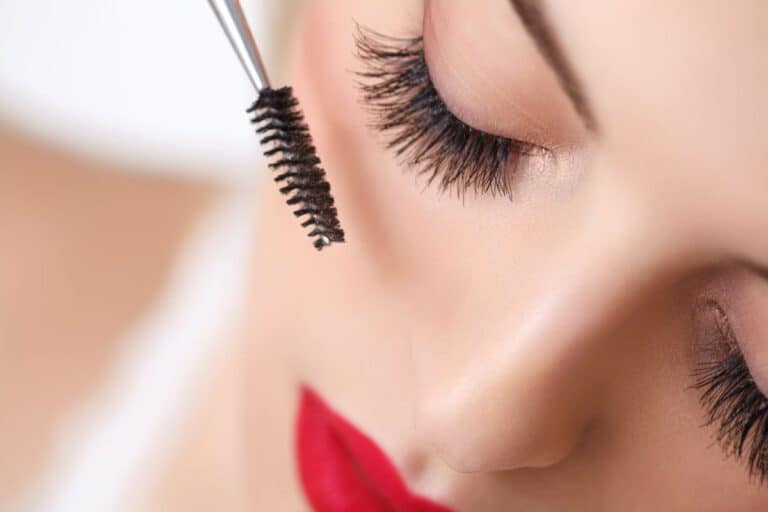
Mascara is a quick way to make lashes look darker, thicker, more separated, or longer without waiting for natural growth.
Choose a formula you can remove comfortably. A dramatic finish is less useful if taking it off means repeated scrubbing, pulling, or pinching at the lashes.
Waterproof mascara can be handy for tears or humidity, but it usually needs a remover designed for waterproof eye makeup.
Let that remover loosen the formula before wiping gently. More pressure is not the answer to stubborn mascara.
If removal regularly leaves your lids sore, consider an easier-to-remove formula for everyday wear.
The FDA’s eye cosmetic guidance recommends discarding mascara three months after purchase. Never add water or saliva to a drying tube, and discard eye makeup used during an eye infection.
5. Proper Makeup Removal
Remove eye makeup before bed with a product labeled for the eye area. Choose one that loosens your formula without repeated rubbing, tugging, or scraping at the lash line.
Micellar water and oil-based eye makeup removers can both be useful, depending on the makeup. Not every face wash is suitable for use around the eyes.
Kitchen oils and homemade blends are not necessary. An eye-area remover with clear instructions is a more practical choice.
Oil-based removers can help loosen resistant makeup, but they still need to be used and rinsed as directed.
Wash your hands, close your eyes, and gently press rather than scrub. Avoid pulling the lid or pinching lashes between your fingers.
Use a clean section of the pad as makeup lifts away, and repeat gently if needed.
If a remover stings or leaves the eyelid irritated, stop using it. “Natural” and “sensitive” labels do not guarantee that a product will suit you.
For extensions, follow your technician’s cleanser guidance rather than assuming your usual makeup remover is compatible.
6. Avoid Eye Rubbing
Try to avoid rubbing or repeatedly tugging at your lashes, especially when you’re tired, removing makeup, or dealing with itchy eyes.
Frequent friction can contribute to breakage. Ordinary gentle cleansing, however, should not be something you’re afraid to do.
If your eyes itch often, ask an eye care professional about the cause instead of relying on rubbing for relief.
Persistent itching, crusting, or red eyelid margins may need treatment. A lash oil won’t address every cause of irritation.
Ways To Support Longer-Looking, Healthy Lashes
Applying A Lash Oil: What It Can And Cannot Do
Lash oils are not proven growth treatments. They may coat existing hairs, reduce a dry or brittle feel, or add shine, but that is different from making follicles produce longer lashes.
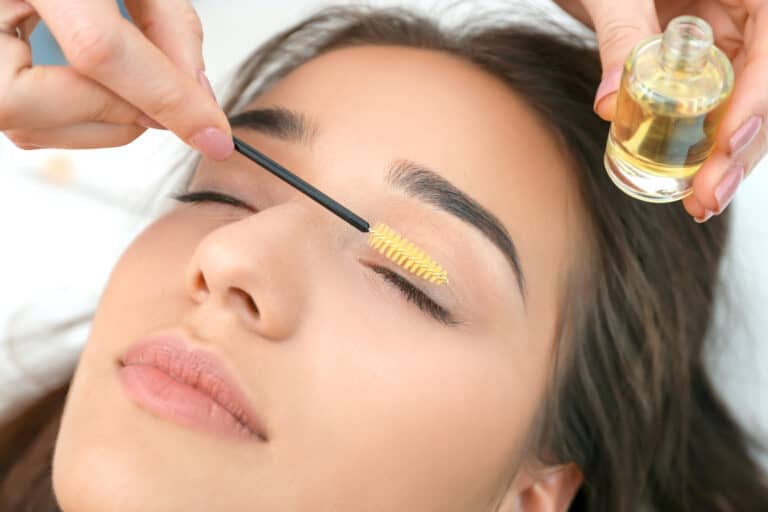
For gently separating clean lashes, you can use a clean spoolie or disposable mascara wands. These are grooming tools, not a requirement for lash growth.
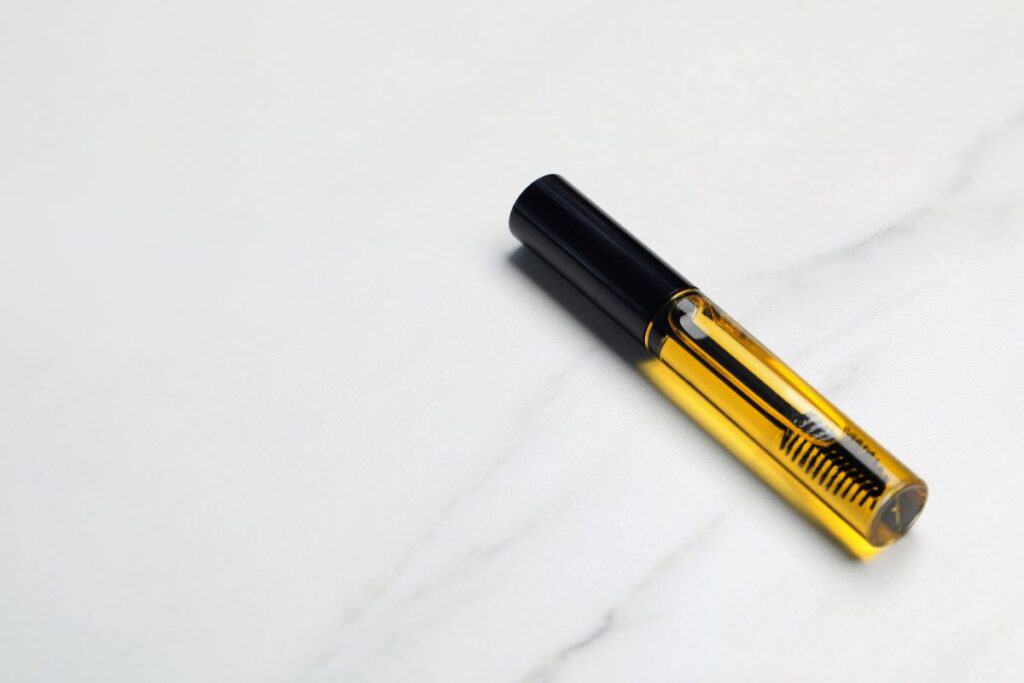
Use light strokes without catching or tugging. Do not reuse a disposable wand or repurpose an old mascara brush for applying oils or serums near the eye, since old applicators can carry product residue and contamination.
- Vitamin E Oil
- Vitamin E is used in skincare as an emollient and antioxidant, but applying it to lashes has not been shown to reverse damage or stimulate growth. Concentrated oils can also irritate sensitive skin.
- Coconut Oil
- Coconut oil can coat hair, but research on scalp-hair conditioning does not establish that it grows eyelashes. Avoid treating it as a repair treatment for lash follicles.
- Olive Oil
- Olive oil may leave hairs looking glossy. There is no good evidence that it repairs damaged lash follicles or makes lashes grow faster, and kitchen oil is not an eye-care product.
- Castor Oil
- Castor oil is often promoted for lash growth, but clinical evidence does not establish that it stimulates eyelash follicles. Its ricinoleic acid content is not proof of a growth effect.
- Argan Oil
- Argan oil contains fatty acids and is common in hair conditioners. That does not make it a proven lash-lengthening treatment or guarantee that it will suit the eye area.
- Almond Oil
- Almond oil may soften the feel of hair, but it cannot mend broken lashes or guarantee stronger new growth. Avoid it if you have a relevant allergy, and do not assume a food oil is safe around the eyes.
A skin patch test cannot establish that an oil is safe for your eyes. Avoid ingredients you are allergic to, and do not put household oils on the waterline or directly into the eyes.
If you want a conditioning step, choose a product specifically intended for lashes and follow its directions. More product, more frequent application, or combining several oils does not mean faster growth.
There is no reliable six- or eight-week growth promise for these oils. If a product makes lashes look shinier, that alone does not show that they have grown.
Lash Serums
Lash serums vary widely. Before buying one, check whether it is a cosmetic conditioning serum or a prescription growth treatment, because those categories do not have the same evidence or risk profile.
Cosmetic formulas may contain conditioning ingredients such as panthenol or peptides. Evidence for visible growth depends on the finished formula and supporting data, not simply the word “serum” or a long ingredient list.
Serums are not automatically risk-free. The American Academy of Ophthalmology’s lash-serum guidance explains why ingredients and potential side effects deserve attention.
Follow the exact product directions. Applying a serum more often than instructed is not a shortcut to longer lashes.
You don’t necessarily need to give up mascara while using a serum. Check the instructions for application timing and allow products to dry as directed.
Contact-lens advice is product-specific. For Latisse, remove lenses before application and wait at least 15 minutes before reinserting them.
Cosmetic serums and prescription medicines should not be treated as interchangeable. Ask for evidence about the finished product rather than relying on before-and-after photos alone.
Latisse (bimatoprost 0.03%) is an FDA-approved prescription treatment for inadequate eyelashes. In suitable patients, it can increase lash length, thickness, and darkness over time; it does not work overnight and results vary.
Discuss suitability with a prescriber, especially if you have an eye condition, use eye-pressure medication, are pregnant, or are breastfeeding.
The FDA prescribing information for Latisse directs once-nightly application to the upper lash-line skin using the supplied sterile applicators, not to the lower lash line.
For any serum, stop using it and seek advice if persistent redness, itching, swelling, or irritation develops. Eye pain, light sensitivity, or vision changes need prompt medical assessment.
Possible Latisse effects include itching, redness, eyelid darkening, and unwanted hair where it repeatedly touches skin. Increased brown iris pigmentation may be permanent; changes around the eyelid have also been reported.
Review the risks and application instructions with your prescriber. A cosmetic label does not mean another lash serum has the same safety evidence as a prescription medicine.
Latisse results develop gradually, with clinical evaluation over 16 weeks. Extra applications don’t speed growth, and lashes are expected to return toward their previous appearance after stopping.
Diet And Supplements
A varied diet supports normal hair growth, but no single food or supplement can make eyelashes visibly longer overnight.
If you already meet your nutritional needs, adding extra supplements is not a reliable way to produce longer lashes and may expose you to unnecessary doses.
Aim for adequate food and protein rather than automatically increasing biotin.
Eggs, beans, lentils, tofu, fish, and other protein foods can all fit into a balanced eating pattern. Choose options that suit your preferences and dietary needs.
Fruit, vegetables, nuts, seeds, and whole grains help provide a range of nutrients. You don’t need a special “lash growth” menu.

A multivitamin is not a substitute for a balanced diet or a treatment for unexplained lash loss. Ask a clinician whether testing is appropriate before taking high-dose supplements for a suspected deficiency.
The NIH biotin fact sheet notes limited evidence for hair benefits from biotin supplements. High-dose biotin can interfere with some laboratory tests, so tell your clinician if you take it.
Related Questions
Does Vaseline make eyelashes grow longer?
Vaseline does not make eyelashes grow longer. A glossy coating may make existing lashes look more defined or conditioned, but it does not stimulate new follicle growth.
Petroleum jelly is an occlusive ingredient that helps limit moisture loss from skin. That property should not be confused with an eyelash growth effect.
You don’t need to sleep with petroleum jelly on your lashes. Keep it out of your eyes and stop if it causes irritation.
Why are my eyelashes thinning?
Lash thinning can involve breakage, repeated pulling, eyelid inflammation, skin conditions, medication effects, or other medical causes. A sudden or unexplained change deserves more attention than another growth remedy.
Lashes naturally cycle through growth, rest, and shedding. Their timing differs from scalp hair, and visible recovery after breakage or loss can take months.
Book an assessment for new bald patches, one-sided lash loss, or persistent shedding, especially if you also have itching, crusting, swelling, or eyelid redness. Seek prompt eye care for pain or vision changes. Finding the cause is more useful than layering on growth remedies.
Related Articles
Can You Use Hair Glue For Lashes?
Best Alternatives To Acrylic Nails