
5 Best Beard Darkening Oils
Facial hair has different grooming needs from scalp hair, especially because beard products also sit directly on the skin underneath.
Whether you have a long, thick beard or a short, trimmed mustache, a small amount of conditioning oil can help coarse strands feel softer, reduce friction, and give the beard a more groomed appearance.
Beard oils are leave-on grooming products made primarily from carrier oils. They coat the facial hair and can also reduce a dry, tight feel on the skin underneath.
They can help reduce friction, soften coarse strands, add shine, and make the beard easier to comb, but they do not permanently strengthen the hair fiber, stimulate new beard growth, or dye gray hairs.
How can you find the best beard oil for your needs?
Choose beard oil by beard length and texture, skin type, formula weight, fragrance, and how easily your skin becomes dry or irritated. If your goal is to make gray or light beard hairs genuinely darker, use a dedicated facial-hair coloring product instead. Plain beard oil can make hair look temporarily richer because it adds shine and reduces dryness, but it does not permanently change hair color.
Below, we explain how beard oil differs from beard dye, how to choose a formula for your beard and skin, how much to use, and how the five featured products compare for conditioning and shine.
Beard Oil At A Glance
- For a fine or short beard: start with a lightweight oil and only a few drops so the hair does not look greasy.
- For a coarse or long beard: a richer blend or slightly larger amount can improve slip and softness.
- For dry skin: look for a comfortable carrier-oil blend and apply enough to reach the skin beneath the beard.
- For sensitive skin: fragrance-free or low-fragrance formulas may be easier to tolerate.
- For actual darkening: use a dedicated beard dye, coloring kit, or pigmented grooming product. Plain beard oil does not permanently darken gray hair.
- For a temporarily richer look: oil can make dry facial hair appear deeper and shinier because it smooths the surface and changes light reflection.
Can Beard Oil Actually Darken A Beard?
Plain beard oil does not permanently change the pigment inside a beard hair. What it can do is make a dry or gray beard look temporarily richer by smoothing rough fibers, increasing shine, and slightly deepening the way the existing color appears while the oil is on the hair.
| Product | What It Does | How Long The Effect Lasts |
| Plain beard oil | Conditions, softens, adds shine, may make existing color look temporarily richer | Until the oil wears off or is washed away |
| Pigmented pomade or temporary darkener | Deposits visible color on the beard surface | Depends on the product and washing |
| Beard dye or coloring kit | Chemically or directly changes the visible color of beard hairs | Varies by formula and new growth |
If covering gray hairs is the main goal, shop for the appropriate coloring product first, then choose beard oil separately for softness and grooming.
What To Look For In Beard Oils – Buyer’s Guide
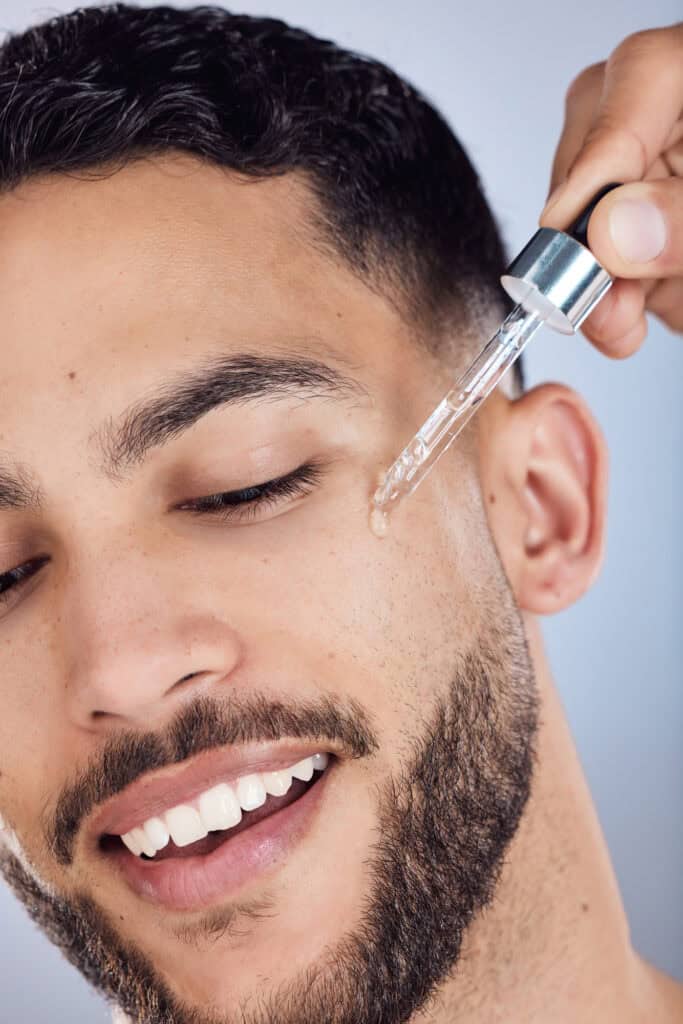
When adding a beard oil to your routine, focus first on the weight of the formula, beard length, skin comfort, scent, and how much product you actually need.
Beard oils can be paired with cleansers, balms, waxes, or coloring products when their directions are compatible. The best oil is usually the one that conditions without leaving your beard or skin greasy, itchy, or heavily scented.
Hair Texture
The texture and thickness of your beard hair influence how rich or lightweight you may want the oil to feel.
Fine beard hair can look greasy quickly, while coarse or tightly curled facial hair may tolerate a richer emollient layer without looking weighed down.
Beard hair can range from fine and sparse to thick and coarse, and different textures may tolerate different amounts and oil blends.
Finer or sparser beards often feel less weighed down with lighter oils or smaller amounts of product.
Coarse beard hair may benefit from a richer oil blend because a heavier coating can improve slip and softness. Deep penetration is not required for an oil to condition the surface of the hair.
If your beard is sparse, start with a small amount of a lightweight formula and add more only if needed.
Thicker beard hair may tolerate a richer oil or a slightly larger amount without looking greasy.
Beard Length
Beard length matters because longer facial hair has more surface area to coat and usually needs more product for even distribution.
The length of your beard helps determine how much product you need to distribute through the hair without leaving it greasy.
Medium to long beards usually need more product than short beards or goatees, but there is no fixed two-times rule. Start with a few drops and adjust from there.
Start with less oil than you think you need, distribute it fully, then add another drop only if the beard still feels rough. A shiny or slick surface usually means you have applied more than the hair can comfortably hold.
Ingredients
Because beard oil touches both facial hair and facial skin, the ingredient list matters for feel, fragrance, and skin tolerance.
Most formulas combine several emollient oils, and the blend determines whether the product feels light, rich, fast-spreading, or more occlusive on the skin.
Most beard oils are built around carrier oils such as jojoba, argan, grapeseed, sunflower, or similar emollients. Essential oils may be added mainly for fragrance and can irritate sensitive skin in some people.
The hair’s texture, thickness, and length all affect how much oil you need, while your skin type and sensitivity help determine which formula feels comfortable underneath.
Fragrance and essential oils are optional. If your skin is easily irritated or you dislike scent close to the nose, an unscented or low-fragrance formula may be easier to wear.
Skin Type
Beard oil does not add water to the hair or skin, but its emollient oils can reduce moisture loss, soften dry skin, and improve slip around the beard area.
If you have oily or breakout-prone skin, a lightweight oil used sparingly may feel better, while dry skin may tolerate a richer blend. No beard oil is guaranteed not to clog pores for every person.
If a formula contains essential oils or fragrance, consider your skin sensitivity. Fragrance is optional and is not required for a beard oil to condition the hair or skin.
How To Apply Beard Oil Without Making The Beard Greasy
- Start with a clean or freshly rinsed beard and blot away excess water so the hair is damp or dry rather than dripping wet.
- Place a small amount of oil in your palm. Short beards may need only a few drops; longer or coarser beards can use more as needed.
- Rub the oil between your palms, then work it through the beard from the sides and underneath rather than coating only the outer surface.
- If the skin under the beard feels dry, massage the remaining product lightly into that area without saturating it.
- Comb or brush the beard to distribute the oil and assess the finish before adding more.
- If the beard looks wet, stringy, or greasy long after application, use less next time.
Using Beard Oil With Beard Dye Or Darkening Products
Follow the coloring product’s directions first. Some dyes work best on clean hair without an oily coating, so applying beard oil immediately before coloring may interfere with even contact or deposit.
After coloring, wait until the directions say normal grooming products can be resumed. If the skin is irritated, burning, swollen, or rashy after dyeing, do not apply fragranced beard oil to “soothe” it. Stop using the color product and seek appropriate medical advice for a significant reaction.
Beard Oils To Pair With Darkening Products – Product Guide
Below is a product guide to several beard oils that can be used as regular grooming products or, when the coloring product directions allow it, after or between beard-tint or darkening applications for softness and shine.
Adding oil can make the beard look temporarily deeper, smoother, or richer because dry, rough hairs reflect light differently once coated. That visual effect is not the same as depositing pigment, and plain beard oil does not permanently darken or dye the hair.
If you want to actually tint or dye the beard hairs, a dedicated product like this darkening pomade or this coloring kit is more appropriate than plain beard oil. Follow the current directions carefully, including any allergy-test instructions, and do not apply color to irritated or broken skin.
You can use beard oil afterward if the coloring product’s directions allow it and the skin feels comfortable. If dye causes burning, swelling, blistering, or a persistent rash, stop using it rather than covering the reaction with more oil.
| Rank | Product | Key Features |
|---|---|---|
| 1. | ELEMIS Smooth Result Shave and Beard Oil | Multi-tasking product to help shave or maintain beard; formulated with grapeseed, jojoba, and hazelnut oils to nourish; for all skin types |
| 2. | Jack Black Beard Oil | Mixture of botanicals and essential oils to create a nourishing product; helps to soften brittle or coarse hair; contains antioxidants and vitamin E |
| 3. | Scotch Porter Smoothing Beard Serum | Formulated with avocado and jojoba seed oils to hydrate the beard; locks in moisture while eliminating frizz; ideal for dry or thick beards |
| 4. | Gibs Beard Hair And Tattoo Oil | Multi-tasking oil that can work in various ways to tame the hair and beard; revives and hydrates tattoos; formulated with antioxidants to help replenish collagen production in the skin |
| 5. | Billy Jealousy Devil’s Delight Beard Oil | Ideal for all beard types; can help to reduce any dryness or flakiness on the skin; helps to seal the hair shaft for smoother appearance; created with avocado, jojoba, and sunflower oils |
Quick comparison: ELEMIS is the most versatile shave-and-beard option, Jack Black is a lighter everyday oil, Scotch Porter is the smoothing-focused serum for coarser or frizzier beards, GIBS is the multi-use beard/hair/tattoo-skin oil, and Billy Jealousy is the richer scented option. None of these plain grooming oils should be expected to permanently dye gray beard hair.
1. ELEMIS Smooth Result Shave and Beard Oil
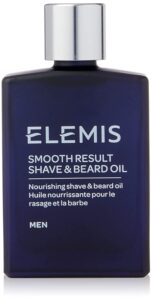
The Elemis Shave and Beard Oil is the most clearly multi-purpose option in this list because it is designed for both shaving slip and beard conditioning.
It can be used as a pre-shave oil to add slip or worked sparingly through facial hair when you want softness and shine after grooming.
It is formulated with a blend of oils, including jojoba, hazelnut, and grapeseed, which can provide slip and an emollient feel.
The formula may suit many beard types, but anyone with nut allergies, fragrance sensitivity, or easily irritated skin should review the current ingredient list first.
2. Jack Black Beard Oil
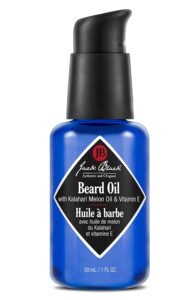
The Jack Black Beard Oil is a lightweight grooming option for people who want shine and softness without starting with a very heavy-feeling oil.
This beard oil combines carrier oils and botanical ingredients to coat and soften facial hair.
It is intended to reduce the rough feel of coarse or dry beard hair and add shine.
The formula contains antioxidant ingredients and vitamin E, but topical beard oil should not be expected to permanently strengthen the hair fiber.
Ingredients such as marula fruit oil and brown algae extract can contribute emollience and may help reduce a dry feel on the hair and skin.
It can work across different beard textures, although people with thicker or coarser beards may especially appreciate the added slip.
3. Scotch Porter Smoothing Beard Serum
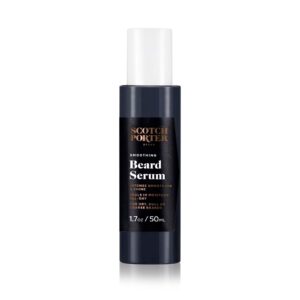
The Scotch Porter Smoothing Beard Serum is the most smoothing-focused option here for dry, coarse, thick, or frizz-prone beards.
It focuses on smoothing the hair to reduce the appearance of frizz and make unruly strands easier to manage.
Because it is marketed as a serum rather than a simple oil blend, it may appeal to people who want a more polished feel without saturating the beard in oil.
Use a small amount first, then add more if your beard still feels rough or difficult to comb.
The serum also adds shine to the beard hair and softens its texture. It is formulated with a light scent of vanilla, amber, and musk.
4. Gibs Beard Hair And Tattoo Oil
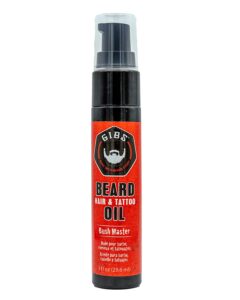
The GIBS Beard Hair And Tattoo Oil is the most multi-area option in the roundup, marketed for hair, beard, and healed tattooed skin to add emollience and shine.
The formula contains antioxidant ingredients and vitamin C alongside oils that can help reduce dryness on hair or skin.
The product is also formulated with argan, sunflower seed, and olive oils, which can soften dry skin and hair. A cosmetic beard oil should not be expected to meaningfully stimulate collagen production.
Applied to fully healed tattooed skin, an emollient oil can temporarily make dryness less visible and make existing tattoo colors appear richer. It should not be used as a substitute for appropriate fresh-tattoo aftercare.
Scent options and availability can change, so check the current listing if fragrance matters to you.
5. Billy Jealousy Devil’s Delight Beard Oil
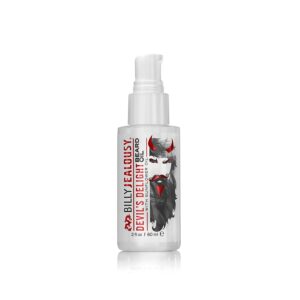
The Billy Jealousy Devil’s Delight Beard Oil is the richest scented option in this list, combining avocado, sunflower, and jojoba oils to coat the beard, reduce friction, and soften dry or coarse strands.
The formulation can smooth the hair surface and make the beard feel more conditioned, but it does not permanently seal or rebuild the hair shaft.
This can make beard hairs look smoother and less frizzy.
The combination of oils can also soften dry skin beneath the beard.
If mild dryness is contributing to flakiness or itchiness, an emollient beard oil may help. Persistent redness, scaling, sores, or significant itching can have other causes and may need a scalp or skin-focused treatment rather than more oil.
This version has a rich, smoky scent. If fragrance close to the face bothers you, check whether an unscented or lower-fragrance alternative is available before buying.
Beard Oil FAQs
Does Beard Oil Make gray Hair Darker?
It can make gray or dry beard hair look temporarily deeper because the oil adds shine and reduces a chalky, rough appearance, but it does not restore melanin or permanently recolor gray hair.
Which Oil Is Best For Darkening A Beard Naturally?
No plain carrier oil reliably dyes beard hair darker. Jojoba, argan, grapeseed, olive, avocado, and similar oils are useful for conditioning, not permanent color change. If you want visible darkening, use a product that actually contains pigment or is designed to color facial hair.
Can Beard Oil Help Beard Growth?
Beard oil can reduce dryness and friction, which may help existing hairs feel softer and break less during grooming, but it is not a proven treatment for increasing the number of beard follicles or speeding facial-hair growth.
How Often Should You Use Beard Oil?
There is no universal schedule. Use it as often as needed for softness and skin comfort. Some people like a small amount daily, while others need it only after washing or when the beard feels dry.
Can Beard Oil Cause Breakouts?
Any leave-on facial product can feel too heavy or contribute to breakouts for some people. If you are acne-prone, start with a small amount of a lighter formula, avoid unnecessary fragrance if it irritates you, and stop using a product that repeatedly seems to worsen clogged or inflamed areas.
What If Beard Flakes Do Not Improve With Oil?
Persistent scaling, redness, sores, significant itching, or recurrent flakes may come from conditions such as dermatitis rather than simple dryness. More oil is not always the answer, so consider a skin-focused treatment or professional evaluation if symptoms continue.
Conclusion
Finding the right beard oil comes down to matching the formula weight and fragrance to your beard texture, beard length, skin type, and grooming goals.
You do not need several oils unless you enjoy rotating finishes or scents. One formula that conditions well without irritation or greasiness is enough for a basic routine.
You can pair beard oil with a facial-hair darkening product if the product directions allow it, but keep the roles separate: dye or pigmented product changes the visible color, while beard oil mainly conditions, adds slip, and changes shine.
The simplest way to choose is to separate color from conditioning. Use a beard dye or pigmented darkening product when you want a true color change, and use beard oil when you want softer hair, less friction, easier grooming, and a healthier-looking finish.
Related Articles